

Italian Food Culture
Regions, Traditions & Dining Rituals
Italian food culture is more than recipes. It reflects identity, family, geography, and tradition. Across Italy, food shapes daily life and social connection.
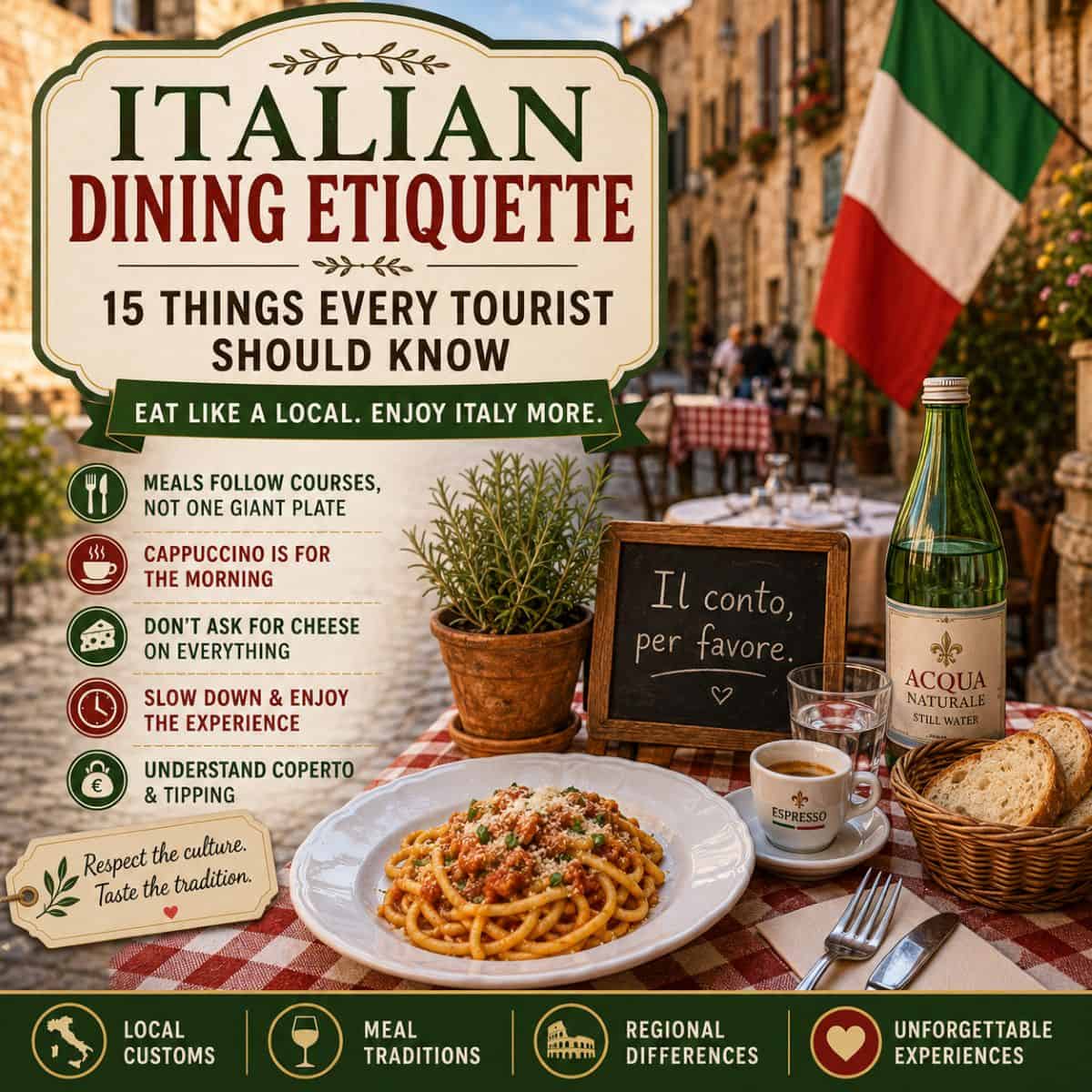
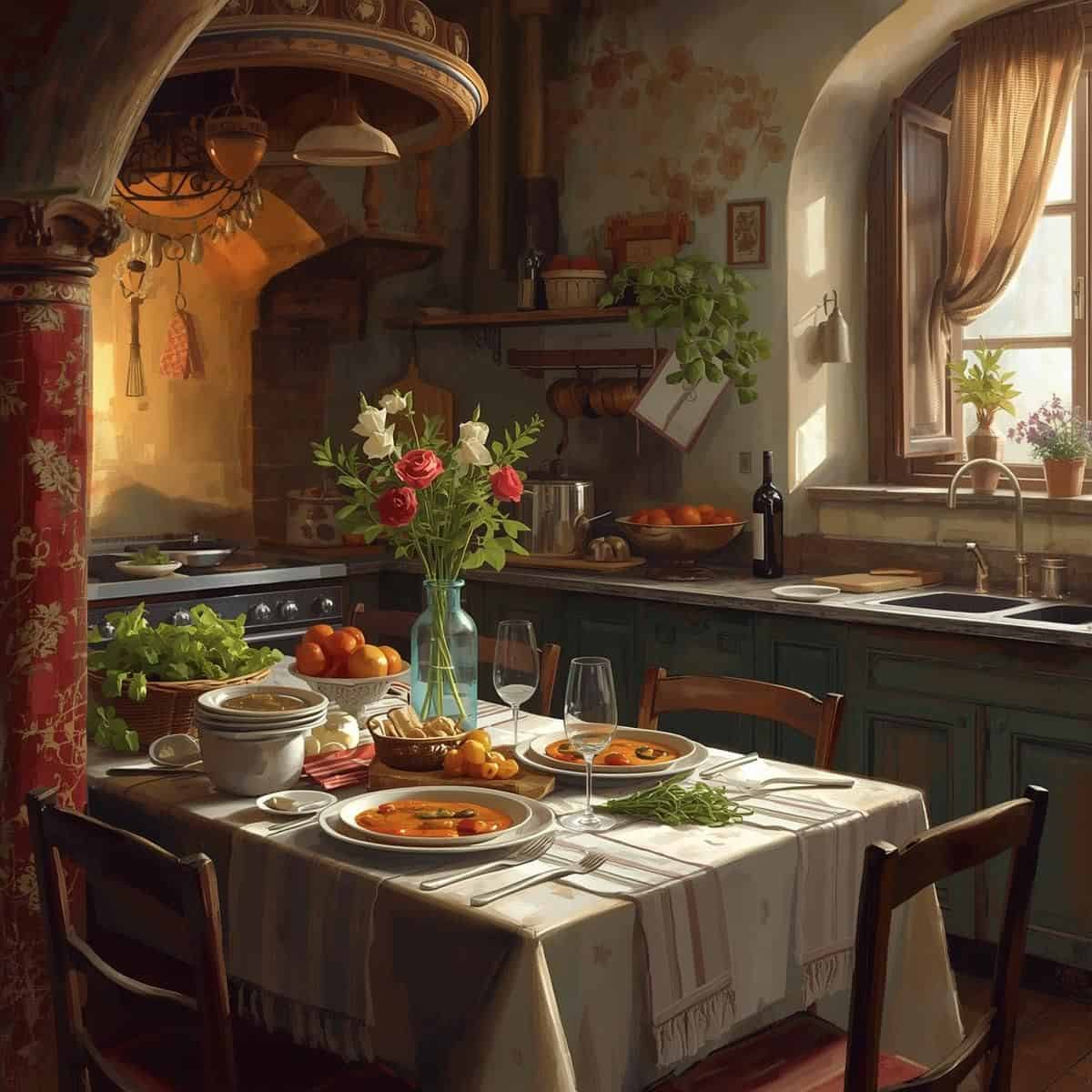
Understanding Italian food culture explains why meals unfold slowly, why regions cook differently, and why ingredients are chosen with intention. It reveals the values behind authentic Italian cuisine.
While Italian Cooking Foundations explains philosophy and Italian Cooking Techniques explains skill, this guide explores the cultural forces that shape Italian cooking itself.
Because in Italy, food is not separate from life. It is central to it.
The Core Values Behind Italian Food Culture
Italian food culture rests on enduring values that shape daily meals and holiday celebrations alike.
Family and the Shared Table
Meals bring generations together. Sunday lunch remains a tradition in many regions. The table creates continuity between past and present.
Time and the Slow Meal
Italian meals are not rushed. Courses unfold gradually. Conversation fills the space between bites. Time is part of the experience.
Regional Pride and Identity
Each region protects its culinary identity. Recipes reflect local climate, agriculture, and history. Food becomes a marker of belonging.
Respect for Ingredients
Quality products are honored rather than hidden. Simplicity highlights craftsmanship and origin.
These values shape everything from weekday dinners to elaborate feasts.
Regional Identity in Italian Cuisine
Italy is unified politically. However, it is deeply regional culturally.
Climate, geography, and history influence ingredients and preparation styles. Coastal regions rely on seafood. Inland regions favor livestock and grains. Mountain communities cook differently than coastal cities.
This diversity explains why Italian cuisine feels varied yet connected.
To explore ingredient differences further, revisit Italian Ingredients.
Northern vs Southern Italian Cuisine
Northern Italian cuisine often features butter, rice, cream-based sauces, and aged cheeses.
Southern Italian cuisine leans toward olive oil, tomatoes, seafood, fresh herbs, and dried pasta.
These differences reflect climate and agriculture rather than preference alone.
Explore this contrast in Northern vs Southern Italian Food: A Flavor Divide.
Regional difference is not conflict. It is identity.
Regional Diversity Within Italian Food Culture
Italian food culture is deeply regional. However, these differences are not random. They reflect geography, climate, agriculture, and history.
Northern regions often favor butter, rice, and aged cheeses. In contrast, southern regions lean toward olive oil, tomatoes, seafood, and bold seasoning. Mountain communities cook differently than coastal cities. Rural traditions differ from urban ones.
This diversity does not divide Italy. Instead, it strengthens cultural identity.
To explore how specific regions shape Italian cuisine, visit:
Emilia-Romagna: Birthplace of Italy’s Best Ingredients
Campania: The Land of Pizza & Tomatoes
Tuscany: Rustic Elegance in Every Bite
Sicily: Citrus, Seafood & Sun
Piedmont: Creamy, Truffle-Infused Cuisine
Calabria: Spicy, Bold & Fiery Dishes
Puglia: Where Pasta Meets the Farm
Sardinian Cooking: Ancient Traditions Preserved
Each region reflects a distinct expression of Italian food culture.
The Structure and Rhythm of Italian Meals
Italian dining follows intention and order.
Meals unfold in stages. Plates are cleared before the next arrives. Conversation flows naturally between courses.
For this reason, meal structure matters. Learn more in Traditional Italian Meal Structure.
This rhythm reinforces presence and connection.
Coffee and Aperitivo Rituals
Italian food culture extends beyond the plate.
Coffee follows unwritten rules. Cappuccino belongs in the morning. Espresso closes the meal.
The aperitivo marks a transition from work to evening. It is not only a drink. It is a cultural pause.
Explore Italian Coffee Culture: Beyond Cappuccino
Explore The Aperitivo Tradition Explained
These rituals reflect balance and social awareness.
Bread, Holidays, and Celebration
Bread holds symbolic meaning in Italian culture. It is not filler. It is respected.
Holiday meals vary by region. Christmas Eve seafood differs from Easter lamb traditions.
Explore The Role of Bread in an Italian Meal
Explore Italian Holiday Foods Across the Country
Food anchors celebration and memory.
Dining in Italy: Cultural Expectations
Visitors often misunderstand pacing, portion size, and course order.
Understanding etiquette deepens appreciation. It also prevents cultural missteps.
Explore Dining in Italy: What Tourists Commonly Get Wrong
Frequently Asked Questions About Italian Food Culture
Italian food culture refers to the traditions, values, regional identities, and dining rituals that shape how Italians cook and eat.
Italy’s geography and history created strong local identities. As a result, recipes vary dramatically from north to south.
Meals encourage connection. Time at the table strengthens relationships and preserves tradition.
Continue Your Italian Cooking Journey
Understanding culture transforms cooking.
Strengthen technique in Italian Cooking Techniques
Deepen product knowledge in Italian Ingredients
Revisit philosophy in Italian Cooking Foundations
Begin practicing with Italian Recipes
Italian cuisine lives beyond the kitchen. It lives in community.
When you understand the lifestyle, the food makes even more sense.
Key Takeaways
- Italian food reflects culture, geography, and family traditions; it's not just about recipes.
- Regional identity shapes Italian cuisine, with distinct differences between northern and southern cooking.
- Italian meals emphasize slow dining, family gatherings, and social interaction, enhancing the overall experience.
- Coffee culture and rituals like aperitivo showcase the importance of timing and tradition in Italian food culture.
- Understanding the cultural context deepens appreciation and enriches cooking, highlighting the significance of community.