

Italian Cooking Techniques
Mastering the Skills Behind Authentic Italian Food
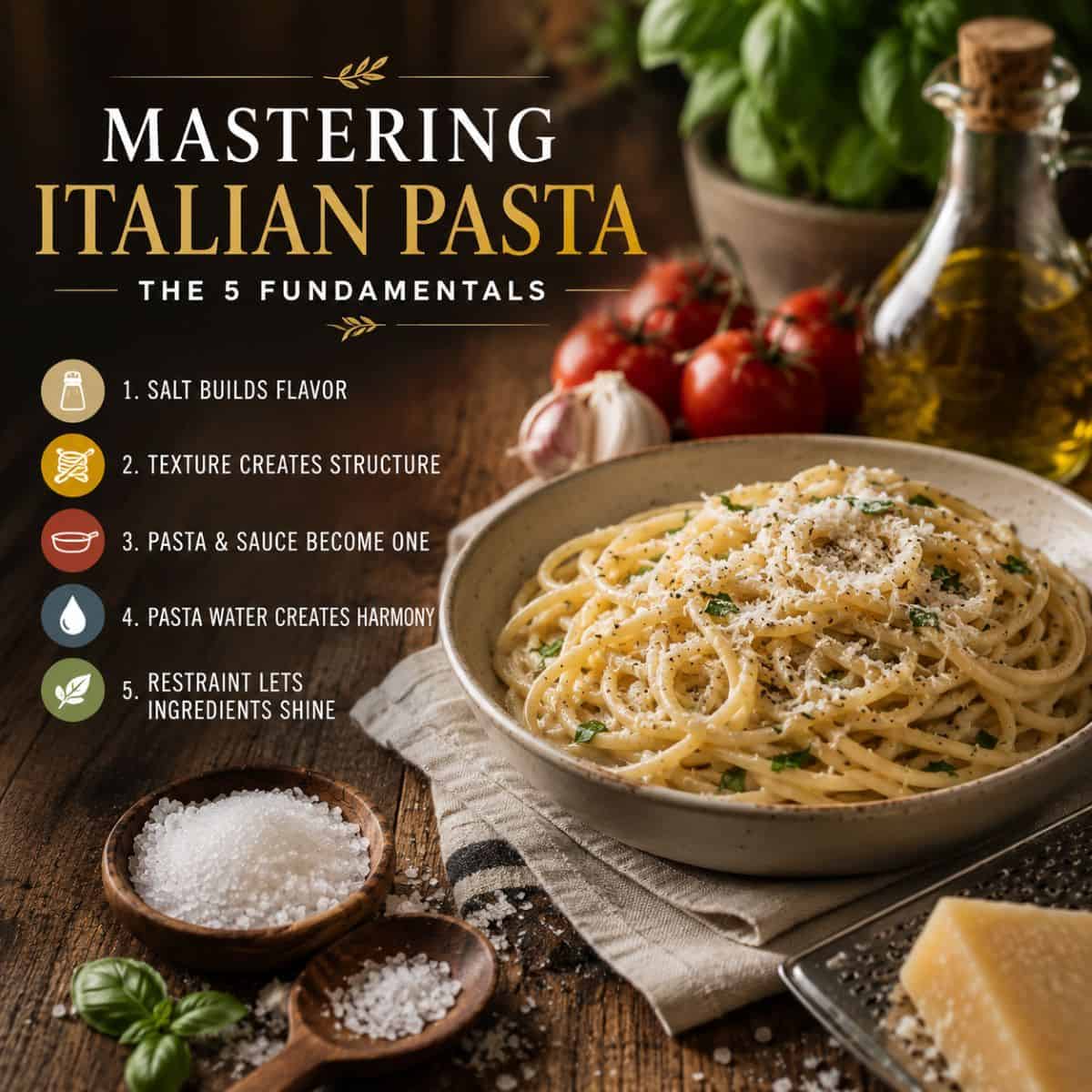
Italian cooking techniques turn simple ingredients into balanced, expressive dishes. While the foundations of Italian cooking explain philosophy, technique explains execution. It is where instinct meets skill.

When you understand Italian cooking techniques, you stop relying on guesswork. Instead, you learn how heat, timing, texture, and seasoning work together. As a result, your food becomes more consistent and more confident.
This guide breaks down the essential techniques that define authentic Italian cuisine. Think of it as your skill-building companion to Italian Cooking Foundations.
Why Technique Matters in Italian Cooking
Italian cuisine values simplicity. However, simplicity requires precision.
A tomato sauce may contain only a few ingredients. Yet without proper heat control, seasoning, and timing, it can fall flat. Therefore, technique becomes the difference between average and exceptional.
Unlike complex culinary traditions that rely on elaborate plating, Italian cooking depends on mastering fundamentals:
- Salt control
- Heat management
- Texture awareness
- Emulsification
- Dough handling
Each technique supports clarity rather than complexity.
The Essential Italian Cooking Techniques
Below are the core skills that shape authentic Italian dishes.
Salting Properly
Salt is structural in Italian cooking. It enhances natural flavor rather than masking it.
Understanding Salt: The Foundation of Italian Flavor teaches you how to season at each stage. Likewise, mastering The Right Way to Salt Pasta Water ensures pasta tastes complete before sauce is added.
Without proper salting, even the best ingredients feel dull.
Finishing Pasta in the Sauce
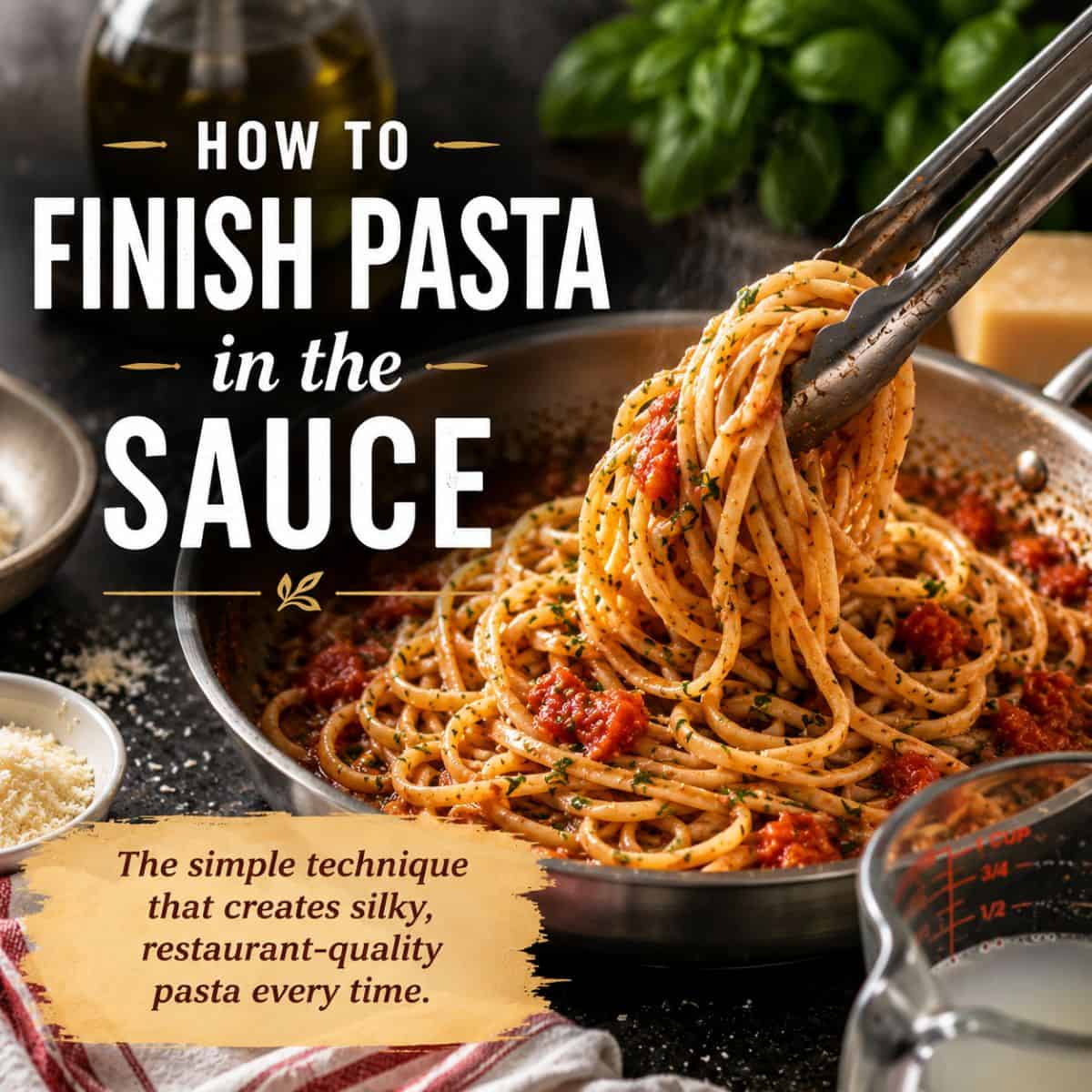
One of the most misunderstood techniques is finishing pasta directly in the sauce. This allows starch and fat to emulsify naturally.
Learn this method in detail inside The Best Way to Finish Pasta in the Sauce.
When done correctly, sauce clings instead of pooling. Texture becomes unified. Flavor becomes cohesive.
Achieving Proper Pasta Texture
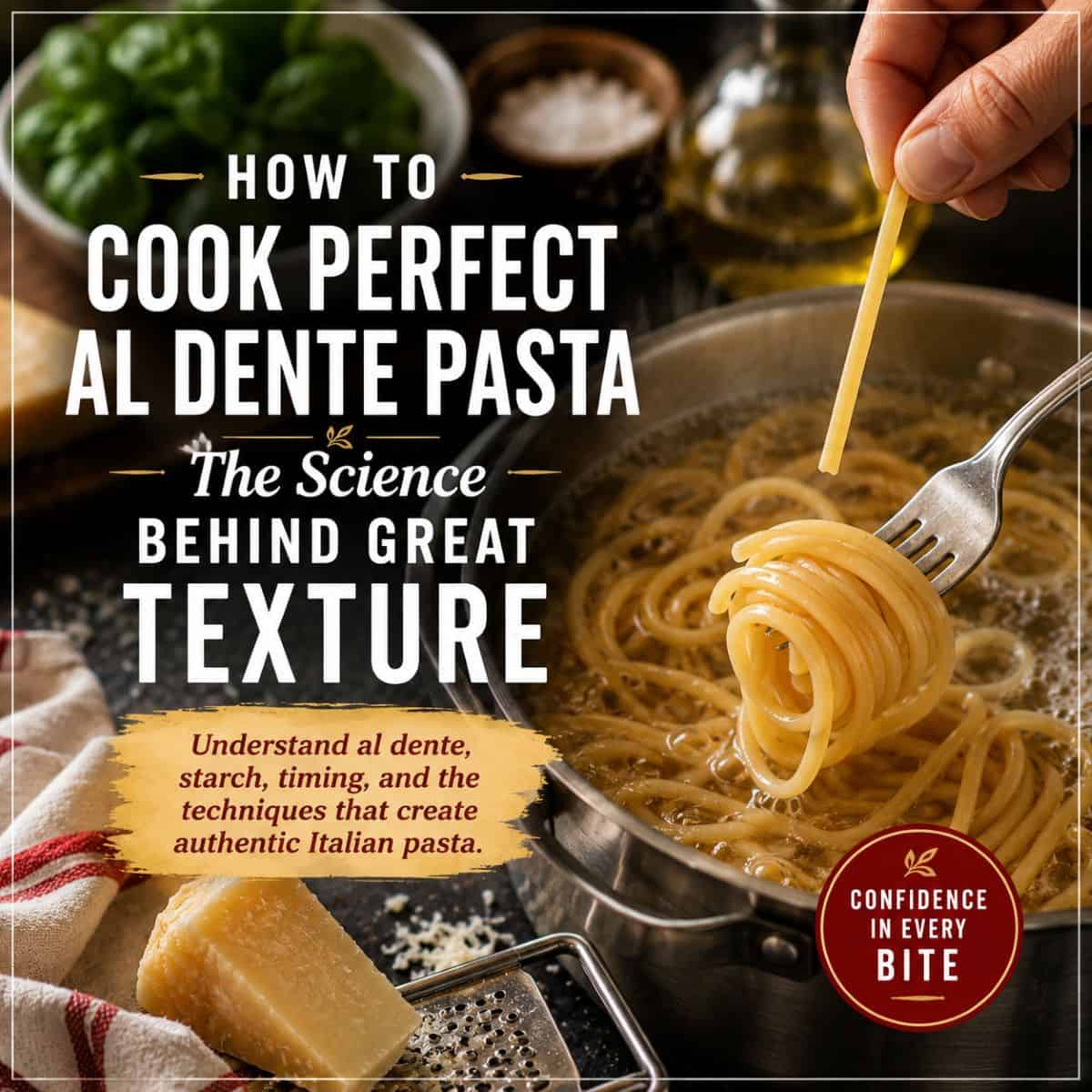
Texture defines Italian pasta. Al dente is not undercooked. It is intentional.
Understanding The Science of Perfect Pasta Texture explains how starch structure affects mouthfeel and sauce adhesion.
Texture influences balance just as much as seasoning.
Building Flavor with Soffritto
Soffritto forms the aromatic base of many Italian dishes. Slowly cooking onion, carrot, and celery creates foundational sweetness.
Dive deeper into this in Soffritto & Building Flavor the Italian Way.
Because this base develops gradually, patience becomes part of the technique.
Layering Flavor in Sauces and Soups
Italian sauces build gradually rather than relying on heavy spice blends.
Learn how layering works in How to Build Layers of Flavor in Soups & Sauces.
This approach allows each ingredient to contribute without overwhelming the dish.
Dough Handling and Structure
Italian cuisine depends heavily on dough. Whether pasta, pizza, or bread, technique shapes outcome.
Explore foundational dough skills:
Homemade Pasta Dough Anyone Can Master
How to Knead Dough Like an Italian Artisan
How to Stretch Pizza Dough Without Tearing
The Importance of Resting Dough
Dough rewards patience and proper hydration. Rushing leads to resistance and tearing.
Mastering Risotto
Risotto requires control, not guesswork.
Understanding toasting, gradual liquid addition, and finishing technique matters. Study this inside The Art of Risotto: Creamy, Not Mushy and Toasting Rice for Risotto: Why It Matters.
When executed properly, risotto feels creamy without added cream.
Cooking with Wine
Wine enhances sauces when used correctly. However, it must be reduced properly to avoid harsh acidity.
Learn timing and balance inside How to Cook with Wine Like a Pro.
Managing Heat and Finishing
Heat control determines texture.
For example:
Pan-frying vs oven finishing changes moisture retention in meatballs. Learn the difference inside Pan-Frying vs Oven-Finishing Meatballs.
Likewise, achieving a proper crust without dryness requires control. See How to Achieve That Golden Parmesan Crust.
Technique and Ingredient Quality Work Together
Technique cannot compensate for poor ingredients. However, strong technique elevates good ingredients.
To understand ingredient selection more deeply, explore Italian Ingredients.
Technique and ingredient quality operate together.
Common Mistakes in Italian Cooking Techniques
Even experienced home cooks make technical errors.
- Overcooking pasta
- Overheating cheese
- Under-seasoning water
- Rushing dough fermentation
- Adding too many ingredients
In many cases, restraint solves the problem.
For broader philosophical context, revisit Italian Cooking Foundations.
Frequently Asked Questions About Italian Cooking Techniques
The most important techniques include proper salting, finishing pasta in sauce, managing heat, building soffritto, and handling dough correctly.
Finishing pasta in the sauce allows starch and fat to emulsify naturally. As a result, sauce clings properly and flavor becomes unified.
Yes. Al dente texture improves structure and prevents pasta from becoming heavy or soft. It also enhances sauce integration.
Continue Building Your Skills
Now that you understand Italian cooking techniques, deepen your knowledge further:
Strengthen philosophy in Italian Cooking Foundations
Explore product knowledge in Italian Ingredients
Discover cultural depth in Italian Food Culture
Practice with hands-on dishes in Italian Recipes
Technique builds confidence. When skills are steady, creativity follows.
Authentic Italian food is not about complexity. It is about control.
Key Takeaways
- Italian cooking techniques transform simple ingredients into flavorful dishes through precision and skill.
- Key techniques include proper salting, finishing pasta in sauce, controlling heat, and mastering dough handling.
- Understanding these italian cooking techniques enhances the quality of good ingredients while avoiding common mistakes.
- Confidence in the kitchen builds from mastering foundational techniques, paving the way for creativity.
- Combine technique with ingredient knowledge for authentic Italian cuisine, focusing on simplicity over complexity.