

Italian Ingredients
Understanding the Products Behind Authentic Flavor
Italian ingredients define the character of every dish. While technique shapes execution and foundations shape philosophy, ingredients determine flavor.


Authentic Italian cuisine depends on quality products. Each one must be chosen with care. When you understand Italian ingredients, cooking feels clearer. Simple recipes become balanced and expressive.
This guide explores the essential ingredients that form the backbone of traditional Italian cooking. Think of it as your companion to Italian Cooking Foundations and Italian Cooking Techniques.
Why Ingredients Matter in Italian Cooking
Not all ingredients perform the same. Even small differences affect the final result.
For example, olive oil can taste grassy, peppery, mild, or flat. A high-quality extra virgin olive oil adds structure and brightness. A low-quality oil feels greasy and dull.
Tomatoes also vary widely. Some are sweet. Others are sharp. The wrong tomato can make a sauce taste thin. The right tomato creates depth without extra sugar.
Cheese behaves differently depending on age and origin. Fresh mozzarella melts softly. Aged Parmigiano Reggiano adds salt and umami. Because of this, choosing the right cheese changes texture and balance.
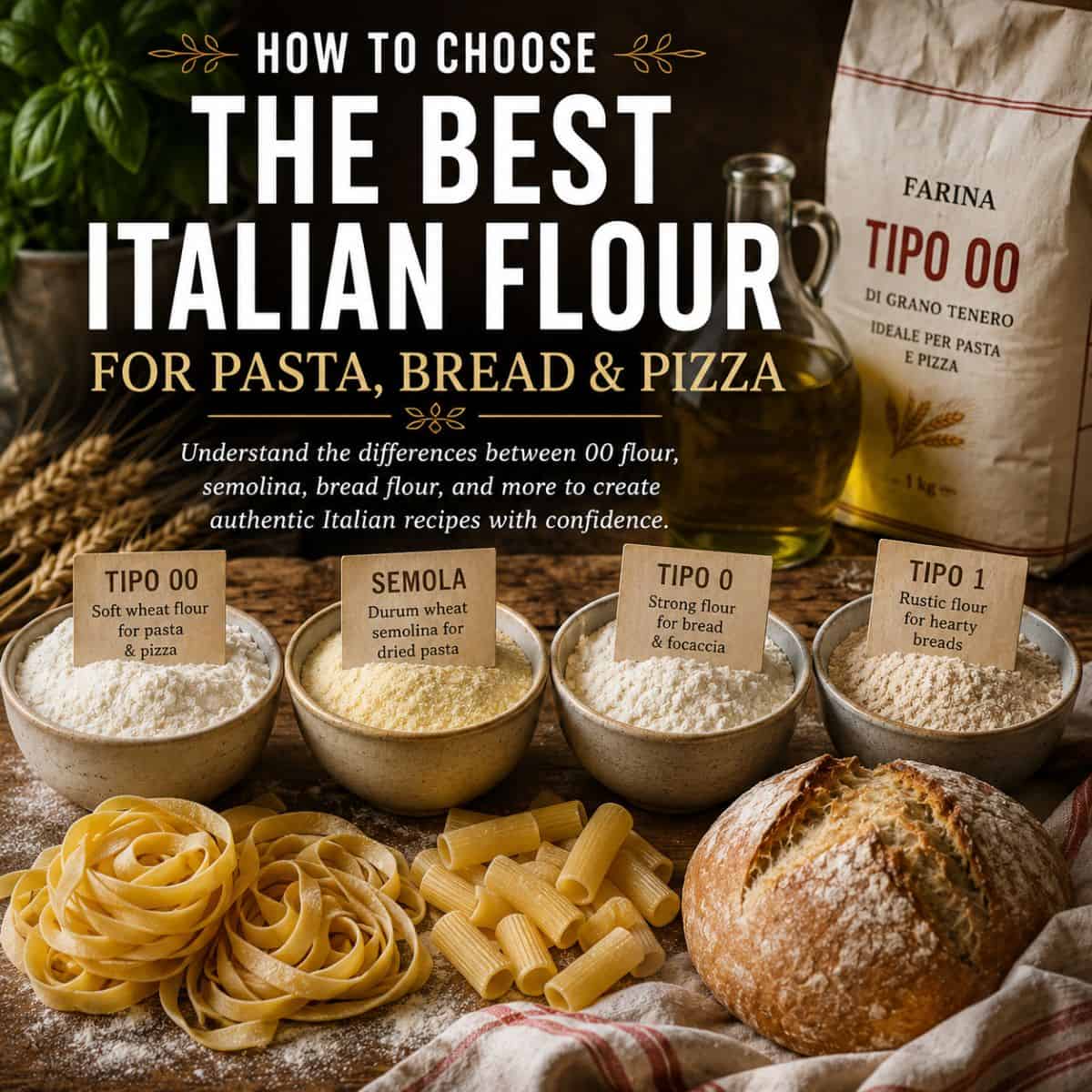
Flour strength also matters. Strong flour creates chew. Softer flour creates tenderness. Therefore, selecting the correct type improves pasta and bread dramatically.
In Italian cooking, ingredients are not background players. They are the structure of the dish. When quality improves, technique becomes easier. Flavor becomes clearer. Balance feels natural.
This is why understanding Italian ingredients is essential. You are not just buying food. You are shaping the outcome before cooking even begins.
The Core Categories of Italian Ingredients
Understanding Italian ingredients begins with recognizing their roles.
Olive Oil: The Structural Fat
Extra virgin olive oil forms the base of countless dishes. It adds fruitiness, softness, and balance.
However, not all olive oil is equal. Learn the difference in Olive Oil: Cold-Pressed vs Extra Virgin — What Matters.
Quality oil should taste grassy or peppery, not flat or greasy.
Tomatoes: The Foundation of Sauce
Tomatoes define many Italian recipes. Their sweetness and acidity create balance.
Understanding regional varieties matters. Explore San Marzano Tomatoes: Real or Impostor and Why Italian Tomatoes Taste Different.
Proper tomato selection influences texture and flavor depth.
Cheese: Structure and Salt
Cheese provides umami, salinity, and body.
Different cheeses serve different purposes. For a complete regional breakdown, read The Cheeses of Italy: Region by Region.
If you are comparing options, explore:
Pecorino Romano vs Parmesan
Real Parmigiano Reggiano vs Grana Padano
Using the correct cheese prevents imbalance.
Flour: Texture and Strength
Flour determines structure in pasta and bread.
Italian flour types vary by protein content and grind. Learn how to choose correctly in Choosing the Right Flour for Italian Pasta & Bread.
Flour affects elasticity, chew, and hydration.
Pantry Staples: Depth Builders
Capers, anchovies, balsamic vinegar, and dried herbs provide depth.
Explore:
Capers & Anchovies in Italian Cooking
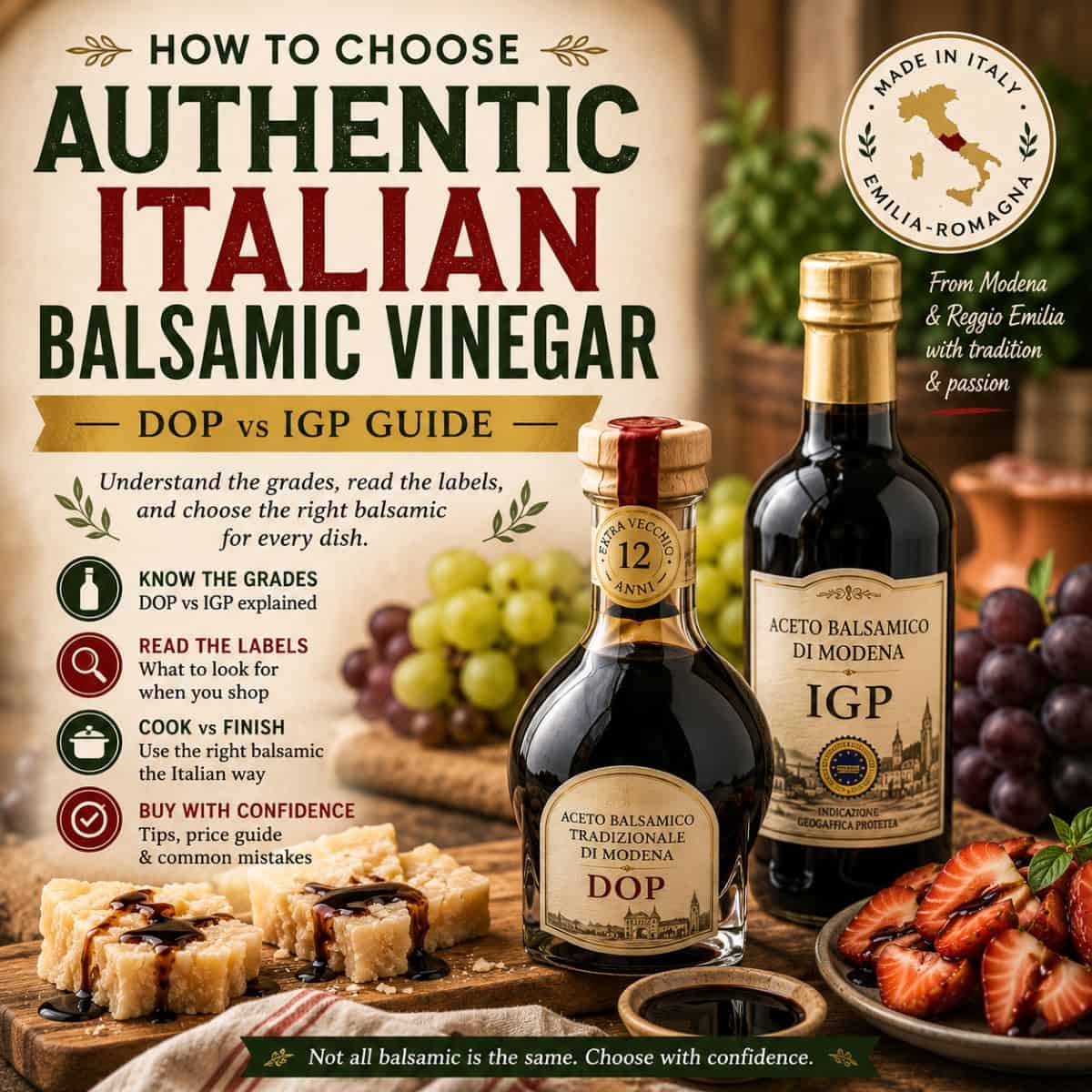
Italian Balsamic Vinegar Grades Explained
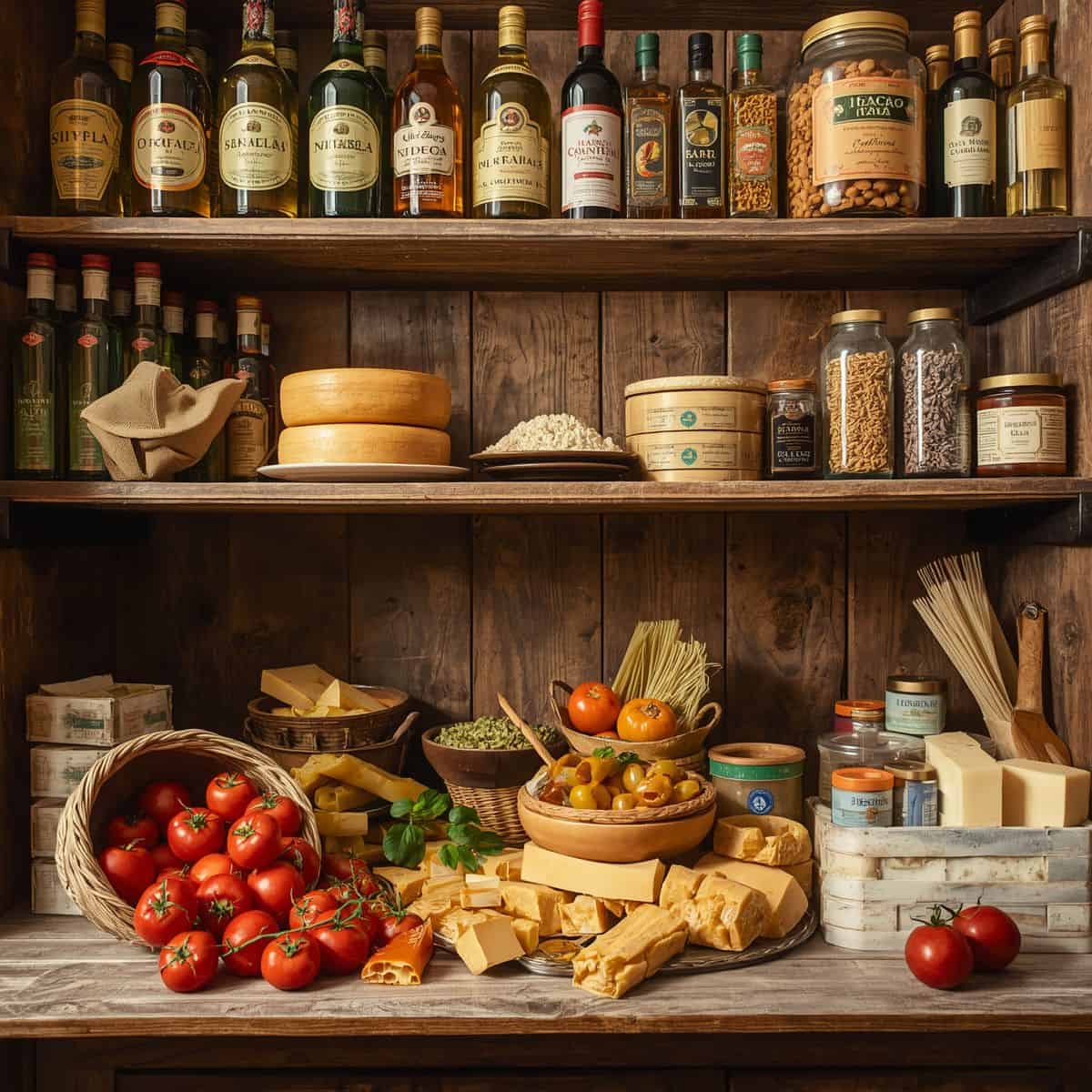
Italian Pantry Guide: What Every Kitchen Needs
These ingredients amplify flavor without overwhelming dishes.
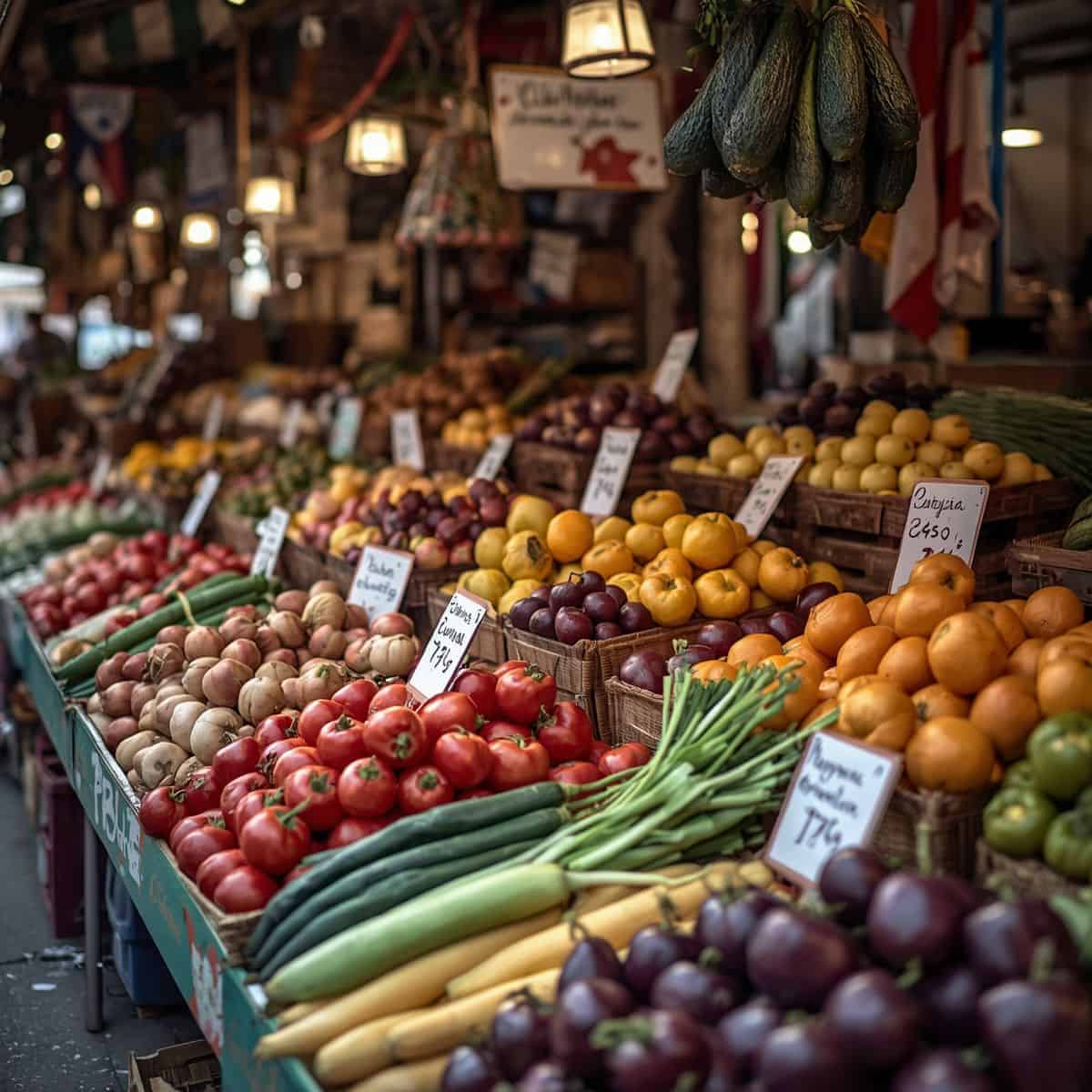
Seasonal Produce: Freshness and Balance
Italian cooking follows the seasons closely.
Markets dictate menus. Summer favors zucchini and tomatoes. Winter favors greens and legumes.
Explore Eating with the Seasons: Italian Ingredients by Month to understand how seasonality shapes flavor.
Seasonal cooking strengthens authenticity.
Understanding Regional Ingredient Identity
Italy’s regions influence ingredient use.
Northern regions rely more on butter and aged cheeses. Southern regions lean toward olive oil, tomatoes, and seafood.
To explore this further, see Northern vs Southern Italian Cuisine.
Ingredient choice reflects geography.
Reading Labels and Certifications
Authentic Italian ingredients often carry certifications such as DOP or IGP.
These labels protect origin and production standards. Because of this, reading packaging carefully matters.
Understanding labeling ensures product integrity and avoids imitation goods.
Common Mistakes When Choosing Italian Ingredients
Many home cooks assume all versions of an ingredient perform the same. However, this is rarely true.
Common errors include:
Choosing generic Parmesan instead of Parmigiano Reggiano
Using low-quality olive oil for finishing
Ignoring tomato origin
Overusing dried herbs instead of fresh
In many cases, better ingredient selection solves flavor problems.
For structural context, revisit Italian Cooking Foundations.
Simple Rules for Choosing Italian Ingredients
Choosing better ingredients does not need to feel complicated.
Start with freshness. If it smells dull, skip it.
Next, check origin. Italian products often list region and certification.
Then taste whenever possible. Good olive oil should feel alive. Good cheese should smell clean and rich.
Finally, buy less but buy better. One strong ingredient improves the whole dish.
Small upgrades create noticeable change.
Frequently Asked Questions About Italian Ingredients
The most essential Italian ingredients include olive oil, tomatoes, cheese, flour, fresh herbs, and seasonal produce.
Origin affects flavor, texture, and quality. Certified regional products preserve authenticity and consistency.
Not always. However, quality and freshness matter more than price alone. Understanding production method is key.
Continue Exploring Italian Cuisine
Now that you understand Italian ingredients, expand your knowledge:
Strengthen philosophy in Italian Cooking Foundations
Master execution in Italian Cooking Techniques
Discover culture in Italian Lifestyle & Regions
Cook confidently with Italian Recipes
Ingredients form the backbone of Italian cuisine. When product knowledge improves, every dish becomes stronger.
Authentic flavor begins before cooking even starts.
Key Takeaways
- Italian ingredients define the character of each dish, shaping flavor and authenticity.
- Quality Italian ingredients like olive oil, tomatoes, and cheese are essential for traditional cooking.
- Understanding ingredient origin and selection directly affects the outcome of dishes in Italian cuisine.
- Authentic products often carry certifications like DOP or IGP to ensure quality and origin.
- Common mistakes include misunderstanding ingredient types and neglecting regional characteristics, which can impact flavor.