
Italian Cooking Foundations
The Heart of Traditional Italian Cuisine
Italian cooking foundations shape everything from simple pasta dinners to elaborate celebrations. These foundations explain why Italian food feels balanced and distinct. At its core, Italian cuisine follows a clear philosophy. It values structure, seasonality, and respect for ingredients.

When you understand the foundations of Italian cooking, recipes feel less complicated. Instead, they begin to feel natural. You stop memorizing steps and start recognizing patterns.
Many people begin with recipes. However, real confidence comes from understanding traditional Italian cooking principles. Once those principles are clear, every dish becomes easier to approach.
This guide introduces the core ideas behind Italian cooking philosophy. Think of it as your anchor before diving into Italian Cooking Techniques or exploring Italian Food Culture.
What Defines Traditional Italian Cooking
Traditional Italian cooking values restraint over excess. Rather than relying on long ingredient lists, it highlights a few components that work in harmony.
Ingredient Quality Comes First
High-quality olive oil, ripe seasonal produce, and fresh herbs create natural depth. When ingredients are strong, minimal intervention produces the best results.
For example, a simple Caprese Salad succeeds because nothing distracts from tomato, mozzarella, and basil.
Understanding ingredient integrity also begins with knowing how to shop. Explore Eating with the Seasons: Italian Ingredients by Month to see how seasonality shapes menus.
Seasonality Guides the Menu
Markets dictate meals. Summer welcomes tomatoes and zucchini. Winter favors legumes and slow-simmered sauces.
Seasonality is not a trend. It is structural. You can deepen this understanding inside Italian Ingredients where ingredient selection is explored in greater detail.
Technique Supports Simplicity
Proper pasta texture, correct seasoning, and finishing sauce in the pan elevate even basic dishes.
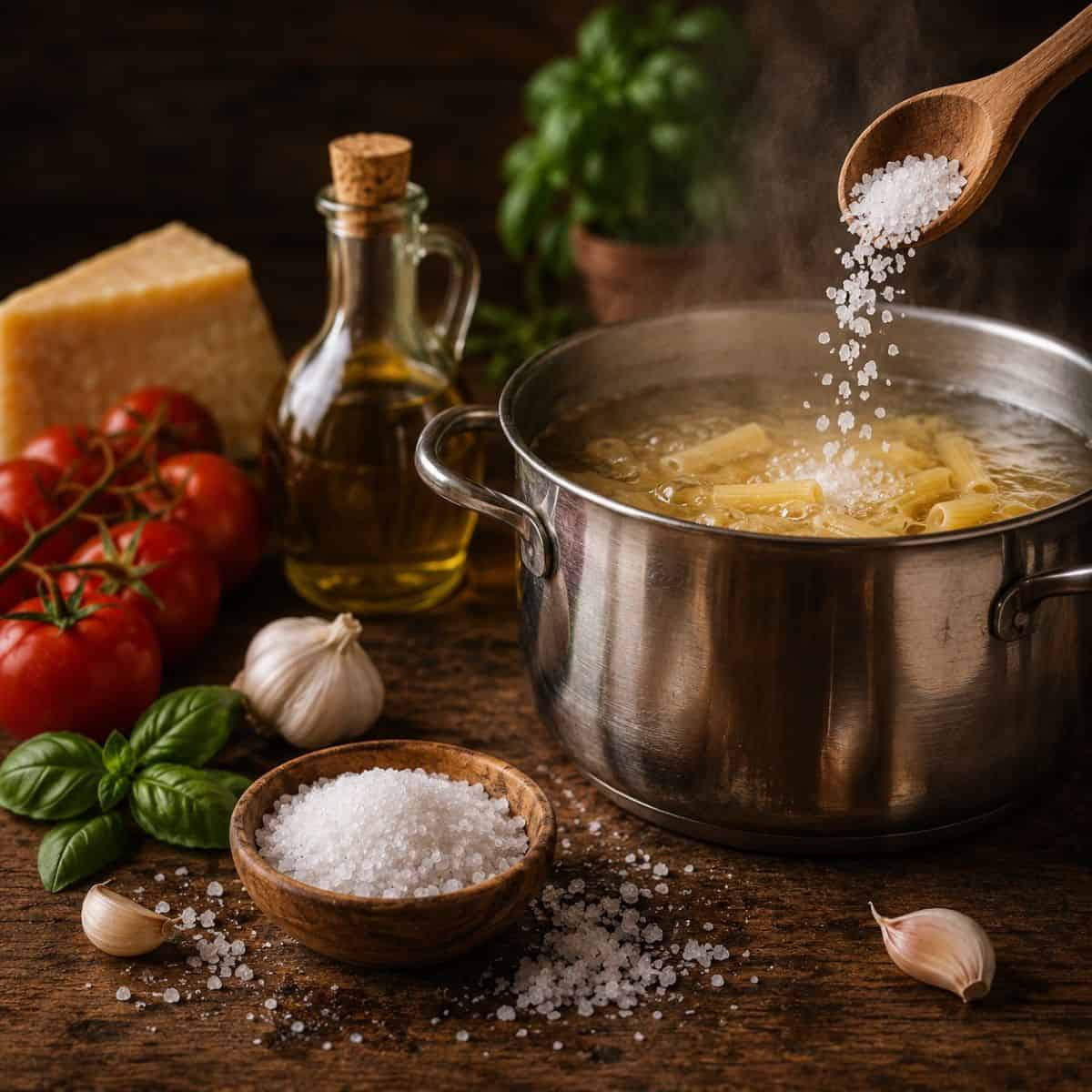
Mastering The Right Way to Salt Pasta Water transforms flavor without adding complexity.
Likewise, understanding emulsification is essential. See The Best Way to Finish Pasta in the Sauce for deeper technical clarity.
The goal is clarity. When each element has purpose, the dish feels balanced.
The Structure of an Italian Meal
One of the most important foundations of Italian cooking is meal structure.
In Italy, meals follow a thoughtful rhythm:
- Aperitivo
- Antipasto
- Primo
- Secondo
- Contorno
- Dolce
Each course serves a specific role. Together, they create pacing and intention at the table.
For a full breakdown of this rhythm, explore Traditional Italian Meal Structure.
Understanding this flow changes how you cook and serve at home.
The Core Principles Behind Italian Cooking
Italian cuisine rests on a few essential ideas.
Respect the Ingredient
First, choose fewer ingredients. Then choose them carefully. Quality matters more than quantity. When ingredients are strong, the dish does not need complexity.
Cook with the Seasons
Next, cook with what the season provides. Summer brings tomatoes and basil. Winter brings greens and slow-simmered sauces. As a result, flavor feels natural and complete.
Master Texture
Proper texture changes everything. Pasta should be al dente. The slight bite improves structure and helps sauce cling properly. Because of this, even simple dishes feel intentional.
Balance Salt and Fat
Salt enhances flavor. Olive oil softens acidity. Cheese adds structure. When these elements work together, the dish feels harmonious.
Build Flavor Gradually
Finally, allow time for development. Slow simmering builds depth without adding extra ingredients. Instead of adding more, cook better.
When these principles guide you, cooking feels steady and controlled.
Seasonality and Simplicity
Italian cuisine follows the seasons closely. Markets dictate menus.
Summer dishes often feature fresh tomatoes, zucchini, basil, and soft cheeses. Winter dishes rely on legumes, root vegetables, braised meats, and rich broths.
This approach ensures natural flavor intensity. It also keeps meals aligned with tradition.
Consider how a comforting bowl of Lasagna Soup feels different in winter than a light salad in July. Both follow Italian cooking foundations, but they respond to the season.
Simplicity also remains essential. A recipe should not hide ingredients under heavy sauces or unnecessary additions. When ingredients are strong, minimal intervention creates the best results.
Why Italian Food Feels Different
Many people wonder why food tastes different in Italy. The answer often lies in philosophy rather than complexity.
Italian cooking emphasizes:
- Intentional seasoning
- Balanced acidity
- Controlled texture
- Ingredient quality
- Meal pacing
Food is not rushed. Instead, it unfolds gradually.
Meals also center around community. For cultural depth, explore Italian Family Dining: Meals That Bring People Together and How Italians Approach Eating: The Joy of Slow Food.
When you adopt this mindset, even simple dinners feel purposeful.
Why Foundations Matter for Modern Home Cooks
Modern cooking often encourages shortcuts and overcomplication. However, Italian cooking foundations simplify decision-making.
When you understand structure, you plan meals more easily. When you understand balance, you season with confidence. And, when you respect ingredients, you shop with intention.
These foundations also reduce stress in the kitchen. You rely less on strict instructions and more on instinct.
For home cooks, this shift changes everything. Cooking becomes less about perfection and more about rhythm and awareness.
From My Kitchen
There was a moment when my cooking changed.
I stopped chasing complicated recipes. Instead, I started focusing on foundations. I began asking a different question. Not “What’s next?” but “Why does this work?”
One evening, I made a simple pasta with tomatoes, garlic, and olive oil. It was not elaborate. However, the balance felt right. The sauce clung to the pasta. The acidity softened with just enough olive oil. The salt brought everything forward.
Nothing extra was needed.
That shift came from understanding Italian cooking foundations. Once I trusted seasonality and balance, confidence followed. I relied less on rigid instructions and more on awareness.
Cooking became calmer. It became intentional.
Whether you grew up around Italian food or are discovering it now, I want you to feel that same shift. My goal is not only to share recipes. It is to help you understand how Italian food works.
When the foundation is strong, every dish begins to make sense.
Continue Your Italian Cooking Journey
Now that you understand Italian cooking foundations, you can explore further:
- Discover essential components in Italian Ingredients
- Master technique in Italian Cooking Techniques
- Explore culture in Italian Food Culture
- Begin cooking with our collection of Italian Recipes
Every great dish begins with understanding. Once the foundation is strong, technique and creativity follow naturally.
Frequently Asked Questions About Italian Cooking Foundations
Italian cooking foundations include ingredient quality, seasonality, balanced seasoning, proper texture, and structured meal pacing. These principles guide how dishes are prepared and served.
Simplicity allows high-quality ingredients to shine. Instead of masking flavors, Italian cooking philosophy emphasizes clarity and balance.
Traditional Italian meal structure creates pacing and harmony. Each course builds naturally on the last, reinforcing balance and portion control.
Key Takeaways
- Italian cooking foundations emphasize simplicity, quality ingredients, and seasonality, shaping intuitive recipes.
- Mastering these foundations helps cooks understand meal structure and balance flavors naturally.
- Traditional Italian meals follow a rhythm with distinct courses, enhancing dining experience and intention.
- By focusing on fewer ingredients and proper technique, home cooks can reduce stress and improve their confidence in the kitchen.
- Understanding Italian cooking foundations leads to purposeful cooking and a deep appreciation for Italian cuisine.