
recipes ᐧ culture ᐧ tradition
Learn Italian Cooking
Your roadmap to authentic Italian cooking.
Master the foundations, ingredients, technique, and traditions that make Italian food one of the world's most beloved cuisines.
ᐧ Discover ᐧ
New to Italian Cooking?
Start with these essential guides.
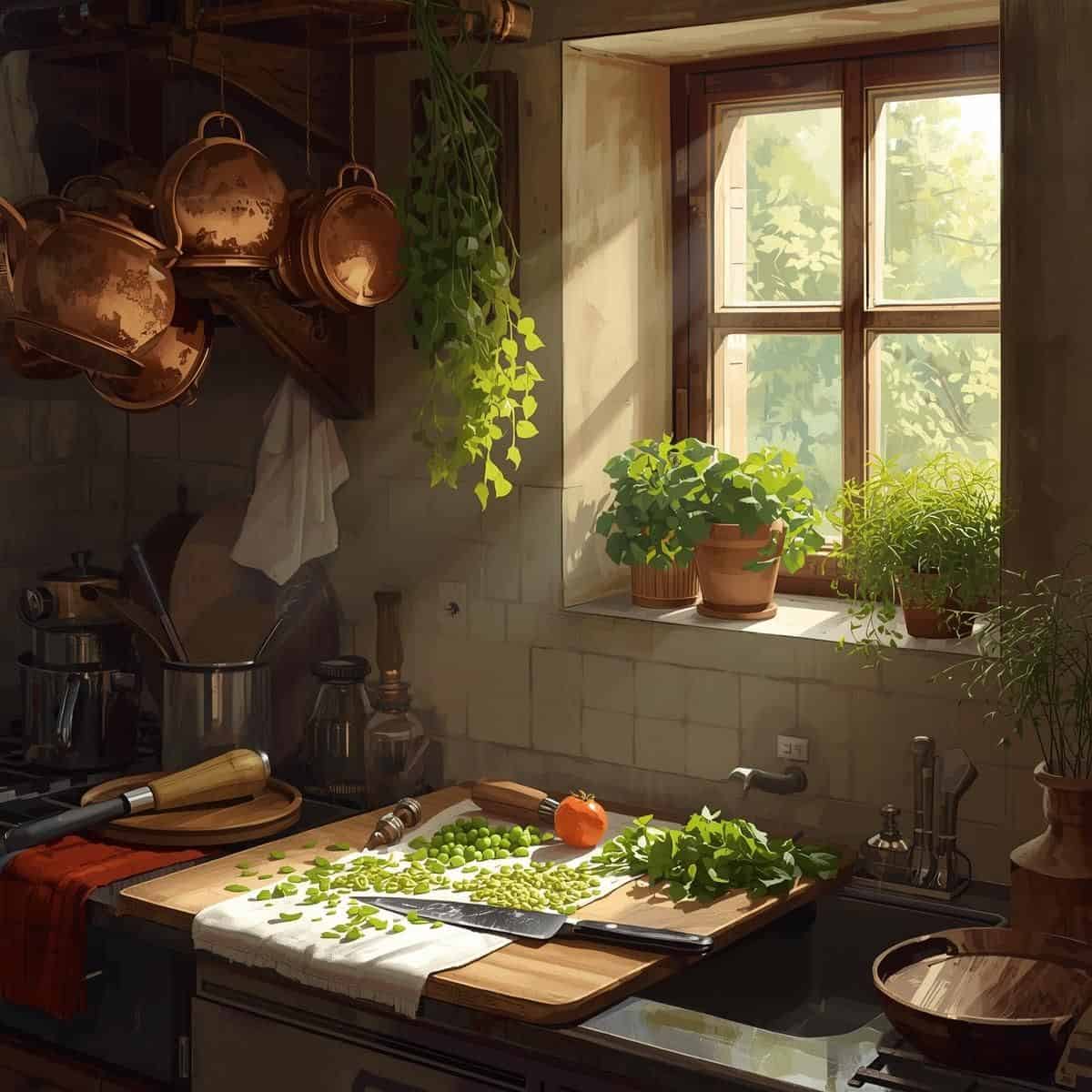
The Italian Way of Cooking
Discover the mindset and principles behind authentic Italian food.

Salt: The Foundation of Italian Flavor
Learn how Italians use salt to build, balance, and bring out flavor.
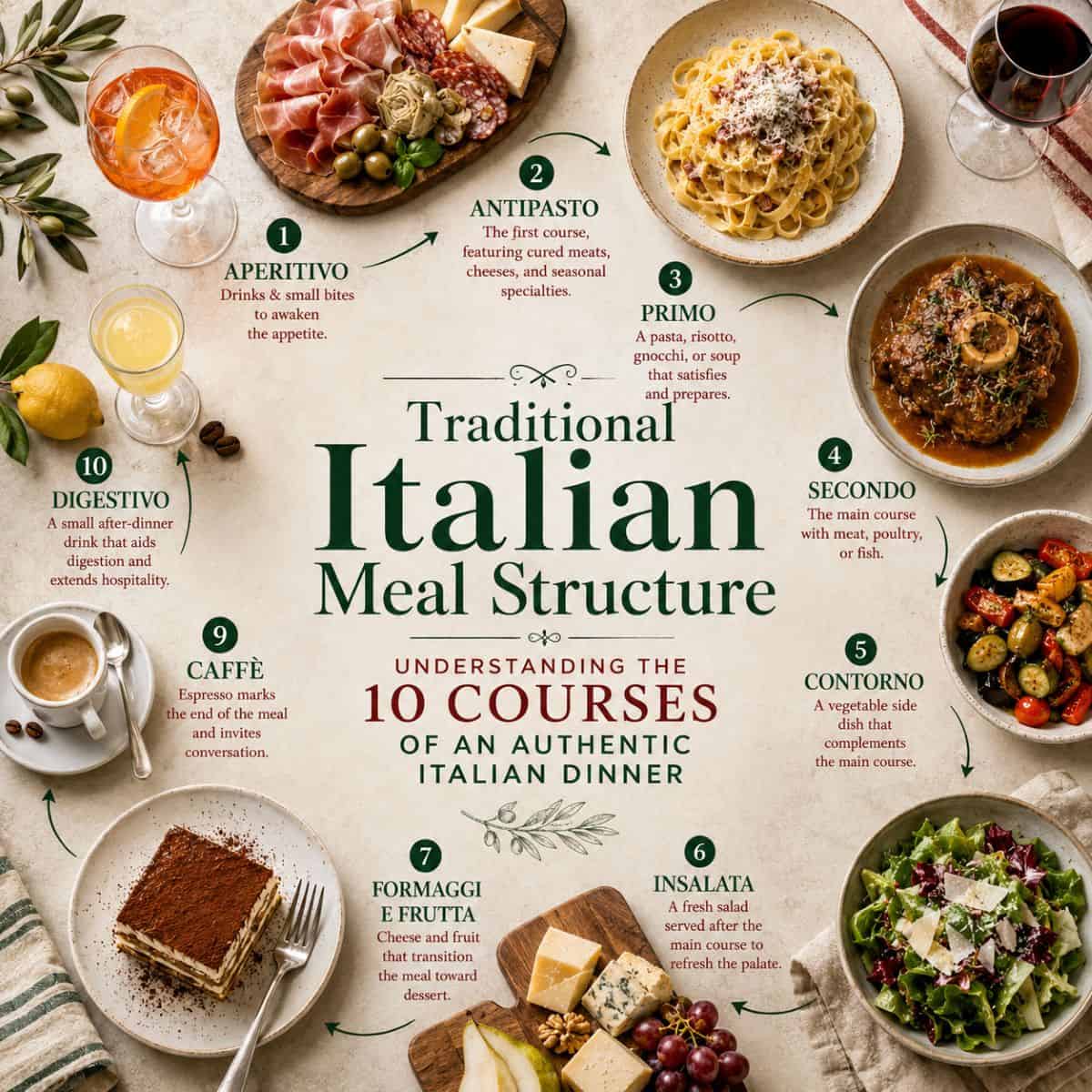
Traditional Italian Meal Structure
Understand how Italian meals are organized from start to finish.
ᐧ Learnᐧ
Your Learning Roadmap

1. Read Foundations
Build your knowledge of Italian Cooking
2. Practice Techniques
Develop essential cooking skills

3. Understand Ingredients
Learn to choose and use ingredients well

4. Explore Culture
Understand traditions and regional culture

5. Start Cooking
Put it all together and make incredible food
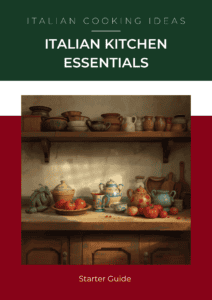
6. Expand Your Kitchen
The tools in your kitchen are just as important as the ingredients on your plate
Master the Four Pillars of Italian Cooking
Explore each pillar to build a strong foundation and become a confident Italian cook.
Italian Cooking Foundations
Learn the essential principles that guide authentic Italian cooking.
- The Italian way of cooking
- Salt: The Foundation
- Slow Cooking vs Fast Cooking
Italian Cooking Techniques
Master the techniques Italian cooks use every day in their kitchen.
- Homemade Pasta Dough
- Browning Butter
- Balancing Salt, Fat & Acid
Italian Ingredients
Understand the ingredients that define Italian cuisine and how to use them.
- Olive Oil Guide
- Italian Herbs
- Seasonal Ingredients
Italian Food Culture
Discover the traditions, regions, and stories behind the food.
- Calabria
- Campania
- The Meaning of Mangia
ᐧ Growᐧ
What You'll Be Able to Do
Learning Italian cooking is about more than memorizing recipes. It is about building the confidence to cook naturally, understand ingredients, and appreciate the traditions behind every dish.
As you work through this learning path, you'll be able to:
✓ Build authentic Italian flavor using simple, quality ingredients
✓ Understand the traditional Italian meal structure from antipasto to dolce
✓ Shop confidently for authentic Italian ingredients
✓ Cook classic recipes with confidence instead of relying on instructions alone
✓ Recognize the regional traditions that make Italian cuisine so diverse
✓ Create complete Italian meals for family and friends
Recommended Next Guides
Handpicked guides to help you grow as an Italian cook.
Your Journey Starts Here
Italian cooking isn't about memorizing recipes.
It's about understanding ingredients, respecting tradition, and cooking with confidence.
Start with the foundations, and every recipe that follows will make more sense.

Join The Italian Kitchen
Every great Italian meal begins with curiosity.
Every week you'll discover authentic recipes, practical techniques, ingredient guides, and the traditions behind Italy's greatest dishes.
✓ Cook authentic Italian recipes with confidence
✓ Master techniques used in Italian kitchens
✓ Learn ingredients that make every dish better
✓ Discover the traditions behind every recipe
Frequently Asked Questions About Learning Italian Cooking
Start by understanding the fundamentals before focusing on individual recipes. Learning Italian cooking techniques, ingredients, and traditions builds confidence that carries into every dish.
Yes. Authentic Italian cooking focuses on simple ingredients, straightforward techniques, and balanced flavors, making it one of the most approachable cuisines for home cooks.
Begin with cooking foundations, then practice essential techniques, understand key ingredients, and finally explore regional traditions before tackling more advanced recipes.
A well-stocked Italian pantry includes extra virgin olive oil, dried pasta, canned San Marzano tomatoes, Parmigiano Reggiano, Pecorino Romano, garlic, basil, oregano, and quality sea salt.
No. Most authentic Italian recipes can be prepared using basic kitchen equipment such as a chef's knife, cutting board, large pot, sauté pan, mixing bowls, and a colander.
Learning never truly ends, but most home cooks build a strong foundation after working through the core techniques, ingredients, and classic recipes found throughout this guide.
Italian cooking emphasizes seasonal ingredients, simplicity, regional traditions, and allowing quality ingredients to speak for themselves rather than relying on complicated techniques.