
Few desserts capture Italian elegance quite like panna cotta. This classic Italian panna cotta recipe comes from the Piedmont region, where simple ingredients are transformed into something silky, delicate, and unforgettable. Cream, sugar, and vanilla come together with gentle precision to create a dessert that feels both luxurious and effortless.
Panna cotta teaches one of the most important lessons in Italian cooking: simplicity magnifies technique. With only a handful of ingredients, there is nowhere to hide mistakes. The quality of the cream, the balance of sweetness, and the final texture are immediately noticeable.
What makes authentic panna cotta so special is its texture. It should never feel stiff or heavy. Instead, it should tremble slightly when moved, glide smoothly across the spoon, and melt cleanly on the palate. It is subtle, refined, and built on restraint.
In many Italian restaurants, panna cotta is prepared early in the morning and left to chill quietly throughout the day. By evening service, it has developed the silky texture diners expect from this beloved dessert.
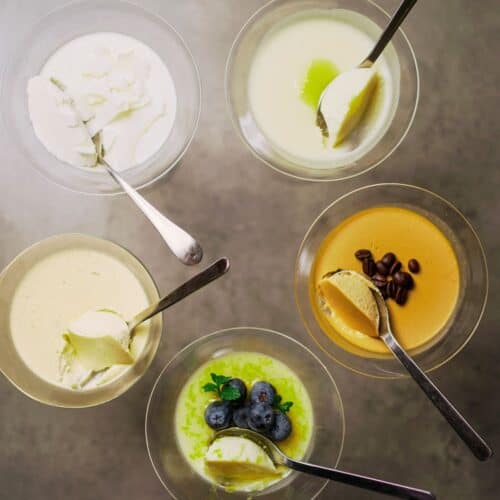
This version stays true to tradition while giving you five variations that allow you to explore different flavors without losing the essence of the dish. Whether you prefer vanilla, espresso, citrus, honey, or coconut, this panna cotta remains unmistakably Italian.
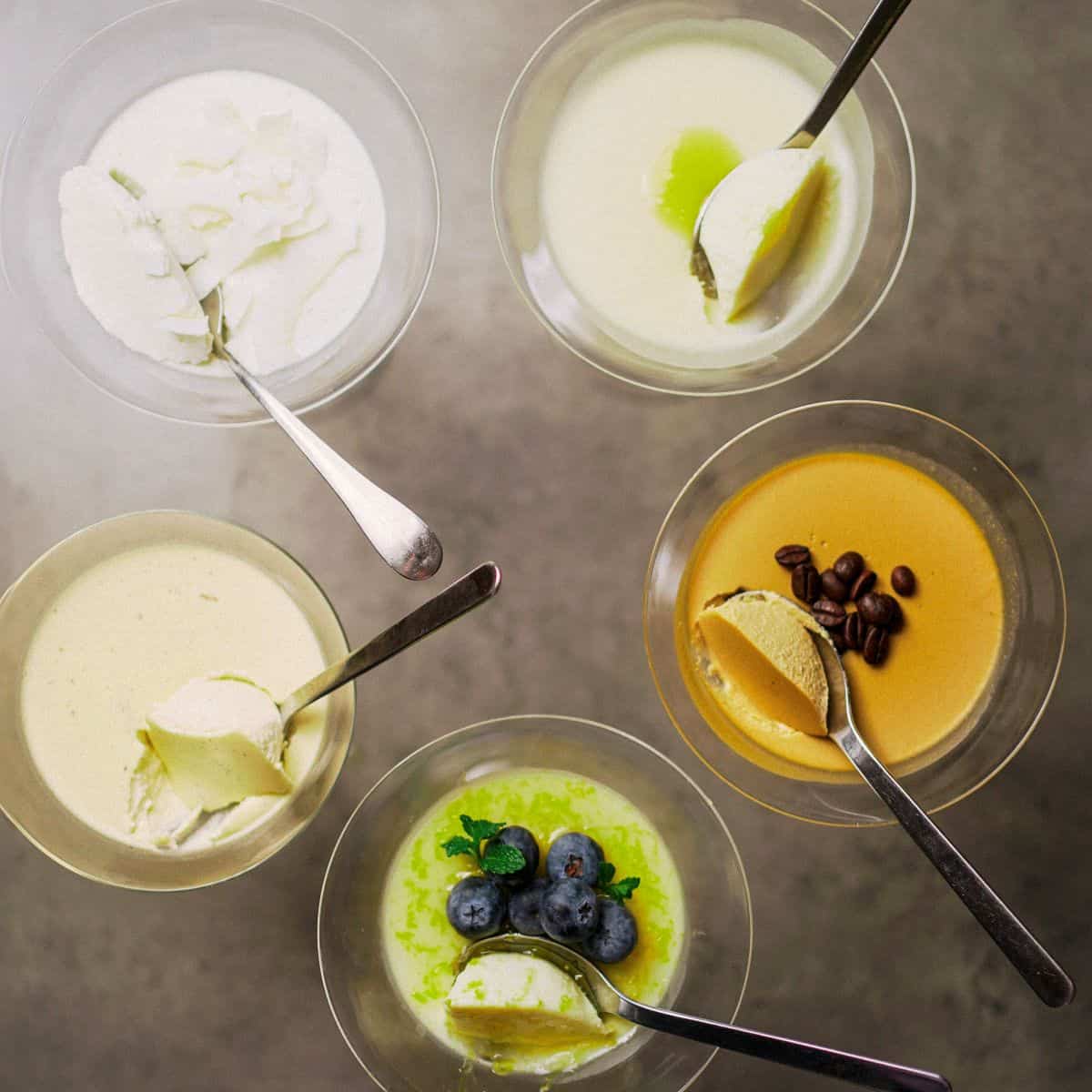
Panna cotta is a classic Italian dessert made from sweetened cream set with gelatin. It is known for its silky texture, delicate flavor, and gentle wobble when properly prepared.
Jump to:
- Fast Facts
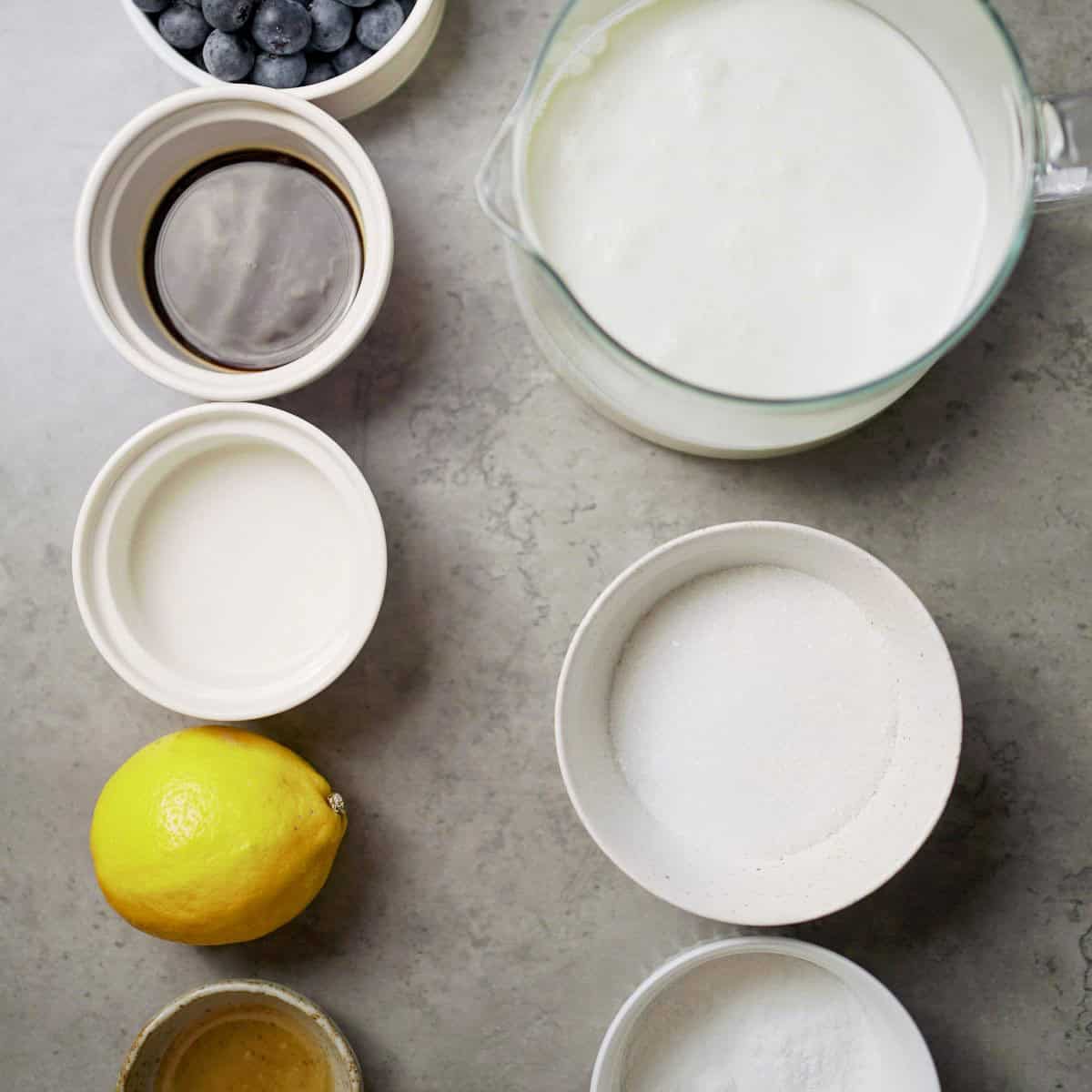
- Ingredients for the Panna Cotta Base
- Equipment
- Get Your Free Starter Guide
- How Classic Italian Panna Cotta Comes Together the Italian Way
- Step-by-Step Instructions for your Panna Cotta
- Watch: How to Make This Panna Cotta Step by Step
- Why You'll Love This Panna Cotta Recipe
- Notes & Authentic Tips For Your Italian Dish
- Cultural & Historical Significance of Panna Cotta
- Traditional Italian Meal Structure
- Pairing Suggestions for Your Panna Cotta Recipe
- 5 Panna Cotta Variations
- Frequently Asked Questions (FAQ)
- Nutritional Facts (per serving)
- Follow Us and Join the Italian Cooking Ideas Kitchen!
- Key Takeaways
Fast Facts
- Prep Time: 10 minutes
- Chill Time: 4 hours
- Total Time: 4 hours 10 minutes
- Servings: 4–6
- Difficulty: Beginner
- Course: Dolce
- Cuisine: Northern Italian
Ingredients for the Panna Cotta Base
Heavy Cream
- 2 cups (500 ml) heavy cream
- Heavy cream provides the rich, silky texture that defines traditional Italian panna cotta.
Sugar
- ⅓ cup (80 g) sugar
- Just enough sweetness to support the cream without overwhelming it.
Vanilla
- 1 vanilla bean or 1 teaspoon vanilla extract
- A vanilla bean creates deeper flavor and beautiful specks throughout the finished dessert.
Gelatin
- 2 teaspoons powdered gelatin
- The key to achieving the delicate wobble that authentic panna cotta is known for.
Water
- 3 tablespoons cold water
- Used to bloom the gelatin before incorporating it into the cream mixture.
Equipment
Italian cooking has never been about fancy gadgets. It's about using the right tools, in the right way, to let simple ingredients shine.
Below are the essential pieces of equipment used in this Italian recipe. Chances are, you already have most of them in your kitchen.
Common tools you may already have:
- Small saucepan
- Mixing bowl
- Whisk
- Fine mesh strainer
- 4–6 ramekins or serving glasses
Optional tools to enhance your Italian dish:
- Paring knife for splitting vanilla bean
- Offset spatula for clean unmolding
Panna cotta is proof that great desserts do not require complicated equipment. Having your tools prepared before you begin allows you to focus on temperature, texture, and timing.
If you're curious about which tools Italians actually rely on day to day, I've put together a simple starter guide to help you build a kitchen that works for you, not against you, the Italian way.
Get Your Free Starter Guide
The tools in your kitchen are just as essential as the ingredients on your plate.
How Classic Italian Panna Cotta Comes Together the Italian Way
Panna cotta is built on control and patience. The cream is gently warmed, never rushed, allowing the sugar to dissolve fully without scalding.
As the cream warms, look for wisps of steam rising from the surface. The mixture should smell fragrant and sweet but never bubble around the edges. If it begins simmering, the heat is too high.
Gelatin is introduced carefully, softened first in cold water so it melts seamlessly into the warm cream. This step is where texture is defined. Too little gelatin and the dessert will not set. Too much and it loses its elegance.
Once the gelatin is incorporated, the mixture should appear perfectly smooth with no visible granules. This is the sign that it will set evenly.
Once poured, time does the rest. As the panna cotta chills, it slowly transforms from liquid to delicate dessert. Properly made panna cotta should tremble gently when the ramekin is nudged. This signature wobble is what Italian pastry chefs look for.
The result is a dessert that feels light despite its richness, simple yet refined.
Step-by-Step Instructions for your Panna Cotta
1. Bloom the Gelatin
- In a small bowl, sprinkle 2 teaspoons powdered gelatin over 3 tablespoons cold water.
- Let sit for 5 minutes until fully absorbed and thickened.
2. Heat the Cream
- In a saucepan over medium-low heat, combine 2 cups heavy cream and ⅓ cup sugar.
- Add 1 vanilla bean (split and scraped) or 1 teaspoon vanilla extract.
- Heat gently, stirring frequently, until the sugar dissolves and wisps of steam begin rising from the surface.
- The mixture should smell fragrant and sweet but never boil.
3. Add the Gelatin
- Remove the saucepan from heat.
- Stir the bloomed gelatin mixture into the warm cream until completely dissolved.
- The mixture should appear smooth and uniform with no visible gelatin granules.
- If using a vanilla bean, strain the mixture through a fine mesh strainer.
4. Pour and Chill
- Lightly oil 4–6 ramekins or serving glasses.
- Pour the panna cotta mixture evenly among the molds.
- Refrigerate for at least 4 hours until fully set but still slightly jiggly in the center.
5. Serve
- To unmold, briefly dip the bottom of each ramekin into warm water and gently loosen the edges.
- Invert onto a serving plate or serve directly in the glass.
- Top with berries, fruit sauce, caramel, or your favorite garnish.
Watch: How to Make This Panna Cotta Step by Step
Prefer to watch this recipe in action?
This step-by-step video walks you through the key moments, so you can cook with confidence.
Subscribe to Italian Cooking Ideas on YouTube for more authentic Italian recipes, techniques, and kitchen tips.
Why You'll Love This Panna Cotta Recipe
This classic Italian panna cotta recipe proves that elegance doesn't require complexity. With just a handful of ingredients, you'll create a silky dessert that feels restaurant-worthy while remaining approachable for beginner cooks. It's perfect for making ahead, easy to customize with different flavors, and versatile enough for everything from weeknight dinners to holiday celebrations. Most importantly, it teaches one of the core lessons of Italian cooking: simple ingredients handled with care often produce the most memorable results.
Notes & Authentic Tips For Your Italian Dish
One of the defining principles of Italian desserts is balance. Panna cotta should taste primarily of cream, not sugar. The sweetness should support the dairy rather than dominate it.
Never allow the cream to boil, as excessive heat can affect the final texture.
Gelatin must fully dissolve before pouring the mixture into molds. Any undissolved gelatin may create an uneven set.
If your panna cotta feels firm like gelatin dessert rather than softly trembling, too much gelatin was used. Authentic panna cotta should wobble gently when shaken.
For clean presentation and photographs, dip a knife into hot water before making cuts or adjustments.
Cultural & Historical Significance of Panna Cotta
Panna cotta originates from the dairy-rich Piedmont region of northern Italy, where cream and milk have long played an important role in local cooking traditions.
While historians debate the exact origins of the dessert, its popularity spread because it perfectly reflects one of Italy's most cherished culinary philosophies: extraordinary food does not require many ingredients.
Panna cotta has endured for generations because it demonstrates how technique can transform everyday ingredients into something memorable. Its continued presence in both family kitchens and fine dining restaurants is a testament to that philosophy.
Today, traditional Italian panna cotta remains one of the country's most recognizable desserts and a symbol of Italian elegance through simplicity.
Traditional Italian Meal Structure
Did you know that every recipe you enjoy is part of a bigger story?
Panna cotta is served as Dolce, the dessert course in a traditional Italian meal.
Following antipasto, primo, and secondo, a light dessert like panna cotta provides a refreshing and satisfying finish without overwhelming the palate.
Understanding where this dessert fits within the Italian meal structure helps create a more authentic Italian dining experience.
Explore our complete guide to the Traditional Italian Meal Structure and discover how Italian meals are built from start to finish.
Pairing Suggestions for Your Panna Cotta Recipe
Coffee Pairing: A freshly brewed espresso or cappuccino beautifully complements the creamy vanilla notes.
Fruit Pairing: Fresh strawberries, raspberries, blackberries, or blueberries provide brightness and contrast.
Dessert Course Pairing
Serve after:
Digestivo Pairing: A small glass of limoncello creates a classic Italian ending to the meal.
5 Panna Cotta Variations
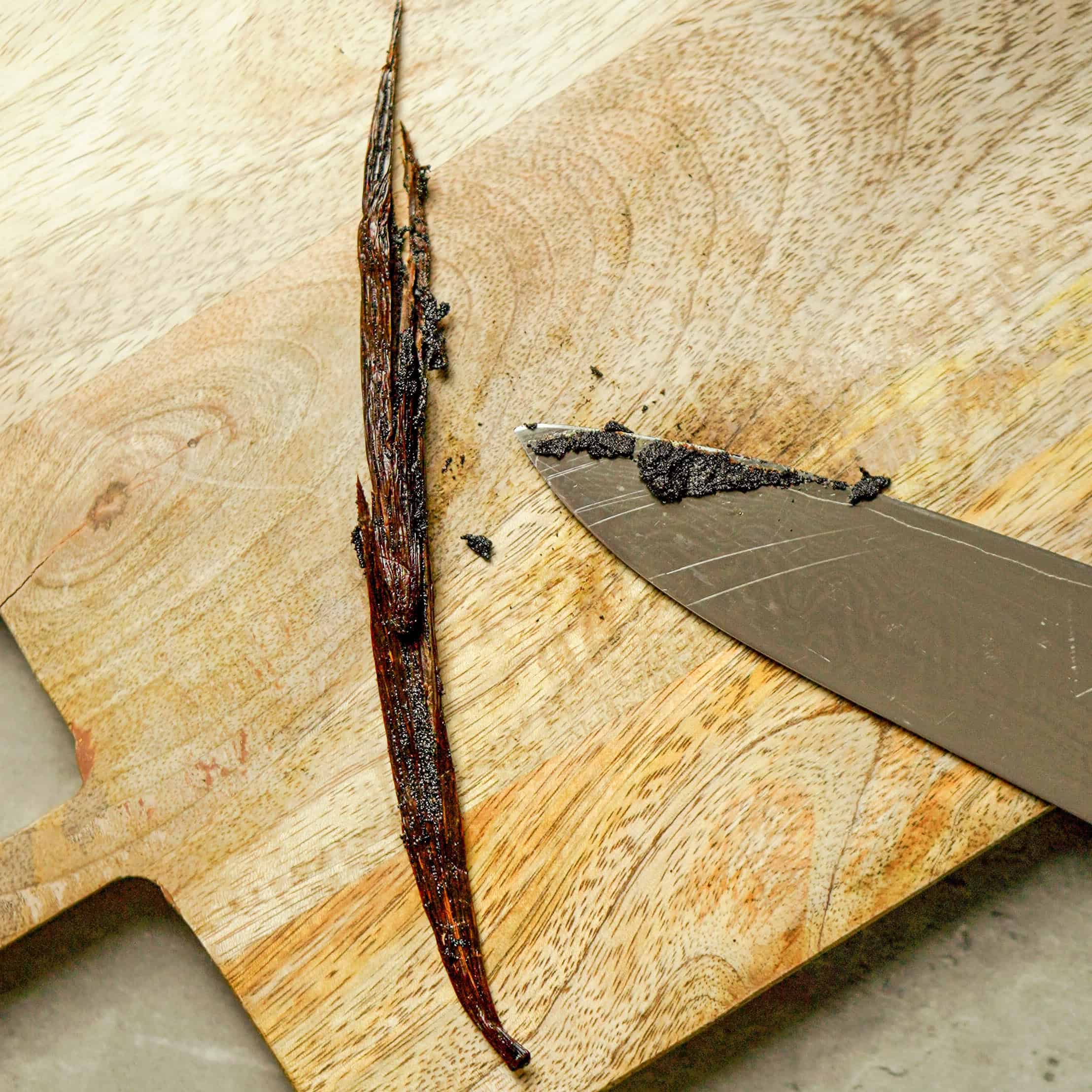
Vanilla Bean Classic
Use a whole vanilla bean for deeper aroma and visible vanilla specks.
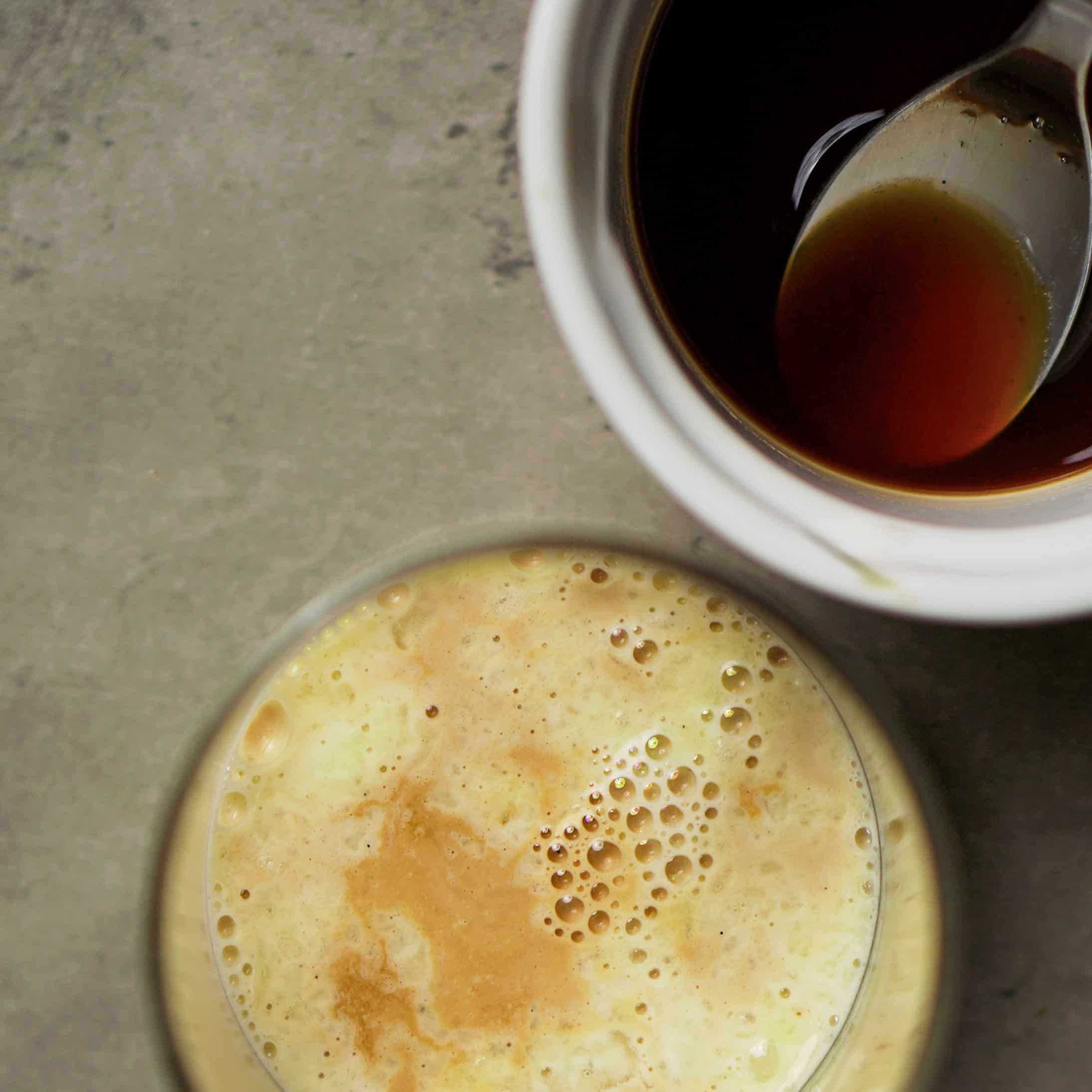
Espresso Panna Cotta
Add 2 teaspoons instant espresso powder to the warm cream mixture before adding the gelatin.
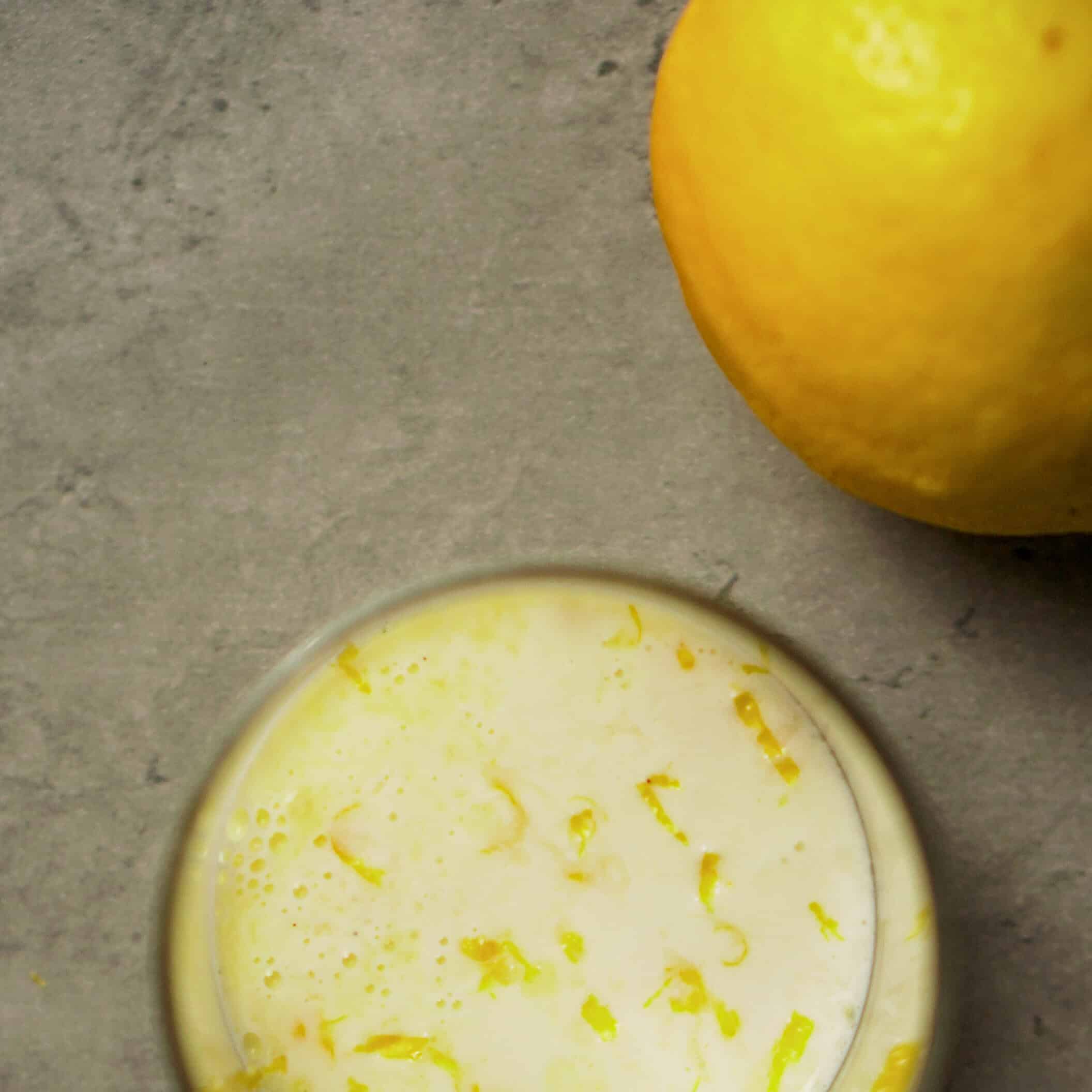
Lemon Panna Cotta
Add the zest of 1 lemon to the cream before heating and finish with berries or lemon syrup.
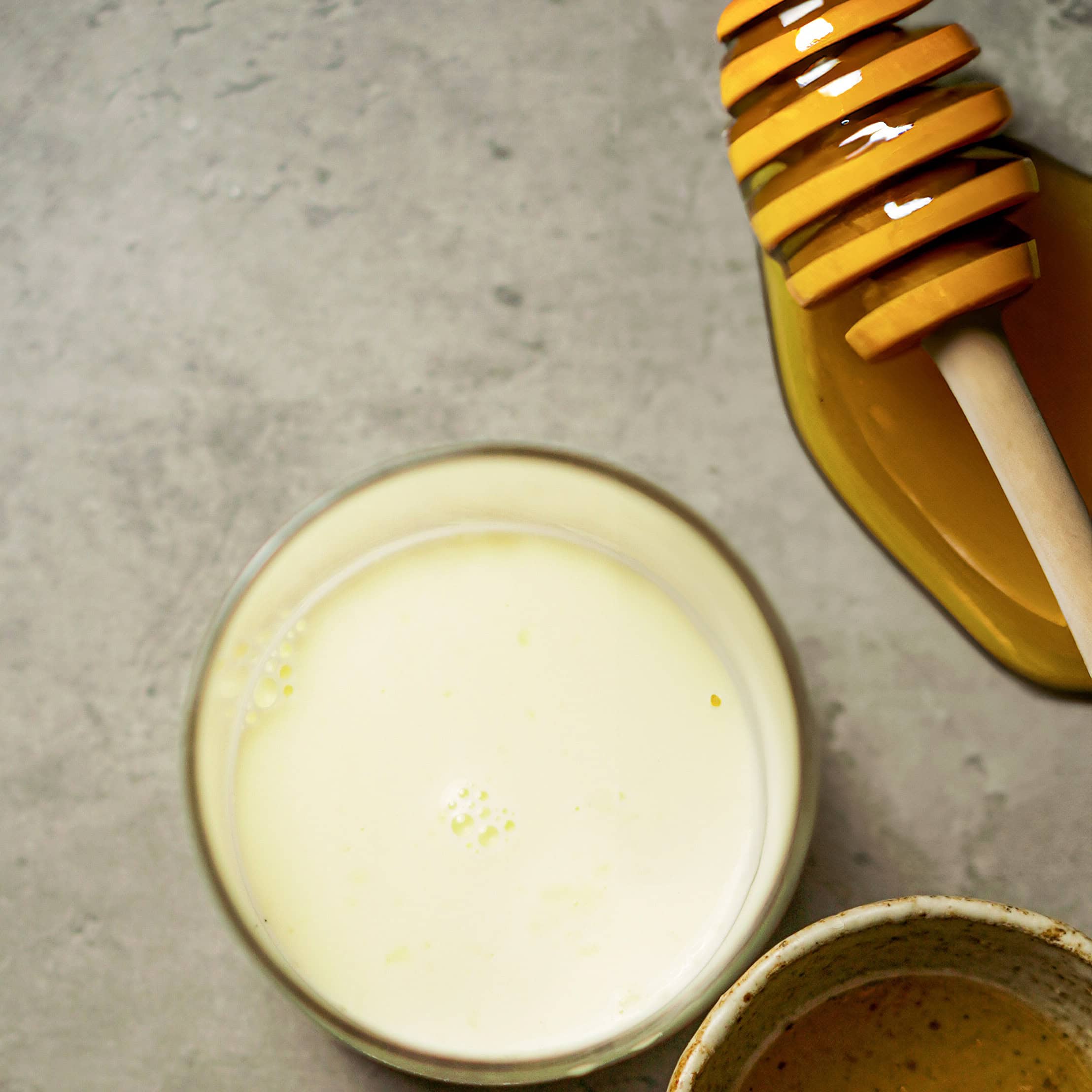
Honey Panna Cotta
Replace half of the ⅓ cup sugar with mild honey for floral sweetness.
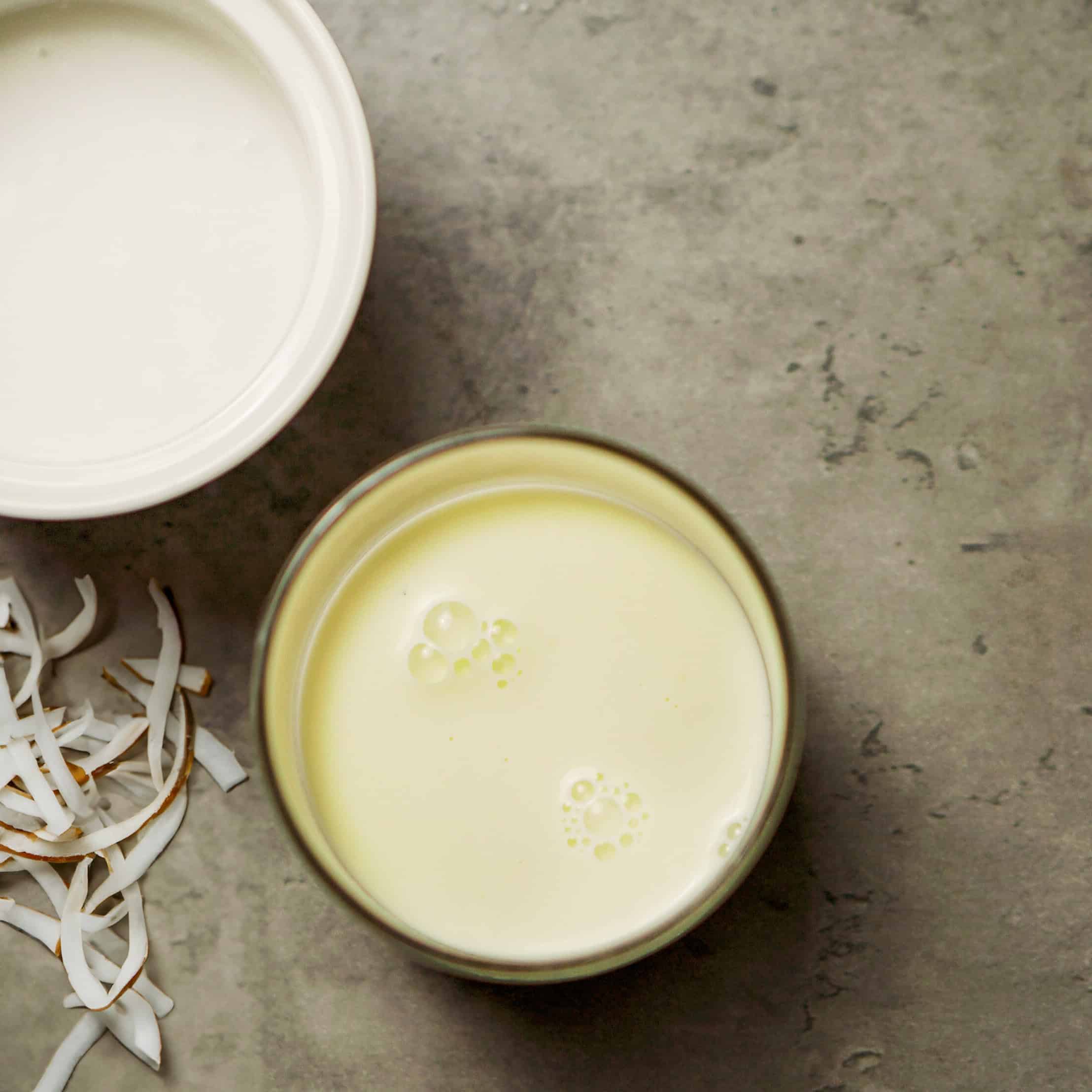
Coconut Panna Cotta
Replace ½ cup (150 ml) of heavy cream with full-fat coconut milk.
5 Panna Cotta Variations
Frequently Asked Questions (FAQ)
Traditional panna cotta is made with cream, sugar, vanilla, gelatin, and water.
At least 4 hours, although overnight chilling produces the best texture.
Yes. Agar-agar may be substituted, though the texture will be slightly different.
Too much gelatin was likely used, creating a firmer texture than intended.
The gelatin may not have dissolved completely, or the cream may have overheated.
Yes. Panna cotta can be prepared up to 2 days in advance.
It is not recommended, as freezing can affect the smooth texture.
Yes. Fresh berries and fruit sauces are among the most traditional accompaniments.
You can, but the texture will be lighter and less luxurious.
Fresh berries, berry sauce, caramel, chocolate sauce, and citrus syrups are all excellent choices.
Nutritional Facts (per serving)
- Calories: 360
- Carbohydrates: 24 g
- Protein: 5 g
- Total Fat: 28 g
- Saturated Fat: 17 g
- Sodium: 40 mg
- Dietary Fiber: 0 g
- Sugars: 22 g
Values are approximate and may vary based on ingredients and portion size.
Dietary Tags: Gluten-free, Nut-free, Soy-free, Vegetarian
- From Our Kitchen to Yours -
Follow Us and Join the Italian Cooking Ideas Kitchen!
Loved This Recipe? Let’s Keep Cooking Together!
If you try this recipe, share your creation and tag #ItalianCookingIdeas on:
Get Weekly Italian Recipes in Your Inbox. Authentic Italian recipes, cooking tips, and behind-the-scenes stories straight from our kitchen.
Key Takeaways
- Panna cotta is a classic Italian dessert known for its silky texture and simple ingredients: cream, sugar, vanilla, gelatin, and water.
- This recipe offers a traditional version along with five variations: vanilla, espresso, lemon, honey, and coconut.
- Prepare panna cotta by gently heating cream, dissolving bloomed gelatin, and chilling for at least 4 hours.
- Panna cotta teaches the art of balancing technique with simplicity, showcasing how quality ingredients shine in traditional Italian cooking.
- Serve panna cotta with fresh fruits or sauces, and enjoy its place as a beloved dolce in Italian meals.
Classic Italian Panna Cotta Recipe
Ingredients
- 2 cups 500 ml heavy cream
- ⅓ cup 80 g granulated sugar
- 1 vanilla bean split and scraped OR 1 teaspoon vanilla extract
- 2 teaspoon powdered gelatin
- 3 tablespoon cold water
Instructions
- Sprinkle 2 teaspoon powdered gelatin over 3 tablespoon cold water in a small bowl. Let sit for 5 minutes until fully absorbed.
- In a saucepan, combine 2 cups heavy cream, ⅓ cup sugar, and 1 vanilla bean (or 1 teaspoon vanilla extract).
- Heat over medium-low heat, stirring frequently, until the sugar dissolves and the mixture is hot but not boiling.
- Remove from heat and stir in the bloomed gelatin until completely dissolved.
- If using a vanilla bean, strain the mixture through a fine mesh strainer.
- Lightly oil 6 ramekins or serving glasses.
- Pour the mixture evenly into each ramekin.
- Refrigerate for at least 4 hours until fully set but still slightly jiggly.
- Serve directly in the glass or unmold onto a serving plate.
Notes
- Never boil the cream. Excessive heat can affect the final texture.
- Proper panna cotta should wobble gently when moved.
- If the dessert feels rubbery, too much gelatin was likely used.
- For clean unmolding, briefly dip the ramekin into warm water before inverting.
- Fresh berries, berry sauce, espresso, caramel, or citrus toppings all pair beautifully.
Flavor Variations
Vanilla Bean ClassicReplace the vanilla extract with 1 whole vanilla bean, split and scraped. The visible vanilla specks add deeper flavor and a traditional presentation. Espresso Panna Cotta -
Whisk 2 teaspoons instant espresso powder into the warm cream mixture before adding the gelatin. Perfect for coffee lovers and an excellent pairing with biscotti. Lemon Panna Cotta -
Add the zest of 1 lemon to the cream while heating. Serve with fresh berries or a drizzle of lemon syrup for a bright, refreshing finish. Honey Panna Cotta -
Replace half of the ⅓ cup sugar with mild honey. This creates a subtle floral sweetness that pairs beautifully with fresh fruit. Coconut Panna Cotta -
Replace ½ cup (150 ml) of the heavy cream with full-fat coconut milk. The result is a lightly tropical variation while maintaining the signature silky texture.
Richard says
I love the variations!