Italian Cooking Ideas and Recipes

  • Italian Cooking Ideas: Authentic Italian Recipes for Home Cooks
  • About
  • Italian Meal Structure
  • Italian Dinner Recipes
  • Italian Lunch Recipes
  • Italian Dessert Recipes
  • Italian Breakfast Recipes
  • Italian Appetizer Recipes
  • Italian Pasta Recipes
  • Creative Italian Recipes
  • Italian Pizza Recipes
  • Italian Salad Recipes
  • Italian Side Dish Recipes
  • Italian Soup Recipes
menu icon
go to homepage
  • Home
  • Recipes
    • Pasta
    • Pizza
    • Soup
    • Appetizer
    • Dessert
    • Quick & Easy
  • Learn Italian Cooking
    • Italian Cooking Foundations
    • Italian Cooking Techniques
    • Italian Ingredients
    • Italian Food Culture
  • Italian Meal Structure
  • About
search icon
Homepage link
  • Home
  • Recipes
    • Pasta
    • Pizza
    • Soup
    • Appetizer
    • Dessert
    • Quick & Easy
  • Learn Italian Cooking
    • Italian Cooking Foundations
    • Italian Cooking Techniques
    • Italian Ingredients
    • Italian Food Culture
  • Italian Meal Structure
  • About
×
Home

How to Balance Salt, Fat & Acid Like an Italian Chef

May 31, 2026 by Jacob Flores Leave a Comment

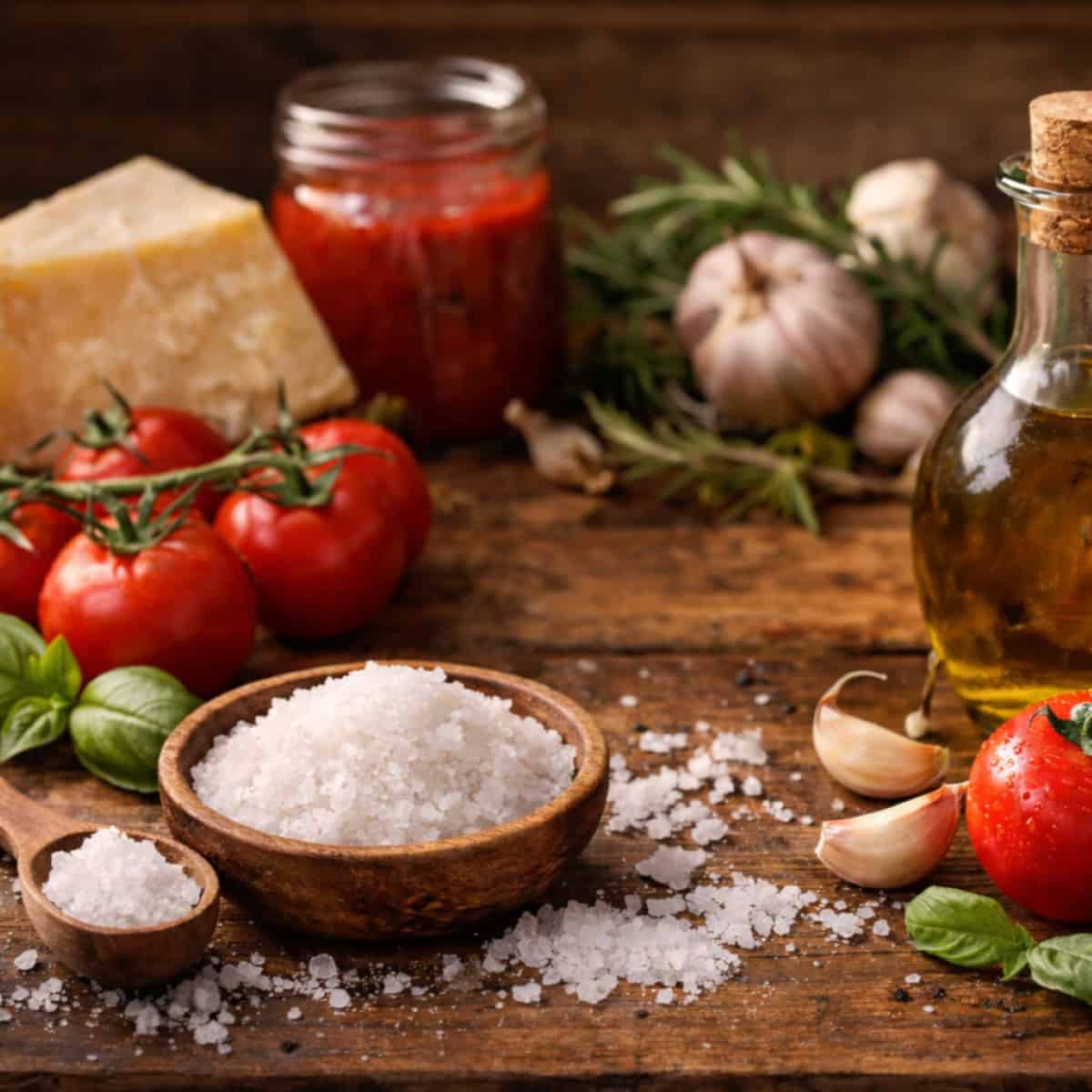
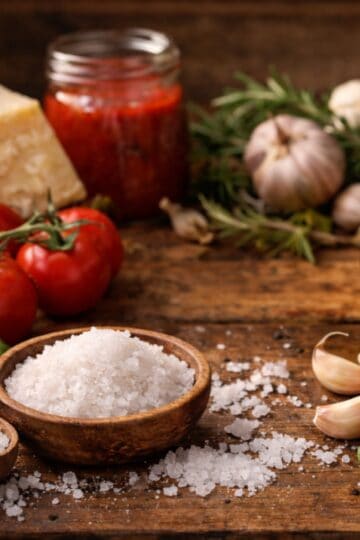
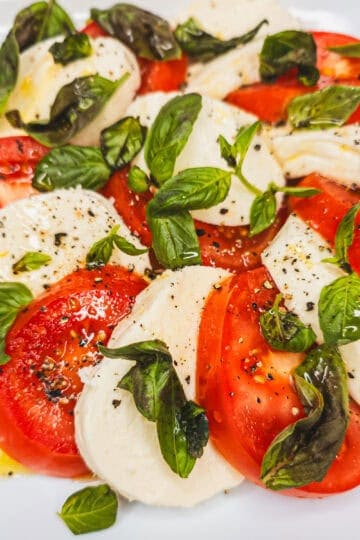
How to Balance Salt, Fat & Acid Like an Italian Chef with Fresh tomatoes, cheese, and salt for Italian cooking recipes.
Home

Estimated reading time: 6 minutes

How to Balance Salt, Fat & Acid Like an Italian Chef with Fresh tomatoes, cheese, and salt for Italian cooking recipes.
How Do Italian Chefs Balance Flavor?

Italian chefs balance flavor by carefully controlling salt, fat, and acid throughout cooking rather than relying on heavy seasoning at the end. Salt sharpens flavor, fat carries richness, and acid brightens the dish. When balanced properly, food tastes structured, vibrant, and complete rather than heavy or flat.

Balance Before Complexity

Italian food rarely depends on complicated spice blends or excessive seasoning.

Instead, it depends on balance.

Salt sharpens. Fat carries. Acid brightens.

When one element dominates, a dish feels flat, dull, or heavy. When these elements work together, even the simplest pasta feels complete.

This is one reason authentic Italian food often tastes more structured and satisfying despite using fewer ingredients.

Mastering this balance is what separates cooking from instinctive cooking.

Salt: The Foundation

Salt does not simply make food salty.

It enhances natural flavor. It sharpens sweetness in tomatoes. It reduces bitterness in greens. It strengthens savory depth in meat.

Most importantly, it creates structure.

Italian cooking builds seasoning gradually rather than aggressively correcting flavor at the end:

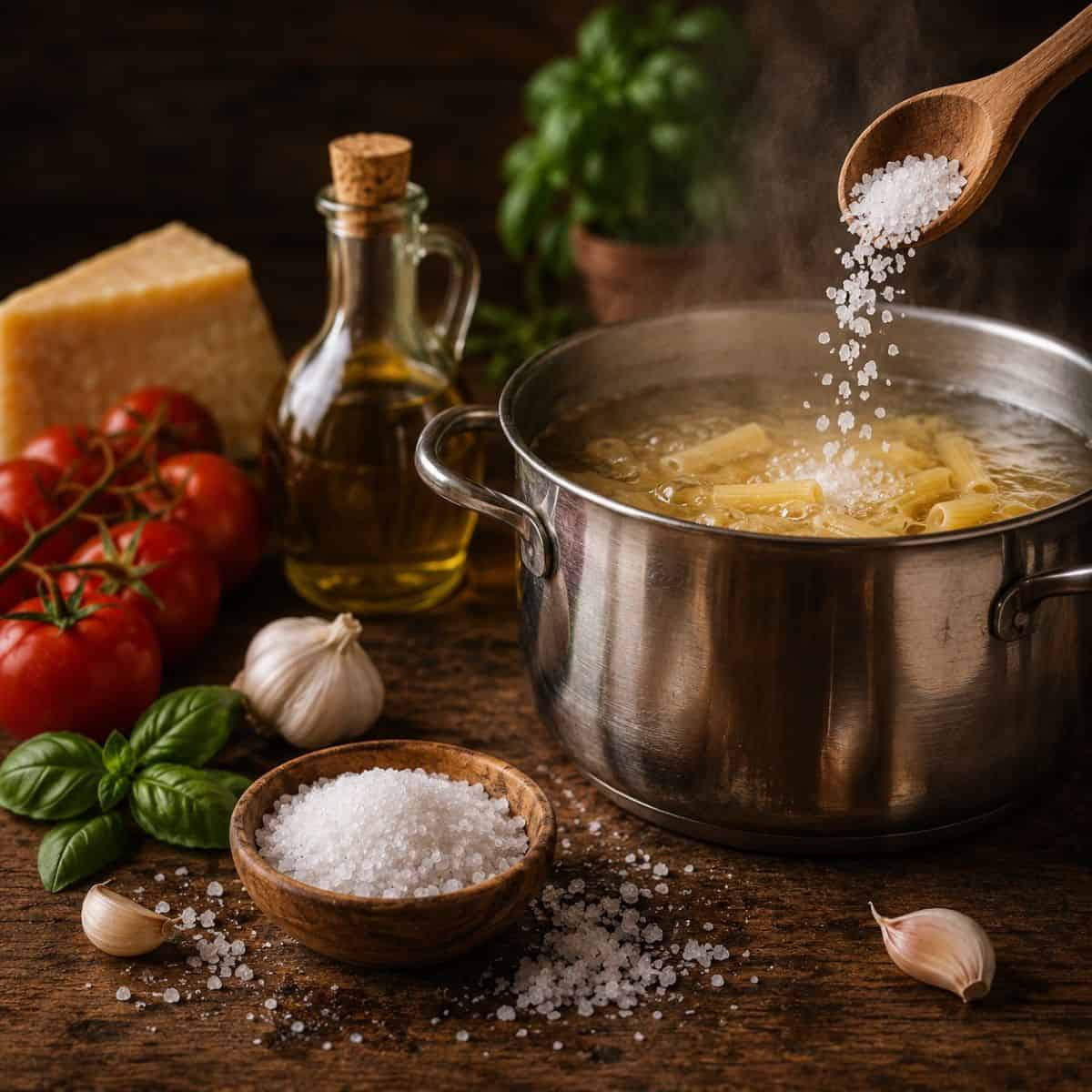
  • Salt pasta water before boiling
  • Salt vegetables before roasting
  • Season sauces as they reduce
  • Adjust carefully before serving

This discipline teaches control instead of reaction.

The same layered seasoning philosophy defines nearly every successful Italian dish because balance begins long before the plate is finished.
Read More: Salt: The Foundation of Italian Flavor

Excess cannot be reversed easily.

Restraint matters.

Fat: The Carrier of Flavor

Fat adds richness, aroma, texture, and depth.

In Italian cooking, this usually means:

  • Olive oil
  • Butter
  • Cheese

Olive oil carries fragrance and complexity. Butter softens acidity and creates roundness. Cheese contributes savoriness and structure.

But too much fat dulls brightness and weakens contrast.

Fat should coat.

Never suffocate.

Ingredient quality matters enormously because fat often carries the flavor profile of the entire dish itself. The difference between average olive oil and excellent olive oil changes the final result immediately.
Read More: Olive Oil: Cold-Pressed vs Extra Virgin — What Matters

Quality changes balance.

Acid: The Brightener

Acid awakens flavor.

It prevents richness from becoming heavy and keeps dishes feeling alive.

Common Italian acids include:

  • Tomatoes
  • Lemon
  • Vinegar
  • Wine

Too little acid creates dullness.

Too much acid creates harshness.

The goal is not sharpness.

It is energy.

Wine demonstrates this balance clearly because it contributes acidity, aroma, and structure simultaneously when integrated properly rather than aggressively.
Read More: How to Cook with Wine Like a Pro

Precision creates harmony.

Why Restaurant Pasta Tastes More Balanced

Many people wonder why restaurant pasta often tastes deeper and more cohesive than homemade pasta.

Usually, the answer is not extra ingredients.

It is balance.

Restaurants continuously adjust salt, fat, and acidity throughout cooking rather than relying on one strong correction at the end.

Pasta finishes directly in the sauce. Fat emulsifies with starch. Acidity stays controlled. Salt integrates gradually.

This creates cohesion instead of separation.

Italian cooking depends heavily on this quiet integration process.

Practical Example: Tomato Sauce

Tomato sauce reveals imbalance immediately.

If the sauce feels too acidic:

  • Add gentle heat
  • Add a small amount of olive oil
  • Allow reduction to soften sharpness

If the sauce feels too heavy:

  • Add reserved pasta water
  • Add a small amount of acid like lemon
  • Reduce excess fat carefully

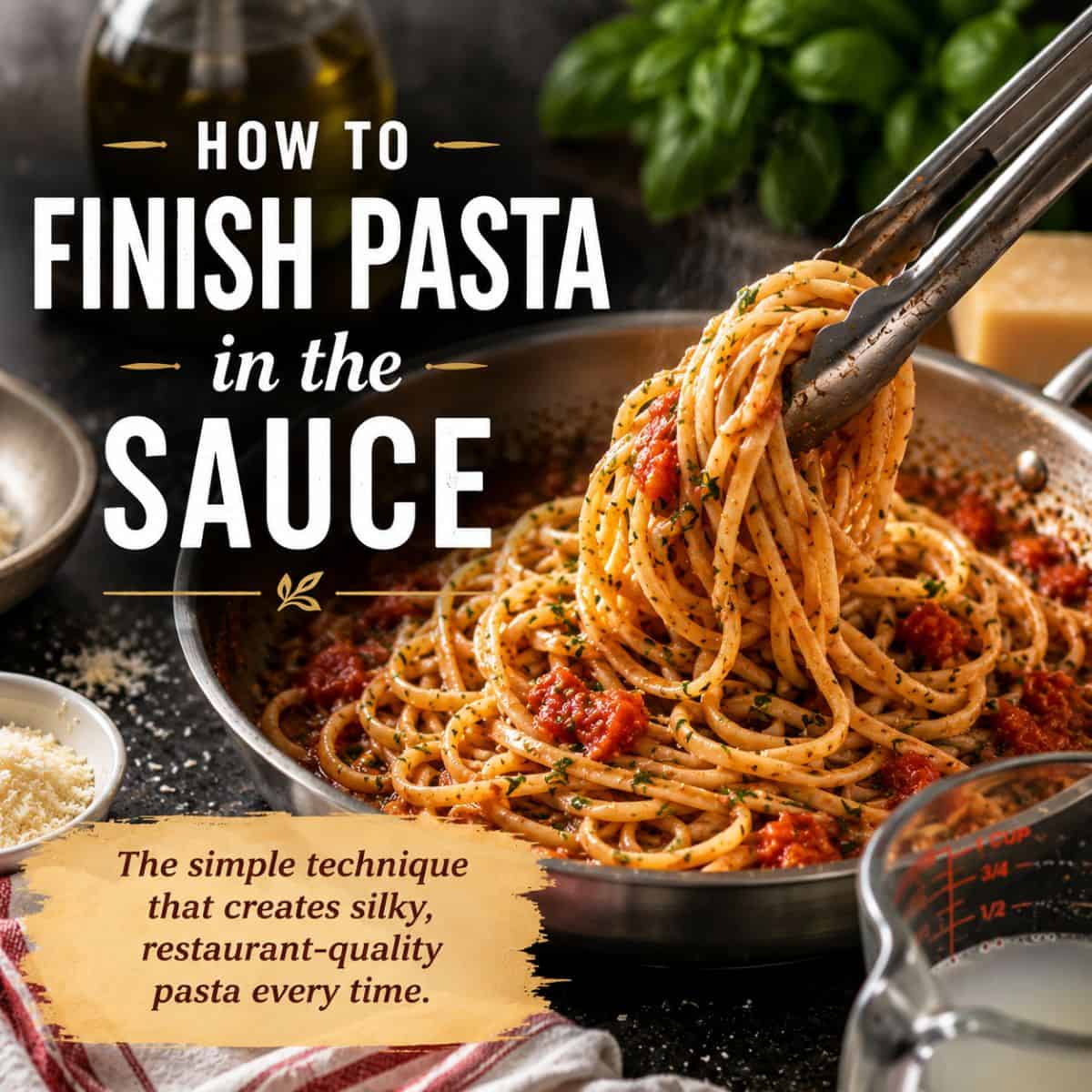
Finishing pasta directly in the sauce helps starch, fat, and seasoning emulsify together into one structure rather than separate components.
Read More: The Best Way to Finish Pasta “in the Sauce”

Structure supports balance.

Fat Without Acid Feels Heavy

Creamy risotto without contrast tastes dull.

Rich sauces without brightness feel overwhelming after several bites.

Even small amounts of wine, lemon, or tomato can restore energy and definition.

This is why Italian cooking often uses acidity quietly rather than dramatically.

Risotto demonstrates this beautifully because richness only feels luxurious when balanced carefully against brightness and texture.
Read More: The Art of Risotto: Creamy, Not Mushy

Fat requires contrast.

Acid Without Fat Feels Harsh

Acid alone can feel sharp and aggressive.

A vinegar-heavy dressing without olive oil tastes unbalanced. Tomato sauce without enough fat feels thin and pointed.

Fat softens intensity while helping flavor linger more smoothly.

This gradual layering of contrast is what gives many Italian soups and sauces their depth without relying on excessive seasoning or spice blends.
Read More: How to Build Layers of Flavor in Soups & Sauces

Balance develops over stages.

The Role of Timing

Balance is not created only at the end of cooking.

It develops gradually over time.

  • Salt early
  • Add fat intentionally
  • Introduce acid strategically
  • Taste continuously

This ongoing adjustment reflects the broader Italian belief that cooking is a process of awareness rather than rigid instruction.
Read More: The Italian Way of Cooking: Instinct, Simplicity & Balance

Cooking is adjustment.

Fear of Balance Creates Overcompensation

Many cooks react to imbalance instead of preventing it.

Flat food receives excessive salt.

Heavy sauces receive too much acid.

Sharp sauces receive unnecessary sugar or cream.

Italian cooking avoids these aggressive corrections by building structure slowly and tasting throughout the process.

Balance is easier to maintain than repair.

Why This Matters

Understanding salt, fat, and acid teaches:

  • Awareness
  • Precision
  • Ingredient respect
  • Structural thinking

It reduces the need for excessive seasoning.

It strengthens natural flavor instead of masking it.

Most importantly, it teaches control.

FAQs: Balance Salt, Fat & Acid

Why does my pasta sauce taste flat?

Flat sauces usually lack balance between salt, fat, and acidity rather than simply needing more seasoning.

Why does restaurant pasta taste better?

Restaurants continuously adjust flavor balance throughout cooking and properly integrate pasta directly in the sauce.

How do Italian chefs balance flavor?

They gradually layer salt, fat, and acid while tasting continuously instead of making large corrections at the end.

What does acid do in cooking?

Acid brightens flavor, balances richness, and prevents dishes from feeling heavy.

Why does creamy pasta sometimes feel too heavy?

Heavy pasta often lacks enough acidity or contrast to balance richness properly.

How do I reduce acidity in tomato sauce?

Gentle heat, olive oil, and balanced seasoning can soften sharp acidity naturally.

Can too much fat ruin a dish?

Yes. Excess fat dulls brightness and weakens flavor clarity.

When should I add salt while cooking?

Italian cooking seasons gradually throughout the cooking process rather than only at the end.

Why does my food feel unbalanced?

One element such as salt, fat, or acid may be overpowering the others instead of working harmoniously together.

What is the secret to authentic Italian flavor?

Balance, restraint, ingredient quality, and gradual flavor layering create authentic Italian flavor more than complexity alone.

Final Thought

Italian chefs do not chase boldness.

They chase harmony.

Salt clarifies. Fat enriches. Acid brightens.

When these elements align, dishes feel effortless.

Balance is not decoration.

It is foundation.

Master this, and every dish improves.

Key Takeaways

  • Italian chefs balance flavor by adjusting salt, fat, and acid throughout the cooking process rather than relying on heavy seasoning at the end.
  • Salt enhances flavor and builds structure, while fat adds richness and texture; both require careful attention to maintain balance.
  • Acid brightens dishes and prevents heaviness, creating energy; using it correctly is essential for harmony.
  • Restaurants achieve a more cohesive flavor by integrating pasta directly with the sauce, continuously adjusting flavor during cooking.
  • Understanding the roles of salt, fat, and acid cultivates awareness and control in cooking, leading to better dishes.

The Meaning of “Mangia” in Italian Culture: More Than “Eat”

May 24, 2026 by Jacob Flores Leave a Comment

Authentic Italian Cooking and the meaning of mangia in Italian
Home

Estimated reading time: 5 minutes

Authentic Italian Cooking and the meaning of mangia in Italian
What Does “Mangia” Mean in Italian?

“Mangia” literally means “Eat” in Italian, but culturally it represents much more. It expresses care, hospitality, warmth, encouragement, and connection through food. In Italian culture, saying “Mangia” is often an emotional gesture as much as a practical one.

More Than “Eat”

If you have ever sat at an Italian table, you have likely heard the word “Mangia.”

It translates simply to “Eat.”

But culturally, it means much more.

Mangia is encouragement. Care. Urgency. Love.

Understanding this word reveals something deeper about Italian food culture itself.

Italian meals are rarely viewed as transactions or obligations. They are moments of connection. The phrase “Mangia” reflects that philosophy perfectly.

The Emotional Layer of Food

When someone says “Mangia,” they are not merely instructing you to consume food.

They are saying:

  • I prepared this for you
  • I want you nourished
  • I want you satisfied

Food becomes an act of generosity.

This emotional relationship with food sits at the center of many Italian family traditions, where recipes often matter less than the people gathered around the table. Meals become expressions of care as much as cooking itself.
Read More: Italian Family Dining: Meals That Bring People Together

Care is expressed through the plate.

Hospitality at the Center

In Italian homes, guests are fed generously.

Even simple meals carry emotional weight because hospitality itself matters deeply.

Mangia reflects a culture built around welcome, participation, and community rather than performance.

Food is shared, not transactional.

This philosophy connects directly to the broader Italian understanding that cooking is meant to create balance, warmth, and human connection rather than excess or spectacle.
Read More: The Italian Way of Cooking: Instinct, Simplicity & Balance

Food becomes relationship.

Why Italian Meals Feel Different

Many people notice that meals in Italy often feel calmer, warmer, and more connected than meals elsewhere.

Part of that feeling comes from pace.

Italian dining encourages presence. Meals are rarely rushed. Conversation continues between courses. Food arrives with rhythm rather than urgency.

“Mangia” reinforces this atmosphere. It invites people to pause, enjoy, and participate fully in the moment.

This is one reason Italian food culture often feels emotional rather than purely functional.

The Urgency of Warmth

Mangia is often spoken the moment food is ready and hot.

Timing matters deeply in Italian cooking.

Pasta must be eaten immediately to preserve texture and balance. Sauces should remain cohesive. Fresh ingredients should still feel alive when served.

That sensitivity to timing reflects the same discipline that defines proper pasta texture and sauce integration.
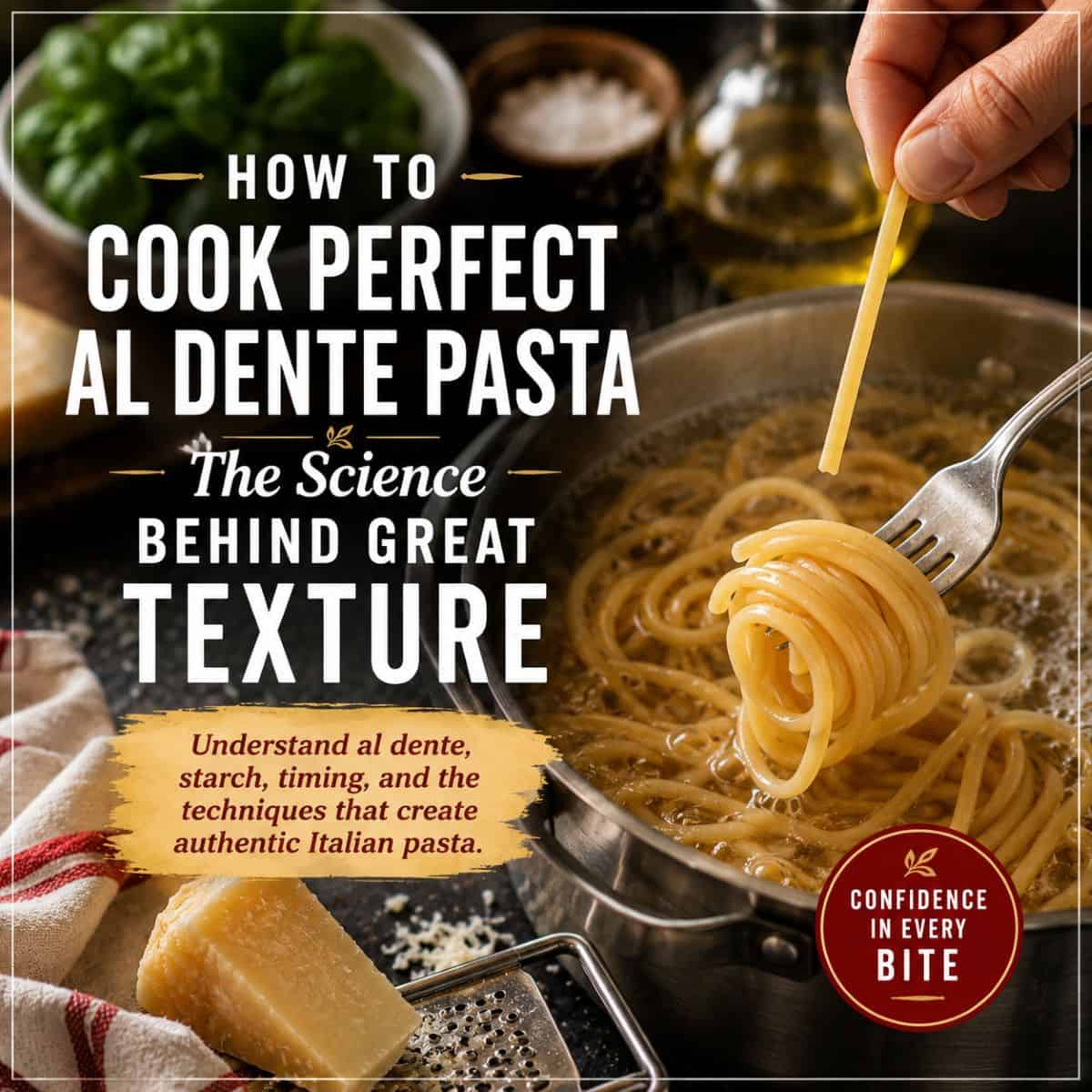
Read More: The Science of Perfect Pasta Texture

The phrase carries gentle urgency:

Eat now. Appreciate

Encouragement Without Excess

Mangia does not mean overindulgence.

This is one of the biggest misconceptions surrounding Italian food culture.

Traditional Italian meals emphasize moderation, pacing, and structure. Portions remain balanced. Meals unfold gradually.

The joy comes from appreciation rather than excess.

This slower, more intentional relationship with food reflects the broader philosophy behind Italian approaches to eating itself.
Read More: How Italians Approach Eating: The Joy of Slow Food

There is warmth without waste.

Generational Echo

Italian grandmothers are famous for repeating “Mangia” insistently.

The phrase becomes affectionate persistence.

More bread is offered. Another spoonful appears. Plates are quietly refilled before they are empty.

Food becomes memory carried forward through repetition.

This same warmth often appears through bread itself, which traditionally holds symbolic importance at Italian tables beyond simple nourishment.
Read More: The Role of Bread in an Italian Meal

Mangia becomes comfort spoken aloud.

Signs You’re Experiencing Authentic Italian Hospitality

You are encouraged to take another bite.

Conversation matters as much as the food itself.

Meals unfold slowly instead of feeling rushed.

Food is offered generously even when ingredients are simple.

Guests are treated like participants rather than customers.

These details may appear small individually.

Together, they define authentic Italian hospitality culture.

Cultural Identity Through Food

Mangia reflects:

  • Care
  • Community
  • Presence
  • Respect for effort
  • Generosity

It reveals that Italian cuisine is emotional as much as technical.

Cooking skill matters.

But connection matters more.

Why “Mangia” Matters

Understanding this word helps explain why Italian cuisine often feels alive.

It is not sterile.

It is warm.

Mangia reinforces that meals are:

  • Shared
  • Appreciated
  • Timely
  • Intentional

It transforms eating into experience.

FAQs: The Meaning of “Mangia” in Italian Culture

What does “Mangia” mean in Italian?

“Mangia” literally means “Eat,” but culturally it expresses warmth, care, hospitality, and encouragement through food.

Why do Italians say “Mangia” so often?

It is a way of showing affection and hospitality while encouraging people to enjoy the meal fully.

Is “Mangia” considered rude or affectionate?

In Italian culture, it is typically affectionate and welcoming rather than forceful.

Why is food so emotional in Italian culture?

Food represents family, memory, care, tradition, and togetherness rather than simple consumption.

Why do Italian meals feel different?

Italian meals often emphasize pacing, conversation, hospitality, and presence rather than speed or convenience.

Why do Italian grandmothers insist people eat more?

Offering food generously is often viewed as an expression of love and care within Italian family culture.

Does “Mangia” mean overeating?

No. Traditional Italian culture values moderation and balance rather than excess.

Why is hospitality important in Italian dining?

Meals are viewed as shared experiences that strengthen relationships and community.

What role does timing play in Italian meals?

Food is meant to be enjoyed at the proper moment while texture, warmth, and flavor remain balanced.

Why does Italian food culture feel so welcoming?

Because meals are centered around participation, generosity, and emotional connection rather than performance alone.

Final Thought

When someone says “Mangia,” they are offering more than food.

They are offering time, effort, care, and presence.

The plate carries emotional meaning.

To understand Italian cuisine fully, you must understand this word.

Mangia is invitation.

Mangia is warmth.

Mangia is culture.

Key Takeaways

  • "Mangia" means "Eat," but also signifies warmth, care, and connection in Italian culture.
  • The word reflects the emotional layer of food, emphasizing generosity over transactions.
  • Italian meals focus on hospitality and community, making dining a shared experience.
  • Timing matters in Italian cooking, as meals should be enjoyed at the right moment for optimal flavor.
  • Understanding "Mangia" reveals the rich cultural identity behind Italian cuisine.

How to Stock an Italian Pantry

May 19, 2026 by Jacob Flores Leave a Comment

Authentic Italian cooking ingredients including tomatoes, cheeses, and herbs for delicious recipes.
Home

Estimated reading time: 8 minutes

Authentic Italian cooking ingredients including tomatoes, cheeses, and herbs for delicious recipes.
What Should Be in an Italian Pantry?

An Italian pantry should contain a small number of high-quality essentials that support balance, structure, and versatility. Core ingredients include extra virgin olive oil, dried pasta, tomatoes, flour, aged cheeses, vinegar, aromatics, and preserved ingredients like capers and anchovies. The goal is not abundance. It is readiness.

The Italian Kitchen Begins Before You Cook

In Italy, good cooking does not begin at the stove. It begins in the pantry.

A well-stocked Italian pantry is not crowded. It is intentional. Every ingredient has a purpose. Every item supports structure, balance, and simplicity.

When your pantry is disciplined, cooking becomes natural. When it is random, dishes feel improvised rather than composed.

Stocking an Italian pantry is about building foundations.This philosophy reflects the broader Italian understanding that restraint creates clarity. The best kitchens are not overloaded with options. They are built around ingredients that work together naturally and consistently.
Read More: The Italian Way of Cooking: Instinct, Simplicity & Balance

The Essential Oils and Fats

Extra Virgin Olive Oil

Extra virgin olive oil is both a cooking fat and a finishing ingredient. It carries aroma, supports texture, and shapes flavor before any seasoning begins.

Choose fresh, regionally expressive oils whenever possible. Peppery oils may suit grilled vegetables and rustic dishes, while softer oils work beautifully in delicate sauces. The quality of olive oil quietly influences nearly every layer of Italian cooking. Understanding what separates true extra virgin olive oil from lower-quality products strengthens every dish built from it.
Read More: Olive Oil: Cold-Pressed vs Extra Virgin — What Matters

Butter (Regionally Used)

Butter appears more frequently in northern Italian cooking, especially in risotto, polenta, and certain sauces.

Its richness softens sharp edges and creates roundness in flavor. Used properly, it supports balance rather than heaviness.

Fat is never accidental in Italian cooking. It exists to support structure.

The Core Grains and Flours

Dried Pasta

A proper Italian pantry always includes dried pasta made from semola di grano duro.

Bronze-cut pasta is especially important because its rough surface helps sauce cling naturally instead of sliding away.Texture begins long before pasta touches water. The grain itself determines how the final dish behaves. That relationship between structure and sauce is central to authentic pasta preparation.
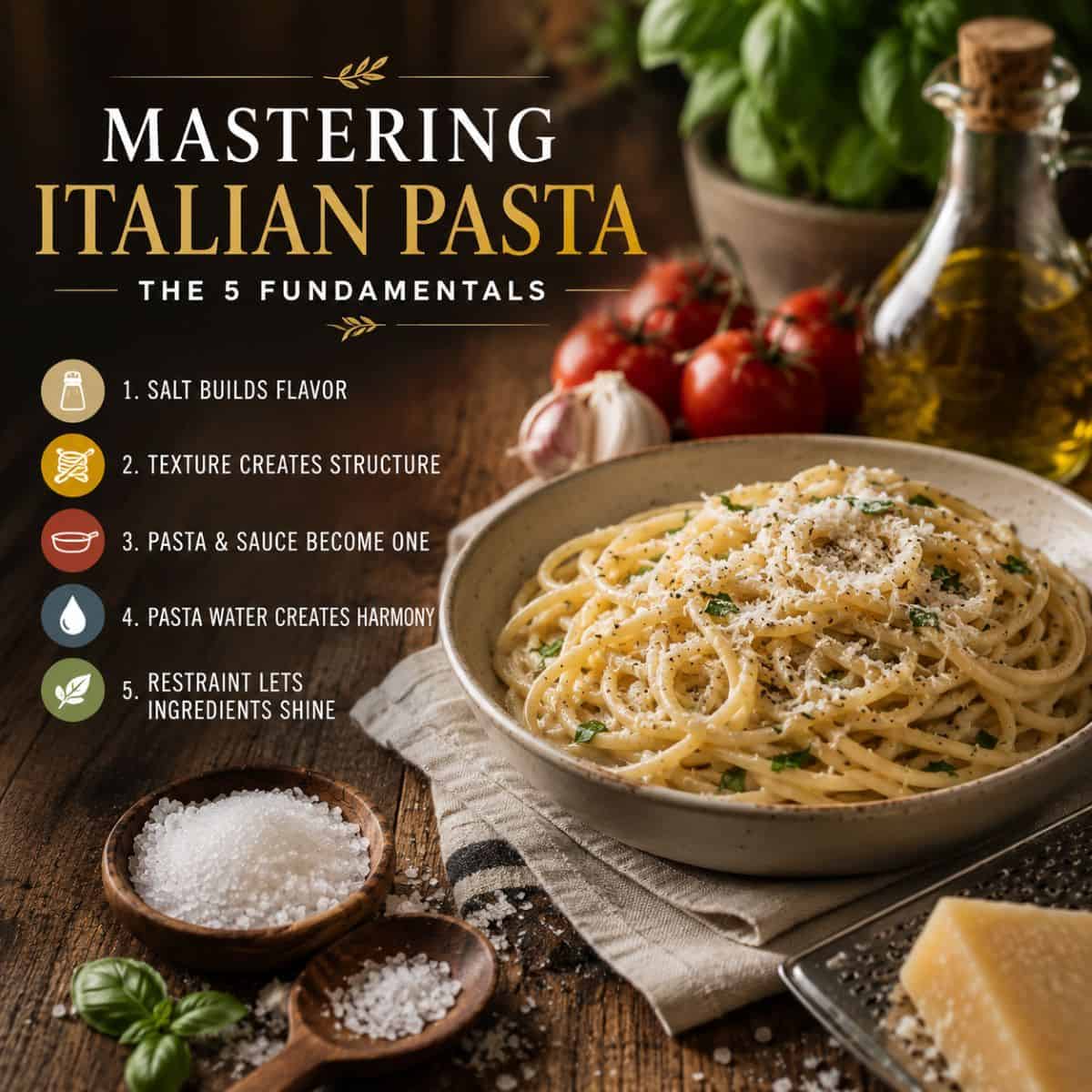
Read More: Mastering Italian Pasta: Salt, Sauce & Texture

00 Flour

00 flour creates smooth, delicate doughs ideal for fresh pasta and refined textures.

Semola di Grano Duro

Semola provides strength, elasticity, and bite, especially in southern pasta traditions and rustic breads.

The flour you choose determines hydration, elasticity, and final texture before kneading even begins. Understanding flour structure transforms dough from guesswork into controlled technique.
Read More: Choosing the Right Flour for Italian Pasta & Bread

Tomatoes: The Foundation of Countless Dishes

Tomatoes shape the identity of countless Italian dishes.

A disciplined pantry keeps high-quality whole peeled tomatoes available at all times, preferably San Marzano when authentic and properly sourced.

Tomato quality affects sweetness, acidity, texture, and balance. Poor tomatoes often force cooks into compensating with sugar or excessive seasoning.

Italian cooking approaches tomatoes differently. Instead of masking flaws, it depends on selecting ingredients that already possess balance. Learning how to recognize authentic tomatoes protects both flavor and technique.
Read More: San Marzano Tomatoes: Real or Impostor

This same principle appears throughout Italian cooking itself. Balance is created through ingredient quality and careful seasoning, not through overcorrection.
Read More: Salt: The Foundation of Italian Flavor

Essential Cheeses

Parmigiano Reggiano

Nutty, aged, structural.

Parmigiano Reggiano adds depth and savory complexity while quietly strengthening sauces and pasta dishes.

Pecorino Romano

Sharper, saltier, more assertive.

Pecorino contributes intensity and works especially well in Roman dishes where bold structure matters.

Fresh Mozzarella or Ricotta (As Needed)

Fresh cheeses bring softness and delicacy when used with restraint.

Italian cooking depends heavily on understanding not only which cheese to use, but why certain cheeses belong in specific dishes and regions.
Read More: The Cheeses of Italy: Region by Region

Cheese is not garnish.

It is architecture.

Vinegars and Acidity

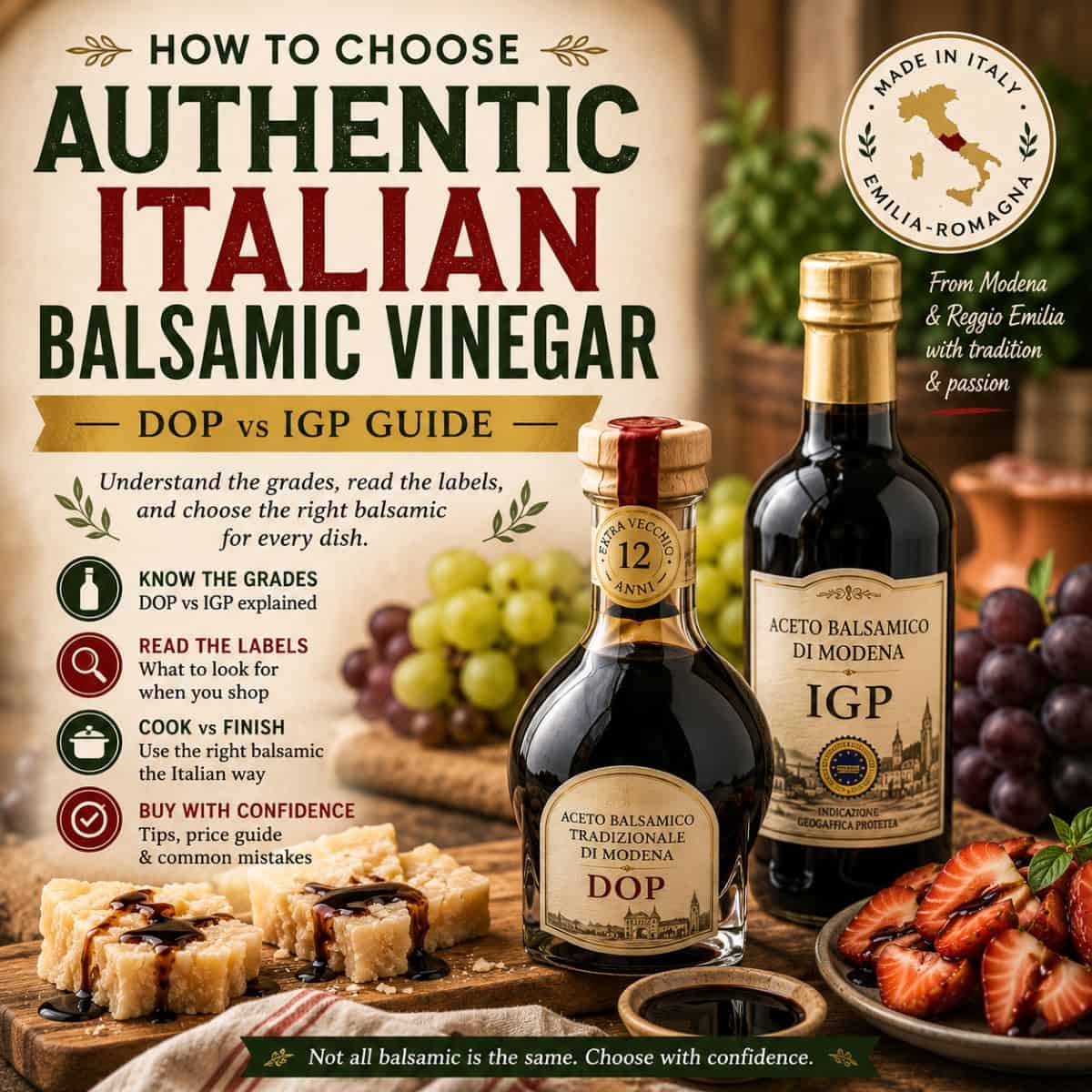
Balsamic Vinegar

IGP balsamic works well for cooking. DOP balsamic is better reserved for finishing.

Used carefully, balsamic contributes sweetness, acidity, and depth simultaneously.

The complexity of Italian vinegar comes from aging, reduction, and balance rather than sharpness alone.
Read More: Italian Balsamic Vinegar Grades Explained

Red or White Wine Vinegar

These provide lighter acidity for vinaigrettes, vegetables, and quick adjustments.

Acidity should sharpen flavor gently, never dominate it.

Dried and Preserved Enhancers

Capers

Briny intensity in small amounts.

Anchovies

Anchovies dissolve into oil, disappearing visually while deepening flavor dramatically.

This quiet use of preserved ingredients reveals one of the most important lessons in Italian cooking: some ingredients are meant to support structure invisibly rather than stand at the center of attention.
Read More: Capers & Anchovies: Secret Umami Boosters

Control matters more than quantity.

Aromatics and Herbs

  • Garlic
  • Onions
  • Carrots
  • Celery

These ingredients form soffritto, the flavor base behind countless sauces, soups, and braises.

Italian cooking often begins not with dramatic seasoning, but with slow foundational flavor development. Soffritto teaches patience, restraint, and layering in their purest form.
Read More: Soffritto & Building Flavor the Italian Way

Fresh herbs remain preferred whenever possible because their brightness preserves clarity.

Wine for Cooking

Dry white wine and dry red wine contribute acidity, aroma, and structure.

Wine does not simply add flavor. It helps ingredients integrate while loosening fond and balancing richness.

Cooking wine should always be drinkable. Harsh wine creates harsh sauces.

This relationship between reduction and balance is part of what gives many Italian dishes their depth without heaviness.
Read More: How to Cook with Wine Like a Pro

Common Pantry Mistakes That Hurt Italian Cooking

Many kitchens become overcrowded with ingredients that complicate cooking instead of strengthening it.

One common mistake is relying on processed sauces and shortcuts. Heavy cream sauces, bottled garlic mixtures, and excessive flavor boosters flatten freshness and weaken balance.

Another mistake is prioritizing novelty over fundamentals. Expensive specialty ingredients cannot compensate for poor olive oil, weak tomatoes, or stale pasta.

Overstocking creates its own problems. Flour loses performance. Olive oil oxidizes. Dried herbs fade.

Italian kitchens remain disciplined because freshness matters more than quantity.

When ingredients stay purposeful, cooking becomes instinctive rather than reactive.

What Not to Over-Stock

An Italian pantry is not defined by excess.

Avoid:

  • Excess specialty sauces
  • Pre-made heavy cream sauces
  • Random spice blends disconnected from regional tradition

Italian cooking depends on clarity. Too many competing ingredients weaken identity and disrupt balance. This restraint explains why many traditional Italian dishes remain surprisingly minimal despite their depth of flavor.
Read More: What Italians Never Put in Their Pasta

How Italians Build Flavor From Simple Ingredients

Italian cooking does not depend on endless ingredients.

It depends on understanding how a few ingredients interact over time.

Olive oil carries aroma. Tomatoes contribute sweetness and acidity. Cheese strengthens structure. Aromatics quietly build depth underneath everything else.

This is why Italian pantries appear simple from the outside while producing remarkably layered food.

The goal is not abundance.

The goal is cohesion.

Why the Pantry Defines the Cook

When your pantry is built thoughtfully:

  • Weeknight meals become effortless
  • Sauces develop naturally
  • Flavor layers feel cohesive
  • Technique becomes easier to execute

The pantry defines the cook because preparation shapes confidence long before cooking begins.

When the foundation already exists, instinct takes over naturally.

FAQs: How to Stock an Italian Pantry

What should every Italian pantry contain?

Extra virgin olive oil is one of the most essential ingredients because it supports cooking, finishing, aroma, and overall flavor structure.

Why do Italians keep their pantries simple?

Italian cooking values balance and ingredient quality over excess. Simplicity helps flavors remain focused and cohesive.

What pasta should I keep stocked at home?

Bronze-cut semola pasta is preferred because it holds sauce better and maintains stronger texture during cooking.

Are San Marzano tomatoes worth buying?

Authentic San Marzano tomatoes are valued for balanced sweetness and lower acidity, though sourcing and authenticity matter greatly.

What cheeses should always be in an Italian kitchen?

Parmigiano Reggiano and Pecorino Romano are foundational because they contribute depth, salt, and structure to many dishes.

Why do Italians use anchovies in sauces?

Anchovies melt into sauces and provide umami richness without creating a strong fish flavor.

Should I buy fresh or dried herbs?

Fresh herbs are preferred whenever possible, though dried oregano and bay leaves remain common in certain regional preparations.

Why does my Italian food taste flat?

Flat flavor often comes from imbalance, weak ingredients, or poor seasoning structure rather than lack of ingredients.

What should I avoid stocking in an Italian pantry?

Avoid overly processed sauces, unnecessary specialty products, and ingredients that clutter rather than support traditional flavor balance.

Final Thought

Stock intentionally. Choose quality over quantity. Replace ingredients before they lose freshness.

When your pantry reflects discipline, your cooking reflects confidence.

Italian cuisine does not depend on excess.

It depends on structure.

Key Takeaways

  • An Italian pantry should contain high-quality essentials like extra virgin olive oil, dried pasta, and preserved ingredients to support balance and versatility.
  • Simplicity is key; a well-stocked pantry focuses on intentional ingredients that enhance natural flavors rather than overwhelming them.
  • Quality ingredients, such as San Marzano tomatoes and Parmigiano Reggiano, substantially influence the cooking process and final dish flavor.
  • Avoid overcrowding with processed sauces or unnecessary specialty items, as this complicates cooking and dilutes flavor
  • An intentional pantry leads to better cooking outcomes by promoting clarity over excess, reinforcing Italian culinary philosophy.

Homemade Pasta Dough Anyone Can Master

April 21, 2026 by Jacob Flores Leave a Comment

Traditional pasta dough being rolled with a manual machine in a cozy kitchen.
Home

Estimated reading time: 5 minutes

How Do You Make Homemade Italian Pasta Dough?

Homemade Italian pasta dough is made by combining flour and eggs, then kneading until smooth and elastic. The key is balancing hydration, developing gluten through kneading, and allowing the dough to rest before rolling. When done correctly, the dough becomes silky, pliable, and easy to shape.

Pasta Begins With the Dough

Fresh pasta looks simple.

Flour. Eggs. Maybe a touch of salt.

Yet the difference between silky sheets and rough, brittle dough lies entirely in technique.

Homemade pasta is not difficult. It is precise. It demands attention to hydration, kneading, and rest.

Master the dough, and every shape that follows improves.This technique builds directly on understanding flour structure.

Read More: Choosing the Right Flour for Italian Pasta & Bread

Choosing the Right Flour

Most fresh egg pasta uses 00 flour for smooth texture.

Semola may be blended in for additional bite, especially in southern styles.

Protein content affects elasticity. Lower protein creates tenderness. Higher protein creates structure.

The flour you choose determines how the dough behaves under pressure.

Structure begins before kneading.

The Basic Ratio

A traditional guideline:

  • 100 grams of flour per egg

This is not rigid. Egg size varies. Humidity varies.

Italian cooking values adjustment by feel rather than strict measurement.

Read More: The Italian Way of Cooking: Instinct, Simplicity & Balance

The dough should feel firm but pliable, never sticky or dry.

Mixing and Hydration

Create a mound of flour. Form a well. Add eggs to the center.

Gradually incorporate flour into the eggs using a fork or fingers.

Once combined, begin kneading by hand.

Do not rush hydration. If dough feels too dry, add small amounts of water. If too sticky, dust lightly with flour.

Restraint prevents imbalance.

Kneading: Building Structure

Kneading develops gluten, creating elasticity.

Push the dough forward with the heel of your hand. Fold it back. Rotate. Repeat.

Continue for 8 to 10 minutes until the surface becomes smooth and slightly elastic.

Proper kneading creates resilience.

For deeper focus on this stage, see:
How to Knead Dough Like an Italian Artisan

Technique defines texture.

Resting the Dough

After kneading, wrap the dough and allow it to rest for at least 30 minutes.

Resting relaxes gluten, making rolling easier and preventing shrinkage.

Skipping rest results in tight, resistant sheets.

Patience improves structure.This principle echoes broader Italian cooking discipline.

Read More: The Importance of Resting Dough

Rolling and Thickness

When rolling:

  • Dust lightly with flour
  • Roll gradually, reducing thickness step by step
  • Avoid tearing by supporting the sheet

The dough should be thin but not fragile.

Thickness influences cooking time and sauce adhesion.Understanding texture ensures the final pasta remains structured.

Read More: The Science of Perfect Pasta Texture

Cooking Fresh Pasta

Fresh pasta cooks quickly, often in 1 to 3 minutes.

Salt the water properly before cooking.
Read More: The Right Way to Salt Pasta Water

Overcooking destroys tenderness.

Once drained, finish directly in sauce for cohesion.
Read More: The Best Way to Finish Pasta “in the Sauce”

Integration defines authenticity.

Common Pasta Dough Mistakes (and How to Fix Them)

Many pasta issues begin long before cooking.

One of the most common mistakes is adding too much flour during kneading. This creates a dry, tough dough that is difficult to roll.

Skipping rest time is another issue. Without rest, the dough fights back, shrinking and tearing under pressure.

Rolling unevenly leads to inconsistent cooking. Some sections become overcooked while others remain underdone.

Overcooking fresh pasta is the final mistake. What should be delicate becomes soft and lifeless.

When these mistakes are avoided, the dough begins to behave as it should.

How to Know If Your Pasta Dough Is Correct

A well-made dough tells you it is ready.

It should feel:

  • Smooth, not rough
  • Firm, but flexible
  • Slightly elastic when pressed

If the dough sticks to your hands, it needs more flour.
If it cracks, it needs more hydration.

This feedback is essential.

It is how instinct is developed.

Why Fresh Pasta Matters

Fresh pasta offers tenderness and delicacy unmatched by dried varieties.

It absorbs sauce differently. It carries fillings gently. It feels lighter on the palate.

Understanding dough teaches:

  • Hydration control
  • Gluten development
  • Patience
  • Texture awareness

These lessons apply across Italian cooking.

FAQs: Homemade Italian Pasta Dough

What is the best flour for homemade pasta dough?

00 flour is most commonly used for smooth texture, though semola can be added for structure and bite.

What is the correct ratio for pasta dough?

A traditional ratio is 100 grams of flour per egg, but adjustments should be made based on dough feel.

Why is my pasta dough too dry?

It likely lacks hydration. Add small amounts of water or egg until the dough becomes pliable.

Why is my pasta dough sticky?

Too much moisture. Add a light dusting of flour while kneading to restore balance.

How long should I knead pasta dough?

Typically 8 to 10 minutes, until the dough becomes smooth and elastic.

Why does pasta dough need to rest?

Resting relaxes gluten, making the dough easier to roll and preventing shrinkage.

How thin should pasta dough be?

Thin enough to see light through it, but not so thin that it tears.

Why does my pasta tear when rolling?

The dough may be too dry or not rested enough.

How long should fresh pasta cook?

Usually 1 to 3 minutes, depending on thickness.

What is the biggest mistake when making pasta dough?

Rushing the process. Pasta dough requires patience at every stage.

Final Thought

Homemade pasta dough is not about perfection.

It is about attention.

Feel the dough. Adjust gently. Knead patiently. Rest fully.

When treated with care, flour and eggs transform into silk.

That transformation is the heart of Italian technique.

Key Takeaways

  • Homemade Italian pasta dough requires flour and eggs, kneaded until smooth and elastic, with attention to hydration and resting.
  • Choosing the right flour, such as 00 flour or semola, impacts texture and elasticity.
  • Kneading for 8 to 10 minutes develops gluten, while resting the dough relaxes it for easier rolling.
  • Common mistakes include adding too much flour, skipping rest time, and rolling unevenly, which can result in tough or inconsistent pasta.
  • Homemade pasta cooks quickly and should be integrated into sauce immediately for the best texture and flavor.

Slow-Cooking vs Fast-Cooking Italian Dishes

April 17, 2026 by Jacob Flores Leave a Comment

Italian pasta and sauce cooking on stove for slow cooking vs fast cooking Italian dishes.
Home

Estimated reading time: 5 minutes

When Should You Slow Cook vs Fast Cook in Italian Cooking?

Slow cooking is used to build depth, tenderness, and integration of flavors, while fast cooking preserves freshness, texture, and natural brightness. The key is matching the cooking method to the ingredient. Tough ingredients benefit from time, while delicate ingredients require speed.

Time Is an Ingredient

In Italian cooking, time is not an afterthought. It is an ingredient.

Some dishes demand patience. Others demand speed. Mastery lies in knowing which is which.

Slow cooking builds depth and tenderness. Fast cooking preserves freshness and brightness. Confusing the two weakens flavor and texture.

Understanding this distinction strengthens every dish you prepare.

This mindset grows directly from how Italian cooking builds flavor layer by layer.
Read More: Soffritto & Building Flavor the Italian Way

When Slow Cooking Is Essential

Certain dishes require extended cooking to reach balance:

  • Ragù alla Bolognese
  • Braised meats
  • Minestrone
  • Tomato sauces that need sweetness to develop

Slow heat allows:

  • Collagen to break down
  • Acidity to mellow
  • Aromatics to integrate fully

Patience transforms raw ingredients into cohesive flavor.This gradual development mirrors the discipline behind proper seasoning.
Read More: Salt: The Foundation of Italian Flavor

When Fast Cooking Is Correct

Other dishes rely on speed:

  • Garlic sautéed briefly in olive oil
  • Seafood pasta
  • Fresh tomato sauces
  • Simple vegetable preparations

Quick cooking preserves:

  • Natural sweetness
  • Bright color
  • Delicate texture

Overcooking these ingredients removes their identity.

Italian cooking values ingredient integrity. Fast cooking protects it.This restraint reflects the broader philosophy of balance.
Read More: The Italian Way of Cooking: Instinct, Simplicity & Balance

Common Italian Cooking Timing Mistakes (and How to Fix Them)

Many cooks struggle not because of ingredients, but because of timing.

One common mistake is trying to speed up slow dishes. Increasing heat does not replace time. It only creates uneven cooking and shallow flavor.

Another mistake is treating all ingredients the same. Garlic is cooked like onions. Seafood is handled like meat. This removes the unique qualities each ingredient brings.

Overcooking is equally damaging. What should be fresh becomes dull. What should be tender becomes dry.

The result is food that feels heavy, flat, or disconnected.

When timing is respected, everything begins to align.

The Danger of Rushing Slow Dishes

If you rush a slow dish:

  • Meat remains tough
  • Sauce tastes sharp
  • Aromatics feel separate instead of unified

Time cannot be replaced by higher heat.

Ragù cooked too quickly lacks depth. Soups feel thin. Braises taste incomplete. Soffritto teaches patience for this very reason.
Read More: Soffritto & Building Flavor the Italian Way

The Danger of Overcooking Fast Dishes

Overcooking quick preparations dulls them.

Seafood becomes rubbery. Garlic turns bitter. Fresh herbs lose aroma. Vegetables lose structure.

This is where understanding heat control becomes essential. Just as pasta must be cooked to the right texture, ingredients must be removed from heat at the right moment.
Read More: The Science of Perfect Pasta Texture

How to Know Which Cooking Method to Use

Before cooking, ask one question:

Does this ingredient benefit from breakdown, or preservation?

  • Tough cuts of meat require time
  • Root vegetables can handle slow transformation
  • Tender seafood demands speed
  • Fresh herbs prefer minimal heat

Technique must match ingredient structure.

When you understand this, decisions become natural rather than forced.

FAQs: Slow vs Fast Italian Cooking

What is the difference between slow and fast cooking in Italian cuisine?

Slow cooking develops deep, rich flavors over time, while fast cooking preserves freshness, texture, and natural taste.

When should I slow cook Italian dishes?

Slow cooking is best for tough meats, sauces, and soups that need time to soften, develop sweetness, and integrate flavors.

When should I cook quickly instead?

Fast cooking is ideal for delicate ingredients like seafood, garlic, fresh vegetables, and light sauces that benefit from minimal heat.

Why can’t I speed up slow cooking with higher heat?

Higher heat does not replicate time. It can cause uneven cooking, tough textures, and underdeveloped flavors.

Why does my Italian sauce taste flat?

It may not have cooked long enough to develop depth, or it may be missing balance between acidity, salt, and fat.

Why does my garlic taste bitter?

Garlic becomes bitter when overcooked. It should be lightly sautéed, not browned aggressively.

How do I know if I’m overcooking a dish?

Ingredients lose texture, color, and flavor. Seafood becomes rubbery, vegetables become soft, and herbs lose aroma.

What is the biggest mistake with cooking time?

Treating all ingredients the same. Each ingredient requires a different approach based on its structure.

Can Italian dishes use both slow and fast cooking?

Yes. Many dishes combine both methods, such as slowly developing a sauce and quickly finishing pasta within it.

How can I improve my timing in cooking?

Pay attention to how ingredients respond to heat, taste often, and adjust based on texture and flavor rather than the clock alone.

Final Thought

Slow and fast cooking are not opposites. They are tools.

The Italian kitchen uses both with intention.

Cook slowly when depth must develop.
Cook quickly when freshness must shine.

Knowing the difference is not about tradition. It is about control.

And control defines mastery.

Key Takeaways

  • Slow cooking builds depth and rich flavors, while fast cooking preserves freshness and texture in Italian cooking.
  • Knowing when to slow cook or fast cook is essential for mastering Italian cuisine.
  • Common mistakes include speeding up slow dishes or treating all ingredients the same, leading to uneven results.
  • Overcooking can dull flavors, while undercooking can leave dishes unbalanced; timing is crucial.
  • Understanding the ingredient's needs—whether it requires breakdown or preservation—guides your cooking approach.

The Italian Way of Cooking: Instinct, Simplicity & Balance

April 12, 2026 by Jacob Flores Leave a Comment

Cooking pasta and sauce on a stove in an Italian kitchen.
Home

Estimated reading time: 7 minutes

What Is the Italian Way of Cooking?

The Italian way of cooking is built on instinct, simplicity, and balance. Instead of relying on strict recipes, it focuses on understanding ingredients, using only what is necessary, and creating harmony between flavors. This approach allows cooks to adapt naturally while preserving authentic taste.

More Than Recipes

Italian cooking is often described as simple. That word is repeated so often that it begins to lose meaning. Simplicity in the Italian kitchen is not about using fewer ingredients for convenience. It is about clarity. It is about knowing what matters and removing what does not.

If there is one principle that defines Italian Cooking Ideas, it is this: Italian food is guided by instinct, shaped by restraint, and built on balance.

You do not need to measure everything precisely. You do not need complicated techniques to impress. You need awareness. You need attention. You need to understand how ingredients behave and how flavors interact.

That is the Italian way.

Cooking by Instinct, Not Fear

In many Italian homes, recipes are rarely written down. Quantities are estimated. Adjustments are made mid-process. Cooks taste constantly.

This does not mean guessing. It means developing confidence.

When you understand how salt enhances sweetness, how acidity brightens richness, and how fat carries flavor, you stop depending on rigid measurements. You begin cooking with awareness.

This philosophy connects directly to foundational techniques such as properly seasoning pasta water and finishing pasta in the sauce.

Read: Mastering Italian Pasta: Salt, Sauce & Texture

Instinct grows from repetition. The more you cook, the more natural your adjustments become.

Simplicity Is a Discipline

Italian food is not minimal because it lacks imagination. It is minimal because it respects ingredients.

When tomatoes are ripe, you do not bury them in sugar. When olive oil is fragrant, you do not overpower it with heavy cream. When cheese is aged properly, you do not mix five varieties into one dish.

Simplicity requires discipline. It requires you to stop adding once the dish feels complete.

This principle is rooted in foundational flavor building techniques like soffritto, where a small number of ingredients quietly shape the entire dish.

Read: Soffritto & Building Flavor the Italian Way

The Italian cook asks one question repeatedly:
Does this addition improve the dish or distract from it?

If it distracts, it does not belong.

Balance Is Everything

Balance is the invisible structure behind Italian cooking.

Salt without acid tastes flat. Fat without contrast feels heavy. Tomatoes without seasoning taste dull. Cheese without restraint overwhelms.

Italian cooking seeks harmony, not intensity.

This is why understanding seasoning at a deeper level matters. Salt is not just a finishing touch. It is structural.

Salt in Italian Cooking: Why It Matters More Than You Think

Balance also explains why certain combinations are avoided. Cream in carbonara, excessive garlic, or unnecessary ingredients often disrupt equilibrium rather than enhance it.

The goal is cohesion.

Common Italian Cooking Mistakes (and How to Fix Them)

Many home cooks struggle with Italian food, not because it is difficult, but because the philosophy is misunderstood.

One of the most common mistakes is adding too many ingredients. More does not mean better. It often creates confusion rather than depth.

Another mistake is over-seasoning. When salt, garlic, or cheese are pushed too far, they overpower instead of support.

Rushing the process also breaks the experience. Italian cooking relies on timing and attention. Skipping steps or cooking too aggressively removes control.

Finally, many cooks forget to taste as they go. Without tasting, there is no adjustment. Without adjustment, there is no balance.

When these mistakes are avoided, everything begins to click.

How to Think Like an Italian Cook

To cook the Italian way, you do not need new tools. You need a new mindset.

Start by focusing on the ingredient in front of you. Ask what it needs, not what the recipe says.

Taste often. Adjust slowly. Stop when the dish feels complete rather than when the recipe ends.

Pay attention to texture. Pasta should have bite. Sauces should cling, not drown.

Most importantly, trust repetition. Confidence does not come from reading. It comes from doing.

This is how instinct is built.

Mangia: An Invitation, Not Excess

The word “mangia” is often translated simply as “eat.” But in Italian culture, it carries warmth. It is encouragement. It is generosity. It is hospitality.

It does not mean overeating. It does not mean indulgence without thought.

It means:
Sit. Share. Taste. Enjoy.

Italian cooking is inseparable from the table. Meals are rarely rushed. Conversation matters. Food connects.

This connection is explored further in the broader cultural landscape of Italian dining traditions.

Read: The Italian Table & Lifestyle

The philosophy of mangia reminds us that cooking is not performance. It is participation.

Restraint Creates Confidence

One of the biggest misconceptions about Italian food is that it relies on heavy seasoning or aggressive flavors. In reality, restraint defines excellence.

You do not oversalt because you understand how salt behaves.
You do not oversauce pasta because texture matters.
You do not overcook ingredients because freshness matters.

This restraint extends to pasta itself, where proper texture and integration with sauce determine success.

Read: Mastering Italian Pasta: Salt, Sauce & Texture

Confidence allows you to stop at the right moment.

Why This Philosophy Matters

Without this foundation, recipes become mechanical.

With this foundation, recipes become adaptable.

When you understand instinct, simplicity, and balance:

  • You adjust seasoning naturally
  • You recognize when a dish needs acid
  • You avoid unnecessary additions
  • You cook with intention instead of imitation

This mindset supports every ingredient guide, every technique article, and every regional exploration across Italian Cooking Ideas.

It is the root from which everything else grows.

FAQs: The Italian Way of Cooking

What is the philosophy behind Italian cooking?

Italian cooking is built on instinct, simplicity, and balance. It focuses on understanding ingredients and creating harmony rather than following strict recipes.

Why does Italian food use so few ingredients?

Fewer ingredients allow each one to stand out. This creates cleaner, more focused flavors and prevents the dish from becoming overwhelming.

How do Italians cook without measuring?

They rely on experience, taste, and observation. Over time, cooks learn how ingredients behave and adjust naturally.

What makes Italian food taste authentic?

Authenticity comes from ingredient quality, proper balance, and restraint. It is less about complexity and more about execution.

Why is balance important in cooking?

Balance ensures that flavors complement each other. Without it, dishes can taste flat, heavy, or overwhelming.

How can I improve my cooking instinct?

Cook often, taste frequently, and focus on how ingredients interact. Confidence develops through repetition.

Why do some Italian dishes avoid cream or extra ingredients?

Because those additions can disrupt balance. Traditional recipes are designed to highlight specific flavors, not mask them.

What is the biggest mistake in Italian cooking?

Overcomplicating the dish. Adding too many ingredients or over-seasoning often ruins the intended flavor.

How do I know when a dish is finished?

When the flavors feel balanced and complete. Not when the recipe ends.

Is Italian cooking beginner-friendly?

Yes. It is one of the most approachable cuisines because it focuses on simple techniques and quality ingredients.

Final Thought

Italian cooking is not defined by a single ingredient or technique. It is defined by how those elements are handled.

Cook with awareness.
Cook with restraint.
Cook with balance.

That is the Italian way.

Key Takeaways

  • Italian cooking philosophy prioritizes instinct, simplicity, and balance over strict recipes.
  • Cooks should focus on the quality of ingredients, taste frequently, and make adjustments as needed.
  • Simplicity in Italian cuisine respects each ingredient and avoids overwhelming dishes with excess.
  • Balance is crucial; it ensures flavors complement rather than overpower each other.
  • Confidence in cooking develops through experience and understanding ingredient interactions.

Spaghetti alle Vongole

February 12, 2026 by Jacob Flores 1 Comment

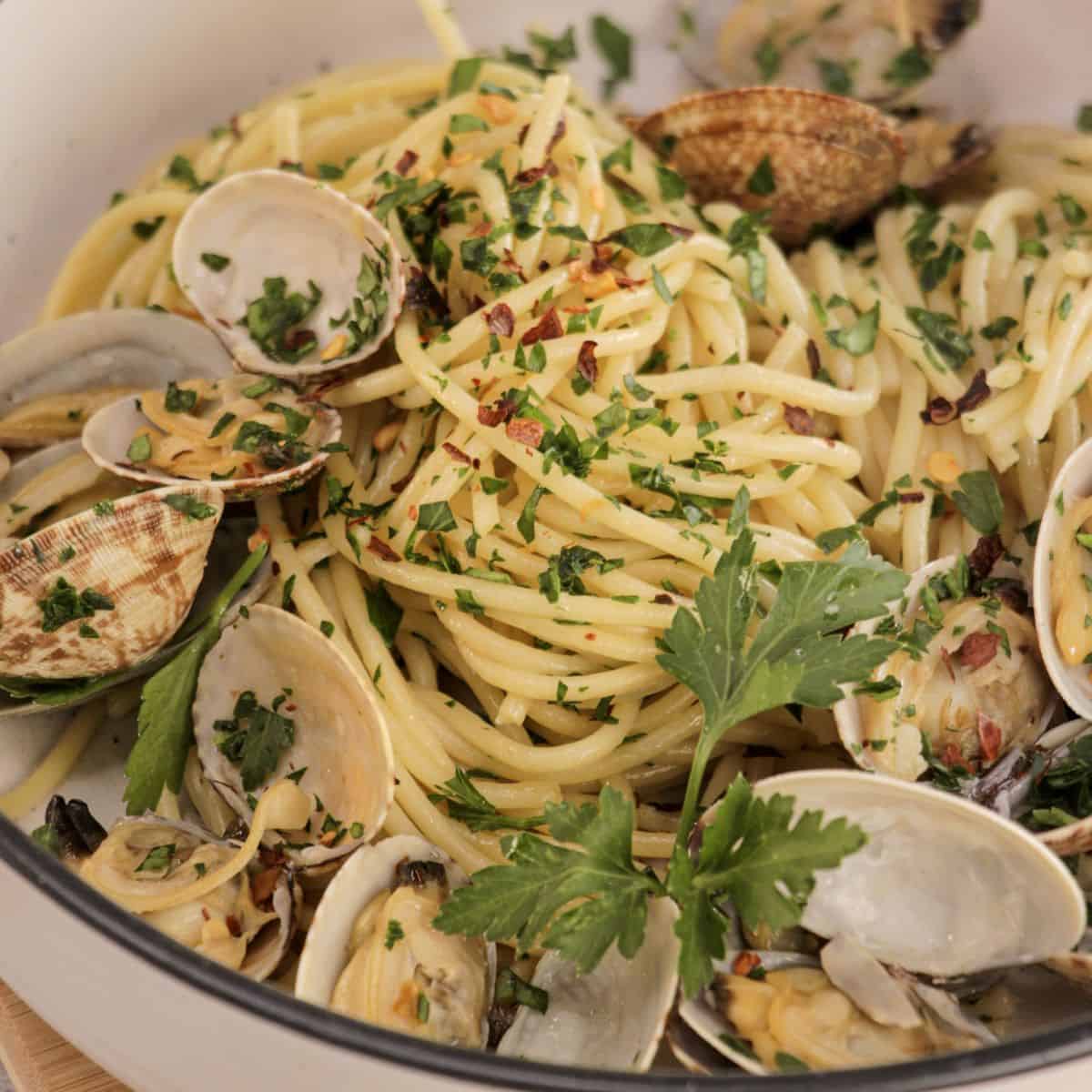
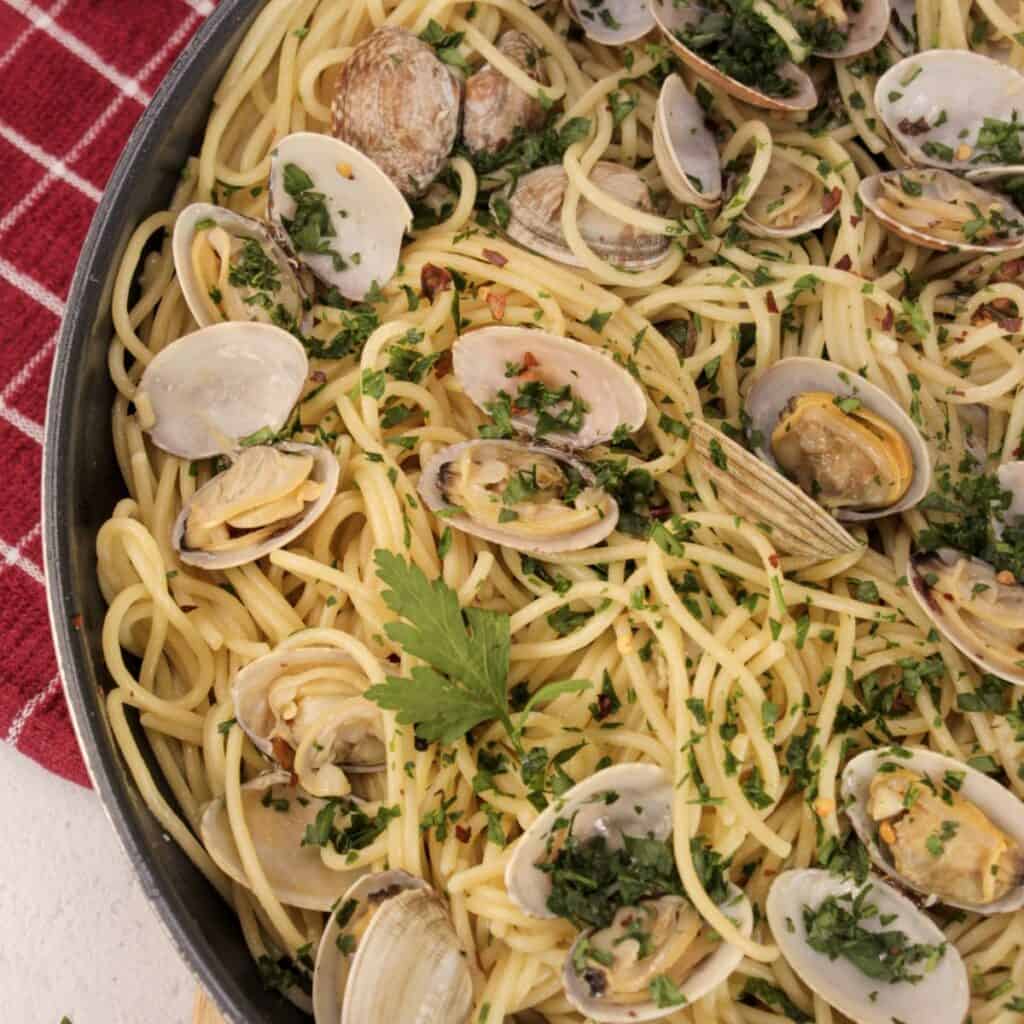
Delicious Italian clam pasta with herbs and fresh clams in authentic spaghetti alle vongole recipe.
Home

Authentic Spaghetti alle Vongole Recipe (Classic Italian Clam Pasta)

The Spaghetti alle Vongole recipe is Italian coastal cooking at its most elegant. Light, briny, and fragrant with garlic and white wine, this classic clam pasta captures the rhythm of seaside kitchens where freshness matters more than excess. There is no heavy sauce here, no cream, and no distraction from the sea itself.

I remember watching this dish come together in minutes, clams steaming open as soon as they hit the pan, their juices mingling with olive oil and wine to form a silky, natural sauce. The aroma alone was intoxicating. Salty, mineral-rich, and unmistakably Mediterranean. It’s the kind of pasta that demands attention and respect, because timing is everything.

An authentic spaghetti alle vongole recipe relies on restraint. The clams season the dish naturally. The garlic perfumes without overpowering. The wine lifts everything just enough. When done correctly, each strand of pasta is coated in a glossy sauce that tastes like the sea, clean and vibrant.

This is not a dish for shortcuts. It’s a dish for understanding technique, trusting ingredients, and cooking with confidence. When you do, spaghetti alle vongole becomes one of the most rewarding traditional Italian pasta recipes you can make at home.

Delicious Italian clam pasta with herbs and fresh clams.
What is Spaghetti alle Vongole?

Spaghetti alle Vongole is a traditional Italian seafood pasta made with spaghetti, fresh clams, garlic, olive oil, white wine, and parsley, known for its light, briny, and elegant sauce.

Key Takeaways

  • Spaghetti alle Vongole is a traditional Italian seafood pasta emphasizing fresh ingredients and technique, not heavy sauces.
  • This dish features spaghetti, littleneck clams, garlic, olive oil, white wine, and parsley for a clean, vibrant flavor.
  • Cooking requires careful timing, as clams release their juices to create a natural, silky sauce with the pasta.
  • Serve immediately for best flavor; avoid cheese as it overpowers the delicate seafood taste.
  • The recipe encapsulates Italian coastal cooking, reflecting simplicity and freshness from the sea.
[feast_advanced_jump_to]

Fast Facts

  • Prep Time: 20 minutes
  • Cook Time: 15 minutes
  • Total Time: 35 minutes
  • Servings: 4
  • Difficulty Level: Intermediate
  • Course: Primo
  • Cuisine: Italian coastal

Ingredients at a Glance – Spaghetti alle Vongole

For the Pasta

  • 12 oz spaghetti (340 g)
    • Classic dried spaghetti works best for structure and bite
  • Salt, for the pasta water
    • The water should taste like the sea

For the Clam Sauce

  • 2.2 lb fresh littleneck clams (1 kg)
    • Fresh, tightly closed clams are essential
  • 3 tablespoon extra virgin olive oil
    • Forms the base of the sauce
  • 3 cloves garlic, lightly crushed
    • Crushed, not minced, for aroma without sharpness
  • ½ teaspoon red chili flakes
    • Optional but traditional for gentle warmth
  • ½ cup dry white wine (120 ml)
    • Choose something crisp and dry, never sweet
  • Fresh parsley, finely chopped
    • Adds freshness and contrast at the finish

Equipment

You don’t need specialty gadgets to make authentic spaghetti alle vongole, but timing and surface area matter. Having everything ready before cooking makes this dish feel effortless rather than rushed.

Below are the essential pieces of equipment used in this Italian recipe. Chances are, you already have most of them in your kitchen.

Common tools you may already have:

  • Large pot
    • For boiling spaghetti in well-salted water
  • Wide sauté pan with lid
    • A wide pan allows clams to open evenly and release their juices
  • Colander
    • For draining pasta while reserving pasta water
  • Chef’s knife
    • For crushing garlic and chopping parsley
  • Cutting board
    • Stable prep surface
  • Heatproof measuring cup
    • For reserved pasta water

Optional tools to enhance your Italian dish:

  • Large shallow seafood pan
    • Ideal for steaming clams evenly
  • Wooden spoon
    • Gentle on clams and pasta when tossingFine-mesh strainer
  • Useful for checking clams for excess sand

Cooking with seafood is all about confidence and preparation.

If you're curious about which tools Italians actually rely on day to day, I've put together a simple starter guide to help you build a kitchen that works for you, not against you, the Italian way.

Get Your Free Starter Guide

The tools in your kitchen are just as essential as the ingredients on your plate.

Get the Free Guide

How Spaghetti alle Vongole Comes Together the Italian Way

Spaghetti alle Vongole is built on timing, restraint, and trust in the ingredients. Nothing is rushed, yet nothing waits too long.

It begins with the clams. They are soaked briefly to release any sand, then cooked just until they open. The moment they meet the hot pan and white wine, they release their natural juices. That liquid is the soul of the sauce. Salty, briny, and irreplaceable.

Garlic warms gently in olive oil, never browning, just enough to perfume the pan. Chili flakes add warmth rather than heat. When the clams open, the pan fills with steam and aroma that instantly signals you are doing things correctly.

Meanwhile, spaghetti cooks until just al dente. Not soft. Not stiff. The pasta finishes in the sauce, where a splash of starchy pasta water binds the olive oil and clam juices into a silky coating that clings to every strand.

Parsley finishes the dish with freshness. Salt is added only if needed, because the sea has already done most of the work. The result is glossy, light, and alive. This is a pasta meant to be eaten immediately, while the sauce is still shimmering and the clams are tender.

This is authentic spaghetti alle vongole. Clean flavors. No cream. No cheese. Just the sea, pasta, and technique.

Step-by-Step Instructions – Spaghetti alle Vongole

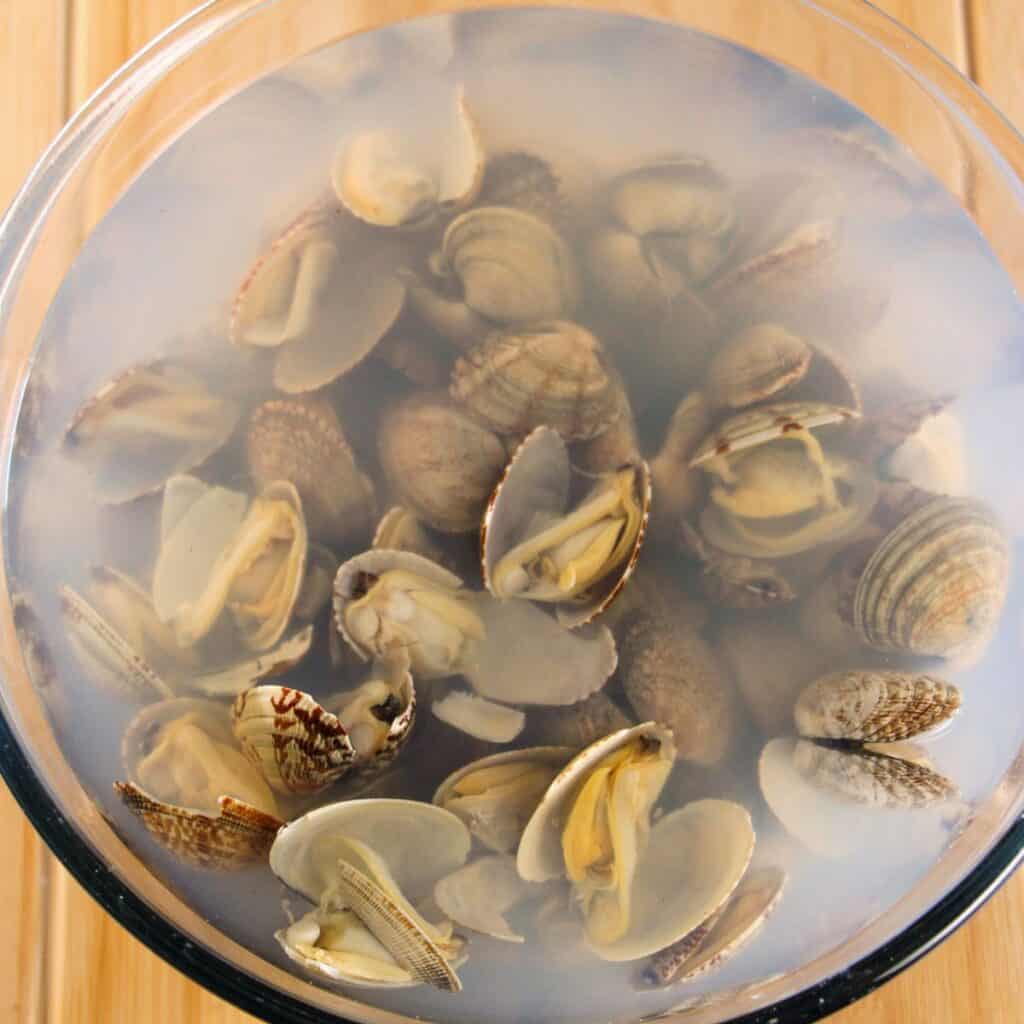
Clams soaking in water to remove sand and impurities before cooking.

1. Clean the Clams

  • Place 2.2 lb fresh clams in a bowl of cold water with 1 tablespoon salt.
  • Let soak for 20 to 30 minutes to release sand.
  • Rinse thoroughly and discard any clams that remain open when tapped.
Seafood Pasta with Clams for authentic spaghetti alle vongole recipe.

2. Cook the Spaghetti

  • Bring a large pot of water to a rolling boil.
  • Salt generously until the water tastes like the sea.
  • Add 14 oz spaghetti and cook until al dente.
  • Reserve ½ cup pasta water, then drain the pasta.
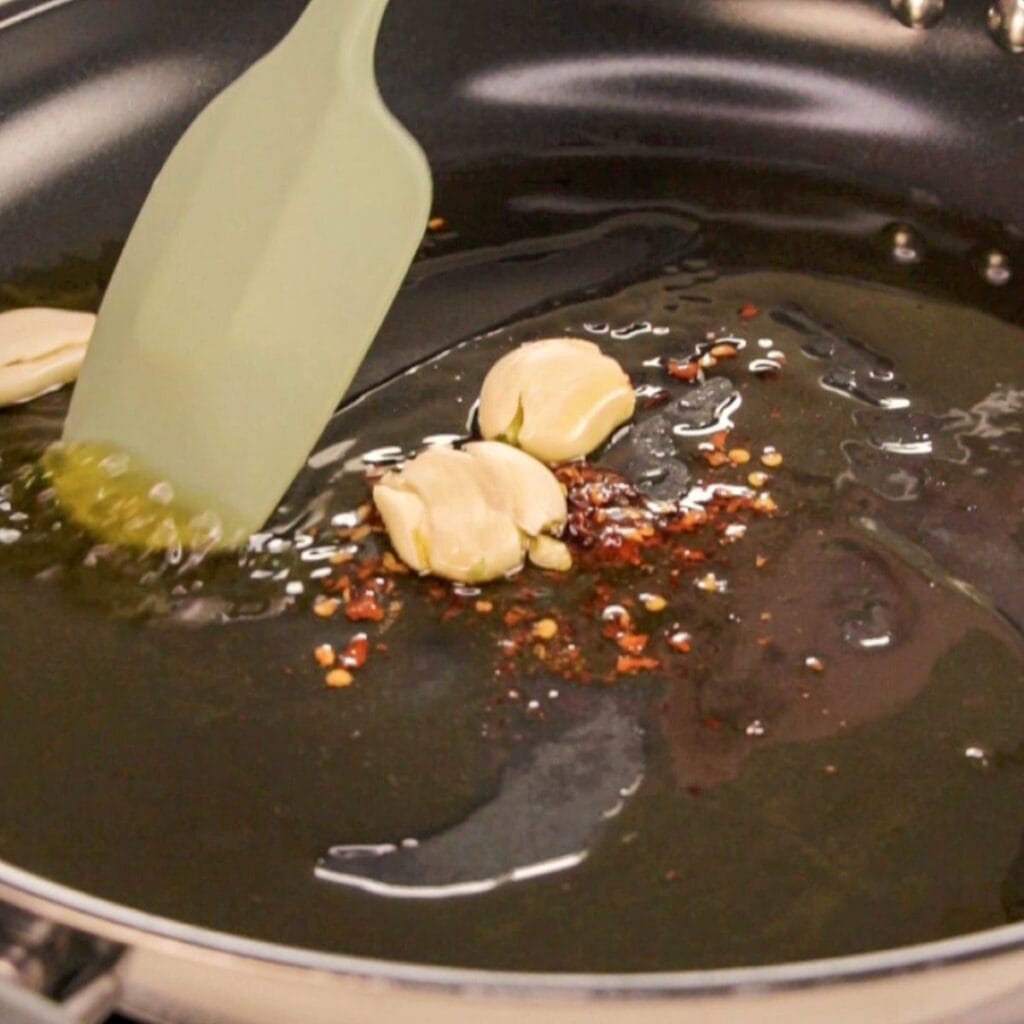
Garlic and chili being sautéed in olive oil for Italian recipes.

3. Build the Flavor Base

  • Heat 3 tablespoons extra virgin olive oil in a wide pan over medium heat.
  • Add 3 lightly crushed garlic cloves and ½ teaspoon red chili flakes.
  • Cook gently for 30 to 60 seconds, stirring constantly, until fragrant.
  • Do not brown the garlic.
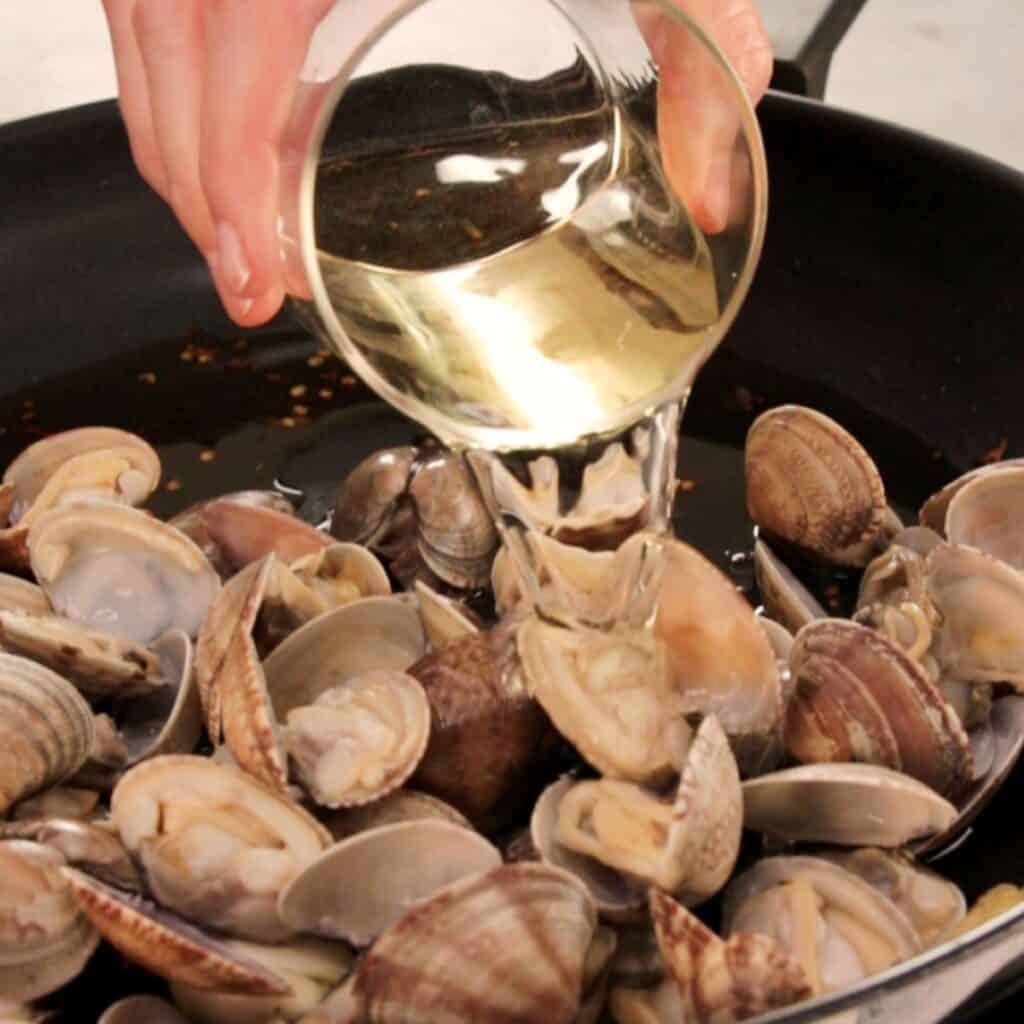
Seafood being cooked with white wine in a skillet, perfect for Italian seafood for Italian recipes.

4. Steam the Clams

  • Add the cleaned clams to the pan.
  • Immediately pour in ½ cup dry white wine.
  • Cover the pan and cook 3 to 5 minutes, shaking gently, until the clams open.
  • Discard any clams that remain closed.
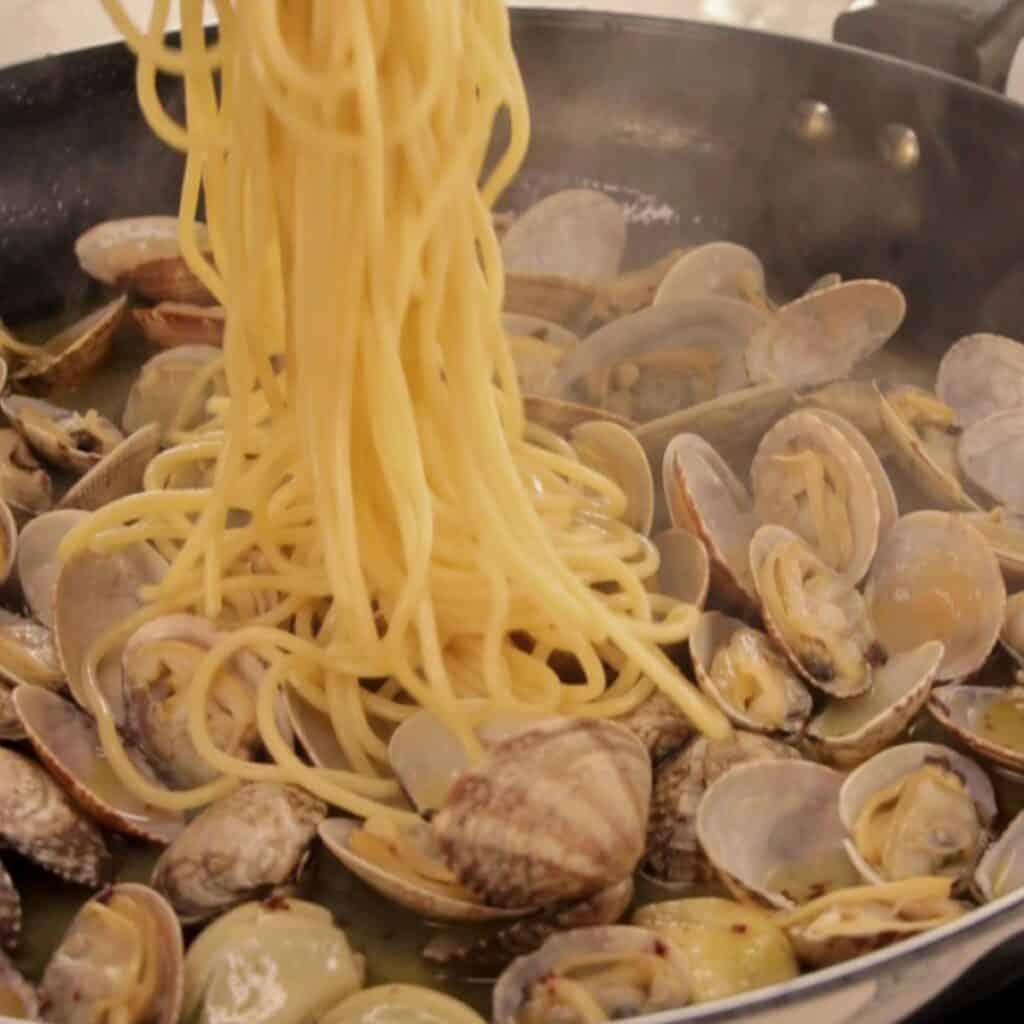
Delicious Italian clam pasta with herbs and fresh clams in a savory sauce for authentic spaghetti alle vongole recipe.

5. Combine Pasta and Sauce

  • Add the drained spaghetti directly to the pan.
  • Toss gently to coat in the olive oil, clam juices, and wine.
  • Add ¼ to ½ cup reserved pasta water, a little at a time, until the sauce becomes silky and glossy.
Delicious Italian clam pasta with herbs and fresh clams in authentic spaghetti alle vongole recipe.

6. Finish and Serve

  • Remove from heat.
  • Sprinkle with 2 tablespoons chopped fresh parsley.
  • Taste before adding salt. The clams provide natural salinity.
  • Serve immediately while the pasta is glossy and aromatic.

Watch: How to Make This Spaghetti alle Vongole Recipe Step by Step

Prefer to watch this recipe in action?
This step-by-step video walks you through the key moments, so you can cook with confidence.

Subscribe to Italian Cooking Ideas on YouTube for more authentic Italian recipes, techniques, and kitchen tips.

Watch on YouTube >

Why You’ll Love This Spaghetti alle Vongole Recipe

This classic spaghetti alle vongole recipe is light, elegant, and deeply satisfying without feeling heavy. Each bite carries the briny sweetness of clams, the warmth of olive oil, and the brightness of white wine. The aroma alone brings the Mediterranean to your kitchen.

It’s a dish that feels special without being complicated. Perfect for a seafood lover, a dinner for guests, or a night when you want something truly Italian. Once you master the timing, this pasta becomes a go-to recipe that always impresses.

Notes & Authentic Tips For Your Italian Dish

Spaghetti alle vongole rewards restraint. Garlic should remain whole or lightly crushed so it perfumes the oil without dominating. Minced garlic makes the sauce aggressive rather than elegant.

Never add cheese. Dairy dulls the natural salinity of the clams and breaks tradition. The sauce should remain silky and light, built only from olive oil, wine, clam juices, and pasta water.

Always plate immediately. This dish does not wait well. It’s meant to be eaten while glossy, fragrant, and alive. If you pause too long, the sauce tightens and the clams lose tenderness.

Cultural & Historical Significance of Spaghetti alle Vongole

Spaghetti alle Vongole comes from Italy’s coastal regions, especially Campania and Lazio, where seafood cooking is guided by freshness and simplicity. Fishermen’s kitchens relied on what the sea provided daily, pairing shellfish with pantry staples like pasta, olive oil, and garlic.

Traditionally prepared as a white version without tomatoes, this dish reflects the Italian philosophy of letting ingredients speak for themselves. Over generations, it became a symbol of coastal Italian cooking and remains a staple in seaside trattorias across Italy.

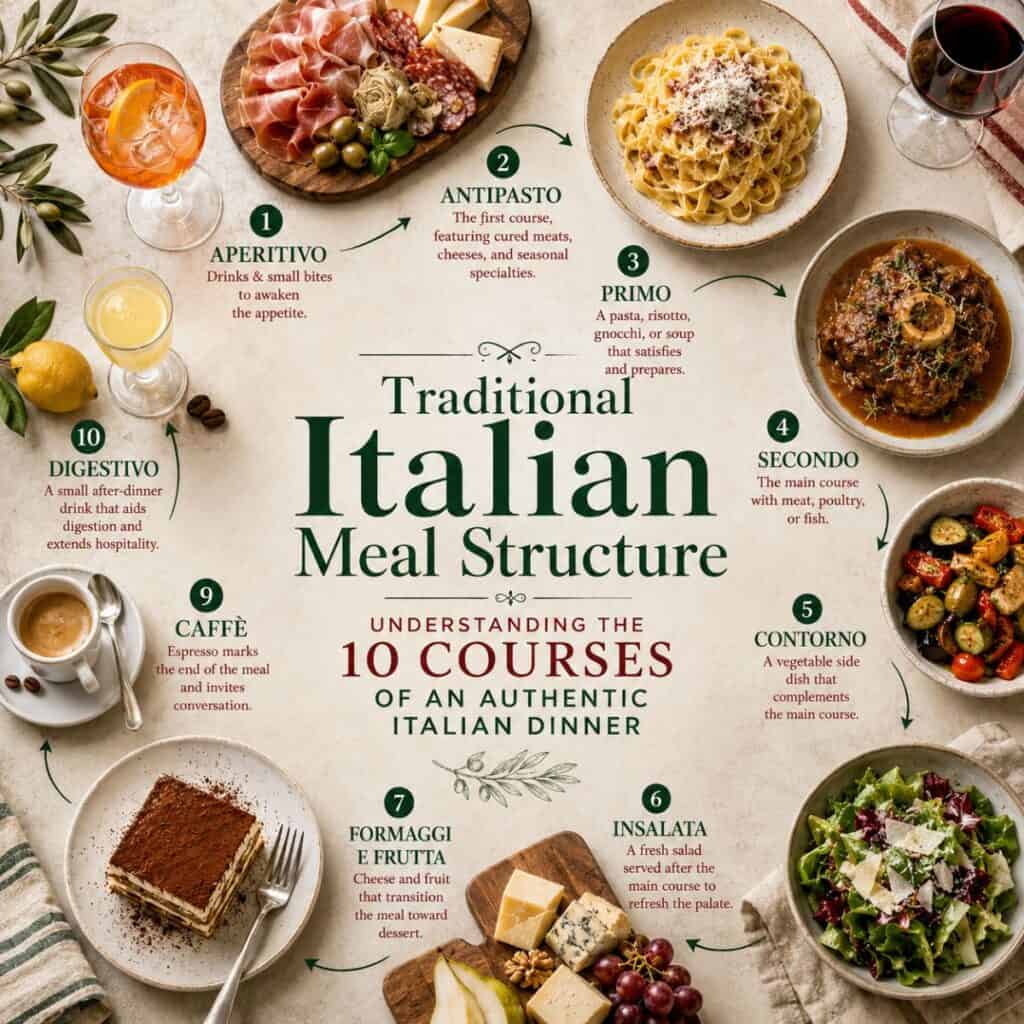
Traditional Italian Meal Structure

Did you know that every recipe you enjoy is part of a bigger story?

In Italy, meals follow the traditional Italian meal structure, a time-honored sequence of courses from aperitivo to dolce. Each dish plays a role in creating balance, flavor, and a sense of occasion around the table.

Spaghetti alle Vongole is served as a Primo, the pasta course of a traditional Italian meal. It’s often followed by a simple Secondo such as grilled fish or vegetables, keeping the meal balanced and light.

Understanding where this dish fits helps you plan an authentic Italian dining experience rather than treating it as a standalone plate.

Explore our complete Traditional Italian Meal Structure Guide to see how this recipe fits into a full Italian menu.

Learn the Italian Meal Structure

Pairing Suggestions for Your Spaghetti alle Vongole Recipe

  • Appetizer
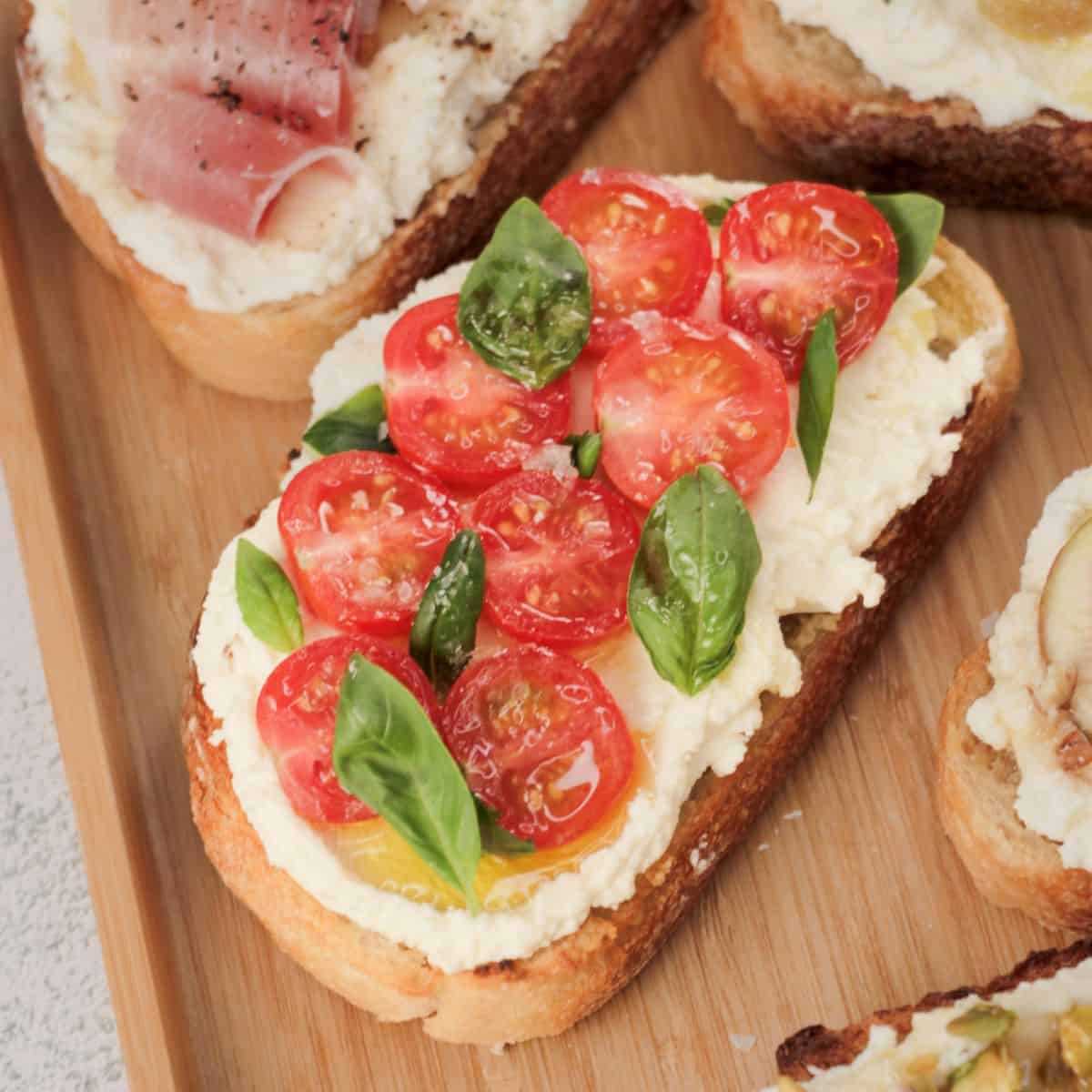
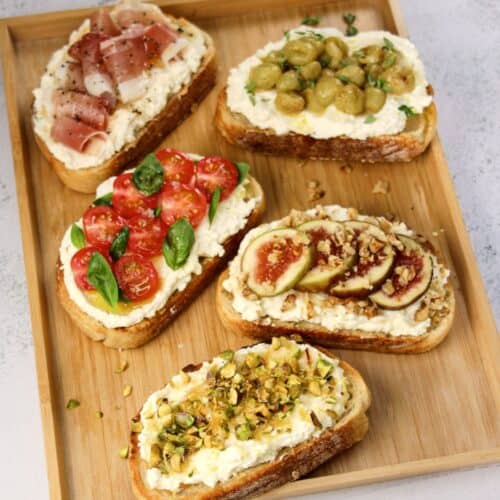
    • Italian Ricotta Toast with Tomato and Basil offers a creamy contrast before the seafood course.
  • Main Course Follow-Up
    • Grilled vegetables or a simple second course keeps the meal light and traditional.
  • Wine
    • Pair with Pinot Grigio, Vermentino, or Falanghina. These wines complement seafood without overpowering it.
  • Dessert
    • Finish with Tiramisu or Cannoli to gently balance the briny flavors with sweetness.

Variations For Your Italian Dish

  • Vongole Rosso
    • Add a small spoon of crushed tomatoes for a light red variation.
  • Extra Garlic
    • Add an extra crushed clove for deeper aroma without sharpness.
  • Spicy Version
    • Increase chili flakes slightly for more warmth.
  • Gluten-Free
    • Use gluten-free spaghetti and keep the sauce unchanged.

Frequently Asked Questions (FAQ)

Is spaghetti alle vongole an authentic Italian recipe?

Yes. It is a traditional Italian seafood pasta commonly prepared along the coast.

Do I need fresh clams for spaghetti alle vongole?

Yes. Fresh clams are essential for flavor and texture.

Can I use canned clams?

No. Canned clams lack the juice and freshness needed for the sauce.

Why is there no cheese in spaghetti alle vongole?

Cheese overpowers the delicate seafood flavor and is not traditional.

Is spaghetti alle vongole spicy?

It can be mildly spicy if chili flakes are used, but heat is optional.

Can I make this ahead of time?

No. This dish is best cooked and served immediately.

What wine is best for cooking spaghetti alle vongole?

Use a dry white wine like Pinot Grigio or Vermentino.

Nutritional Facts (per serving)

  • Calories: 480
  • Carbohydrates: 62 g
  • Protein: 24 g
  • Total Fat: 14 g
  • Saturated Fat: 2 g
  • Sodium: 520 mg
  • Dietary Fiber: 3 g

Values are approximate and may vary based on ingredients and portion size.

Dietary Tags: Dairy-free, Egg-free, Nut-free, Soy-free, Pescatarian

This recipe relies on seafood and pantry ingredients. Always verify shellfish freshness and individual dietary needs.


- From Our Kitchen to Yours -

Follow Us and Join the Italian Cooking Ideas Kitchen!

Loved This Spaghetti alle Vongole? Let’s Keep Cooking Together!

If you try this recipe, share your creation and tag #ItalianCookingIdeas on:

  • Pinterest
  • Facebook
  • YouTube
  • Reddit
  • Instagram
  • TikTok

Get Weekly Italian Recipes in Your Inbox. Authentic Italian recipes, cooking tips, and behind-the-scenes stories straight from our kitchen.


Delicious Italian clam pasta with herbs and fresh clams in authentic spaghetti alle vongole recipe.

Spaghetti alle Vongole

480kcal
5 from 1 vote
Pinterest Facebook Share on X
Share Print
Prep 20 minutes mins
Cook 15 minutes mins
Total 35 minutes mins
Make authentic Spaghetti alle Vongole with fresh clams, garlic, olive oil, and white wine. A classic Italian seafood pasta that’s light, elegant, and simple.
Servings 4
Course Dinner, Lunch, Main Course, Primo
Cuisine Italian

Ingredients

For the Pasta
  • 12 oz spaghetti 340 g
  • Salt for the pasta water
For the Clam Sauce
  • 2.2 lb fresh littleneck clams 1 kg
  • 3 tablespoon extra virgin olive oil
  • 3 cloves garlic lightly crushed
  • ½ cup dry white wine 120 ml
  • Fresh parsley finely chopped
Optional but traditional for gentle warmth
  • ½ teaspoon red chili flakes
InstacartGet Recipe Ingredients

Instructions

Clean the Clams
  1. Place 2.2 lb fresh clams in a bowl of cold water with 1 tablespoon salt.
  2. Let soak for 20 to 30 minutes to release sand.
  3. Rinse thoroughly and discard any clams that remain open when tapped.
Cook the Spaghetti
  1. Bring a large pot of water to a rolling boil.
  2. Salt generously until the water tastes like the sea.
  3. Add 14 oz spaghetti and cook until al dente.
  4. Reserve ½ cup pasta water, then drain the pasta.
Build the Flavor Base
  1. Heat 3 tablespoons extra virgin olive oil in a wide pan over medium heat.
  2. Add 3 lightly crushed garlic cloves and ½ teaspoon red chili flakes.
  3. Cook gently for 30 to 60 seconds, stirring constantly, until fragrant.
  4. Do not brown the garlic.
Steam the Clams
  1. Add the cleaned clams to the pan.
  2. Immediately pour in ½ cup dry white wine.
  3. Cover the pan and cook 3 to 5 minutes, shaking gently, until the clams open.
  4. Discard any clams that remain closed.
Combine Pasta and Sauce
  1. Add the drained spaghetti directly to the pan.
  2. Toss gently to coat in the olive oil, clam juices, and wine.
  3. Add ¼ to ½ cup reserved pasta water, a little at a time, until the sauce becomes silky and glossy.
Finish and Serve
  1. Remove from heat.
  2. Sprinkle with 2 tablespoons chopped fresh parsley.
  3. Taste before adding salt. The clams provide natural salinity.
  4. Serve immediately while the pasta is glossy and aromatic.

Nutrition

Serving4gCalories480kcalCarbohydrates62gProtein24gFat14gSaturated Fat2gSodium520mgFiber3g

Private Notes

Click here to add your own private notes.

Tried this recipe?

Let us know how it was!

Cold-Pressed vs Extra Virgin Olive Oil: What Actually Matters

January 18, 2026 by Jacob Flores Leave a Comment

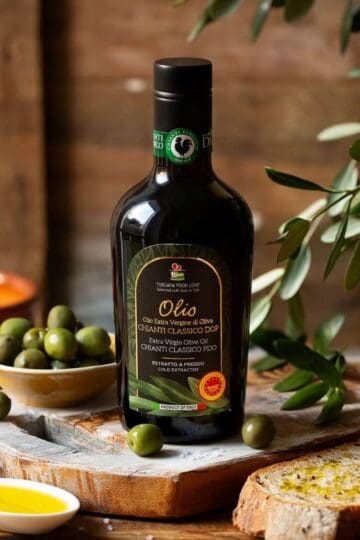
High-quality cold-pressed vs extra virgin olive oil for authentic Italian recipes and cuisine
Home

Estimated reading time: 7 minutes

High-quality cold-pressed vs extra virgin olive oil for authentic Italian recipes and cuisine
At a glance

Cold-pressed describes how olive oil is extracted.
Extra virgin defines its quality, purity, and flavor.

Cold-Pressed vs Extra Virgin Olive Oil

Olive oil is the first sound in an Italian kitchen. It whispers as it warms in the pan and catches the light as it settles into a shallow bowl. Its aroma rises gently, long before garlic or onions meet the heat. This is how Italian cooking begins. Calm, deliberate, and attentive.

Yet olive oil often creates confusion. Bottles promise tradition and quality, but labels rarely explain what truly matters. Two terms appear again and again: cold-pressed and extra virgin. They sound similar. However, they describe very different things. When cooks understand this difference, they gain clarity and allow Italian food to speak with confidence instead of confusion.

Why Extra Virgin Olive Oil Matters in Italian Cooking

Olive oil does far more than act as a cooking fat in Italian cuisine. Instead, it shapes balance, texture, and aroma in nearly every dish. It carries flavor forward without hiding other ingredients and gives food a sense of completeness.

You can taste this immediately in simple preparations. For example, dishes like bruschetta rely almost entirely on the quality of the oil. When cooks use fresh extra virgin olive oil, bread, tomatoes, and salt fall into place naturally. When the oil tastes flat or overheated, the dish loses its voice.

Extra virgin olive oil matters because it keeps the flavor of the olive clear and intact. Cold-pressed extraction matters because it protects that flavor during production. Because Italian cooking relies on restraint, each ingredient must contribute honestly, especially when a dish includes very few components.

What “Extra Virgin” Actually Means

Extra virgin olive oil is not a marketing phrase. It is a chemical and sensory standard.

To qualify as extra virgin:

  • It must be mechanically extracted, not chemically refined.
  • It must meet strict acidity levels.
  • It must pass sensory evaluation with no defects.

In Italy, this is not optional. It is assumed.

Extra virgin oil retains natural fruitiness, bitterness, and peppery finish. Those characteristics indicate freshness and proper production.

Lower grades lose aroma and complexity.

When building soffritto or finishing vegetables, quality olive oil determines whether flavors integrate or feel muted.


See Soffritto & Building Flavor the Italian Way

How Italians Use Olive Oil in Everyday Cooking

Italian cooks use olive oil with intention.

Most often, cooks choose extra virgin olive oil when flavor should feel present and alive. They pour it raw over vegetables, beans, seafood, and bread. Additionally, many cooks add it at the end of cooking so its aroma remains bright. As a result, a finished pasta dish often tastes fuller with just a final drizzle, even before cheese enters the picture.

Cold-pressed oils earn value because lower extraction temperatures protect delicate fruit notes and antioxidants. However, Italians rarely trust labels alone. Instead, they smell the oil, taste it, and observe how it behaves in the pan.

Just as important, however, is knowing when not to use olive oil. Very high heat dulls its character and strips away aroma. For this reason, Italian cooking avoids forcing ingredients into roles they were never meant to play.

Olive oil shows its best character when properly seasoned. A small amount of salt helps soften bitterness and bring out natural fruitiness, which is why understanding How Italians Use Salt in Cooking matters just as much as choosing the oil itself.

How Olive Oil Works Across Italian Cooking

Extra Virgin vs Refined Oils
Italian cooks reach for extra virgin olive oil when flavor matters. They treat refined olive oil as a neutral fat and use it only when technique demands restraint. In dishes where olive oil should be tasted, refinement offers no advantage.

Olive Oil in Raw Applications
Many Italian dishes depend on olive oil in its raw state. Salads, grilled vegetables, beans, and simple seafood preparations rely on oil to carry aroma and depth. In these cases, olive oil acts as part of the seasoning rather than a background ingredient.

Olive Oil in Sauces
Cooks often use olive oil twice in sauces. First, they add it early to build a gentle base. Later, they return to it at the end to restore aroma and freshness. Because of this layering, Italian sauces feel rich without becoming greasy.

Olive Oil and Vegetables
A light coating of olive oil helps vegetables cook evenly and develop sweetness. However, too much oil masks flavor instead of enhancing it. Therefore, restraint matters more than quantity.

When Not to Use Olive Oil
Aggressive searing, deep frying, and prolonged high heat strip extra virgin olive oil of its character. Instead of wasting good oil, Italian cooks reserve it for moments when its flavor can be tasted.

Common Mistakes Home Cooks Make

One common mistake happens when cooks assume cold-pressed always means high quality. In reality, the term only describes extraction method. It does not guarantee extra virgin standards.

Another mistake appears when cooks overheat extra virgin olive oil until its aroma fades and bitterness sharpens. Olive oil cannot rescue bland ingredients or rushed technique. Instead, it reflects the care already present in the dish.

Many cooks also expect olive oil to act as a shortcut to flavor. In Italian cooking, however, oil amplifies quality. It never replaces it.

Cultural or Regional Insight

Italian olive oil reflects the land it comes from. In Liguria, oils remain light and floral, which suits fish and tender vegetables. In Tuscany, producers create bold oils with a peppery bite that energize beans, meats, and grilled bread. Meanwhile, Puglia and Sicily offer richly fruity oils that anchor hearty southern dishes.

Because cold-pressed extraction preserves these traits, regional character remains intact. Extra virgin classification then protects purity and expression.

Practical Kitchen Takeaways

Use extra virgin olive oil when flavor matters most. Choose cold-pressed oils for freshness and aroma. Match the oil’s strength to the dish instead of relying on one bottle for everything. Use less oil, but choose better oil. Avoid extreme heat. Finally, store bottles away from light and warmth, and buy amounts you can finish while the oil remains fresh.

Italian cooking rewards attention more than excess.

FAQs

Is cold-pressed olive oil the same as extra virgin?

No. Cold-pressed describes extraction temperature. Extra virgin defines quality and purity.

Which matters more, cold-pressed or extra virgin?

Extra virgin matters most for flavor. Cold-pressed extraction supports freshness.

Can I cook with extra virgin olive oil every day?

Yes. It performs well with moderate heat and is used daily in Italy.

Does pressing temperature affect nutrition?

Yes. Lower temperatures protect antioxidants and polyphenols.

Why does some olive oil taste bitter or peppery?

Those flavors come from polyphenols and often signal freshness.

How long does extra virgin olive oil stay fresh?

For best flavor, use it within 12 to 18 months from harvest.

Should olive oil be refrigerated?

No. Store it in a cool, dark place away from heat.

Is refined olive oil bad for Italian cooking?

It works as a neutral fat but lacks the flavor Italians value.

How do I choose the right olive oil for a dish?

Delicate dishes need gentle oils. Hearty dishes welcome bolder ones.

Closing

Understanding olive oil does not require memorizing labels or chasing trends. Instead, it begins with attention. Notice how an oil smells, how it tastes, and how it behaves with heat. Cold-pressed extraction protects the olive’s essence. Extra virgin classification honors it. When cooks respect both, olive oil becomes more than an ingredient. It becomes a quiet guide that leads each dish toward balance, clarity, and confidence.

Key Takeaways

  • Cold-pressed refers to the extraction method; extra virgin defines quality and flavor.
  • Extra virgin olive oil is essential in Italian cooking for its ability to enhance dish balance and aroma.
  • Italian cooks use olive oil intentionally, often adding it raw to preserve its fresh taste and aroma.
  • Many common mistakes include assuming cold-pressed guarantees quality and overheating extra virgin oil, which leads to bitterness.
  • Olive oil's flavor varies regionally in Italy, with cold-pressed extraction preserving these distinct characteristics.

Salt in Italian Cooking: Why It Matters More Than You Think

January 18, 2026 by Jacob Flores Leave a Comment

salt in Italian cooking with fresh tomatoes, garlic, and basil on rustic wooden background.
Home

Estimated reading time: 6 minutes

salt in Italian cooking with fresh tomatoes, garlic, and basil on rustic wooden background.
At a glance

Salt does not make Italian food salty.
It reveals balance, sweetness, and depth already present.

There is a moment every Italian cook recognizes. The pasta is al dente. The sauce coats the spoon just right. The ingredients are good. Yet the dish tastes muted. Quiet. Incomplete.

One small pinch of salt, added at the right moment, changes everything.

In Italian cooking, salt is not about dominance. It is about clarity. Tomatoes taste sweeter. Pasta feels fuller on the tongue. Olive oil softens and rounds out. When salt is used well, it dissolves into the dish and leaves only balance behind.

Why Salt Matters in Italian Cooking

Italian cuisine is built on restraint. When a dish relies on only a few ingredients, each one must earn its place. Salt matters because it does not introduce a new flavor. It sharpens the flavors already there.

You can taste this clearly in a simple tomato sauce. When salt is added early, the tomatoes soften and deepen as they cook. Their natural sweetness becomes more pronounced, and the sauce develops body without relying on sugar or long reductions. Without early seasoning, even excellent tomatoes struggle to find their voice.

Salt lifts sweetness in tomatoes, tames bitterness in vegetables, and brings harmony to fats like olive oil and cheese. Without it, even good ingredients feel incomplete. With it, food feels finished

How Italians Use Salt in Everyday Cooking

Italian cooks think about salt in layers.

Pasta water is salted before the pasta ever touches the pot. This seasons the pasta from within, so it carries flavor into the sauce rather than relying on heavy seasoning later. When you taste a well-made pasta dish, the noodles themselves feel seasoned, not just coated. This is why dishes like Spaghetti alla Carbonara or cacio e pepe taste complete even though the ingredient list is short.

Sauces are seasoned gradually as they simmer. Salt guides flavor as the dish develops instead of correcting it at the end. Vegetables are lightly salted early so they release moisture and reveal sweetness, whether they are sautéed gently or roasted until caramelized.

Salt is rarely used to fix mistakes. It is used to shape a dish as it comes together. Just as important is knowing when to stop. Once balance is reached, restraint matters more than correction.

How Salt Works Across Italian Cooking

Different Types of Salt in Italian Kitchens
Italian cooks rely on coarse sea salt for everyday cooking. Its larger crystals dissolve slowly and allow better control. Fine salt is used sparingly, while specialty salts are saved for finishing, when texture matters as much as taste.

Salted vs Unsalted Ingredients
Italian cooking balances salt across the entire dish. Ingredients such as Pecorino cheese, anchovies, olives, and cured meats already contribute salinity. In dishes built around these ingredients, seasoning must be lighter and more deliberate. A pasta finished with aged cheese, for example, needs far less added salt than one built on vegetables alone.

Salt and Pasta Cooking
Pasta water is seasoned generously so the pasta itself carries flavor into the sauce. This foundation is what allows simple pasta dishes to rely on fat and cheese for richness without tasting flat. When pasta is under-seasoned, no amount of sauce can fully correct it.

Salt and Bread Baking
Salt strengthens dough structure and controls fermentation. In regions like Tuscany, bread is intentionally unsalted. This is not a flaw. It is a deliberate choice that allows salty cheeses, cured meats, and olive oil to take the lead at the table. The bread supports the meal instead of competing with it.

Salt in Italian Sauces
Salt is added early in sauces to help flavors develop and concentrate. Late salting often tastes sharp and disconnected, sitting on top of the sauce instead of blending into it.

Salt and Vegetables
Light seasoning encourages vegetables to release moisture, soften evenly, and develop sweetness. This is especially important in simple vegetable dishes, where salt replaces complexity with clarity.

Salting Meats in Italian Cooking
Salt is applied before cooking so it penetrates the meat and improves texture, not just surface flavor. This results in meat that tastes seasoned throughout, not only on the outside.

Salt as a Finishing Touch
Used sparingly at the end, salt can sharpen flavor and add contrast, but only when the dish has already been seasoned properly throughout cooking.

Salt helps balance fats like olive oil, allowing their flavor to feel round rather than heavy. This is especially true when using high-quality oils, which we explore in our guide to Choosing and Using Italian Olive Oil.

Common Mistakes Home Cooks Make

Under-salting out of fear is common. Many cooks worry that seasoning early will ruin a dish, when early seasoning actually provides the most control.

Another mistake is salting only at the end. At that point, salt sits on the surface instead of blending in. Relying solely on fine table salt also increases the risk of over-seasoning.

Finally, salt is often expected to rescue poor ingredients. It cannot. Salt elevates good food. It does not replace it.

Cultural or Regional Insight

Salt reflects regional balance across Italy. Coastal areas season lightly to respect delicate seafood. Inland regions season more assertively to support grains and legumes.

In Tuscany, unsalted bread remains a quiet example of how Italian cooking values contrast over uniformity. Salt is never used in isolation. It exists to support the whole.

Practical Kitchen Takeaways

Salt pasta water generously so the pasta itself carries flavor. Season sauces and vegetables early, adjusting gradually. Choose salts that give control rather than intensity. Taste often and trust your palate.

Italian cooking rewards attention more than precision.

FAQs

Why does Italian food need more salt than I expect?

Because simple ingredients rely on salt to express their natural flavor.

How salty should pasta water be?

Well seasoned, similar to a light broth.

Is sea salt better than table salt?

Sea salt offers better control and a cleaner taste.

When should I add salt during cooking?

Early and gradually.

Can I fix a dish if I forgot to salt early?

You can improve it, but balance will suffer.

Why is some Italian bread unsalted?

To balance salty cheeses, cured meats, and olive oil.

Does salt affect texture as well as flavor?

Yes. It influences moisture, tenderness, and structure.

Should I finish dishes with salt?

Only lightly, and only if the dish is already balanced.

Closing

Salt is not the star of Italian cooking, and that is exactly why it matters. When used with restraint and confidence, it quietly supports every ingredient on the plate. Mastering salt is not about measuring more carefully. It is about tasting more attentively.

Once you understand that, Italian cooking becomes calmer, clearer, and far more rewarding.

Key Takeaways

  • Salt in Italian cooking enhances flavors without overpowering them, revealing balance and depth.
  • Italian cooks use salt early and thoughtfully, treating it as a key ingredient rather than a corrective measure.
  • Different types of salt offer varying control; coarse sea salt is preferred for everyday use.
  • Common mistakes include under-salting, salting only at the end, and expecting salt to fix poor-quality ingredients.
  • Understanding the role of salt can transform your cooking, making the dish more harmonious and complete.

    Penne all’Arrabbiata

    January 16, 2026 by Jacob Flores 1 Comment

    Delicious Italian pasta with fresh tomatoes, herbs, and cheese, perfect for authentic penne all arrabbiata recipe
    Home

    Penne all’Arrabbiata: A Bold, Spicy Italian Pasta Made the Traditional Way

    There’s something bold and unapologetic about Penne all’Arrabbiata. Born in the heart of Rome, this fiery pasta proves that Italian cooking doesn’t need complexity to deliver unforgettable flavor. Just tomatoes, garlic, olive oil, and chili flakes come together to create a sauce that’s spicy, vibrant, and deeply satisfying.

    I still remember the first time I had arrabbiata served properly. No cream. No shortcuts. Just penne coated in a glossy tomato sauce with a gentle heat that builds with every bite. It was rustic, fast, and incredibly honest. That’s the beauty of this dish. It’s a true example of authentic Italian pasta where technique and ingredient quality matter more than anything else.

    This authentic Penne all’Arrabbiata recipe is perfect for weeknight dinners, beginner home cooks, or anyone craving a classic Roman pasta that delivers bold flavor with minimal effort. If you love spicy Italian food, this dish belongs in your rotation.

    Delicious Italian pasta with fresh tomatoes, herbs, and cheese, perfect for authentic penne allarrabbiata
    What is Penne all’Arrabbiata?

    Penne all’Arrabbiata is a traditional Roman pasta dish made with penne, tomatoes, garlic, olive oil, and red chili flakes. Its name means “angry pasta,” referring to the spicy heat of the sauce.

    [feast_advanced_jump_to]

    Fast Facts

    • Prep Time: 5 minutes
    • Cook Time: 20 minutes
    • Total Time: 25 minutes
    • Servings: 4
    • Difficulty Level: Beginner
    • Course: Primo
    • Cuisine: Italian (Roman)

    Ingredients

    For the Pasta

    • 12 oz (340 g) penne pasta
      Use classic penne rigate so the sauce clings to every ridge
    • Salt, for the pasta water
      The water should taste like the sea

    For the Arrabbiata Sauce

    • 3 tablespoon extra virgin olive oil
      Roman sauces rely on olive oil for depth and silkiness
    • 3 cloves garlic, thinly sliced
      Sliced, not minced, for gentle infusion without bitterness
    • ½ to 1 teaspoon crushed red pepper flakes
      Adjust to taste. Arrabbiata means angry, but you control the heat
    • 1 can (28 oz / 800 g) San Marzano tomatoes, crushed by hand
      Sweet, low-acid tomatoes are essential for authentic flavor
    • Salt, to taste

    To Finish

    • Fresh parsley, finely chopped
      Traditional in Rome instead of basil
    • Extra virgin olive oil, for drizzling

    Ingredient Notes for Authentic Results

    Penne all’Arrabbiata is intentionally simple. With so few ingredients, quality matters. Choose good olive oil, real San Marzano tomatoes, and dried pasta made with durum wheat. There is no cheese in a traditional arrabbiata recipe, so the heat and tomato flavor remain front and center.

    Equipment

    Italian cooking has never been about fancy gadgets. It's about using the right tools, in the right way, to let simple ingredients shine.

    Below are the essential pieces of equipment used in this Italian recipe. Chances are, you already have most of them in your kitchen.

    Common tools you may already have:

    • Large pot
      For boiling the penne pasta in well-salted water
    • Colander
      To drain the pasta while reserving a bit of pasta water
    • Wide sauté pan or skillet
      A wide surface helps the sauce reduce evenly and coat the pasta
    • Wooden spoon or heat-safe spatula
      Ideal for gently stirring garlic and chili flakes without scorching
    • Chef’s knife
      For slicing garlic cleanly and evenly
    • Cutting board
      A stable surface for prep work

    Optional tools to enhance your Italian dish:

    • Microplane or fine grater
      Useful if you finish with fresh parsley or citrus zest in variations
    • Measuring spoons
      Helpful when adjusting chili heat to taste
    • Heatproof measuring cup
      For reserving pasta water to loosen the sauce if needed

    Cooking with Confidence

    Arrabbiata is a fast-moving sauce, so having your tools ready before you begin makes a big difference. Once the garlic hits the olive oil, everything comes together quickly, just like it would in a Roman kitchen.

    If you're curious about which tools Italians actually rely on day to day, I've put together a simple starter guide to help you build a kitchen that works for you, not against you, the Italian way.

    Get Your Free Starter Guide

    The tools in your kitchen are just as essential as the ingredients on your plate.

    Get the Free Guide

    How Authentic Penne all’Arrabbiata Comes Together the Italian Way

    Penne all’Arrabbiata is proof that bold Italian flavor does not require complexity. This dish is built on heat, timing, and restraint, where each ingredient has a clear role and nothing is meant to overpower the other.

    It begins gently, not aggressively. Olive oil warms in the pan until it shimmers, creating the base for the garlic and chili. When the garlic hits the oil, the aroma should bloom immediately. This is the moment where patience matters most. The garlic should soften and perfume the oil, never brown. Browning brings bitterness, and arrabbiata should be fiery, not harsh.

    Crushed red pepper flakes are added next, infusing the oil with warmth rather than sharp heat. This is where the sauce earns its name. Arrabbiata means angry, but the heat should feel lively and lingering, not overwhelming. The goal is balance, where spice enhances the tomatoes instead of masking their natural sweetness.

    San Marzano tomatoes follow, bringing brightness and acidity into the pan. As they simmer, the sauce thickens slowly, transforming from a loose tomato base into something rich and spoon-coating. You will notice the color deepen and the aroma mellow. This is your cue that the sauce is ready to embrace the pasta.

    Meanwhile, penne cooks in well-salted water until just al dente. The pasta should still have structure, as it will finish cooking in the sauce. A splash of starchy pasta water brings everything together, helping the sauce cling to each ridged tube of penne.

    Once combined, the dish becomes glossy, cohesive, and deeply aromatic. Fresh parsley adds contrast, and a final drizzle of olive oil rounds everything out. The result is a bowl of pasta that is simple, fiery, and unmistakably Roman in spirit. No cheese, no extras, just confidence in the ingredients and respect for tradition.

    This is arrabbiata as it is meant to be. Fast, bold, and unapologetically Italian.

    Step-by-Step Instructions for your Penne all’Arrabbiata Recipe

    Golden uncooked penne pasta, perfect for Italian cooking recipes in a close-up shot.

    1. Boil the Pasta

    • Bring a large pot of water to a rolling boil.
    • Season generously with salt until the water tastes like the sea.
    • Add the penne and cook until al dente, following package instructions.
    • Reserve ½ cup of pasta water, then drain the pasta and set aside.
    Garlic slices and red chili flakes sautéing in oil for Italian cooking recipes.

    2. Build the Flavor Base

    • Heat olive oil in a wide sauté pan over medium heat.
    • Add the sliced garlic and crushed red pepper flakes.
    • Cook gently for 30–60 seconds, stirring constantly, until fragrant.
    • Do not let the garlic brown. This step sets the tone for the entire sauce.
    Authentic Italian Cooking recipes and Recipes, fresh tomato sauce for pasta dishes.

    3. Add the Tomatoes

    • Pour the crushed tomatoes into the pan.
    • Stir to combine with the oil, garlic, and chili.
    • Season lightly with salt.
    • Simmer uncovered for 10–15 minutes, stirring occasionally, until the sauce thickens and the flavors concentrate.
    Delicious Italian pasta with fresh tomatoes, herbs, and cheese, perfect for authentic penne all arrabbiata recipe

    4. Combine Pasta and Sauce

    • Add the cooked penne directly into the sauce.
    • Toss gently to coat every piece evenly.
    • If needed, add reserved pasta water a few tablespoons at a time to loosen the sauce and help it cling to the pasta.
    Delicious penne all arrabbiata recipe with fresh tomato sauce, garnished with grated cheese and chopped parsley.

    5. Finish and Serve

    • Taste and adjust seasoning with salt or extra chili flakes if desired.
    • Remove from heat.
    • Serve immediately, finished with fresh parsley and a drizzle of olive oil if you like.

    Quick Success Tip

    Arrabbiata means “angry,” not burned. Keep the heat controlled so the chili adds warmth and depth without overpowering the tomatoes.

    Watch: How to Make Penne all’Arrabbiata

    Prefer to watch this recipe in action?
    This step-by-step video walks you through the key moments, so you can cook with confidence.

    Subscribe to Italian Cooking Ideas on YouTube for more authentic Italian recipes, techniques, and kitchen tips.

    Watch on YouTube >

    Why You'll Love This Penne all'Arrabbiata Recipe

    This authentic Penne all Arrabbiata recipe is bold, simple, and deeply satisfying. Each bite delivers the heat of chili flakes, the richness of olive oil, and the brightness of tomato sauce simmered the traditional Italian way. The aroma alone, garlic sizzling gently in olive oil and tomatoes warming through, instantly transports you to a small Roman kitchen.

    What makes this traditional Italian pasta recipe so special is its balance. It’s spicy without being overwhelming, hearty without feeling heavy, and incredibly quick to prepare. With just a handful of pantry staples, you can create a restaurant-worthy pasta that feels comforting, confident, and full of character.

    Whether you’re cooking for a busy weeknight dinner or craving a classic Roman pasta with real attitude, this Penne all’Arrabbiata recipe proves that authentic Italian cooking doesn’t need to be complicated to be unforgettable.

    Notes & Authentic Tips For Your Italian Dish

    Penne all’Arrabbiata is a perfect example of how Italian cooking relies on restraint rather than excess. The soul of this dish lives in the balance between garlic, tomato, olive oil, and chili heat. Resist the urge to overload it with ingredients. Fewer elements allow each flavor to speak clearly.

    When cooking the garlic, keep the heat gentle and attentive. Garlic should soften and become fragrant, never brown. Once it darkens, bitterness follows, and that bitterness will carry through the entire sauce. The chili flakes should bloom gently in the olive oil, releasing warmth and aroma rather than aggressive heat.

    Tomatoes matter here. If you can, use high-quality canned tomatoes and crush them by hand. This creates a rustic texture that clings naturally to the pasta. Let the sauce simmer just long enough to thicken slightly and lose its raw edge, but not so long that it becomes heavy.

    Always finish the pasta in the sauce with a splash of reserved pasta water. This step transforms the dish from pasta with sauce into a cohesive Italian pasta dish. The starch in the water emulsifies the olive oil and tomatoes, creating a glossy, restaurant-quality finish.

    Finally, remember that Arrabbiata is meant to be bold but not punishing. Adjust the chili level to your taste, knowing that the heat should excite the palate, not overwhelm it. In true Italian fashion, this dish should leave you wanting another bite, not reaching for water.

    Cultural & Historical Significance of Penne all'Arrabbiata

    Penne all’Arrabbiata is a classic Roman pasta that reflects the bold, confident spirit of central Italian cooking. Originating in Rome, this dish was born from simplicity, pantry staples, and a love for assertive flavors. Its name literally means “angry pasta,” a playful reference to the heat from red chili flakes that give the sauce its signature kick.

    Traditionally, Arrabbiata sauce is made with just olive oil, garlic, tomatoes, and dried chili peppers. No cream, no butter, and no excess. This stripped-back approach highlights a core Italian philosophy: when ingredients are good, less truly is more. In Roman households, this pasta was often prepared late at night or as a quick meal after a long day, relying on ingredients always kept on hand.

    Over time, Penne all’Arrabbiata became a symbol of rustic Roman cucina povera cooking. It proves that authentic Italian pasta does not need complexity to deliver depth, heat, and satisfaction. Today, it remains one of the most recognizable traditional Italian pasta recipes, served in trattorias across Rome and cooked in home kitchens around the world.

    Traditional Italian Meal Structure

    Did you know that every recipe you enjoy is part of a bigger story?

    In Italy, Penne all’Arrabbiata is served as a Primo, the first main course of a traditional Italian meal. The primo is typically pasta, risotto, or soup, and it sets the tone for the rest of the dining experience by highlighting bold flavors and seasonal ingredients.

    Arrabbiata’s spicy tomato sauce makes it an ideal standalone primo, especially when followed by a lighter secondo such as grilled meat or vegetables. In Roman kitchens, this dish is often enjoyed for lunch or as a simple dinner, paired with bread to soak up every bit of sauce and finished with a glass of wine.

    Understanding where a dish fits within the Italian meal structure helps you plan a balanced, authentic Italian dinner rather than treating each recipe as an isolated plate.

    Curious how Italians build a full meal from antipasto to dolce?
    Explore our complete guide to the Traditional Italian Meal Structure and see how this recipe fits into an authentic Italian table.

    Learn the Italian Meal Structure

    Pairing Suggestions for Your Penne all’Arrabbiata Recipe

    Penne all’Arrabbiata is bold, spicy, and unapologetically simple, which makes it surprisingly versatile when paired thoughtfully. Because the sauce leans on heat and acidity, the best pairings either cool the palate or complement the intensity without overpowering it.

    Appetizer Pairings
    Start with something fresh and light to balance the spice. Our Italian Ricotta Toast (Savory Tomato & Basil variation) works beautifully, offering creamy contrast without competing flavors. A simple Caprese-style dish also keeps the meal grounded in classic Italian ingredients.

    Main Course Pairings
    Arrabbiata shines as a primo, but if you want to build a fuller meal, follow it with something restrained. Grilled Chicken or Prosciutto-based dishes provide protein without stealing the spotlight. For a meatless option, roasted vegetables or sautéed greens keep the focus on the pasta.

    Wine Pairings
    A Chianti, Montepulciano d’Abruzzo, or Nero d’Avola pairs especially well, as these wines have enough acidity to stand up to the tomato sauce while smoothing out the chili heat. If you prefer white wine, a crisp Verdicchio or Pinot Grigio works surprisingly well.

    Finish the Meal
    End on a gentle note. A classic Tiramisu or Cannoli cools the palate and rounds out the spice-forward meal with sweetness and creaminess.

    Variations For Your Italian Dish

    This traditional Roman pasta invites small, thoughtful variations while keeping its fiery soul intact.

    • Extra Spicy Arrabbiata
      Increase the chili flakes or add fresh Calabrian chilies for deeper heat.
    • Creamy Arrabbiata
      Stir in a spoonful of ricotta or finish with grated Parmigiano-Reggiano to soften the spice while keeping the sauce rich.
    • Protein Add-Ins
      Add sautéed shrimp or sliced chicken for a heartier version without losing authenticity.
    • Vegetable Boost
      Roasted eggplant or zucchini adds texture and makes the dish more filling while staying true to Italian cooking methods.
    • Gluten-Free Option
      Swap in gluten-free penne and keep the sauce exactly the same for a seamless adaptation.

    Frequently Asked Questions (FAQ)

    What does Penne all’Arrabbiata mean in Italian?

    Arrabbiata means “angry” in Italian, referring to the heat from chili flakes in the spicy tomato sauce.

    Is Penne all’Arrabbiata an authentic Italian recipe?

    Yes. Penne all’Arrabbiata is a traditional Roman pasta dish made with tomatoes, garlic, olive oil, and chili peppers.

    How spicy is Arrabbiata sauce?

    It is moderately spicy. You can easily adjust the heat by using more or fewer chili flakes.

    Can I make Penne all’Arrabbiata less spicy?

    Absolutely. Reduce the chili flakes or add them gradually until the heat suits your taste.

    What type of pasta is best for Arrabbiata sauce?

    Penne is traditional because the ridges hold the spicy tomato sauce well, but rigatoni or mezze rigatoni also work.

    Is Penne all’Arrabbiata vegetarian or vegan?

    Yes. The classic recipe is naturally vegan and vegetarian, made without meat or dairy.

    Can I add protein to Penne all’Arrabbiata?

    You can, but traditionally it is served without protein. If desired, grilled shrimp or pancetta are common modern additions.

    How do I store leftover Arrabbiata pasta?

    Store leftovers in an airtight container in the refrigerator for up to 3 days. Reheat gently with a splash of water.

    What’s the biggest mistake when making Arrabbiata sauce?

    Burning the garlic. Keep the heat moderate so the garlic softens and perfumes the oil without browning.

    Nutritional Facts (per serving)

    • Calories: 420
    • Carbohydrates: 62 g
    • Protein: 12 g
    • Total Fat: 14 g
    • Saturated Fat: 2 g
    • Sodium: 480 mg
    • Fiber: 6 g
    • Sugars: 8 g

    Values are approximate and may vary based on ingredients and portion size.

    Dietary Tags: Vegetarian, Vegan-friendly, Dairy-free, Egg-free, Nut-free, Soy-free


    - From Our Kitchen to Yours -

    Follow Us and Join the Italian Cooking Ideas Kitchen!

    Loved This Penne all Arrabbiata Recipe? Let’s Keep Cooking Together!

    If you try this recipe, share your creation and tag #ItalianCookingIdeas on:

    • Pinterest
    • Facebook
    • YouTube
    • Reddit
    • Instagram
    • TikTok

    Get Weekly Italian Recipes in Your Inbox. Authentic Italian recipes, cooking tips, and behind-the-scenes stories straight from our kitchen.


    Delicious Italian pasta penne allarrabbiata served with rich tomato sauce, topped with grated cheese and fresh herbs.

    Penne all’Arrabbiata

    420kcal
    5 from 1 vote
    Pinterest Facebook Share on X
    Share Print
    Prep 5 minutes mins
    Cook 20 minutes mins
    Penne all’Arrabbiata is a classic Roman pasta made with garlic, tomatoes, olive oil, and crushed red pepper for a bold, fiery kick. This traditional Italian recipe delivers deep flavor using simple ingredients and comes together quickly for an authentic weeknight meal that tastes anything but ordinary.
    Servings 4
    Course Dinner, Lunch, Primo
    Cuisine Italian

    Ingredients

    For the Pasta
    • 12 oz 340 g penne pasta
    • Use classic penne rigate so the sauce clings to every ridge
    • Salt for the pasta water
    • The water should taste like the sea
    For the Arrabbiata Sauce
    • 3 tablespoon extra virgin olive oil
    • Roman sauces rely on olive oil for depth and silkiness
    • 3 cloves garlic thinly sliced
    • Sliced not minced, for gentle infusion without bitterness
    • ½ to 1 teaspoon crushed red pepper flakes
    • Adjust to taste. Arrabbiata means angry but you control the heat
    • 1 can 28 oz / 800 g San Marzano tomatoes, crushed by hand
    • Sweet low-acid tomatoes are essential for authentic flavor
    • Salt to taste
    To Finish
    • Fresh parsley finely chopped
    • Traditional in Rome instead of basil
    • Extra virgin olive oil for drizzling
    InstacartGet Recipe Ingredients

    Equipment

    • Large pot  For boiling the penne pasta in well-salted water
    • Colander Wide sauté pan or skillet
    • Wooden spoon or heat-safe spatula Ideal for gently stirring garlic and chili flakes without scorching
    • Chef’s knife For slicing garlic cleanly and evenly
    • Cutting Board A stable surface for prep work
    • Microplane or fine grater Useful if you finish with fresh parsley or citrus zest in variations
    • Measuring spoons  Helpful when adjusting chili heat to taste
    • Heatproof measuring cup For reserving pasta water to loosen the sauce if needed

    Instructions

    Boil the Pasta
    1. Bring a large pot of water to a rolling boil.
    2. Season generously with salt until the water tastes like the sea.
    3. Add the penne and cook until al dente, following package instructions.
    4. Reserve ½ cup of pasta water, then drain the pasta and set aside.
    Build the Flavor Base
    1. Heat olive oil in a wide sauté pan over medium heat.
    2. Add the sliced garlic and crushed red pepper flakes.
    3. Cook gently for 30–60 seconds, stirring constantly, until fragrant.
    4. Do not let the garlic brown. This step sets the tone for the entire sauce.
    Add the Tomatoes
    1. Pour the crushed tomatoes into the pan.
    2. Stir to combine with the oil, garlic, and chili.
    3. Season lightly with salt.
    4. Simmer uncovered for 10–15 minutes, stirring occasionally, until the sauce thickens and the flavors concentrate.
    Combine Pasta and Sauce
    1. Add the cooked penne directly into the sauce.
    2. Toss gently to coat every piece evenly.
    3. If needed, add reserved pasta water a few tablespoons at a time to loosen the sauce and help it cling to the pasta.
    Finish and Serve
    1. Taste and adjust seasoning with salt or extra chili flakes if desired.
    2. Remove from heat.
    3. Serve immediately, finished with fresh parsley and a drizzle of olive oil if you like.

    Nutrition

    Serving4gCalories420kcalCarbohydrates62gProtein12gFat14gSaturated Fat2gSodium480mgFiber6gSugar8g

    Notes

    Quick Success Tip
    Arrabbiata means “angry,” not burned. Keep the heat controlled so the chili adds warmth and depth without overpowering the tomatoes.

    Private Notes

    Click here to add your own private notes.

    Tried this recipe?

    Let us know how it was!

    Risotto alla Milanese

    December 29, 2025 by Jacob Flores 1 Comment

    Risotto alla Milanese in a white bowl, perfect for authentic Italian cooking ideas and recipes.
    Home

    Risotto alla Milanese: Authentic Italian Saffron Risotto from Milan

    Few dishes capture the soul of Northern Italian cooking quite like an authentic risotto alla milanese recipe. Its golden color, delicate aroma, and creamy texture tell a story that begins in Milan centuries ago. This is not just a saffron risotto. It is a symbol of Lombard elegance, where simple ingredients are treated with patience and respect.

    I still remember watching risotto simmer slowly on the stove while Nonna reminded me that risotto waits for no one. You stay with it. You stir. And you listen. The reward comes when the rice turns silky and rich, without cream, only technique. This traditional risotto alla milanese recipe follows that same philosophy and shows you how to achieve restaurant-level results at home.

    Risotto alla Milanese in a white bowl, perfect for authentic Italian cooking ideas and recipes.
    What makes risotto alla milanese authentic?

    Authentic risotto alla milanese is made with saffron, short-grain rice like Carnaroli or Arborio, hot broth added gradually, and finished with butter and Parmigiano. Cream is never used.

    Key Takeaways

    • Risotto alla milanese is an authentic Italian dish made with saffron, short-grain rice, hot broth, butter, and Parmigiano.
    • The recipe emphasizes patience and technique, ensuring creamy textures without using cream.
    • To achieve the best results, gradually add hot broth and stir gently, releasing starch for a luxurious consistency.
    • This dish historically symbolizes Lombard elegance and is often served as a primo with Osso Buco.
    • Variations include using vegetable broth for a vegetarian option or adding bone marrow for a richer flavor.
    [feast_advanced_jump_to]

    Fast Facts

    • Prep Time: 10 minutes
    • Cook Time: 25 minutes
    • Total Time: 35 minutes
    • Servings: 4
    • Difficulty Level: Intermediate
    • Course: Primo
    • Cuisine: Italian

    Ingredients

    • 1 ½ cups Arborio or Carnaroli rice (about 300 g)
    • 5 cups hot beef broth or vegetable broth (1.2 liters)
    • 2 tablespoons unsalted butter, divided
    • 1 tablespoon olive oil
    • 1 small yellow onion or shallot, finely minced
    • ½ cup dry white wine
    • ½ teaspoon saffron threads
    • ½ cup freshly grated Parmigiano Reggiano
    • Salt, to taste

    Equipment

    Essential Tools

    • Heavy-bottom saucepan or risotto pot (even heat is critical)
    • Wooden spoon or silicone spatula (gentle stirring)
    • Ladle (for controlled broth additions)

    Common Kitchen Items

    • Cutting board
    • Chef’s knife
    • Measuring cups and spoons
    • Small bowl (for blooming saffron)

    You’ll find these tools and more in our Italian Kitchen Essentials Guide, designed to help you cook Italian dishes with confidence and authenticity.

    Get Your Free Starter Guide

    The tools in your kitchen are just as essential as the ingredients on your plate.

    Get the Free Guide

    Step-by-Step Instructions

    1. Prepare the Saffron

    • Place the saffron threads in a small bowl and add 2 tablespoons of hot broth. Let bloom while you begin the risotto. This releases color and aroma.

    2. Warm the Broth

    • Heat the broth in a separate saucepan and keep it hot but not boiling throughout the cooking process.

    3. Build the Base

    • In a heavy-bottom pot, heat olive oil and 1 tablespoon of butter over medium heat. Add the minced onion and cook gently until soft and translucent, about 4 minutes. Do not brown.

    4. Toast the Rice

    • Add the rice to the pot and stir for 1 to 2 minutes until the grains look glossy and lightly toasted.

    5. Deglaze with Wine

    • Pour in the white wine and stir until fully absorbed.

    6. Begin the Risotto

    • Add one ladle of hot broth to the rice. Stir gently until absorbed. Continue adding broth one ladle at a time, stirring often.

    7. Add the Saffron

    • After about 10 minutes, stir in the bloomed saffron and its liquid. The risotto will turn a rich golden color.

    8. Finish the Risotto

    • After 18 to 20 minutes total, the rice should be tender with a slight bite. Remove from heat. Stir in the remaining butter and grated Parmigiano until creamy.

    9. Rest and Serve

    • Cover and let rest for 1 minute. Taste and adjust salt. Serve immediately.

    Why You'll Love This Risotto alla Milanese Recipe

    This authentic risotto alla milanese is rich without being heavy, creamy without cream, and deeply satisfying. The saffron adds warmth and aroma, while the slow stirring creates a luxurious texture that feels both comforting and elegant. It is a dish that invites you to slow down, cook with intention, and enjoy every bite.

    Notes & Authentic Tips For Your Italian Dish

    The secret to perfect risotto alla milanese is patience. Keep your broth hot and add it gradually so the rice releases its starch slowly. Stir often but gently. Always finish with butter and Parmigiano off the heat. This step, known as mantecatura, creates the signature creaminess. If your risotto spreads softly on the plate, you have done it right.

    Cultural & Historical Significance of Risotto alla Milanese

    Risotto alla milanese dates back to the 16th century in Milan, where saffron was prized for its color and prestige. The dish became a symbol of wealth and refinement and remains one of Northern Italy’s most iconic recipes. Traditionally served as a primo, it often accompanies Osso Buco in classic Lombard meals.

    Traditional Italian Meal Structure

    In Italy, risotto alla milanese is served as a primo piatto, following antipasto and before a second course like Osso Buco. It sets the tone for a balanced and elegant Italian meal.

    Did you know that every recipe you enjoy is part of a bigger story?

    In Italy, meals follow the traditional Italian meal structure, a time-honored sequence of courses from aperitivo to dolce that celebrates balance, flavor, and culture. Want to dive deeper into how Italians eat and see where this dish fits in the rhythm of an authentic Italian dinner? Explore our full guide to the Traditional Italian Meal Structure here.

    Pairing Suggestions for Your Risotto alla Milanese Recipe

    • Main Pairing: Osso Buco alla Milanese
    • Side: Simple green such as Caprese Salad
    • Wine: Pinot Grigio or Franciacorta
    • Finish: Espresso or a light dessert like panna cotta

    Variations For Your Italian Dish

    • Vegetarian: Use high-quality vegetable broth
    • Richer Version: Add bone marrow with the onion
    • Dairy-Free Finish: Use olive oil instead of butter, though this is non-traditional

    Watch: How to Make Your Risotto alla Milanese

    Frequently Asked Questions (FAQ)

    Is risotto alla milanese vegetarian?

    It can be if made with vegetable broth.

    Can I use Arborio instead of Carnaroli?

    Yes. Carnaroli holds texture better, but Arborio works well.

    Do I need cream for risotto alla milanese?

    No. Authentic risotto never uses cream.

    Why does risotto need constant stirring?

    Stirring releases starch, creating a creamy texture.

    Can risotto be reheated?

    It is best fresh, but leftovers can be gently reheated with broth.

    Nutritional Facts (per serving)

    • Calories: 410
    • Carbohydrates: 52 g
    • Protein: 10 g
    • Total Fat: 16 g
    • Saturated Fat: 8 g
    • Sodium: 480 mg
    • Dietary Fiber: 2 g
    • Sugars: 1 g

    Values are approximate and may vary based on ingredients and portion size.

    Dietary Tags: Vegetarian adaptable · Gluten-Free · Nut-Free · Egg-Free

    Check Out Our Socials!

    Loved This Risotto alla Milanese Recipe? Let’s Keep Cooking Together!

    If you try this recipe, share your creations and tag #ItalianCookingIdeas on:

    • Pinterest
    • Facebook
    • TikTok
    • Instagram
    • Reddit
    • YouTube

    📬 Want more? Get Weekly Italian Recipes in Your Inbox. Authentic recipes, cooking tips, and behind-the-scenes stories straight from our kitchen. Subscribe here.


    Risotto alla Milanese in a white bowl, perfect for authentic Italian cooking ideas and recipes.

    Risotto alla Milanese

    410kcal
    5 from 1 vote
    Pinterest Facebook Share on X
    Share Print
    Prep 10 minutes mins
    Cook 25 minutes mins
    Total 35 minutes mins
    Golden, creamy, and deeply comforting. This authentic risotto alla milanese recipe brings the flavors of Milan to your kitchen with simple ingredients and timeless Italian technique.
    Servings 4
    Course Primo
    Cuisine Italian

    Ingredients

    For the Risotto
    • 1 ½ cups Arborio or Carnaroli rice about 300 g
    • 5 cups hot beef broth or vegetable broth 1.2 liters
    • 2 tablespoons unsalted butter divided
    • 1 tablespoon olive oil
    • 1 small yellow onion or shallot finely minced
    • ½ cup dry white wine
    • ½ teaspoon saffron threads
    • ½ cup freshly grated Parmigiano Reggiano
    • Salt to taste
    InstacartGet Recipe Ingredients

    Equipment

    • Heavy-bottom saucepan or risotto pot (even heat is critical)
    • Wooden spoon or silicone spatula (gentle stirring)
    • Ladle (for controlled broth additions)
    • Cutting Board
    • Chef’s knife
    • Measuring cups and spoons
    • Small bowl (for blooming saffron)

    Instructions

    Prepare the Saffron
    1. Place the saffron threads in a small bowl and add 2 tablespoons of hot broth. Let bloom while you begin the risotto. This releases color and aroma.
    Warm the Broth
    1. Heat the broth in a separate saucepan and keep it hot but not boiling throughout the cooking process.
    Build the Base
    1. In a heavy-bottom pot, heat olive oil and 1 tablespoon of butter over medium heat. Add the minced onion and cook gently until soft and translucent, about 4 minutes. Do not brown.
    Toast the Rice
    1. Add the rice to the pot and stir for 1 to 2 minutes until the grains look glossy and lightly toasted.
    Deglaze with Wine
    1. Pour in the white wine and stir until fully absorbed.
    Begin the Risotto
    1. Add one ladle of hot broth to the rice. Stir gently until absorbed. Continue adding broth one ladle at a time, stirring often.
    Add the Saffron
    1. After about 10 minutes, stir in the bloomed saffron and its liquid. The risotto will turn a rich golden color.
    Finish the Risotto
    1. After 18 to 20 minutes total, the rice should be tender with a slight bite. Remove from heat. Stir in the remaining butter and grated Parmigiano until creamy.
    Rest and Serve
    1. Cover and let rest for 1 minute. Taste and adjust salt. Serve immediately.

    Nutrition

    Serving4gCalories410kcalCarbohydrates52gProtein10gFat16gSaturated Fat8gSodium480mgFiber2gSugar1g

    Private Notes

    Click here to add your own private notes.

    Tried this recipe?

    Let us know how it was!

    Arancini Recipe

    December 28, 2025 by Jacob Flores 3 Comments

    Delicious Italian arancini coated in breadcrumb and served over fresh tomato sauce.
    Home

    Classic Italian Arancini Recipe (Crispy Italian Rice Balls)

    Few Italian street foods are as iconic as the arancini recipe. These golden rice balls, crisp on the outside and creamy on the inside, come straight from Sicily’s vibrant food culture. Traditionally made to use leftover risotto, arancini are a beautiful example of Italian cucina povera turning simple ingredients into something unforgettable.

    I still remember watching arancini being fried behind a small counter in Palermo, the scent of saffron rice and bubbling oil filling the air. Locals ate them standing up, paper napkins in hand, savoring every bite. This classic arancini recipe brings that same Sicilian comfort into your kitchen, step by step, with results you’ll be proud to serve.

    Delicious Italian arancini coated in breadcrumb and served over fresh tomato sauce.
    What is the secret to authentic arancini?

    The secret is using creamy risotto rice, chilling it before shaping, and sealing the filling tightly so the arancini fry up crisp without breaking.

    Key Takeaways

    • The arancini recipe features crispy Italian rice balls made from creamy risotto and filled with ragù and mozzarella.
    • This classic dish originates from Sicily and exemplifies Italian cucina povera by transforming leftovers into a beloved street food.
    • Key steps include preparing the risotto, shaping the balls, breading them, and frying until golden.
    • Chill the risotto before shaping to prevent the arancini from falling apart during frying.
    • Serve with marinara sauce or as a casual antipasto, ideally paired with a light salad or beverage.
    [feast_advanced_jump_to]

    Fast Facts

    • Prep Time: 45 minutes
    • Chill Time: 1 hour
    • Cook Time: 15 minutes
    • Total Time: About 2 hours
    • Servings: 10–12 arancini
    • Difficulty: Intermediate
    • Course: Appetizer / Street Food
    • Cuisine: Italian (Sicilian)

    Ingredients

    For the Risotto Base

    • 2 cups cooked Arborio risotto, cooled
    • 2 tablespoons unsalted butter
    • ½ cup grated Parmigiano Reggiano
    • Salt, to taste

    Filling

    • ½ cup thick ragù or meat sauce
    • ¾ cup mozzarella, cut into small cubes

    Breading

    • 1 cup all-purpose flour
    • 2 large eggs, beaten
    • 1 ½ cups breadcrumbs

    For Frying

    • Neutral oil (vegetable or canola), for deep frying

    Equipment

    You don’t need a professional kitchen to make arancini, but the right tools help ensure success.

    Everyday Kitchen Tools

    • Large mixing bowl (for risotto)
    • Small bowls (for dredging station)
    • Slotted spoon
    • Saucepan or deep skillet (for frying)
    • Baking sheet (for resting arancini)

    Helpful or Specialty Tools

    • Thermometer (to keep oil at 350°F / 175°C)
    • Ice cream scoop (for even portions)

    Want to cook like an Italian home chef? Explore our Italian Kitchen Essentials Guide for tools that bring authenticity to every dish.

    Get Your Free Starter Guide

    The tools in your kitchen are just as essential as the ingredients on your plate.

    Get the Free Guide

    Step-by-Step Instructions

    1. Prepare the risotto base

    • In a large bowl, combine the cooled risotto with butter and Parmigiano Reggiano.
    • Mix until creamy and cohesive.
    • Taste and adjust seasoning.
    • Chill for 1 hour so the rice firms up.

    2. Set up your filling station

    • Place ragù in one bowl and cubed mozzarella in another.
    • Keep portions small so the arancini seal properly.

    3. Shape the arancini

    • Scoop about ¼ cup of risotto into your hand.
    • Flatten gently, add a spoonful of ragù and a few cubes of mozzarella, then close and roll into a tight ball.

    4. Bread the rice balls

    • Roll each ball in flour, dip into beaten eggs, then coat evenly in breadcrumbs.
    • Place on a tray.

    5. Fry until golden

    • Heat oil to 350°F (175°C).
    • Fry arancini in batches for 3–4 minutes, turning gently, until deeply golden and crisp.

    6. Drain and serve

    • Transfer to a paper-towel-lined tray. Let rest 2 minutes before serving.

    Why You'll Love This Arancini Recipe

    These arancini deliver everything you crave in Italian comfort food. The crunch of the breadcrumb coating gives way to creamy rice, savory ragù, and stretchy mozzarella in every bite. They’re impressive enough for guests, yet deeply nostalgic and satisfying. Whether served as an appetizer, party snack, or street-food-style dinner, this authentic arancini recipe always disappears fast.

    Notes & Authentic Tips For Your Italian Dish

    Chilling the risotto is non-negotiable. Warm rice will fall apart when shaping. Keep your filling modest and centered to avoid leaks. Fry at a steady temperature so the arancini crisp evenly without absorbing oil. In Sicily, arancini are often made one day ahead and fried just before serving for the best texture.

    Cultural & Historical Significance of Arancini

    Arancini originated in Sicily and date back centuries, influenced by Arab rice dishes introduced during medieval times. Their name comes from arancia, meaning orange, inspired by their golden color and round shape. Today, arancini are a symbol of Sicilian identity and are eaten everywhere, from bakeries to street stalls.

    Traditional Italian Meal Structure

    Arancini are typically enjoyed as an antipasto or street food snack, often eaten on their own before a meal or as a casual lunch.

    Did you know that every recipe you enjoy is part of a bigger story?

    In Italy, meals follow the traditional Italian meal structure, a time-honored sequence of courses from aperitivo to dolce that celebrates balance, flavor, and culture. Want to dive deeper into how Italians eat and see where this dish fits in the rhythm of an authentic Italian dinner? Explore our full guide to the Traditional Italian Meal Structure here.

    Pairing Suggestions for Your Italian Arancini Recipe

    • Appetizer Pairing: Caprese Salad
    • Main Dish: Spaghetti al Pomodoro
    • Beverage: Sparkling water or dry white wine
    • Sauce Pairing: Extra marinara for dipping

    Variations For Your Italian Dish

    • Vegetarian: Fill with spinach and mozzarella
    • White Arancini: Skip ragù and use béchamel
    • Baked Version: Bake at 425°F until crisp
    • Mini Arancini: Perfect for parties

    Watch: How to Make Your Italian Arancini Recipe

    Frequently Asked Questions (FAQ)

    What is arancini made of?

    Arancini are made from cooked risotto rice, typically filled with ragù, mozzarella, or vegetables, then breaded and fried until golden.

    Are arancini Italian or Sicilian?

    Arancini are a traditional Sicilian dish and one of the most iconic Italian street foods.

    What is the difference between arancini and arancine?

    In western Sicily they’re called arancini and shaped round, while eastern Sicily uses arancine, often shaped like cones.

    What rice is best for arancini?

    Arborio or Carnaroli rice works best because their high starch content helps the arancini hold together.

    Why do my arancini fall apart when frying?

    This usually happens if the risotto is too warm or the filling is overstuffed. Always chill the rice before shaping.

    Can arancini be made ahead of time?

    Yes. You can shape and bread arancini up to 24 hours ahead and refrigerate until ready to fry.

    Can arancini be baked instead of fried?

    Yes, arancini can be baked at 425°F until crisp, though frying gives the most authentic texture.

    Can arancini be frozen?

    Arancini freeze well before frying. Freeze breaded balls for up to 2 months and fry from frozen.

    What do Italians serve with arancini?

    Arancini are often served on their own, with marinara sauce, or alongside a light salad or soup.

    Nutritional Facts (per serving)

    • Calories: 290
    • Carbohydrates: 32 g
    • Protein: 10 g
    • Total Fat: 14 g
    • Saturated Fat: 4 g
    • Sodium: 420 mg
    • Dietary Fiber: 2 g
    • Sugars: 2 g

    Values are approximate and may vary based on ingredients and portion size.

    Dietary Tags: Nut-Free · Soy-Free · Family-Friendly · Vegetarian-Adaptable

    Check Out Our Socials!

    Loved This Italian Arancini Recipe? Let’s Keep Cooking Together!

    If you try this recipe, share your creations and tag #ItalianCookingIdeas on:

    • Pinterest
    • Facebook
    • TikTok
    • Instagram
    • Reddit
    • YouTube

    📬 Want more? Get Weekly Italian Recipes in Your Inbox. Authentic recipes, cooking tips, and behind-the-scenes stories straight from our kitchen. Subscribe here.


    Delicious Italian Arancini topped with cheese and herbs, perfect for authentic Italian recipes.

    Arancini Recipe (Crispy Italian Rice Balls)

    290kcal
    5 from 3 votes
    Pinterest Facebook Share on X
    Share Print
    Prep 45 minutes mins
    Cook 15 minutes mins
    Chill 1 hour hr
    Total 2 hours hrs
    Golden, crispy Sicilian arancini filled with creamy risotto, savory ragù, and melted mozzarella. Learn how to make authentic Italian rice balls at home.
    Servings 10 arancini
    Course Appetizer, Snack
    Cuisine Italian

    Ingredients

    For the Risotto Base
    • 2 cups cooked Arborio risotto cooled
    • 2 tablespoons unsalted butter
    • ½ cup grated Parmigiano Reggiano
    • Salt to taste
    For the Filling
    • ½ cup thick ragù or meat sauce
    • ¾ cup mozzarella cut into small cubes
    For Breading
    • 1 cup all-purpose flour
    • 2 large eggs beaten
    • 1 ½ cups breadcrumbs
    For Frying
    • Neutral oil vegetable or canola, for deep frying
    InstacartGet Recipe Ingredients

    Equipment

    • Large mixing bowl (for risotto)
    • Small bowls (for dredging station)
    • Slotted spoon
    • Saucepan or deep skillet (for frying)
    • Baking Sheet (for resting arancini)
    • Thermometer (to keep oil at 350°F / 175°C)
    • Ice cream scoop (for even portions)

    Instructions

    Prepare the risotto base
    1. In a large bowl, combine the cooled risotto with butter and Parmigiano Reggiano. Mix until creamy and cohesive. Taste and adjust seasoning. Chill for 1 hour so the rice firms up.
    Set up your filling station
    1. Place ragù in one bowl and cubed mozzarella in another. Keep portions small so the arancini seal properly.
    Shape the arancini
    1. Scoop about ¼ cup of risotto into your hand. Flatten gently, add a spoonful of ragù and a few cubes of mozzarella, then close and roll into a tight ball.
    Bread the rice balls
    1. Roll each ball in flour, dip into beaten eggs, then coat evenly in breadcrumbs. Place on a tray.
    Fry until golden
    1. Heat oil to 350°F (175°C). Fry arancini in batches for 3–4 minutes, turning gently, until deeply golden and crisp.
    Drain and serve
    1. Transfer to a paper-towel-lined tray. Let rest 2 minutes before serving.

    Nutrition

    Serving10aranciniCalories290kcalCarbohydrates32gProtein10gFat14gSaturated Fat4gSodium420mgFiber2gSugar2g

    Private Notes

    Click here to add your own private notes.

    Tried this recipe?

    Let us know how it was!

    Italian Ricotta Toast

    December 26, 2025 by Jacob Flores 1 Comment

    Delicious Italian Ricotta Toast varieties with fresh tomatoes, figs, and nuts.
    Home

    Italian Ricotta Toast: A Simple Italian Classic with Sweet & Savory Variations

    In Italy, some of the most memorable dishes are the simplest ones. Italian ricotta toast is a perfect example. Fresh bread, creamy ricotta, and just a few thoughtfully chosen toppings come together to create something comforting, elegant, and endlessly adaptable.

    This is the kind of dish you’ll find enjoyed quietly at the kitchen table in the morning, or shared with friends in the afternoon as part of an easy aperitivo. There’s no rush, no complicated technique, just good ingredients treated with care. Whether you lean sweet with honey and citrus or savory with tomatoes and olive oil, ricotta toast captures the heart of Italian cooking: balance, restraint, and flavor.

    Delicious Italian Ricotta Toast varieties with fresh tomatoes, figs, and nuts.
    What is Italian ricotta toast?

    Italian ricotta toast is made by spreading fresh ricotta cheese over toasted rustic bread, then finishing it with sweet or savory Italian ingredients like honey, olive oil, tomatoes, herbs, or cured meats.

    Key Takeaways

    • Italian Ricotta Toast is a simple dish made with fresh ricotta and rustic bread, suitable for breakfast or aperitivo.
    • You can customize your toast with sweet toppings like honey or savory ingredients like tomatoes and olive oil.
    • The recipe takes only 15 minutes to prepare and is beginner-friendly, emphasizing quality ingredients.
    • Authentic Italian meals follow a structured course, and Ricotta Toast fits perfectly within this tradition.
    • Variations include combinations like Honey, Pistachio & Lemon Zest, and Tomato, Basil & Olive Oil, showcasing its versatility.
    [feast_advanced_jump_to]

    Fast Facts

    • Course: Breakfast, Antipasto, Aperitivo, Light Lunch
    • Prep Time: 10 minutes
    • Cook Time: 5 minutes
    • Total Time: 15 minutes
    • Difficulty: Beginner
    • Cuisine: Italian
    • Servings: 1–2 (easy to scale)

    Ingredients

    This is the foundation for every variation

    • 2 slices rustic Italian bread (ciabatta, sourdough, or country loaf)
    • 1½ cups whole milk ricotta cheese
    • Extra virgin olive oil or honey, depending on sweet or savory direction
    • Fine sea salt, optional

    Equipment

    Most of this recipe relies on everyday kitchen tools.

    Common Kitchen Essentials

    • Cutting board
    • Chef’s knife
    • Toaster, oven, or grill pan
    • Spoon or offset spatula
    • Small bowl for seasoning ricotta

    Optional Italian-Style Tools

    • Grill pan for charred bread texture
    • Olive oil cruet for controlled drizzling

    👉 Curious about authentic tools used in Italian kitchens? Explore our Italian Kitchen Essentials Guide to see what makes simple dishes shine.

    Get Your Free Starter Guide

    The tools in your kitchen are just as essential as the ingredients on your plate.

    Get the Free Guide

    Step-by-Step Instructions (Base Method)

    1. Toast the bread

    • Toast the bread slices until golden and crisp on the outside, yet still tender inside. Warm bread helps the ricotta spread smoothly.

    2. Prepare the ricotta

    • Place 1½ cups ricotta in a small bowl. Stir gently with a spoon or spatula just until creamy and spreadable. Avoid overmixing.

    3. Assemble the toast

    • Spread a generous layer of ricotta over each warm slice of bread.

    4. Season and finish

    • Drizzle lightly with olive oil for savory versions or honey for sweet ones. Add toppings from one of the variations below.

    Italian Ricotta Toast Recipe Variations

    Honey, Pistachio & Lemon Zest (Classic Sweet)

    Delicious toasted bread topped with creamy cheese and Honey, Pistachio & Lemon Zest, perfect for Italian cooking ideas.

    Delicate, bright, and lightly floral. Finished with chopped pistachios and fresh lemon zest.

    Ingredients:

    • Whole-milk ricotta
    • Honey
    • Chopped pistachios
    • Lemon zest
    • Rustic toasted bread

    How to Assemble:

    Spread ricotta on warm toast, drizzle with honey, sprinkle pistachios, and finish with lemon zest.

    Fig, Honey & Walnut

    Close-up of a fig tart topped with fresh figs, cream, and chopped nuts, featured on Italian Cooking Ideas and Recipes.

    Earthy and naturally sweet. A rustic Italian-inspired combination perfect for brunch or dessert-style toast.

    Ingredients:

    • Ricotta
    • Fresh figs (sliced) or fig jam
    • Honey
    • Chopped walnuts (lightly toasted)

    How to Assemble:

    Layer ricotta, spoon figs or jam over the top, drizzle honey, and finish with walnuts on toasted bread.

    Tomato, Basil & Olive Oil (Savory)

    Fresh cherry tomatoes and basil leaves on creamy cheese spread over crusty bread slice.

    Fresh tomatoes, torn basil, and fruity olive oil create a ricotta-forward twist on bruschetta.

    Ingredients:

    • Ricotta
    • Cherry tomatoes (sliced or halved)
    • Fresh basil (torn by hand)
    • Extra virgin olive oil
    • Flaky salt

    How to Assemble:

    Top ricotta with tomatoes and basil, drizzle with olive oil, and season lightly over toasted bread.

    Prosciutto, Honey & Black Pepper

    Delicious Italian-style toast topped with creamy ricotta, crispy prosciutto, and cracked black pepper.

    Sweet and salty with gentle heat. Ideal for aperitivo or a light lunch.

    Ingredients:

    • Ricotta
    • Thin-sliced prosciutto (torn or folded by hand)
    • Honey
    • Freshly cracked black pepper

    How to Assemble:

    Layer prosciutto over ricotta, drizzle honey, and finish with pepper.

    Roasted Grapes & Thyme

    Delicious Italian crostini topped with fresh grapes, cream cheese, and herbs. Perfect for Italian cooking ideas and recipes.

    Warm, jammy grapes with aromatic thyme bring an elegant balance of sweet and savory.

    Ingredients:

    • Ricotta
    • Roasted grapes (Toss with olive oil, roast at 400°F (205°C) for 15–20 minutes until blistered)
    • Fresh thyme
    • Olive oil

    How to Assemble:

    Spoon warm grapes over ricotta and finish with thyme.

    Notes & Authentic Tips For Your Italian Dish

    Quality matters more than quantity with ricotta toast. Choose whole milk ricotta for the creamiest texture and allow it to come to room temperature before spreading. Rustic bread with structure is essential, as it supports the ricotta without becoming soggy. Season gently and let the toppings enhance the cheese rather than overpower it. In true Italian fashion, less really is more.

    Traditional Italian Meal Structure

    Did you know that every recipe you enjoy is part of a bigger story?

    In Italy, meals follow the traditional Italian meal structure, a time-honored sequence of courses from aperitivo to dolce that celebrates balance, flavor, and culture. Want to dive deeper into how Italians eat and see where this dish fits in the rhythm of an authentic Italian dinner? Explore our full guide to the Traditional Italian Meal Structure here.

    Pairing Suggestions for Your Italian Ricotta Toast Recipe

    • Espresso or Cappuccino
      Perfect for sweet ricotta toast variations, especially honey- or fruit-based toppings. This mirrors how ricotta is often enjoyed in Italy during breakfast or a light afternoon break.
    • Caprese Salad
      Fresh mozzarella, tomato, and basil echo the same Mediterranean flavors found in savory ricotta toast variations without overpowering them.
    • Spaghetti alla Carbonara
      Rich and comforting, this creates a satisfying progression from light and creamy to hearty and indulgent.
    • Minestrone Soup
      A natural, seasonal pairing that keeps the meal rustic and balanced, especially for lunch or early dinner.
    • Classic Tiramisu
      Ideal when ricotta toast is served as part of a brunch spread or casual gathering, offering a familiar and comforting Italian dessert to close the meal.

    Watch: How to Assemble Your Italian Ricotta Toast

    Frequently Asked Questions (FAQ)

    What bread is best for Italian ricotta toast?

    Rustic Italian bread like ciabatta, sourdough, or country loaf works best.

    Is ricotta toast sweet or savory?

    Both. Italians enjoy ricotta toast with honey and fruit or with tomatoes, olive oil, and herbs.

    Do Italians eat ricotta toast for breakfast?

    Yes, especially with honey, fruit, or citrus zest.

    Can ricotta toast be served as an appetizer?

    Absolutely. Savory versions are perfect for antipasto or aperitivo.

    Is ricotta toast a healthy option?

    Ricotta toast can be a balanced choice, especially when paired with fresh ingredients and whole-grain bread.

    Nutritional Facts (Base Recipe, per serving)

    • Calories: ~290
    • Carbohydrates: 6 g
    • Protein: 14 g
    • Total Fat: 23 g
    • Saturated Fat: 9 g
    • Sodium: 390 mg
    • Dietary Fiber: 1 g
    • Sugars: 4 g

    Values are approximate and may vary based on ingredients and portion size.

    Dietary Tags: Vegetarian · Egg-Free · Soy-Free · Nut-Free (base recipe)

    Check Out Our Socials!

    Loved This Italian Ricotta Toast Recipe? Let’s Keep Cooking Together!

    Italian ricotta toast proves that simplicity can be deeply satisfying. Whether you keep it sweet, go savory, or explore both, this recipe gives you a versatile base rooted in authentic Italian cooking.

    If you try this recipe, share your creations and tag #ItalianCookingIdeas on:

    • Pinterest
    • Facebook
    • TikTok
    • Instagram
    • Reddit
    • YouTube

    📬 Want more? Get Weekly Italian Recipes in Your Inbox. Authentic recipes, cooking tips, and behind-the-scenes stories straight from our kitchen. Subscribe here.


    Delicious Italian Ricotta Toast varieties with fresh tomatoes, figs, and nuts.

    Italian Ricotta Toast

    290kcal
    5 from 1 vote
    Pinterest Facebook Share on X
    Share Print
    Cook 5 minutes mins
    Total 5 minutes mins
    Creamy Italian ricotta toast made sweet or savory with classic Italian toppings. An easy Italian breakfast, appetizer, or light meal inspired by simple, authentic flavors.
    Servings 2
    Course Antipasto, Breakfast

    Ingredients

    Ingredients at a Glance (Base Recipe)
    • 2 slices rustic Italian bread ciabatta, sourdough, or country loaf
    • 1½ cups whole milk ricotta cheese
    • Extra virgin olive oil or honey depending on sweet or savory direction
    • Fine sea salt optional
    InstacartGet Recipe Ingredients

    Equipment

    • Cutting Board
    • Chef’s knife
    • Toaster, oven, or grill pan
    • Spoon or offset spatula
    • Small bowl for seasoning ricotta
    • Olive Oil Cruet for controlled drizzling
    • Grill pan for charred bread texture for charred bread texture

    Instructions

    Toast the bread
    1. Toast the bread slices until golden and crisp on the outside, yet still tender inside. Warm bread helps the ricotta spread smoothly.
    Prepare the ricotta
    1. Place 1½ cups ricotta in a small bowl. Stir gently with a spoon or spatula just until creamy and spreadable. Avoid overmixing.
    Assemble the toast
    1. Spread a generous layer of ricotta over each warm slice of bread.
    Season and finish
    1. Drizzle lightly with olive oil for savory versions or honey for sweet ones. Add toppings from one of the variations posted.

    Nutrition

    Serving2gCalories290kcalCarbohydrates6gProtein14gFat23gSaturated Fat9gSodium390mgFiber1gSugar4g

    Notes

    Recipe Ingredients, Step-by-Step Instructions, and Nutritional Value is based on the Base Recipe (Italian Bread, Ricotta Cheese, Sea Salt, Olive Oil). 
    Please see the post above for the individual recipe of
    • Honey, Pistachio & Lemon Zest
    • Fig, Honey & Walnut
    • Tomato, Basil & Olive Oil
    • Prosciutto, Honey & Black Pepper
    • Roasted Grapes & Thyme

    Private Notes

    Click here to add your own private notes.

    Tried this recipe?

    Let us know how it was!

    Lasagna al Forno

    December 14, 2025 by Jacob Flores 1 Comment

    lasagna al forno served on a white plate with meat, cheese, pasta layers
    Home

    Authentic Italian Lasagna al Forno Recipe with Béchamel Sauce

    Few dishes capture the heart of Italian comfort food like Lasagna al Forno. This traditional baked lasagna from Emilia-Romagna is built on homemade ragù alla bolognese and delicate besciamella. For those interested in a classic lasagna al forno recipe, I remember Nonna preparing this on Sunday mornings; the kitchen smelled of simmering meat sauce and warm milk as she whisked béchamel on the stovetop. Every layer was made with care, as if building a gift that the whole family would unwrap at the table.

    This is not the lasagna drowned in ricotta and heavy sauce that many people know. This is the true Italian version: delicate layers of pasta, a slow-cooked ragù, creamy béchamel, and Parmigiano Reggiano baked into a golden, bubbling masterpiece. If you want to bring the warmth of an Italian family lunch into your home, this lasagna will do exactly that.

    lasagna al forno served on a white plate with meat, cheese, pasta layers
    What makes authentic Lasagna al Forno different?

    Traditional Italian lasagna uses ragù alla bolognese, silky béchamel (besciamella), Parmigiano Reggiano, and fresh or no-boil lasagna sheets. No ricotta or mozzarella. Slow simmering and gentle layering are the secrets to its rich, luxurious flavor.

    Key Takeaways

    • Lasagna al forno recipe is a traditional dish from Emilia-Romagna, featuring layers of pasta, ragù alla bolognese, creamy béchamel, and Parmigiano Reggiano.
    • This lasagna differs from others by avoiding ricotta and mozzarella, focusing instead on delicate flavor and texture.
    • Preparation involves making ragù and béchamel, and assembling layers in a baking dish before baking to perfection.
    • Waiting 10 to 15 minutes before slicing ensures clean cuts and allows flavors to meld beautifully.
    • This dish embodies Italian comfort food, perfect for gatherings, and richly ties to cultural traditions of family meals.
    [feast_advanced_jump_to]

    Fast Facts

    • Prep Time: 45 minutes
    • Cook Time: 1 hour 40 minutes
    • Total Time: 2 hours 25 minutes
    • Servings: 6 to 8
    • Difficulty Level: Intermediate
    • Course: Primo / Main

    Ingredients

    Ragù alla Bolognese

    • 2 tablespoon olive oil
    • 1 small onion, finely diced
    • 1 small carrot, finely diced
    • 1 small celery stalk, finely diced
    • 10 oz (300 g) ground beef, 80–85 percent lean
    • 5 oz (150 g) ground pork
    • 3 oz (80 g) pancetta, finely chopped
    • ½ cup (120 ml) dry white wine
    • 14 oz (400 g) canned tomatoes, crushed by hand
    • 1 cup (250 ml) whole milk
    • Salt and black pepper to taste

    Besciamella (Béchamel Sauce)

    • 4 tablespoon (60 g) unsalted butter
    • 4 tablespoon (60 g) all-purpose flour
    • 3 cups (700 ml) whole milk, warmed
    • Pinch of nutmeg
    • Salt to taste

    For Assembly

    • 12 to 14 fresh lasagna sheets or no-boil sheets
    • 1 ¼ cups (120 g) Parmigiano Reggiano, finely grated
    • Olive oil for greasing the dish

    Equipment

    Common Kitchen Tools

    • Cutting board
    • Chef’s knife
    • Large pot or Dutch oven
    • Medium saucepan
    • Wooden spoon
    • Whisk
    • Measuring cups and spoons
    • 9 × 13 inch baking dish
    • Aluminum foil

    Specialty Tools (Optional but Helpful)

    • Fine grater for Parmigiano Reggiano
    • Pasta pot with strainer insert
    • Heatproof bowl for mise en place
    • Offset spatula for smoothing layers

    Want to upgrade your Italian kitchen toolkit? Explore our full guide in the Italian Kitchen Essentials post.

    Get Your Free Starter Guide

    The tools in your kitchen are just as essential as the ingredients on your plate.

    Get the Free Guide

    Step-by-Step Instructions

    1. Make the Ragù alla Bolognese

    1. Heat 2 tablespoons olive oil in a large pot over medium heat.
    2. Add the finely diced onion, carrot, and celery. Cook 6 to 8 minutes until the vegetables are soft and fragrant.
    3. Add the pancetta and cook 2 minutes to release its flavor.
    4. Add the ground beef and pork. Cook until no longer pink, breaking it apart with a spoon.
    5. Pour in the white wine. Let it simmer 2 to 3 minutes until the liquid reduces by half.
    6. Stir in the crushed tomatoes and milk. Season lightly with salt and black pepper.
    7. Bring the ragù to a gentle simmer. Reduce heat to low, cover partially, and cook 60 to 90 minutes.

    If it looks too thick, you can add a splash of water during simmering.

    2. Make the Besciamella (Béchamel)

    1. Melt the butter in a saucepan over medium heat.
    2. Whisk in the flour. Cook 1 to 2 minutes until it looks slightly foamy.
    3. Slowly pour in the warm milk while whisking continuously.
    4. Simmer 4 to 6 minutes until the sauce thickens.
    5. Season with salt and a small pinch of nutmeg.

    If the sauce gets lumpy, keep whisking and it will smooth out.

    3. Par-Cook Fresh Lasagna Sheets

    If using fresh pasta sheets.

    1. Bring a large pot of salted water to a boil.
    2. Dip each sheet in the boiling water for 30 to 45 seconds.
    3. Transfer them to an oiled tray to prevent sticking.

    If using no-boil sheets:
    Skip this step entirely.

    4. Assemble the Lasagna

    1. Preheat your oven to 375°F (190°C).
    2. Lightly coat a 9×13 inch baking dish with olive oil.
    3. Spread a thin layer of ragù across the bottom of the dish.
    4. Add your first layer of pasta sheets.
    5. Spread a thin layer of ragù over the pasta.
    6. Spoon a thin layer of besciamella on top.
    7. Sprinkle with Parmigiano Reggiano.
    8. Repeat these layers (pasta, ragù, besciamella, Parmigiano) 4 to 5 times.
    9. Finish with a top layer of pasta, besciamella, and a generous sprinkle of Parmigiano.

    Thin layers make the lasagna cook evenly and stay stable when sliced.

    5. Bake

    1. Cover the dish loosely with foil.
    2. Bake for 25 minutes.
    3. Remove the foil.
    4. Bake another 15 to 20 minutes until the top is golden and bubbling.

    Visual cue: Brown spots on top mean great flavor.

    6. Rest and Serve

    1. 1. Let the lasagna rest 10 to 15 minutes before slicing.
      • This helps the layers set and makes cutting easier.
    2. Slice with a sharp knife.
    3. Serve warm with extra Parmigiano if desired.

    Resting is not optional. This is what gives you beautiful, clean slices like a true trattoria lasagna.

    Quick Tips for Success

    • Use whole milk for the richest besciamella.
    • Do not rush the ragù; the long simmer builds depth.
    • Keep layers thin; the magic is in repetition and balance.
    • Letting the lasagna rest ensures clean, perfect slices.

    Why You'll Love This Lasagna al Forno Recipe

    This dish is the definition of Italian comfort food. Every bite combines silky sauce, delicate pasta, and savory depth from the slow-cooked ragù. It’s elegant yet hearty, perfect for holidays, gatherings, or a slow Sunday at home. The aromas will fill your kitchen with nostalgia and the first slice will make you feel like you’re sitting at a trattoria in Bologna.

    Notes & Authentic Tips For Your Italian Dish

    Italian lasagna is all about restraint and balance. Keep each layer thin so the dish stays light and harmonious. Use freshly grated Parmigiano for maximum flavor. If you prefer a slightly looser béchamel, whisk in a splash more warm milk. If your ragù thickens too much while simmering, add a small ladle of broth to maintain a silky texture.

    Cultural & Historical Significance of the Lasagna al Forno Recipe

    Lasagna in Emilia-Romagna is a celebration dish rooted in centuries of tradition. Unlike southern Italian versions made with ricotta, Bolognese lasagna uses béchamel and ragù layered between fresh egg pasta sheets. This combination reflects the region’s rich dairy culture and its iconic hand-rolled pasta. It is a center-piece meal for Sunday lunch and holidays, symbolizing abundance and family.

    Traditional Italian Meal Structure

    Did you know that every recipe you enjoy is part of a bigger story? Lasagna al Forno is served as il primo, the heart of the meal. It follows antipasto and precedes the secondo.

    In Italy, meals follow the traditional Italian meal structure, a time-honored sequence of courses from aperitivo to dolce that celebrates balance, flavor, and culture. Want to dive deeper into how Italians eat and see where this dish fits in the rhythm of an authentic Italian dinner? Explore our full guide to the Traditional Italian Meal Structure here.

    Pairing Suggestions for Your Lasagna al Forno Recipe

    • Wine: Sangiovese, Chianti Classico
    • Appetizer: Prosciutto e melone
    • Side Dish: Simple arugula salad with lemon
    • Dessert: Classic tiramisu or lemon sorbet

    Variations For Your Italian Dish

    • Classic Emilia-Romagna Style: Add spinach pasta sheets.
    • Lighter Version: Use part skim milk in béchamel.
    • Vegetarian: Use a mushroom ragù.
    • No-Boil Shortcut: Use no-boil sheets and increase béchamel slightly.

    How to Make Your Lasagna al Forno Recipe

    Frequently Asked Questions (FAQ)

    What is the difference between Lasagna al Forno and regular lasagna?

    Lasagna al Forno uses ragù alla bolognese and creamy besciamella instead of ricotta. This creates a silky, authentic texture from Emilia Romagna.

    Can I make Lasagna al Forno ahead of time?

    Yes. Assemble the lasagna, cover, and refrigerate for up to 24 hours. Add about 10 extra minutes of bake time when cooking from cold.

    Should I use fresh pasta sheets or no-boil noodles?

    Both work well. Fresh sheets give the most traditional texture, while no-boil sheets are convenient. If using fresh sheets, blanch briefly to prevent sticking.

    Why is my lasagna watery?

    Your ragù or besciamella may have been too thin. Reduce the ragù until thick and simmer the besciamella until it coats a spoon. Also avoid over-soaking fresh sheets.

    How long should lasagna rest before slicing?

    Rest 10 to 15 minutes. This helps the layers set so the slices hold their shape.

    Can I freeze Lasagna al Forno?

    Yes. Freeze unbaked lasagna for up to 3 months. Thaw overnight in the fridge, then bake as directed. Baked leftovers also freeze well.

    What cheese is best for authentic lasagna?

    What cheese is best for authentic lasagna?

    Can I make Lasagna al Forno without pork?

    Yes. Replace the pork with more ground beef or turkey. The flavor will be lighter but still delicious.

    How do I store and reheat leftovers?

    Store slices in an airtight container for 3 to 4 days. Reheat in a 350°F oven until warm to keep the layers firm.

    Nutritional Facts (per serving)

    • Calories: 540
    • Total Fat: 27 g
    • Saturated Fat: 14 g
    • Sodium: 510 mg
    • Carbohydrates: 42 g
    • Dietary Fiber: 3 g
    • Sugars: 7 g
    • Protein: 36 g

    Values are approximate and may vary based on ingredients and portion size.

    Dietary Tags: high protein, nut-free, family-friendly

    Check Out Our Socials!

    Loved This Authentic Lasagna Recipe? Let’s Keep Cooking Together!

    If you try this Lasagna al Forno recipe, share your creations and tag #ItalianCookingIdeas on:

    • Pinterest
    • Facebook
    • TikTok
    • Instagram
    • Reddit
    • YouTube

    📬 Want more? Get Weekly Italian Recipes in Your Inbox. Authentic recipes, cooking tips, and behind-the-scenes stories straight from our kitchen. Subscribe here.


    lasagna al forno served on a white plate with meat, cheese, pasta layers

    Lasagna al Forno

    540kcal
    5 from 1 vote
    Pinterest Facebook Share on X
    Share Print
    Prep 45 minutes mins
    Cook 1 hour hr 40 minutes mins
    Total 2 hours hrs 25 minutes mins
    Layers of rich Bolognese ragù, silky béchamel, and tender pasta come together in this authentic Italian lasagna al forno recipe. A comforting, oven-baked classic.
    Servings 6
    Course Main Course, Primo
    Cuisine Italian

    Ingredients

    For the Ragù alla Bolognese
    • 2 tablespoon olive oil
    • 1 small onion finely diced
    • 1 small carrot finely diced
    • 1 small celery stalk finely diced
    • 10 oz 300 g ground beef, 80–85 percent lean
    • 5 oz 150 g ground pork
    • 3 oz 80 g pancetta, finely chopped
    • ½ cup 120 ml dry white wine
    • 14 oz 400 g canned tomatoes, crushed by hand
    • 1 cup 250 ml whole milk
    • Salt and black pepper to taste
    For the Besciamella (Béchamel Sauce)
    • 4 tablespoon 60 g unsalted butter
    • 4 tablespoon 60 g all-purpose flour
    • 3 cups 700 ml whole milk, warmed
    • Pinch of nutmeg
    • Salt to taste
    For Assembly
    • 12 to 14 fresh lasagna sheets or no-boil sheets
    • 1 ¼ cups 120 g Parmigiano Reggiano, finely grated
    • Olive oil for greasing the dish
    InstacartGet Recipe Ingredients

    Equipment

    • Cutting Board
    • Chef’s knife
    • Large pot or Dutch oven
    • Medium saucepan
    • Wooden spoon
    • Whisk
    • Measuring cups and spoons
    • 9 × 13 inch baking dish
    • Aluminum Foil
    • Fine grater for Parmigiano Reggiano
    • Pasta pot with strainer insert
    • Heatproof bowl
    • Offset spatula for smoothing layers

    Instructions

    Make the Ragù alla Bolognese
    1. Heat 2 tablespoons olive oil in a large pot over medium heat.
    2. Add the finely diced onion, carrot, and celery. Cook 6 to 8 minutes until the vegetables are soft and fragrant.
    3. Add the pancetta and cook 2 minutes to release its flavor.
    4. Add the ground beef and pork. Cook until no longer pink, breaking it apart with a spoon.
    5. Pour in the white wine. Let it simmer 2 to 3 minutes until the liquid reduces by half.
    6. Stir in the crushed tomatoes and milk. Season lightly with salt and black pepper.
    7. Bring the ragù to a gentle simmer. Reduce heat to low, cover partially, and cook 60 to 90 minutes.
    Make the Besciamella (Béchamel Sauce)
    1. Melt the butter in a saucepan over medium heat.
    2. Whisk in the flour. Cook 1 to 2 minutes until it looks slightly foamy.
    3. Slowly pour in the warm milk while whisking continuously.
    4. Simmer 4 to 6 minutes until the sauce thickens.
    5. Season with salt and a small pinch of nutmeg.
    Prepare the Lasagna Sheets (If using no-boil sheets: Skip this step entirely.)
    1. Bring a large pot of salted water to a boil.
    2. Dip each sheet in the boiling water for 30 to 45 seconds.
    3. Transfer them to an oiled tray to prevent sticking.
    Assemble the Lasagna
    1. Preheat your oven to 375°F (190°C).
    2. Lightly coat a 9×13 inch baking dish with olive oil.
    3. Spread a thin layer of ragù across the bottom of the dish.spp
    4. Add your first layer of pasta sheets.
    5. Spread a thin layer of ragù over the pasta.
    6. Spoon a thin layer of besciamella on top.
    7. Sprinkle with Parmigiano Reggiano.
    8. Repeat these layers (pasta, ragù, besciamella, Parmigiano) 4 to 5 times.
    9. Finish with a top layer of pasta, besciamella, and a generous sprinkle of Parmigiano.
    Bake
    1. Cover the dish loosely with foil.
    2. Bake for 25 minutes.bake
    3. Remove the foil.
    4. Bake another 15 to 20 minutes until the top is golden and bubbling.
    Rest and Serve
    1. Let the lasagna rest 10 to 15 minutes before slicing.
    2. Slice with a sharp knife.
    3. Serve warm with extra Parmigiano if desired.

    Nutrition

    Serving6gCalories540kcalCarbohydrates42gProtein36gFat27gSaturated Fat14gSodium540mgFiber3gSugar7g

    Private Notes

    Click here to add your own private notes.

    Tried this recipe?

    Let us know how it was!

    Spaghetti alla Carbonara

    December 13, 2025 by Jacob Flores 1 Comment

    Delicious Spaghetti-alla-carbonara Italian pasta
    Home

    Authentic Spaghetti alla Carbonara: A Creamy Roman Classic Made the Traditional Italian Way

    There are few dishes in Rome that inspire more passion than authentic spaghetti alla carbonara. This traditional carbonara recipe was born in the heart of Lazio, where simple ingredients transform into something unforgettable. My earliest memory of carbonara is watching Nonna cook it with complete confidence. No cream. No shortcuts. Only eggs, guanciale, Pecorino Romano, and black pepper coming together in a silky sauce that clings to every strand of pasta.

    She taught me that carbonara rewards technique, not complexity. The sound of guanciale sizzling in the pan, the aroma of sharp Pecorino, and the way the hot pasta melts the eggs into a glossy sauce creates a moment you never forget. Today I will show you how to make carbonara the Roman way so you can enjoy this iconic dish at home with full Italian authenticity.

    Delicious Spaghetti-alla-carbonara Italian pasta
    What makes carbonara authentic?

    Authentic spaghetti alla carbonara has no cream. The creamy texture comes from eggs, Pecorino Romano, starchy pasta water, and crispy guanciale.

    Key Takeaways

    • Authentic Spaghetti alla Carbonara is a traditional Roman dish made with eggs, guanciale, Pecorino Romano, and black pepper, without cream.
    • This recipe emphasizes technique, using starchy pasta water for creaminess, and it takes about 25 minutes to prepare.
    • Key ingredients include 8 ounces of spaghetti, 3 ounces of guanciale, and 1 cup of finely grated Pecorino Romano.
    • Follow detailed step-by-step instructions to achieve the perfect creamy sauce without scrambling the eggs.
    • Enjoy this dish as part of a classic Italian meal, pairing it with Frascati wine and serving it immediately for optimal taste.
    [feast_advanced_jump_to]

    Fast Facts

    • Prep Time: 10 minutes
    • Cook Time: 15 minutes
    • Total Time: 25 minutes
    • Servings: 2
    • Difficulty Level: Easy
    • Course: Primo

    Ingredients

    For the Carbonara

    • 12 oz (340 g) spaghetti
    • 4 oz (115 g) guanciale, sliced into small batons
    • 3 large egg yolks
    • 1 large whole egg
    • 1 cup (100 g) Pecorino Romano, finely grated
    • ½ cup (50 g) Parmesan cheese, finely grated
    • 1 teaspoon freshly cracked black pepper
    • Salt to taste
    • 1 cup reserved pasta water

    Equipment

    Essential Tools Most Kitchens Already Have: These tools help beginners execute this traditional carbonara recipe with confidence.

    • Large pot for boiling pasta
    • Skillet or sauté pan for cooking guanciale
    • Mixing bowl for whisking sauce
    • Whisk for blending eggs and cheese
    • Tongs to toss spaghetti
    • Ladle to scoop pasta water
    • Colander for draining pasta
    • Cutting board and chef’s knife for slicing guanciale
    • Measuring cups and spoons for accuracy

    Specialty Italian Tools That Enhance the Dish: Perfect for cooks who want to elevate their Italian kitchen.

    • Microplane grater for ultra-fine Pecorino Romano
    • Stainless-steel skillet for better browning
    • Wooden pasta fork for gentle tossing
    • Digital thermometer to prevent scrambling (keep sauce under 150°F)

    If you want to upgrade your Italian kitchen setup, explore our Italian Kitchen Essentials Guide for more tools that bring authentic Italian cooking to life.

    Get Your Free Starter Guide

    The tools in your kitchen are just as essential as the ingredients on your plate.

    Get the Free Guide

    Step-by-Step Instructions

    1. Prepare the Guanciale

    • Place a cutting board on your workspace and slice the guanciale into small pieces using a chef’s knife.
    • Heat a skillet over medium heat, add the guanciale, and cook 5 to 7 minutes until crispy and golden.
    • Turn off heat but keep the skillet warm.

    2. Cook the Spaghetti

    • Fill a large pot with water and bring to a boil. Salt it until it tastes like the sea.
    • Add the spaghetti and cook until al dente.
    • Before draining, use a ladle to scoop 1 cup of pasta water into a small bowl.
    • Drain using a colander.

    3. Make the Egg and Cheese Sauce

    • In a mixing bowl, whisk together the egg yolks, whole egg, Pecorino Romano, Parmesan, and freshly cracked pepper.
    • The mixture should be thick and creamy. Set aside near the stove so it stays warm.

    4. Combine Pasta and Guanciale

    • Transfer the hot spaghetti into the warm skillet with guanciale using tongs.
    • Toss so the rendered fat coats each strand.
    • If the pan cooled too much, warm it briefly on low heat, then turn off before continuing.

    5. Create the Creamy Sauce (Off Heat)

    • Pour the egg-and-cheese mixture over the pasta.
    • Use tongs to toss quickly and continuously, adding warm pasta water a splash at a time.
    • The sauce should become glossy, silky, and cling beautifully to the spaghetti.
    • Signs of Success
      • Too thick? Add more pasta water.
      • Too loose? Keep tossing off heat until it tightens.
      • Too hot? Pause. We do not scramble carbonara.

    6. Finish and Serve

    • Plate the pasta and finish with extra Pecorino Romano and more black pepper.
    • Serve immediately for the true Roman experience.

    Quick Tips for Success

    • Always work off heat when adding eggs to prevent scrambling.
    • Use guanciale for authenticity; pancetta works but changes the flavor.
    • Fine-grate Pecorino Romano with a microplane for the smoothest sauce.
    • Reserve more pasta water than you think; it’s your secret weapon.
    • Serve immediately — carbonara is at its best the moment it’s made.
    • Never add cream — traditional carbonara gets all its creaminess from eggs, cheese, and technique.

    Why You'll Love This Authentic Spaghetti alla Carbonara Recipe

    This recipe gives you the true Roman carbonara experience. Every bite delivers creamy sauce, crispy guanciale, and sharp Pecorino Romano. Because this is a traditional carbonara recipe, it stays faithful to Italian technique. No cream. No unnecessary ingredients. Only pure flavor and silky texture created by eggs and pasta water. It is fast, comforting, and impressive for guests. Most importantly, it lets you experience Italy from your own kitchen.

    Notes & Authentic Tips For Your Italian Dish

    Carbonara is simple, so technique matters. First, choose guanciale over bacon. The flavor is richer and more authentic. Use Pecorino Romano, never Parmesan, because its saltiness brings balance to the creamy sauce. When adding the egg mixture, always remove the pan from the heat to avoid scrambling. Toss constantly so the residual heat transforms the eggs into a silky sauce. If the sauce feels thick, add a spoonful of pasta water to loosen it. As Nonna always said, pasta water is liquid gold.

    Cultural & Historical Significance of Spaghetti alla Carbonara

    This traditional carbonara recipe is a cornerstone of Roman cuisine. Historians believe it emerged in the mid 20th century, inspired by shepherd dishes and Italy's postwar ingredients. What makes carbonara so iconic is its devotion to simplicity. Only five ingredients create a dish that feels luxurious yet rustic. Today, carbonara is one of the most beloved pastas in the world and a symbol of Roman culinary identity.

    Traditional Italian Meal Structure

    Did you know that every recipe you enjoy is part of a bigger story?

    In Italy, carbonara is served as a primo, the pasta course that follows antipasto and prepares the palate for the meat course. Its richness makes it a centerpiece dish, perfect for a classic Italian meal. Learn more about how carbonara fits into a full Italian dinner in our Traditional Italian Meal Structure Guide.

    Pairing Suggestions for Your Carbonara Recipe

    • Wine: Frascati or Pinot Grigio
    • Appetizer: Prosciutto e melone
    • Side Dish: Simple arugula salad with lemon
    • Dessert: Tiramisu for a full Roman-style finish

    Variations For Your Italian Dish

    • Swap spaghetti for rigatoni
    • Use pancetta if guanciale is unavailable
    • Add extra black pepper for a cacio e pepe twist
    • Make it richer with an additional egg yolk

    How to Make Authentic Spaghetti alla Carbonara

    Frequently Asked Questions (FAQ)

    Does authentic spaghetti alla carbonara contain cream?

    No. Traditional carbonara recipe uses only eggs, Pecorino Romano, guanciale, and pasta water.

    Can I make carbonara without guanciale?

    Yes. Pancetta is the closest substitute. Bacon works in a pinch, but the flavor will not be fully authentic.

    How do I keep the eggs from scrambling?

    Remove the skillet from heat before adding the egg mixture. Toss quickly and add pasta water as needed.

    What pasta is best for authentic carbonara?

    Spaghetti is traditional, but rigatoni or bucatini also work.

    Can I reheat leftover carbonara?

    Carbonara is best eaten fresh. If needed, reheat gently with a splash of water.

    Can I use bacon instead of guanciale?

    You can, but the flavor is different. For authentic spaghetti alla carbonara, guanciale is best.

    Nutritional Facts (per serving)

    • Calories: 580
    • Total Fat: 23 g
    • Saturated Fat: 9 g
    • Carbohydrates: 62 g
    • Fiber: 3 g
    • Sugars: 2 g
    • Protein: 28 g
    • Sodium: 720 mg

    Values are approximate and may vary based on ingredients and portion size.

    Dietary Tags: Nut Free, High Protein

    Check Out Our Socials!

    Loved This Authentic Spaghetti alla Carbonara Recipe? Let’s Keep Cooking Together!

    If you try this recipe, share your creations and tag #ItalianCookingIdeas on:

    • Pinterest
    • Facebook
    • TikTok
    • Instagram
    • Reddit
    • YouTube

    📬 Want more? Get Weekly Italian Recipes in Your Inbox. Authentic recipes, cooking tips, and behind-the-scenes stories straight from our kitchen. Subscribe here.


    Delicious Spaghetti-alla-carbonara Italian pasta

    Spaghetti alla Carbonara

    580kcal
    5 from 1 vote
    Pinterest Facebook Share on X
    Share Print
    Prep 10 minutes mins
    Cook 15 minutes mins
    Total 25 minutes mins
    Make authentic spaghetti alla carbonara at home with crispy guanciale, Pecorino Romano, eggs, and perfectly cooked pasta.
    Servings 2
    Course Dinner, Lunch, Primo
    Cuisine Italian

    Ingredients

    • 12 oz 340 g spaghetti
    • 4 oz 115 g guanciale, sliced into small batons
    • 3 large egg yolks
    • 1 large whole egg
    • 1 cup 100 g Pecorino Romano, finely grated
    • ½ cup 50 g Parmesan cheese, finely grated
    • 1 teaspoon freshly cracked black pepper
    • Salt to taste
    • 1 cup reserved pasta water
    InstacartGet Recipe Ingredients

    Equipment

    • Large pot for boiling pasta
    • Skillet or sauté pan for cooking guanciale
    • Mixing Bowl for whisking sauce
    • Whisk for blending eggs and cheese
    • Tongs to toss spaghetti
    • Ladle to scoop pasta water
    • Colander for draining pasta
    • Cutting board and chef’s knife for slicing guanciale
    • Measuring cups and spoons for accuracy
    • Microplane grater for ultra-fine Pecorino Romano
    • Stainless-steel skillet for better browning
    • Wooden pasta fork for gentle tossing
    • Digital thermometer to prevent scrambling (keep sauce under 150°F)

    Instructions

    Prepare the Guanciale
    1. Place a cutting board on your workspace and slice the guanciale into small pieces using a chef’s knife.
    2. Heat a skillet over medium heat, add the guanciale, and cook 5 to 7 minutes until crispy and golden.
    3. Turn off heat but keep the skillet warm.
    Cook the Spaghetti
    1. Fill a large pot with water and bring to a boil. Salt it until it tastes like the sea.
    2. Add the spaghetti and cook until al dente.
    3. Before draining, use a ladle to scoop 1 cup of pasta water into a small bowl.
    4. Drain using a colander.
    Make the Egg and Cheese Sauce
    1. In a mixing bowl, whisk together the egg yolks, whole egg, Pecorino Romano, Parmesan, and freshly cracked pepper.
    2. The mixture should be thick and creamy. Set aside near the stove so it stays warm.
    Combine Pasta and Guanciale
    1. Transfer the hot spaghetti into the warm skillet with guanciale using tongs.
    2. Toss so the rendered fat coats each strand.
    3. If the pan cooled too much, warm it briefly on low heat, then turn off before continuing.
    Create the Creamy Carbonara (Off Heat)
    1. Pour the egg-and-cheese mixture over the pasta.
    2. Use tongs to toss quickly and continuously, adding warm pasta water a splash at a time.
    3. The sauce should become glossy, silky, and cling beautifully to the spaghetti.
    Finish and Serve
    1. Plate the pasta and finish with extra Pecorino Romano and more black pepper.
    2. Serve immediately for the true Roman experience.

    Nutrition

    Serving2gCalories580kcalCarbohydrates62gProtein28gFat23gSaturated Fat9gSodium720mgFiber3gSugar2g

    Notes

    Quick Tips for Success

    • Always work off heat when adding eggs to prevent scrambling.
    • Use guanciale for authenticity; pancetta works but changes the flavor.
    • Fine-grate Pecorino Romano with a microplane for the smoothest sauce.
    • Reserve more pasta water than you think; it’s your secret weapon.
    • Serve immediately — carbonara is at its best the moment it’s made.
    • Never add cream — traditional carbonara gets all its creaminess from eggs, cheese, and technique.

    Private Notes

    Click here to add your own private notes.

    Tried this recipe?

    Let us know how it was!

    Minestrone Soup

    November 27, 2025 by Jacob Flores 1 Comment

    A bowl of hearty Italian minestrone soup with fresh vegetables and pasta, topped with grated cheese and herbs for authentic flavor.
    Home

    Traditional Italian Minestrone Soup: Hearty, Comforting, and Packed with Vegetables

    There is something special about a simmering pot of a traditional minestrone soup recipe. It is the kind of dish that fills the whole kitchen with warmth long before you sit down to eat. When I was growing up, Nonna made minestrone whenever the seasons changed. In winter it was deeper and richer, and in summer it was lighter, full of zucchini and fresh basil. No matter the version, she always served it with a chunk of crusty bread that soaked up every drop.

    This recipe stays true to that tradition. It celebrates simple ingredients like carrots, celery, onions, beans, and pasta, all brought together in a slow-simmered broth. One spoonful delivers the flavor of Italy in its purest form. Whether you are feeding a family, warming up after a long day, or cooking ahead for the week, classic Italian minestrone brings comfort with every bowl.

    A bowl of hearty Italian minestrone soup with fresh vegetables and pasta, topped with grated cheese and herbs for authentic flavor.
    What makes a real Italian minestrone soup?

    Authentic minestrone uses seasonal vegetables, beans, pasta, and a tomato broth that simmers long enough to deepen the flavor. The key is layering vegetables in stages, using quality olive oil, and finishing with fresh herbs and Parmesan.

    Key Takeaways

    • The traditional minestrone soup recipe highlights seasonal vegetables, beans, and pasta simmered in a tomato broth.
    • It features simple, wholesome ingredients and provides warmth and comfort in every bowl.
    • This soup is easy to prepare with a total time of about 45 minutes and serves 6 bowls.
    • Customization options include gluten-free, high protein, and summer variations to suit individual tastes.
    • Minestrone reflects Italian culinary traditions, often served as a primo course in Italian meals.
    [feast_advanced_jump_to]

    Fast Facts

    • Prep Time: 10 minutes
    • Cook Time: 35 minutes
    • Total Time: 45 minutes
    • Servings: 6 bowls
    • Difficulty Level: Easy
    • Course: Soup, Primo
    • Cuisine: Italian

    Ingredients

    Vegetables and Base

    • 2 tablespoon olive oil
    • 1 medium onion, diced
    • 2 carrots, diced
    • 2 celery stalks, diced
    • 2 cloves garlic, minced
    • 1 medium zucchini, diced
    • 1 medium potato, peeled and diced

    Tomatoes, Beans, and Broth

    • 1 can (14 oz) diced tomatoes
    • 1 can (15 oz) cannellini beans, drained and rinsed
    • 6 cups vegetable broth (or chicken broth)

    Pasta and Seasonings

    • 1 cup green beans, trimmed and cut into 1 inch pieces
    • 1 cup small pasta (ditalini or elbow)
    • 1 teaspoon dried oregano
    • 1 teaspoon dried thyme
    • 1 bay leaf
    • Salt and black pepper to taste

    Finishing Touches

    • Fresh parsley, chopped
    • Grated Parmesan cheese for serving

    Equipment

    You do not need any complicated tools for this comforting Italian soup. Here is everything you will use along the way:

    Common Kitchen Equipment

    • Large heavy-bottomed soup pot or Dutch oven
    • Cutting board
    • Chef’s knife
    • Wooden spoon
    • Measuring cups and spoons
    • Ladle

    Helpful Extras

    • Fine-mesh strainer for rinsing beans
    • Vegetable peeler for the potato
    • Parmesan grater

    Want to upgrade your Italian kitchen setup?

    Browse our Italian Kitchen Essentials Guide to see the tools Italian cooks rely on every day.

    Get Your Free Starter Guide

    The tools in your kitchen are just as essential as the ingredients on your plate.

    Get the Free Guide

    Step-by-Step Instructions

    1. Build the Flavor Base

    • Heat 2 tablespoon olive oil in a large soup pot over medium heat.
    • Add the onion, carrots, and celery. Cook for 5 to 6 minutes until the vegetables soften.
    • Stir in 2 minced garlic cloves and cook 1 minute more.

    2. Add Vegetables and Seasoning

    • Add the zucchini, potato, oregano, thyme, and bay leaf.
    • Stir well so the vegetables are coated in the herbs.

    3. Simmer the Soup

    • Pour in diced tomatoes (with juices) and 6 cups of broth.
    • Bring to a gentle boil.
    • Reduce heat and simmer 20 minutes, until the potato is tender.

    4. Add Beans and Pasta

    • Stir in the cannellini beans, green beans, and small pasta.
    • Cook for about 10 minutes, until the pasta is al dente.
    • Season with salt and pepper to taste.

    5. Finish and Serve

    • Remove the bay leaf.
    • Ladle the soup into bowls.
    • Top with fresh parsley and grated Parmesan.
    • Serve warm with crusty bread.

    Quick Tips for Success

    • Add pasta toward the end so it does not overcook.
    • If the soup thickens too much, add a splash of broth.
    • For more richness, drizzle olive oil into each bowl before serving.
    • Minestrone gets even better the next day as flavors blend.

    Why You Will Love This Traditional Minestrone Soup Recipe

    This classic Italian minestrone soup is hearty, colorful, and full of vegetables. The tomato broth brings warmth, the beans add protein, and the pasta gives every bite a comforting feel. It is a budget-friendly recipe that works with any season and lets you customize with your favorite vegetables. Best of all, it tastes like something straight from an Italian kitchen and comes together in under an hour.

    Notes & Authentic Tips For Your Italian Dish

    Minestrone is traditionally made with whatever vegetables are in season, which means there is no single version across Italy. Some regions add cabbage, others add pumpkin, and some skip tomatoes altogether. Your soup will always taste better if you sauté the base vegetables long enough to build flavor. Nonna always reminded me to taste as you go, especially once the pasta is added. If you love a thicker texture, simmer it a bit longer. If you prefer a brothier soup, add extra stock toward the end.

    Cultural & Historical Significance of Traditional Minestrone Soup Recipe

    Minestrone is one of the oldest recorded Italian recipes, dating back to ancient Rome. It began as a humble vegetable stew, made from leftovers or market produce. Over time, it became a beloved staple throughout Italy. Each region adds its own personality, but the heart of minestrone remains the same: a celebration of vegetables, simple ingredients, and the Italian idea that good food brings people together.

    Traditional Italian Meal Structure

    Did you know that every recipe you enjoy is part of a bigger story?

    In the Italian meal sequence, minestrone is served as il primo, the first course. It follows antipasto and comes before the protein-based secondo. Its warmth and nourishment make it a common Sunday dish in many Italian homes.

    Curious about how Italian meals flow? Explore our full guide to the Traditional Italian Meal Structure here.

    Pairing Suggestions for Your Traditional Minestrone Soup Recipe

    • Appetizer: Bruschetta with tomatoes and basil
    • Side Dish: Focaccia with rosemary
    • Wine: Light Chianti or Pinot Grigio
    • Dessert: Lemon ricotta cookies for a bright finish

    Variations For Your Italian Dish

    • Gluten-Free: Use GF pasta or skip pasta and add extra beans.
    • High Protein: Add chickpeas or double the cannellini beans.
    • Low Carb: Substitute pasta with cauliflower florets.
    • Summer Version: Add corn, green peas, and fresh herbs.
    • Winter Version: Add cabbage, kale, or butternut squash.

    How to Make Your Traditional Minestrone Soup Recipe

    Colorful diced carrots, onions, celery, and garlic on wooden cutting board for traditional Minestrone soup

    Build the Flavor Base

    • Heat 2 tablespoon olive oil in a large soup pot over medium heat.
    • Add the onion, carrots, and celery. Cook for 5 to 6 minutes until the vegetables soften.
    • Stir in 2 minced garlic cloves and cook 1 minute more.
    Freshly chopped zucchini and potatoes for Italian cooking recipes.

    Add Vegetables and Seasoning

    • Add the zucchini, potato, oregano, thyme, and bay leaf.
    • Stir well so the vegetables are coated in the herbs.
    Freshly diced carrots, celery, and onions for Italian recipes in a pot.

    Simmer the Soup

    • Pour in diced tomatoes (with juices) and 6 cups of broth.
    • Bring to a gentle boil.
    • Reduce heat and simmer 20 minutes, until the potato is tender.
    Delicious Italian vegetable soup with beans, tomatoes, and fresh herbs in a stainless steel pot.

    Add Beans and Pasta

    • Stir in the cannellini beans, green beans, and small pasta.
    • Cook for about 10 minutes, until the pasta is al dente.
    • Season with salt and pepper to taste.
    A bowl of hearty Italian minestrone soup with fresh vegetables and pasta, topped with grated cheese and herbs for authentic flavor.

    Finish and Serve

    • Remove the bay leaf.
    • Ladle the soup into bowls.
    • Top with fresh parsley and grated Parmesan.
    • Serve warm with crusty bread.

    Frequently Asked Questions (FAQ)

    Can I freeze minestrone soup?

    Yes, freeze it without the pasta for best results. Add cooked pasta when reheating.

    How long does minestrone last in the fridge?

    Up to 4 days in an airtight container.

    Can I make this vegetarian?

    It already is. Just use vegetable broth.

    Can I use dried beans instead of canned?

    Yes, but cook them separately before adding.

    What pasta is best for minestrone?

    Ditalini is traditional, but elbow or small shells work well.

    Can I make minestrone without tomatoes?

    Yes, white minestrone is popular in northern Italy.

    What vegetables can I add?

    Almost anything: spinach, cabbage, leeks, peas, pumpkin.

    Nutritional Facts (per serving)

    • Calories: 230
    • Total Fat: 6 g
    • Carbohydrates: 33 g
    • Protein: 9 g
    • Sodium: 720 mg
    • Fiber: 6 g
    • Sugars: 5 g

    Values are approximate and may vary based on ingredients and portion size.

    Dietary Tags: Vegetarian, Nut-Free, Soy-Free, High Fiber

    Check Out Our Socials!

    Loved This Traditional Minestrone Soup Recipe? Let’s Keep Cooking Together!

    If you try this recipe, share your creations and tag #ItalianCookingIdeas on:

    • Pinterest
    • Facebook
    • TikTok
    • Instagram
    • Reddit
    • YouTube

    📬 Want more? Get Weekly Italian Recipes in Your Inbox. Authentic recipes, cooking tips, and behind-the-scenes stories straight from our kitchen. Subscribe here.


    A bowl of hearty Italian minestrone soup with fresh vegetables and pasta, topped with grated cheese and herbs for authentic flavor.

    Traditional Minestrone Soup Recipe

    ________________________________________________________________________________

    5 from 1 vote
    Print Pin Save Recipe Recipe Saved
    Total Time: 45 minutes minutes
    Servings: 6 Bowls
    Make this classic Italian Minestrone Soup at home. Loaded with vegetables, beans, pasta, and rich tomato broth, this cozy Italian recipe is healthy, comforting, and perfect for any season.

    . . . . .

    Ingredients

    Vegetables and Base

    • 2 tablespoon olive oil
    • 1 medium onion diced
    • 2 carrots diced
    • 2 celery stalks diced
    • 2 cloves garlic minced
    • 1 medium zucchini diced
    • 1 medium potato peeled and diced

    Tomatoes, Beans, and Broth

    • 1 can 14 oz diced tomatoes
    • 1 can 15 oz cannellini beans, drained and rinsed
    • 6 cups vegetable broth or chicken broth

    Pasta and Seasonings

    • 1 cup green beans trimmed and cut into 1 inch pieces
    • 1 cup small pasta ditalini or elbow
    • 1 teaspoon dried oregano
    • 1 teaspoon dried thyme
    • 1 bay leaf
    • Salt and black pepper to taste

    Finishing Touches

    • Fresh parsley chopped
    • Grated Parmesan cheese for serving
    InstacartGet Recipe Ingredients

    Equipment

    • Large heavy-bottomed soup pot or Dutch oven
    • Cutting Board
    • Chef’s knife
    • Wooden spoon
    • Wooden spoon
    • Measuring cups and spoons
    • Fine-mesh strainer for rinsing beans
    • Fine-mesh strainer for rinsing beans
    • Vegetable peeler for the potato

    Instructions

    Build the Flavor Base

    • Heat 2 tablespoon olive oil in a large soup pot over medium heat.
    • Add the onion, carrots, and celery. Cook for 5 to 6 minutes until the vegetables soften.
    • Stir in 2 minced garlic cloves and cook 1 minute more.

    Add Vegetables and Seasoning

    • Add the zucchini, potato, oregano, thyme, and bay leaf.
    • Stir well so the vegetables are coated in the herbs.

    Simmer the Soup

    • Pour in diced tomatoes (with juices) and 6 cups of broth.
    • Bring to a gentle boil.
    • Reduce heat and simmer 20 minutes, until the potato is tender.

    Add Beans and Pasta

    • Stir in the cannellini beans, green beans, and small pasta.
    • Cook for about 10 minutes, until the pasta is al dente.
    • Season with salt and pepper to taste.

    Finish and Serve

    • Remove the bay leaf.
    • Ladle the soup into bowls.
    • Top with fresh parsley and grated Parmesan.
    • Serve warm with crusty bread.
    Prep Time 10 minutes minutes
    Cook Time 35 minutes minutes
    Total Time 45 minutes minutes

    Nutrition

    Calories: 230kcal | Carbohydrates: 33g | Protein: 9g | Fat: 6g | Sodium: 720mg | Fiber: 6g | Sugar: 5g
    Course: Soup
    Cuisine: Italian
    Keyword: authentic Italian minestrone, classic minestrone soup, hearty Italian soup

    Margherita Pizza

    November 26, 2025 by Jacob Flores 1 Comment

    Delicious Italian Margherita pizza with fresh basil, mozzarella, and tomato sauce for authentic Italian cooking ideas.
    Home

    Authentic Margherita Pizza Recipe: Classic Neapolitan Flavor at Home

    There is something magical about a true, authentic Margherita Pizza. Born in Naples and loved around the world, the Margherita Pizza Recipe is the perfect example of how simple Italian ingredients become extraordinary when treated with care. A crisp yet tender crust, crushed San Marzano tomatoes, creamy mozzarella, and fragrant basil come together to create a pizza that feels both rustic and elegant.

    I still remember the first time my Nonna made pizza for us in her tiny Neapolitan kitchen. She stretched the dough with her fingertips, humming softly, the scent of warm tomatoes filling the room. A drizzle of olive oil, a few torn basil leaves, and into the scorching oven it went. We’d crowd by the door waiting for that puff of golden crust and bubbling cheese.

    This recipe brings those same flavors into your home. With just a handful of ingredients, you can create a classic Margherita Pizza that tastes like Italy on a summer afternoon.

    Delicious Italian margherita pizza with cheese, tomato sauce, and basil, perfect for homemade Italian cooking.
    What makes an authentic Margherita Pizza?

    The secret lies in high-quality ingredients: 00 flour for the dough, crushed San Marzano tomatoes, fresh mozzarella, extra virgin olive oil, and basil. No cooked sauce, no complicated toppings — just pure Neapolitan simplicity.

    Key Takeaways

    • Authentic Margherita Pizza relies on high-quality ingredients such as 00 flour, San Marzano tomatoes, fresh mozzarella, basil, and olive oil.
    • The recipe includes simple steps for making the dough, preparing the sauce, shaping the pizza, and baking it to achieve a Neapolitan flavor.
    • This pizza can be served as a main dish and pairs well with beverages like Peroni or Lambrusco and sides like Caprese salad or roasted vegetables.
    [feast_advanced_jump_to]

    Fast Facts

    • Prep Time: 20 minutes
    • Rise Time: 1–2 hours
    • Cook Time: 7–9 minutes
    • Total Time: 1 hour 30 minutes
    • Servings: 2 pizzas (10–12 inches each)
    • Difficulty: Easy to Intermediate
    • Course: Lunch, Dinner
    • Cuisine: Neapolitan Italian

    Ingredients

    The Dough

    • 3 ½ cups (450 g) 00 flour (or bread flour)
    • 1 teaspoon sea salt
    • 1 teaspoon instant yeast
    • 1 tablespoon extra virgin olive oil
    • ¾–1 cup (180–240 ml) lukewarm water

    For the Sauce

    • 1 cup (250 g) canned San Marzano tomatoes, crushed by hand
    • Pinch of sea salt
    • 1 tablespoon extra virgin olive oil

    For the Topping

    • 10 oz (280 g) fresh mozzarella di bufala or fior di latte, torn into pieces
    • 6–8 fresh basil leaves
    • Extra virgin olive oil for drizzling

    Equipment

    Creating restaurant-quality pizza at home is easier when you understand your tools. Here’s everything you need, whether you're using specialty pizza gear or a basic home kitchen:

    Specialty Equipment (For Neapolitan-Style Results)

    • Pizza stone or baking steel — for crisp, blistered crust
    • Infrared thermometer — to check stone temperature
    • Pizza peel — helps transfer pizza easily
    • Dough scraper — ideal for shaping and lifting dough

    Common Kitchen Tools (Most Homes Already Have These)

    • Large mixing bowl — for dough
    • Measuring cups and spoons
    • Wooden spoon or silicone spatula — to mix dough
    • Baking sheet — if no pizza stone is available
    • Sharp knife or kitchen scissors — for slicing mozzarella
    • Cutting board
    • Clean kitchen towel — for dough rising
    • Oven mitts

    Want to upgrade your Italian kitchen tools? Explore our Italian Kitchen Essentials Guide for everything from pizza stones to mozzarella knives!

    Get Your Free Starter Guide

    The tools in your kitchen are just as essential as the ingredients on your plate.

    Get the Free Guide

    Step-by-Step Instructions

    1. Make the Dough

    • In a large mixing bowl, combine 3 ½ cups 00 flour and 1 teaspoon sea salt.
    • In a cup, dissolve 1 teaspoon instant yeast in ¾ cup lukewarm water.
    • Pour the yeast mixture and 1 tablespoon olive oil into the flour.
    • Mix until a shaggy dough forms, then knead 8–10 minutes until smooth and elastic.
    • Shape into a ball,
      • lightly coat with oil,
      • place in a bowl,
      • cover with a towel, and
      • let rise 1–2 hours until doubled.

    2. Prepare the Fresh Sauce

    • Crush 1 cup San Marzano tomatoes by hand.
    • Stir in a pinch of sea salt and 1 tablespoon olive oil.
    • Do not cook — authentic Margherita pizza uses raw tomato sauce.

    3. Shape the Pizza Base

    • Preheat oven to highest setting (475–500°F / 250°C).
    • If using a pizza stone, heat it for at least 30 minutes.
    • Divide dough into two balls and rest for 20 minutes.
    • Gently stretch each dough ball into a 10–12 inch circle, keeping the edges thicker for the crust.

    4. Assemble the Pizza

    • Spread a thin layer of the tomato sauce on the stretched dough.
    • Distribute torn mozzarella evenly.
    • Add fresh basil leaves.
    • Drizzle lightly with olive oil.

    5. Bake

    • Transfer pizza to the hot stone or baking tray.
    • Bake 7–9 minutes until the crust puffs and chars slightly and cheese is bubbling.
    • Slice and serve immediately.

    Why You'll Love This Margherita Pizza Recipe

    This pizza is proof that simple Italian ingredients can create extraordinary flavor. The crisp edges, soft chewy center, rich tomato sauce, and creamy mozzarella give you that true Neapolitan taste without needing a wood-fired oven. Fresh basil adds brightness, while the olive oil brings savory richness. It’s quick, beautiful, and perfect for weeknights or gatherings.

    Notes & Authentic Tips For Your Italian Dish

    The secret to authentic Margherita pizza is respecting Italian minimalism. Use 00 flour if possible for that light, elastic dough. When stretching your dough, avoid rolling pins — your hands keep the air bubbles intact, giving the crust its soft interior. San Marzano tomatoes provide natural sweetness, so resist the urge to overload the sauce. And always bake on the highest heat your oven allows. A hot oven is the soul of Neapolitan pizza.

    Cultural & Historical Significance of Margherita Pizza

    Margherita Pizza was created in Naples in 1889 to honor Queen Margherita of Savoy. Its simple colors — red tomato, white mozzarella, and green basil — mirror the Italian flag. This pizza became a national symbol of pride, representing Italian culinary identity and centuries of regional tradition. Today, it remains one of the most iconic dishes in the world.

    Traditional Italian Meal Structure

    In Italy, every dish fits into a time-honored sequence of courses that celebrates balance and simplicity. Margherita Pizza is considered a piatto unico, meaning a complete main dish on its own. While the traditional meal moves from antipasto to primo, secondo, contorno, and finally dolce, pizza stands apart as its own centerpiece.

    Most Italians enjoy pizza as the entire main course, often paired with a small starter like marinated olives and a simple dessert afterward. Its fresh ingredients, clean flavors, and satisfying texture make it a perfect standalone dish that still honors the Italian dining tradition.

    Curious to learn more about how Italian meals are structured? Explore our full guide in the Traditional Italian Meal Structure post.

    Pairing Suggestions for Your Margherita Pizza Recipe

    • Beverage: A chilled Peroni or a bright Lambrusco
    • Appetizer: Simple arugula salad with lemon and Parmesan
    • Side Dish: Roasted vegetables or a Caprese salad
    • Dessert: A refreshing lemon sorbet or panna cotta

    Variations For Your Italian Dish

    • Buffalo Mozzarella Only: For richer flavor
    • Garlic Olive Oil Base: Brush dough before topping
    • Spicy Version: Add crushed red pepper
    • Gluten-Free: Use certified GF dough
    • Extra Crispy: Bake on a steel for maximum heat

    How to Make Authentic Margherita Pizza

    Frequently Asked Questions (FAQ)

    What makes an authentic Margherita pizza?

    High-quality ingredients: 00 flour, San Marzano tomatoes, mozzarella, basil, and olive oil.

    Do I need 00 flour for Margherita pizza?

    It is ideal, but bread flour is a good substitute.

    Why is my pizza dough not stretching?

    Let it rest 10–15 minutes to relax the gluten.

    Does Margherita pizza use cooked sauce?

    No — authentic sauce is raw crushed tomatoes.

    Can I make it without a pizza stone?

    Yes, use an upside-down baking sheet preheated in the oven.

    Why is my pizza soggy?

    Too much sauce or wet mozzarella. Drain cheese before use.

    What temperature is best for baking homemade pizza?

    The highest setting your oven can reach.

    Nutritional Facts (per serving)

    • Calories: 410
    • Carbohydrates: 52 g
    • Protein: 18 g
    • Total Fat: 14 g
    • Saturated Fat: 6 g
    • Sodium: 610 mg
    • Fiber: 3 g
    • Sugars: 4 g

    Values are approximate and may vary based on ingredients and portion size.

    Dietary Tags: vegetarian, nut-free

    Check Out Our Socials!

    Loved This Margherita Pizza Recipe? Let’s Keep Cooking Together!

    If you try this recipe, share your creations and tag #ItalianCookingIdeas on:

    • Pinterest
    • Facebook
    • TikTok
    • Instagram
    • Reddit
    • YouTube

    📬 Want more? Get Weekly Italian Recipes in Your Inbox. Authentic recipes, cooking tips, and behind-the-scenes stories straight from our kitchen. Subscribe here.


    Delicious Italian Margherita pizza with fresh basil, mozzarella, and tomato sauce for authentic Italian cooking ideas.

    Authentic Margherita Pizza

    ________________________________________________________________________________

    5 from 1 vote
    Print Pin Save Recipe Recipe Saved
    Total Time: 1 hour hour 29 minutes minutes
    Servings: 2 Pizza
    Make this authentic Margherita Pizza at home using 00 flour, San Marzano tomatoes, and fresh mozzarella. A simple, classic Neapolitan pizza recipe baked in minutes with rich tomato flavor and fresh basil.

    . . . . .

    Ingredients

    For the Dough (2 pizzas)

    • 3 ½ cups 450 g 00 flour (or bread flour)
    • 1 teaspoon sea salt
    • 1 teaspoon instant yeast
    • 1 tablespoon extra virgin olive oil
    • ¾-1 cups lukewarm water

    For the Sauce

    • 1 cup canned San Marzano tomatoes, crushed by hand
    • Pinch of sea salt
    • 1 tablespoon extra virgin olive oil

    For the Topping

    • 10 oz fresh mozzarella di bufala or fior di latte, torn into pieces
    • 6-8 fresh basil leaves
    • Extra virgin olive oil for drizzling
    InstacartGet Recipe Ingredients

    Equipment

    • Pizza stone or baking steel — for crisp, blistered crust
    • Infrared thermometer — to check stone temperature
    • Pizza Peel — helps transfer pizza easily
    • Dough scraper — ideal for shaping and lifting dough
    • Large mixing bowl — for dough
    • Measuring cups and spoons
    • Wooden spoon or silicone spatula — to mix dough
    • Baking Sheet — if no pizza stone is available
    • Sharp knife or kitchen scissors — for slicing mozzarella
    • Cutting Board
    • Clean kitchen towel — for dough rising
    • Oven Mitts

    Instructions

    Make the Dough

    • In a large mixing bowl, combine 3 ½ cups 00 flour and 1 teaspoon sea salt.
    • In a cup, dissolve 1 teaspoon instant yeast in ¾ cup lukewarm water.
    • Pour the yeast mixture and 1 tablespoon olive oil into the flour.
    • Mix until a shaggy dough forms, then knead 8–10 minutes until smooth and elastic.
    • Shape into a ball, lightly coat with oil, place in a bowl, cover with a towel, and let rise 1–2 hours until doubled.

    Prepare the Fresh Sauce

    • Crush 1 cup San Marzano tomatoes by hand.
    • Stir in a pinch of sea salt and 1 tablespoon olive oil.
    • Do not cook — authentic Margherita pizza uses raw tomato sauce.

    Shape the Pizza Bases

    • Preheat oven to highest setting (475–500°F / 250°C).
    • If using a pizza stone, heat it for at least 30 minutes.
    • Divide dough into two balls and rest for 20 minutes.
    • Gently stretch each dough ball into a 10–12 inch circle, keeping the edges thicker for the crust.

    Assemble the Pizza

    • Spread a thin layer of the tomato sauce on the stretched dough.
    • Distribute torn mozzarella evenly.
    • Add fresh basil leaves.
    • Drizzle lightly with olive oil.

    Bake

    • Transfer pizza to the hot stone or baking tray.
    • Bake 7–9 minutes until the crust puffs and chars slightly and cheese is bubbling.
    • Slice and serve immediately.
    Prep Time 20 minutes minutes
    Cook Time 9 minutes minutes
    Total Time 1 hour hour 29 minutes minutes

    Nutrition

    Serving: 2g | Calories: 410kcal | Carbohydrates: 52g | Protein: 18g | Fat: 14g | Saturated Fat: 6g | Sodium: 610mg | Fiber: 3g | Sugar: 4g
    Course: Dinner, Lunch, Main Course
    Cuisine: Japanese
    Keyword: authentic margherita pizza, homemade margherita pizza, margherita pizza recipe

    Marinara Pizza

    November 16, 2025 by Jacob Flores 1 Comment

    Fresh Marinara pizza with basil and garlic, Italian cooking ideas and recipes.
    Home

    Classic Marinara Pizza Recipe: Simple, Authentic, and Full of Italian Flavor

    If you're looking for a classic marinara pizza recipe, you'll find that there is something beautifully honest about a true Neapolitan Marinara Pizza. No cheese, no toppings, no distractions. Just dough, tomatoes, garlic, oregano, and olive oil working together the way Italian pizzaioli intended. This pizza dates back to old Naples, when fishermen wanted something fast, hearty, and flavorful before heading out to sea.

    This Marinara Pizza recipe is not just a dish. It is a celebration of Italian culinary philosophy: take the simplest ingredients and treat them with respect. Let me show you how to bring this timeless classic into your own kitchen.

    Fresh Marinara pizza with basil and garlic, Italian cooking ideas and recipes.
    What makes Neapolitan Marinara Pizza authentic?

    The combination of hand-crushed San Marzano tomatoes, fresh garlic, dried oregano, and a soft yet blistered high heat crust defines this iconic pizza. No cheese is added, keeping the flavors clean and traditionally Neapolitan.

    Key Takeaways

    • The classic marinara pizza recipe features simple ingredients: dough, San Marzano tomatoes, garlic, oregano, and olive oil.
    • It's an authentic dish rooted in Naples, focusing on high-quality, minimal ingredients without cheese.
    • Make the dough, prepare the sauce, shape the pizza, and bake it to achieve that signature Neapolitan crust.
    • For the best results, use a pizza stone and maintain high oven temperatures during baking.
    • This pizza is not only delicious but also a representation of Italian culinary philosophy and tradition.
    [feast_advanced_jump_to]

    Fast Facts

    • Prep Time: 15 minutes
    • Rise Time: 1 to 2 hours
    • Cook Time: 7 to 10 minutes
    • Total Time: About 1 hour 30 minutes
    • Servings: 1 pizza (10 to 12 inches)
    • Difficulty Level: Beginner
    • Course: Main Dish, Pizza Night

    Ingredients

    Pizza Dough

    • 250 g (2 cups) all-purpose flour
    • 160 ml (two-thirds cup) warm water
    • 1 teaspoon salt
    • Half teaspoon sugar
    • 1 teaspoon instant yeast
    • 1 tablespoon olive oil

    Marinara Topping

    • 1 cup San Marzano tomatoes, crushed by hand or lightly blended
    • 2 cloves garlic, thinly sliced
    • 1 teaspoon dried oregano
    • 2 tablespoons olive oil
    • Fresh basil for garnish (optional)

    Equipment

    This classic pizza needs only simple tools, though a few specialty items help you achieve that true Neapolitan finish.

    Common Kitchen Tools You Likely Already Have

    • Cutting board
    • Chef’s knife
    • Large mixing bowl
    • Measuring cups and spoons
    • Clean kitchen towel or plastic wrap
    • Baking sheet or pizza pan
    • Heat resistant spatula

    Specialty Tools for Authentic Results

    • Pizza stone or baking steel for blistered crust
    • Infrared thermometer if aiming for professional oven temps
    • Bench scraper to handle dough smoothly
    • Fine mesh strainer for tomatoes if removing excess liquid
    • Olive oil drizzler for finishing touches

    Want to cook like an Italian pizzaiolo?

    Explore our full collection of recommended tools in the Italian Kitchen Essentials Guide.

    Get Your Free Starter Guide

    The tools in your kitchen are just as essential as the ingredients on your plate.

    Get the Free Guide

    Step-by-Step Instructions

    Make the Dough

    • In a large mixing bowl, combine 250 g flour, 1 teaspoon instant yeast, half teaspoon sugar, and 1 teaspoon salt.
    • Add 160 ml warm water and 1 tablespoon olive oil. Mix until a rough dough forms.
    • Transfer to a floured surface and knead for 8 to 10 minutes until smooth and elastic.
    • Place the dough into an oiled bowl, cover with a clean kitchen towel, and let rise for 1 to 2 hours until doubled.

    Prepare the Sauce

    • Place 1 cup San Marzano tomatoes into a bowl.
    • Crush by hand or pulse lightly in a blender.
    • Season with a pinch of salt. Set aside so the flavors develop.

    Shape the Pizza

    • Preheat your oven to its highest temperature, ideally between 475 and 500 degrees Fahrenheit. If using a pizza stone, allow it to preheat inside the oven.
    • Turn the dough onto a lightly floured surface. Stretch or roll it into a 10 to 12 inch circle using your hands or a rolling pin.
    • Transfer the dough to a pizza stone, baking sheet, or pizza pan.

    Add the Toppings

    • Spread the crushed San Marzano tomatoes across the dough.
    • Scatter thinly sliced garlic evenly over the sauce.
    • Sprinkle with 1 teaspoon dried oregano.
    • Finish with a generous drizzle of olive oil.

    Bake the Pizza

    • Bake for 7 to 10 minutes until the crust puffs and turns golden with light blistering.
    • Remove from the oven and garnish with fresh basil if you like.

    Serve

    • Slice while hot and enjoy immediately. This pizza is at its peak right as it comes out of the oven.

    Why You'll Love This Classic Marinara Pizza Recipe

    This pizza delivers one of the purest expressions of Italian flavor. The bright acidity of San Marzano tomatoes, the aroma of garlic, and the earthy oregano blend beautifully on a thin, crisp yet tender crust. It cooks fast, uses only pantry ingredients, and brings a taste of Naples directly into your kitchen. Whether you are cooking for yourself or entertaining guests, this pizza always feels rustic, authentic, and full of soul.

    Notes & Authentic Tips For Your Italian Dish

    To achieve true Neapolitan texture, use high heat whenever possible. A pizza stone or baking steel will give you the blistered crust that defines Italian pizza. Stretch the dough gently with your fingertips so the air pockets in the dough stay intact. Choose real San Marzano tomatoes for the most authentic flavor. When adding garlic, slice it thin rather than mincing, which prevents burning in the oven. A drizzle of olive oil before and after baking brings out the depth of the tomatoes and highlights the rustic simplicity that makes Pizza Marinara iconic in Naples.

    Cultural & Historical Significance of Marinara Pizza

    Marinara Pizza dates back to eighteenth century Naples and is considered one of the earliest forms of Italian pizza. It was the pizza of fishermen, known as the pizza dei marinai. Made with garlic, tomatoes, oregano, and olive oil, it was nourishing, quick, and affordable. The recipe has remained unchanged for generations and is now celebrated worldwide as one of the foundational pizzas of Neapolitan cuisine. It represents Italian culinary values: simplicity, authenticity, and respect for high quality ingredients.

    Traditional Italian Meal Structure

    Did you know that every recipe you enjoy is part of a bigger story?

    In an Italian meal, Marinara Pizza can be served as a main course in the secondo position or enjoyed casually as a complete dish on its own. Its light topping and flavorful dough make it perfect for lunch, dinner, or a weekend family gathering.

    To learn how pizza fits into the rhythm of a traditional Italian meal, Explore our full guide to the Traditional Italian Meal Structure here.

    Pairing Suggestions for Your Marinara Pizza Recipe

    • Appetizer: A simple Caprese salad with olive oil and lemon
    • Drink: A chilled Peroni or a glass of Chianti
    • Side Dish: Roasted vegetables or marinated olives
    • Dessert: Lemon sorbet or tiramisu to finish with something sweet

    Variations For Your Italian Dish

    • Spicy Marinara: Add red pepper flakes
    • Herb Lovers: Add fresh oregano or thyme
    • Garlic Forward: Increase garlic slices for a bold taste
    • Rustic Style: Use whole peeled tomatoes crushed by hand
    • Gluten-Free: Use a gluten-free dough base

    How to Make Your Classic Marinara Pizza Recipe

    Creamy pasta sauce with garlic and olive oil in a blender. Authentic Italian cooking ideas and recipes for Marinara Pizza Recipe

    Make the Dough

    • In a large mixing bowl, combine 250 g flour, 1 teaspoon instant yeast, half teaspoon sugar, and 1 teaspoon salt.
    • Add 160 ml warm water and 1 tablespoon olive oil. Mix until a rough dough forms.
    Fresh homemade Italian Marinara sauce in speckled ceramic bowl, traditional Italian cooking ideas and recipes, vibrant tomato flavor.

    Prepare the Sauce

    • Place 1 cup San Marzano tomatoes into a bowl.
    • Crush by hand or pulse lightly in a blender.
    • Season with a pinch of salt. Set aside so the flavors develop.
    Pizza dough spread out on board

    Shape the Pizza

    • Preheat your oven to its highest temperature, ideally between 475 and 500 degrees Fahrenheit. If using a pizza stone, allow it to preheat inside the oven.
    • Turn the dough onto a lightly floured surface. Stretch or roll it into a 10 to 12 inch circle using your hands or a rolling pin.
    • Transfer the dough to a pizza stone, baking sheet, or pizza pan.
    Fresh olive oil being poured onto homemade Marinara Pizza Recipe Italian Cooking Ideas and Recipes.

    Add the Toppings

    • Spread the crushed San Marzano tomatoes across the dough.
    • Scatter thinly sliced garlic evenly over the sauce.
    • Sprinkle with 1 teaspoon dried oregano.
    • Finish with a generous drizzle of olive oil.
    Baking fresh homemade pizza with tomato sauce and toppings in oven.

    Bake the Pizza

    • Bake for 7 to 10 minutes until the crust puffs and turns golden with light blistering.
    • Remove from the oven and garnish with fresh basil if you like.
    Fresh Marinara pizza with basil and garlic, Italian cooking ideas and recipes.

    Serve Your Marinara Pizza

    • Slice while hot and enjoy immediately. This pizza is at its peak right as it comes out of the oven.

    Frequently Asked Questions (FAQ)

    Can I use canned tomatoes instead of San Marzano?

    Yes, but San Marzano tomatoes provide the best authentic flavor.

    Can I add cheese to this pizza?

    Traditionally this pizza has no cheese, but mozzarella can be added if desired.

    Why is my crust dense?

    It may be under kneaded or not risen enough.

    How thin should I roll the dough?

    About 10 to 12 inches wide with a slightly puffed edge.

    Can I bake this in a regular oven?

    Yes. Use the highest temperature available.

    Can I freeze pizza dough?

    Absolutely. Freeze after the first rise.

    Is Pizza Marinara vegan?

    Yes. The authentic version is naturally vegan.

    What type of flour is best?

    All-purpose works fine, though Tipo 00 flour gives a softer crust.

    Can I make the dough ahead of time?

    Yes. Refrigerate overnight for improved flavor.

    How do I prevent soggy pizza?

    Do not overload with tomatoes and make sure the oven is fully preheated.

    Nutritional Facts (per serving)

    • Calories: 430
    • Total Fat: 14 g
    • Saturated Fat: 2 g
    • Sodium: 720 mg
    • Carbohydrates: 63 g
    • Dietary Fiber: 4 g
    • Sugar: 4 g
    • Protein: 10 g

    Values are approximate and may vary based on ingredients and portion size.

    Dietary Tags: Vegan Friendly, Vegetarian, Nut Free, Soy Free, Egg Free, Dairy Free, Corn Free, Gluten Free Adaptable, Refined Sugar Free

    Check Out Our Socials!

    If you try this recipe, share your creations and tag #ItalianCookingIdeas on:

    Loved This Marinara Pizza Recipe? Let’s Keep Cooking Together!

    • Pinterest
    • Facebook
    • TikTok
    • Instagram
    • Reddit
    • YouTube

    📬 Want more? Get Weekly Italian Recipes in Your Inbox. Authentic recipes, cooking tips, and behind-the-scenes stories straight from our kitchen. Subscribe here.


    Fresh Marinara pizza with basil and garlic, Italian cooking ideas and recipes.

    Marinara Pizza

    ________________________________________________________________________________

    5 from 1 vote
    Print Pin Save Recipe Recipe Saved
    Total Time: 2 hours hours 25 minutes minutes
    Servings: 1 Pizza
    Make this authentic Neapolitan Marinara Pizza at home. A simple tomato, garlic, and oregano pizza made with real Italian ingredients for a true taste of Naples.

    . . . . .

    Ingredients

    For the Pizza Dough

    • 250 g 2 cups all-purpose flour
    • 160 ml two-thirds cup warm water
    • 1 teaspoon salt
    • Half teaspoon sugar
    • 1 teaspoon instant yeast
    • 1 tablespoon olive oil

    For the Marinara Topping

    • 1 cup San Marzano tomatoes crushed by hand or lightly blended
    • 2 cloves garlic thinly sliced
    • 1 teaspoon dried oregano
    • 2 tablespoons olive oil
    • Fresh basil for garnish optional
    InstacartGet Recipe Ingredients

    Equipment

    • Cutting Board
    • Chef’s knife
    • Large mixing bowl
    • Measuring cups and spoons
    • Clean kitchen towel or plastic wrap
    • Baking sheet or pizza pan
    • Heat resistant spatula
    • Pizza stone or baking steel for blistered crust
    • Bench scraper to handle dough smoothly
    • Fine mesh strainer for tomatoes if removing excess liquid
    • Olive oil drizzler for finishing touches

    Instructions

    Make the Dough

    • In a large mixing bowl, combine 250 g flour, 1 teaspoon instant yeast, half teaspoon sugar, and 1 teaspoon salt.
    • Add 160 ml warm water and 1 tablespoon olive oil. Mix until a rough dough forms.
    • Transfer to a floured surface and knead for 8 to 10 minutes until smooth and elastic.
    • Place the dough into an oiled bowl, cover with a clean kitchen towel, and let rise for 1 to 2 hours until doubled.

    Prepare the Sauce

    • Place 1 cup San Marzano tomatoes into a bowl.
    • Crush by hand or pulse lightly in a blender.
    • Season with a pinch of salt. Set aside so the flavors develop.

    Shape the Pizza

    • Preheat your oven to its highest temperature, ideally between 475 and 500 degrees Fahrenheit. If using a pizza stone, allow it to preheat inside the oven.
    • Turn the dough onto a lightly floured surface. Stretch or roll it into a 10 to 12 inch circle using your hands or a rolling pin.
    • Transfer the dough to a pizza stone, baking sheet, or pizza pan.

    Add the Toppings

    • Spread the crushed San Marzano tomatoes across the dough.
    • Scatter thinly sliced garlic evenly over the sauce.
    • Sprinkle with 1 teaspoon dried oregano.
    • Finish with a generous drizzle of olive oil.

    Bake the Pizza

    • Bake for 7 to 10 minutes until the crust puffs and turns golden with light blistering.
    • Remove from the oven and garnish with fresh basil if you like.

    Serve

    • Slice while hot and enjoy immediately. This pizza is at its peak right as it comes out of the oven.
    Prep Time 15 minutes minutes
    Cook Time 10 minutes minutes
    Total Time 2 hours hours 25 minutes minutes

    Nutrition

    Serving: 1g | Calories: 430kcal | Carbohydrates: 63g | Protein: 10g | Fat: 14g | Saturated Fat: 2g | Sodium: 720mg | Fiber: 4g | Sugar: 4g
    Course: Main Course
    Cuisine: Italian
    Keyword: authentic Neapolitan marinara pizza, classic marinara pizza recipe, Italian marinara pizza

    Classic Sicilian Cannoli

    November 16, 2025 by Jacob Flores 1 Comment

    Delicious Classic Italian cannoli filled with cream and chocolate chips on a serving platter.
    Home

    Classic Sicilian Cannoli: Crisp Shells and Creamy Ricotta Filling

    If there is one dessert that captures the heart of Sicilian pastry tradition, it is the cannolo. A classic Sicilian cannoli recipe involves crisp, golden shells filled with sweetened ricotta—a staple in Sicilian festivities for centuries. Growing up, I always knew a celebration was coming when the kitchen filled with the aroma of fried pastry and powdered sugar. Nonna would stand by the stove with a smile, rolling each shell with practiced hands while reminding us that cannoli should be filled at the last moment to keep their signature crunch.

    Cannoli bring together the essence of Italy: simplicity, craftsmanship, and a touch of indulgence. With just a few quality ingredients and a little technique, you can recreate this iconic dessert in your own kitchen. Let’s bring Sicily’s sweetest treasure to life step by step.

    Cream-filled cannoli with chocolate chips, traditional Italian dessert, on a white plate.
    What is the secret to the best Sicilian cannoli recipe?

    Use very dry ricotta, fry the shells thin and crisp, and always fill them right before serving so they stay crunchy.

    Key Takeaways

    • The classic Sicilian cannoli recipe features crisp golden shells filled with sweetened ricotta, traditional in Sicilian celebrations.
    • To achieve the best results, drain ricotta thoroughly, fry thin shells, and fill them just before serving for crunch.
    • Preparation takes about 1 hour and 50 minutes, making it an intermediate-level dessert.
    • Cannoli represent Sicilian hospitality, with origins tracing back to Arab influence during Carnevale.
    • Variations include chocolate-dipped shells, pistachio filling, and mini cannoli for parties.
    [feast_advanced_jump_to]

    Fast Facts

    • Prep Time: 30 minutes
    • Chill Time: 1 hour
    • Cook Time: 20 minutes
    • Total Time: 1 hour 50 minutes
    • Difficulty Level: Intermediate
    • Course: Dessert/ Dolce

    Ingredients

    For the Cannoli Shells (Approx. 12–14 shells)

    • 2 cups (250 g) all-purpose flour
    • 2 tablespoon granulated sugar
    • 1 teaspoon ground cinnamon
    • ¼ teaspoon salt
    • 3 tablespoon cold butter, cubed
    • 1 large egg
    • ½ cup sweet Marsala wine (or white wine)
    • Vegetable oil for frying

    Ricotta Filling

    • 1 ½ cups ricotta cheese, well drained
    • ½ cup powdered sugar
    • ½ teaspoon vanilla extract
    • ¼ cup mini chocolate chips (optional)
    • 2 tablespoon candied orange peel, diced (optional)

    Assembly & Garnish

    • Extra powdered sugar for dusting
    • Additional chocolate chips or pistachios for ends

    Equipment

    Common Kitchen Tools You Likely Already Have

    These everyday items are found in most home kitchens and are all you need for mixing, draining, and assembling the filling.

    • Mixing bowls for preparing the ricotta and dough.
    • Fine mesh strainer or cheesecloth to drain ricotta until completely dry.
    • Rolling pin to shape the cannoli shells thinly.
    • Cutting board and chef’s knife for prepping garnishes.
    • Slotted spoon to remove fried shells safely.
    • Tongs to transfer shells and handle hot oil carefully.
    • Paper towels for draining excess oil after frying.
    • Cooling rack to keep shells crisp.

    Specialty Tools for Classic Italian Cannoli (Highly Recommended)

    These Italian pastry tools help you achieve true Sicilian bakery results. They are affordable, easy to find online, and designed specifically for homemade cannoli.

    • Cannoli molds or metal tubes to wrap the dough and fry into perfect shells.
    • Deep fryer or heavy skillet for controlled frying.
    • Piping bag with round or star tip for clean, professional filling.
    • Instant-read thermometer to maintain oil between 350 to 365 degrees Fahrenheit.

    Looking to upgrade your Italian cooking tools?

    Explore our full guide in the Italian Kitchen Essentials Guide for recommended pans, utensils, and traditional Italian equipment that elevates every dish.

    Get Your Free Starter Guide

    The tools in your kitchen are just as essential as the ingredients on your plate.

    Get the Free Guide

    Step-by-Step Instructions

    1. Drain the Ricotta

    • Place 1 ½ cups ricotta in a cheesecloth or fine mesh strainer over a bowl. 
    • Let it drain for at least 1 hour, preferably overnight. This ensures a thick, creamy filling.

    2. Make the Cannoli Dough

    • In a mixing bowl, combine flour, sugar, cinnamon, and salt. 
    • Add the cold butter and work it in with your fingers until crumbly.
    • Add the egg and Marsala wine, mixing until a dough forms.
    • Knead for 3 to 4 minutes until smooth. Cover and rest for 30 minutes.

    3. Roll and Cut the Shells

    • On a floured surface, roll the dough very thin, almost paper-thin.
    • Cut into circles about 4 to 5 inches wide.
    • Wrap each piece around a cannoli mold, sealing with a dab of beaten egg.

    4. Fry the Cannoli Shells

    • Heat vegetable oil to 350 to 365 degrees Fahrenheit in a heavy skillet or deep fryer.
    • Fry each shell for 1 to 2 minutes until golden and bubbly.
    • Remove with a slotted spoon and let drain on a paper towel
    • Slide shells off the molds while still warm and let them cool on a rack.

    5. Prepare the Ricotta Filling

    • Transfer drained ricotta to a bowl. 
    • Add powdered sugar and vanilla extract, stirring until silky and smooth.
    • Fold in mini chocolate chips or candied orange peel if using.

    6. Fill the Cannoli

    • Just before serving, pipe the filling into both ends of each shell using a piping bag.
    • Press chocolate chips or pistachios onto each end for an authentic finish.

    6. Serve and Enjoy

    • Dust generously with powdered sugar and enjoy immediately for the perfect contrast of crisp and creamy.

    Quick Tips for a Successful Classic Sicilian Cannoli Recipe

    • Drain ricotta completely to avoid runny filling.
    • Roll dough as thin as possible for crisp shells.
    • Fill just before serving to prevent sogginess.
    • Chill the ricotta cream 30 minutes for easier piping.

    Why You'll Love This Cannoli Recipe

    This classic Sicilian cannoli recipe delivers everything you love: crisp shells that shatter lightly with each bite, creamy ricotta filling, and just the right touch of sweetness. The bright citrus notes, chocolate accents, and warm cinnamon in the shell capture the spirit of Sicily. This dessert is festive, elegant, and surprisingly manageable for home cooks. Bring a taste of Italy’s most iconic pastry to your table with confidence.

    Notes & Authentic Tips For Your Italian Dish

    The secret to exceptional cannoli is patience and precision. Sicilians always begin by draining the ricotta thoroughly, a step you should never skip. Marsala wine gives the shells their classic flavor and signature bubbles, while rolling the dough extra thin ensures a light, crisp texture.

    When frying, keep the oil steady and hot, and always fill at the last moment. Cannoli should be crisp, never soft. Store empty shells in an airtight container and fill only when ready to serve for the best results.

    Cultural & Historical Significance of the Sicilian Cannoli

    Cannoli trace back to Sicily’s Arab influence, originally created as a celebration dessert during Carnevale. Over time, they became a symbol of Sicilian hospitality and pride. Traditionally filled with sheep’s milk ricotta and decorated with candied orange or pistachio, cannoli represent the island’s culinary richness. Today they remain one of Italy’s most beloved regional desserts.

    Traditional Italian Meal Structure

    Cannoli are served as il dolce, the sweet final course of an Italian meal. In Sicily, they often appear at holidays, Sunday lunches, and festive gatherings.

    In Italy, meals follow the traditional Italian meal structure, a time-honored sequence of courses from aperitivo to dolce that celebrates balance, flavor, and culture. Want to dive deeper into how Italians eat and see where this dish fits in the rhythm of an authentic Italian dinner? Explore our full guide to the Traditional Italian Meal Structure here.

    Pairing Suggestions for Your Classic Sicilian Cannoli Recipe

    • Wine: Passito di Pantelleria or Moscato d’Asti
    • Coffee: Freshly pulled espresso
    • Dessert Pairing: Tiramisu or Panna Cotta for an Italian dessert trio

    Variations For Your Italian Dish

    • Chocolate dipped shells
    • Pistachio ricotta filling
    • Orange zest and cinnamon variation
    • Mini cannoli for parties
    • Gluten-free shells with GF flour blend

    How to Make the Classic Sicilian Cannoli Recipe

    Drain the Ricotta

    • Place 1 ½ cups ricotta in a cheesecloth or fine mesh strainer over a bowl.
    • Let it drain for at least 1 hour, preferably overnight. This ensures a thick, creamy filling.
    Flour being mixed in a black bowl for Classic Sicilian Cannoli

    Make the Cannoli Dough

    • In a mixing bowl, combine flour, sugar, cinnamon, and salt.
    • Add the cold butter and work it in with your fingers until crumbly.
    • Add the egg and Marsala wine, mixing until a dough forms.
    • Knead for 3 to 4 minutes until smooth. Cover and rest for 30 minutes.
    Buttery Italian dough discs on marble surface for authentic Italian cooking recipes.

    Roll and Cut the Shells

    • On a floured surface, roll the dough very thin, almost paper-thin.
    • Cut into circles about 4 to 5 inches wide.
    • Wrap each piece around a cannoli mold, sealing with a dab of beaten egg.
    Crispy fried Italian cannoli shells in hot oil for a Classic Sicilian Cannoli

    Fry the Cannoli Shells

    • Heat vegetable oil to 350 to 365 degrees Fahrenheit in a heavy skillet or deep fryer.
    • Fry each shell for 1 to 2 minutes until golden and bubbly.
    • Remove with a slotted spoon and let drain on a paper towel.
    • Slide shells off the molds while still warm and let them cool on a rack.

    Prepare the Ricotta Filling

    • Transfer drained ricotta to a bowl. Add powdered sugar and vanilla extract, stirring until silky and smooth.
    • Fold in mini chocolate chips or candied orange peel if using.
    Crispy Italian cannoli with creamy ricotta filling, perfect for authentic Italian cooking ideas.

    Fill the Cannoli

    • Just before serving, pipe the filling into both ends of each shell using a piping bag.
    • Press chocolate chips or pistachios onto each end for an authentic finish.
    Chocolate chip Classic Sicilian Cannoli with creamy filling and crispy pastry shell. An authentic Italian dessert perfect for special occasions.

    Serve and Enjoy

    • Dust generously with powdered sugar and enjoy immediately for the perfect contrast of crisp and creamy.

    Frequently Asked Questions (FAQ)

    Why is my ricotta filling runny?

    It was not drained long enough. Dry ricotta is essential for firm, creamy filling.

    Do I need cannoli molds?

    Yes, for authentic shape. They are inexpensive and last forever.

    Can I bake cannoli shells?

    They will not be as crisp or traditional. Frying gives the best texture.

    How long do filled cannoli last?

    Fill only before serving. Filled cannoli soften quickly.

    Can I make the shells ahead?

    Yes. Store unfried dough rounds up to 2 days, or fried shells for 1 week.

    What is traditional cannoli filling made of?

    Sweetened ricotta, usually sheep’s milk ricotta in Sicily.

    Can I freeze cannoli?

    Freeze shells only, never filled cannoli.

    Nutritional Facts (per serving)

    • Calories: 255
    • Carbohydrates: 24 g
    • Protein: 6 g
    • Total Fat: 15 g
    • Saturated Fat: 8 g
    • Sodium: 60 mg
    • Dietary Fiber: 1 g
    • Sugars: 12 g

    Values are approximate and may vary.

    Dietary Tags: Vegetarian, Nut-Free (if pistachios are omitted), Corn-Free, Not Gluten-Free


    Note: Classic cannoli contain gluten and dairy. Variations can be adapted for gluten-free needs.

    Check Out Our Socials!

    Loved This Classic Sicilian Cannoli Recipe? Let’s Keep Cooking Together!

    If you try this recipe, share your creations and tag #ItalianCookingIdeas on:

    • Pinterest
    • Facebook
    • TikTok
    • Instagram
    • Reddit
    • YouTube

    📬 Want more? Get Weekly Italian Recipes in Your Inbox. Authentic recipes, cooking tips, and behind-the-scenes stories straight from our kitchen. Subscribe here.


    Chocolate chip Classic Sicilian Cannoli with creamy filling and crispy pastry shell. An authentic Italian dessert perfect for special occasions.

    Authentic Cannoli Recipe

    ________________________________________________________________________________

    5 from 1 vote
    Print Pin Save Recipe Recipe Saved
    Total Time: 2 hours hours 45 minutes minutes
    Servings: 12 Cannoli
    Make authentic Sicilian cannoli at home with crisp, golden shells and a rich ricotta cream filling. An Italian pastry classic that is easier to make than you think.

    . . . . .

    Ingredients

    For the Shells

    • 2 cups 250 g all-purpose flour
    • 2 tablespoon granulated sugar
    • 1 teaspoon cocoa powder optional, traditional Sicilian variation
    • 1 tablespoon softened butter or shortening
    • 1 large egg
    • 1 teaspoon cinnamon
    • 1 pinch salt
    • 3 to 4 tablespoon marsala wine or white vinegar to bring the dough together
    • Oil for frying vegetable or peanut oil

    For the Ricotta Filling

    • 1 and ½ cups whole milk ricotta
    • ½ cup powdered sugar
    • 1 teaspoon vanilla extract
    • ½ cup mini chocolate chips or candied orange optional

    For Assembly

    • Extra powdered sugar for dusting
    • Optional: crushed pistachios for dipping the ends
    InstacartGet Recipe Ingredients

    Equipment

    • Mixing bowls
    • Fine mesh strainer or cheesecloth
    • Rolling Pin
    • Chef’s knife
    • Cutting Board
    • Slotted spoon
    • Tongs
    • Paper towels
    • Cannoli molds or metal tubes
    • Deep fryer or heavy skillet
    • Piping bag with round or star tip
    • Instant-read thermometer

    Instructions

    Step 1: Drain the Ricotta

    • Place 1 ½ cups ricotta in a cheesecloth or fine mesh strainer over a bowl. Let it drain for at least 1 hour, preferably overnight. This ensures a thick, creamy filling.

    Step 2: Make the Cannoli Dough

    • In a mixing bowl, combine flour, sugar, cinnamon, and salt. Add the cold butter and work it in with your fingers until crumbly.
    • Add the egg and Marsala wine, mixing until a dough forms.
    • Knead for 3 to 4 minutes until smooth. Cover and rest for 30 minutes.

    Step 3: Roll and Cut the Shells

    • On a floured surface, roll the dough very thin, almost paper-thin.
    • Cut into circles about 4 to 5 inches wide.
    • Wrap each piece around a cannoli mold, sealing with a dab of beaten egg.

    Step 4: Fry the Cannoli Shells

    • Heat vegetable oil to 350 to 365 degrees Fahrenheit in a heavy skillet or deep fryer.
    • Fry each shell for 1 to 2 minutes until golden and bubbly.
    • Remove with a slotted spoon and let drain on a paper towel.
    • Slide shells off the molds while still warm and let them cool on a rack.

    Step 5: Prepare the Ricotta Filling

    • Transfer drained ricotta to a bowl. Add powdered sugar and vanilla extract, stirring until silky and smooth.
    • Fold in mini chocolate chips or candied orange peel if using.

    Step 6: Fill the Cannoli

    • Just before serving, pipe the filling into both ends of each shell using a piping bag.
    • Press chocolate chips or pistachios onto each end for an authentic finish.

    Step 7: Serve and Enjoy

    • Dust generously with powdered sugar and enjoy immediately for the perfect contrast of crisp and creamy.
    Prep Time 25 minutes minutes
    Cook Time 20 minutes minutes
    Total Time 2 hours hours 45 minutes minutes

    Nutrition

    Serving: 1per Connoli | Calories: 290kcal | Carbohydrates: 30g | Protein: 6g | Fat: 17g | Saturated Fat: 7g | Sodium: 80mg | Fiber: 1g | Sugar: 16g
    Course: Dessert
    Cuisine: Italian
    Keyword: Cannoli Recipe, homemade Italian dessert, italian dessert recipes

    Parmesan Chicken Sandwich

    November 9, 2025 by Jacob Flores 1 Comment

    Golden Italian fried chicken parmesan sandwich with marinara sauce, shredded cheese, and crispy bread.
    Home

    Parmesan Chicken Sandwich: A Crispy, Cheesy Italian-American Classic

    There’s something undeniably comforting about biting into a warm, cheesy Chicken Parmesan Sandwich. Growing up, I remember Nonna pulling out a tray of crispy chicken cutlets, the air filled with the aroma of basil and bubbling tomato sauce. She’d tuck them into crusty Italian rolls, add mozzarella, and hand them out like little gifts of love.

    This Parmesan Chicken Sandwich recipe brings together everything we love about Italian cooking — crispy breaded chicken, tangy marinara, and melty mozzarella nestled inside a crusty roll. It’s quick, hearty, and irresistibly satisfying. Perfect for busy weeknights, casual family dinners, or weekend gatherings, this Italian sandwich is comfort food at its finest.

    Crispy fried chicken sandwiches on a wooden cutting board.
    What makes the best Parmesan Chicken Sandwich?

    The secret is using crispy breaded chicken cutlets, authentic Parmigiano-Reggiano, and freshly made marinara, then finishing it under the broiler for that golden, melty perfection.

    Key Takeaways

    • The Parmesan Chicken Sandwich features crispy breaded chicken, marinara, and melted mozzarella in a crusty roll.
    • To prepare, pound chicken thin, bread it, fry until golden, and assemble with sauce and cheese.
    • This Italian comfort food recipe is easy, quick, and perfect for family dinners or gatherings.
    • For the best flavor, use high-quality ingredients like fresh mozzarella and Parmigiano-Reggiano.
    • Variations include spicy options, vegetarian alternatives, and gluten-free adaptations.
    [feast_advanced_jump_to]

    Fast Facts

    • Prep Time: 10 minutes
    • Cook Time: 20 minutes
    • Total Time: 30 minutes
    • Servings: 4 sandwiches
    • Difficulty: Easy
    • Cuisine: Italian-American

    Ingredients

    For the Chicken

    • 4 boneless, skinless chicken breasts, pounded thin (150 g each)
    • Salt and freshly ground black pepper, to taste
    • 1 cup (120 g) all-purpose flour
    • 2 large eggs, beaten
    • 1 cup (100 g) Italian-style breadcrumbs
    • ½ cup (50 g) grated Parmigiano-Reggiano
    • 3 tbsp. (45 ml) extra virgin olive oil

    Assembly

    • 1 cup (240 ml) homemade marinara sauce
    • 8 slices fresh mozzarella
    • 4 crusty Italian sandwich rolls or ciabatta
    • 2 tbsp. fresh basil leaves, torn

    Equipment

    • Cutting board – for prepping chicken and bread.
    • Chef’s knife – to slice basil and trim chicken cleanly.
    • Meat mallet – to pound chicken evenly for that crispy finish.
    • Three shallow bowls – your dredging station for flour, eggs, and breadcrumbs.
    • Large skillet or sauté pan – ideal for frying chicken to golden perfection.
    • Tongs – to safely flip your chicken without breaking the crust.
    • Baking sheet – for toasting the rolls or melting mozzarella under the broiler.
    • Pastry brush – perfect for brushing olive oil onto rolls before toasting.

    Curious about Italian cooking tools? Explore our Italian Kitchen Essentials Guide for the must-have pans, utensils, and techniques that bring authenticity to every dish.

    Get Your Free Starter Guide

    The tools in your kitchen are just as essential as the ingredients on your plate.

    Get the Free Guide

    Step-by-Step Instructions

    1. Prepare the Chicken

    • Place your chicken breasts on a cutting board and butterfly or pound them to about ½ inch thick using a meat mallet.
    • Season both sides generously with salt and pepper. This helps the chicken stay juicy while forming that perfect crispy crust.

    Chef's Tip: For the crispiest texture, always pound your chicken thin and avoid overcrowding the pan when frying. If you want extra crunch, mix a handful of panko breadcrumbs into your Parmesan coating before cooking.

    2. Set Up the Dredging Station

    • Use three shallow bowls for dredging:
      • Add all-flour in the first.
      • Beat the eggs in the second.
      • Combine breadcrumbs and grated Parmesan in the third.
    • Coat each chicken breast in flour, dip it into the beaten eggs, and then press firmly into the breadcrumb mixture until evenly covered. This layering gives your Chicken Parmesan Sandwich its signature crunch.
    • Repeat for each chicken breast.

    3. Fry the Chicken

    • Heat olive oil in a large skillet over medium heat.
    • Add the chicken cutlets and fry for about 4 minutes per side until golden brown and crispy.
    • Transfer the fried chicken to a paper towel-lined plate to drain any excess oil.

    4. Assembling the Parmesan Chicken Sandwich

    • Lightly toast your Italian sandwich rolls on a baking sheet.
    • Spread a generous layer of marinara sauce on the bottom halves.
    • Place your crispy chicken cutlet on top, add slices of fresh mozzarella, and broil for 1–2 minutes until the cheese melts and bubbles.

    5. Finish and Serve

    • Remove from the oven, top with torn fresh basil, and close the sandwiches.
    • Serve immediately while warm

    Every bite delivers the ultimate crispy Chicken Parmesan Sandwich experience — tender chicken, creamy mozzarella, and tangy marinara tucked into golden, toasted bread.

    Why You'll Love This Parmesan Chicken Sandwich Recipe

    This crispy Chicken Parmesan Sandwich is everything you love about Italian comfort food — golden, cheesy, and bursting with authentic flavor. The breaded chicken is tender inside and crisp outside, the marinara adds tangy depth, and the mozzarella melts into creamy perfection. Every bite delivers that classic Italian-American combination of flavor and texture that feels both homey and indulgent. It’s easy enough for weeknights yet elegant enough to impress guests.

    Notes & Authentic Tips For Your Italian Dish

    For the crispiest cutlets, always pound your chicken thin and let it rest for 5 minutes before breading. Authentic Parmigiano-Reggiano and fresh mozzarella elevate the flavor far beyond pre-shredded cheese.
    If you’re cooking for a crowd, keep your cutlets warm in a low oven (200°F) while preparing the rolls. For an extra crunch, mix panko with Italian breadcrumbs.
    And remember Nonna’s wisdom: fry in batches and never crowd the pan! That’s how you get perfectly golden, crunchy chicken every time.

    Cultural & Historical Significance of the Parmesan Chicken Sandwich

    Chicken Parmigiana originated as a variation of Melanzane alla Parmigiana (Eggplant Parmesan) in southern Italy. Italian immigrants brought the recipe to America, substituting chicken for eggplant in the early 20th century. Over time, it became a beloved Italian-American staple, especially popular in New York delis and family restaurants.
    When chefs began serving the crispy cutlets on bread with marinara and cheese, the Chicken Parmesan Sandwich was born — a perfect example of Italian creativity meeting American comfort food.

    Traditional Italian Meal Structure

    Did you know that every recipe you enjoy is part of a bigger story?

    In Italy, meals follow the traditional Italian meal structure, a time-honored sequence of courses from aperitivo to dolce that celebrates balance, flavor, and culture. Want to dive deeper into how Italians eat and see where this dish fits in the rhythm of an authentic Italian dinner? [Explore our full guide to the Traditional Italian Meal Structure here.]

    Pairing Suggestions for Your Parmesan Chicken Sandwich Recipe

    • Appetizer: Bruschetta al Pomodoro or a small Caprese salad.
    • Side Dish: Garlic-roasted potatoes or truffle fries.
    • Beverage: Chianti Classico, Sangiovese, or Peroni.
    • Dessert: Finish with creamy Tiramisu or lemon ricotta cookies for the perfect Italian finale.

    Variations For Your Italian Dish

    • Spicy Version: Add red pepper flakes to the marinara or top with spicy Calabrian salami.
    • Vegetarian: Substitute breaded eggplant slices for the chicken.
    • Gluten-Free: Use gluten-free breadcrumbs and rolls.
    • Air Fryer Method: Cook chicken at 375°F for 10–12 minutes, flipping halfway through.
    • Classic Italian-American Style: Add a drizzle of garlic butter on the toasted roll for that deli-style richness.

    How to Make a Parmesan Chicken Sandwich (with pictures!)

    Boneless chicken breast on a wooden cutting board, ready for Italian cooking.

    Prepare the Chicken

    • Place your chicken breasts on a cutting board and use a meat mallet to pound them to about ½ inch thick. 
    • Season both sides with salt and freshly cracked pepper. This ensures quick, even cooking and the perfect crispy texture later on.
    Flour, breadcrumbs, beaten eggs, and chicken breast for Italian cooking recipes.

    Set Up the Dredging Station

    • Prepare three shallow bowls:
      • Add flour to the first.
      • Beat the eggs in the second.
      • Mix breadcrumbs with grated Parmigiano-Reggiano in the third.
    • Coat each chicken breast first in flour, then dip in egg, and finally press into the breadcrumb mixture until fully coated.

    This triple layer gives your Chicken Parmesan Sandwich its signature golden crust.

    Crispy Italian breaded cutlet frying in a skillet, perfect for authentic Italian cooking recipes.

    Fry the Chicken

    • Heat olive oil in a large skillet over medium heat.
    • Once hot, add the breaded chicken cutlets and cook for about 4 minutes per side, or until golden brown and crispy.
    • Transfer to a paper towel-lined plate to drain any excess oil.
    Crispy fried chicken sandwiches on a wooden cutting board.

    Assemble the Sandwiches

    • Lightly toast your Italian sandwich rolls on a baking sheet.
    • Spread a generous layer of marinara sauce on the bottom halves, place the crispy chicken cutlets on top, and layer with mozzarella slices.
    • Broil for 1–2 minutes until the cheese is perfectly melted.
    Golden fried chicken with garlic bread parmesan chicken sandwich, Italian flavors, and crispy texture.

    Finish and Serve

    • Remove from the oven, top with fresh basil, and close the sandwiches.
    • Serve immediately for the best flavor and crunch.

    Each bite of this Parmesan Chicken Sandwich is the perfect balance of crispy, creamy, and tangy Italian comfort.

    Frequently Asked Questions (FAQ)

    What makes this Chicken Parmesan Sandwich authentic?

    Using quality Italian ingredients like fresh mozzarella, Parmigiano-Reggiano, and crusty Italian bread gives this recipe its true flavor.

    Can I bake instead of fry?

    Yes! Bake breaded chicken at 400°F (200°C) for 18–20 minutes, flipping halfway through.

    What kind of bread is best?

    Crusty Italian rolls, ciabatta, or even focaccia hold up perfectly under the marinara and melted cheese.

    Can I make the chicken ahead of time?

    Absolutely. Bread and refrigerate up to 24 hours before frying or bake, then assemble fresh.

    How do I keep the bread crispy?

    Toast the roll before assembling and avoid adding sauce directly to the top half of the bread.

    Can I make this gluten-free?

    Yes! Use gluten-free breadcrumbs and rolls for the same great texture and taste.

    Is this a freezer-friendly meal?

    You can freeze uncooked breaded cutlets for up to a month, then fry or bake from frozen.

    What’s the difference between Chicken Parmigiana and a Chicken Parmesan Sandwich?

    Chicken Parmigiana is served plated with pasta, while the Chicken Parmesan Sandwich tucks that same crispy chicken and sauce between bread — perfect for on-the-go indulgence.

    Nutritional Facts (per serving)

    • Calories: 620
    • Carbohydrates: 48 g
    • Protein: 42 g
    • Total Fat: 26 g
    • Saturated Fat: 9 g
    • Sodium: 980 mg
    • Fiber: 3 g
    • Sugar: 6 g

    Values are approximate and may vary based on ingredients and portion size.

    Dietary Tags: High Protein

    Check Out Our Socials!

    Loved This Parmesan Chicken Sandwich Recipe? Let’s Keep Cooking Together!

    If you try this recipe, share your creations and tag #ItalianCookingIdeas on:

    • Pinterest
    • Facebook
    • TikTok
    • Instagram
    • Reddit
    • YouTube

    📬 Want more? Get Weekly Italian Recipes in Your Inbox. Authentic recipes, cooking tips, and behind-the-scenes stories straight from our kitchen. Subscribe here.


    Golden Italian fried chicken parmesan sandwich with marinara sauce, shredded cheese, and crispy bread.

    Parmesan Chicken Sandwich

    ________________________________________________________________________________

    5 from 1 vote
    Print Pin Save Recipe Recipe Saved
    Total Time: 30 minutes minutes
    Servings: 4
    Make the best Parmesan Chicken Sandwich recipe at home! Crispy chicken, tangy marinara, and melted mozzarella come together in this easy Italian classic.

    . . . . .

    Ingredients

    For the Chicken

    • 4 boneless skinless chicken breasts, pounded thin (150 g each)
    • Salt and freshly ground black pepper to taste
    • 1 cup 120 g all-purpose flour
    • 2 large eggs beaten
    • 1 cup 100 g Italian-style breadcrumbs
    • ½ cup 50 g grated Parmigiano-Reggiano
    • 3 tablespoon 45 ml extra virgin olive oil

    For Assembly

    • 1 cup 240 ml homemade marinara sauce
    • 8 slices fresh mozzarella
    • 4 crusty Italian sandwich rolls or ciabatta
    • 2 tablespoon fresh basil leaves torn
    InstacartGet Recipe Ingredients

    Equipment

    • Cutting Board
    • Chef’s knife
    • Meat mallet
    • 3 Shallow bowls your dredging station for flour, eggs, and breadcrumbs.
    • Large skillet or sauté pan
    • Tongs
    • Baking Sheet
    • Pastry Brush

    Instructions

    Step 1: Prepare the Chicken

    • Place your chicken breasts on a cutting board and use a meat mallet to pound them to about ½ inch thick.
    • Season both sides with salt and freshly cracked pepper. This ensures quick, even cooking and the perfect crispy texture later on.

    Step 2: Set Up the Dredging Station

    • Prepare three shallow bowls:
    • Add flour to the first.
    • Beat the eggs in the second.
    • Mix breadcrumbs with grated Parmigiano-Reggiano in the third.
    • Coat each chicken breast first in flour, then dip in egg, and finally press into the breadcrumb mixture until fully coated.

    Step 3: Fry the Chicken

    • Heat olive oil in a large skillet over medium heat.
    • Once hot, add the breaded chicken cutlets and cook for about 4 minutes per side, or until golden brown and crispy.
    • Transfer to a paper towel-lined plate to drain any excess oil.

    Step 4: Assemble the Sandwiches

    • Lightly toast your Italian sandwich rolls on a baking sheet.
    • Spread a generous layer of marinara sauce on the bottom halves, place the crispy chicken cutlets on top, and layer with mozzarella slices.
    • Broil for 1–2 minutes until the cheese is perfectly melted.

    Step 5: Finish and Serve

    • Remove from the oven, top with fresh basil, and close the sandwiches.
    • Serve immediately for the best flavor and crunch.
    Prep Time 10 minutes minutes
    Cook Time 20 minutes minutes
    Total Time 30 minutes minutes

    Nutrition

    Serving: 4g | Calories: 620kcal | Carbohydrates: 48g | Protein: 42g | Fat: 26g | Saturated Fat: 9g | Sodium: 980mg | Fiber: 3g | Sugar: 4g
    Course: Lunch
    Cuisine: Italian
    Keyword: Chicken Parmesan Sandwich recipe, crispy chicken Parmesan sandwich, Italian sandwich recipes

    Tiramisu

    November 5, 2025 by Jacob Flores 2 Comments

    Rich Italian tiramisu dessert recipe with coffee-soaked ladyfingers and mascarpone cheese, topped with cocoa powder.
    Home

    Authentic Italian Tiramisu Recipe: Classic Italian Dessert Made Simple

    When it comes to Italian desserts, few can rival the fame of an authentic tiramisu recipe. Born in the Veneto region in the 1960s, this no-bake Italian dessert combines strong espresso, delicate savoiardi (ladyfingers), and a cloud of mascarpone cream. Its name translates to “pick me up,” a nod to both the caffeine kick and the comfort of its silky layers.

    I still remember Nonna serving tiramisu after Sunday lunch, the aroma of coffee filling the kitchen as she dusted the top with cocoa. The anticipation was almost unbearable as it chilled overnight. One glance at those layered biscuits and cream, and we were sneaking spoonfuls before she even called us to the table. It wasn’t just dessert; it was tradition, love, and a little bit of Italian magic.

    Rich Italian tiramisu with cocoa powder sprinkled on top, creamy layered dessert for Italian cooking ideas and recipes.
    What is the secret to the best tiramisu recipe?

    The secret is using strong espresso, authentic savoiardi ladyfingers, and freshly whipped mascarpone cream, then chilling overnight so the flavors blend beautifully.

    Key Takeaways

    • The authentic tiramisu recipe features strong espresso, savoiardi ladyfingers, and mascarpone cream, creating a rich dessert experience.
    • Preparation takes 25 minutes, followed by a chilling time of 6 to 24 hours, ensuring the flavors meld perfectly.
    • This no-bake dessert can be made ahead of time and serves 9-12 slices, being vegetarian and beginner-friendly.
    • Key tips include quickly dipping ladyfingers, chilling overnight for optimal flavor, and dusting cocoa before serving.
    • Tiramisu originated in the 1960s in Italy and symbolizes Italian culture, often enjoyed after meals during family gatherings.
    [feast_advanced_jump_to]

    Fast Facts

    • Course: Dessert / Dolce
    • Prep Time: 25 minutes
    • Chill Time: 6–24 hours
    • Total Time: 6 hours 25 minutes
    • Servings: 9–12 slices
    • Difficulty Level: Easy
    • Cuisine: Italian
    • Dietary Tags: Vegetarian, No-Bake

    Ingredients

    For the Coffee Dip

    • 1 ¼ cups (300 ml) strong brewed espresso, cooled to room temperature
    • 2 tablespoons Marsala wine or dark rum (optional)

    For the Mascarpone Cream

    • 4 large egg yolks, room temperature (pasteurized if preferred)
    • ½ cup (100 g) granulated sugar
    • 16 ounces (450 g) mascarpone cheese, room temperature
    • 1 cup (250 ml) heavy cream, well chilled
    • 1 teaspoon vanilla extract (optional)

    Assembly & Finish

    • 24 Italian savoiardi ladyfingers (about 200 g)
    • 2–3 tablespoons unsweetened cocoa powder, sifted
    • ½ ounce (15 g) dark chocolate, for curls or shavings (optional)

    Equipment

    You don’t need a professional kitchen to make tiramisu — just a few tools you likely already own:

    • Moka pot, espresso machine, or capsule brewer (for strong coffee)
    • Heatproof mixing bowls (for whisking yolks and mascarpone)
    • Small saucepan (for a double boiler setup)
    • Hand whisk or electric hand mixer (to whip yolks and sugar)
    • Rubber spatula (for folding cream)
    • Electric mixer (for whipping cream)
    • 8 × 8 inch (20 × 20 cm) glass or ceramic baking dish (for layering)
    • Fine mesh sieve (for dusting cocoa)
    • Offset spatula or spoon (for spreading cream)
    • Sharp knife (for clean slices)

    Most tools featured here can also be found in our Italian Kitchen Essentials Guide

    Get Your Free Starter Guide

    The tools in your kitchen are just as essential as the ingredients on your plate.

    Get the Free Guide

    Step-by-Step Instructions

    1. Prepare the Coffee

    • Brew a strong espresso using a moka pot or espresso machine.
    • Let it cool to room temperature.
    • Stir in Marsala wine or rum if desired.
    • Pour the coffee into a shallow dish large enough to dip the ladyfingers.

    2. Set Up the Double Boiler

    • Fill a saucepan with 1 inch of water and bring it to a gentle simmer.
    • Place a heatproof bowl on top, ensuring the bottom doesn’t touch the water. This gentle heat cooks your egg yolks perfectly without scrambling

    3. Make the Zabaglione Base

    • Add the egg yolks and sugar to the bowl.
    • Whisk constantly for 4–6 minutes until pale, thick, and about 150°F (65°C).
    • The mixture should fall in ribbons when lifted.
    • Remove from heat and let cool for 5 minutes.

    4. Smooth the Mascarpone

    • In a separate bowl, gently stir the mascarpone cheese with a spatula until smooth.
    • Avoid overmixing to keep its rich texture intact.

    5. Combine the Zabaglione and Mascarpone

    • Whisk one-third of the mascarpone into the yolk mixture until smooth.
    • Add the remaining mascarpone in two more additions, mixing gently after each one.
    • Stir in vanilla extract if using.

    6. Whip the Cream

    • In a chilled bowl, whip the heavy cream until soft peaks form. When you lift the whisk, the cream should curl slightly at the tip.

    7. Fold the Cream into the Mascarpone Mixture

    • Using a spatula, gently fold half the whipped cream into the mascarpone mixture. Add the rest and fold again until fully combined and airy.

    8. Prepare the Baking Dish

    • Use an 8×8-inch glass or ceramic dish.
    • For easier slicing later, line the bottom and sides with parchment paper.

    9. Dip the Ladyfingers

    • Quickly dip each ladyfinger into the cooled espresso for 1–2 seconds per side.
    • Do not soak them — they’ll soften as the tiramisu chills.

    10. Create the First Layer

    • Arrange a single layer of dipped ladyfingers across the bottom of the dish.

    11. Add the Cream Layer

    • Spread half of the mascarpone cream evenly over the ladyfingers using an offset spatula or spoon.

    12. Add the Second Layer

    • Dip the remaining ladyfingers into the coffee and arrange them evenly on top of the first layer.

    13. Finish with the Final Cream Layer

    • Spread the remaining mascarpone mixture evenly over the top. Smooth the surface with a spatula or create light swirls for texture.

    14. Chill the Tiramisu

    • Cover tightly with plastic wrap and refrigerate for at least 6 hours, ideally overnight (12–24 hours) for the best flavor and structure.

    15. Add the Finishing Touches

    • Just before serving, dust the top generously with unsweetened cocoa powder using a fine mesh sieve. Add chocolate curls or shavings for garnish if desired.

    16. Slice and Serve

    • Use a sharp knife dipped in hot water for clean slices. Wipe the knife between cuts. Serve chilled and enjoy your authentic Italian tiramisu.

    Quick Tips for a Successful Authentic Tiramisu Recipe

    • Don’t over-soak the ladyfingers — 1–2 seconds per side is enough.
    • Chill overnight for the richest flavor and perfect texture.
    • Use strong espresso for an authentic Italian taste.
    • Keep it cold — serve tiramisu straight from the fridge.
    • Make it ahead! The flavor deepens beautifully by the next day.

    Why You'll Love This Authentic Tiramisu Recipe

    This tiramisu recipe is creamy, light, and bursting with flavor. It's everything a dessert should be! Each spoonful offers the perfect harmony of espresso, sweet mascarpone, and cocoa that lingers on your tongue. It’s no-bake, stress-free, and actually gets better the longer it chills. The aroma of coffee, the silky mascarpone, and the cloudlike texture make it irresistible. Elegant enough for guests and simple enough for any day, it’s the ultimate dolce to end your Italian meal.

    Chef’s Notes & Authentic Tips for Your Italian Dish

    The beauty of an authentic tiramisu recipe lies in its simplicity, but it rewards a gentle touch. Use strong, freshly brewed espresso; a stovetop moka pot is traditional and brings unmatched depth. Avoid instant coffee, which lacks richness.

    Don’t rush the mascarpone. Stir gently until smooth and avoid overmixing to prevent graininess. When folding whipped cream into the mascarpone base, use broad, slow motions to keep the texture light.

    Dip ladyfingers for no more than one second per side to maintain their structure. Patience is key, as tiramisu needs time to chill—ideally overnight. Think of it as the dessert version of Sunday sauce: the longer it rests, the better it tastes.

    Cultural & Historical Significance of an Authentic Tiramisu Recipe

    Tiramisu may be a modern dessert, born in the 1960s in Treviso, Veneto, yet it quickly became an Italian icon. Its name, “tirami su,” literally means “pick me up,” a nod to the espresso and cocoa that deliver comfort and energy in a single bite.

    By the 1980s, tiramisu had spread throughout Italy and across the globe. It came to represent Italian creativity and balance, where rustic ingredients are elevated into elegance. Today, it remains one of Italy’s most beloved desserts, appearing everywhere from humble trattorias to Michelin-starred restaurants.

    Traditional Italian Meal Structure

    In the Italian dining tradition, tiramisu appears as il dolce (dessert), the sweet finale to a balanced meal that begins with antipasto and ends with coffee. It’s often reserved for Sunday lunches and celebrations, serving as a closing act of sweetness and satisfaction.

    In Italy, meals follow the traditional Italian meal structure, a time-honored sequence of courses from aperitivo to dolce that celebrates balance, flavor, and culture. Want to dive deeper into how Italians eat and see where this dish fits in the rhythm of an authentic Italian dinner? [Explore our full guide to the Traditional Italian Meal Structure here.]

    Pairing Suggestions for Your Authentic Tiramisu Recipe

    • Appetizer: Bruschetta al Pomodoro — light, bright, and fresh.
    • Main Dish: Spicy Rigatoni alla Vodka — a bold pasta balanced by tiramisu’s cool sweetness.
    • Wine: Vin Santo or Marsala — classic Italian dessert wines that complement the cream.
    • Dessert Pairing: Cannoli for a classic Italian dessert duo.
    • Coffee: Espresso or Cappuccino — the traditional Italian finish.

    Variations For Your Italian Dish

    • Alcohol-Free: Skip the Marsala or rum and use espresso only.
    • Gluten-Free: Use certified GF ladyfingers.
    • Fruit Twist: Add layers of strawberries or raspberries for a summer variation.
    • Chocolate Lovers: Drizzle melted dark chocolate between layers.
    • Nutella Tiramisu: Spread a thin layer of Nutella before adding cream.
    • Individual Servings: Assemble in glasses or jars for elegant single portions.

    How to Assemble an Authentic Tiramisu Recipe (with pictures!)

    Rich coffee

    1. Prepare the Coffee

    • To begin, brew a strong espresso using a moka pot or espresso machine.
    • Once brewed, let it cool to room temperature. If desired, stir in Marsala wine or rum for added depth.
    • Then, pour the coffee into a shallow dish wide enough to dip the ladyfingers.
    Boiling water in a glass pot on induction cooktop.

    2. Set Up the Double Boiler

    • Meanwhile, fill a saucepan with 1 inch of water and bring it to a gentle simmer.
    • Place a heatproof bowl on top, ensuring the bottom doesn’t touch the water. This setup provides gentle heat to cook your egg yolks without scrambling them.
    Butter and sugar melting on induction stove

    3. Make the Zabaglione Base

    • Next, add the egg yolks and sugar to the bowl.
    • Whisk constantly for 4–6 minutes until the mixture becomes pale, thick, and reaches about 150°F (65°C). It should fall in ribbons when lifted.
    • Once ready, remove from heat and let cool for 5 minutes.
    Creamy mascarpone for Italian cooking ideas and tiramisu recipes.

    4. Smooth the Mascarpone

    • While the zabaglione cools, gently stir the mascarpone cheese in a separate bowl using a spatula until smooth.
    • Be careful not to overmix, as this helps preserve its rich texture.
    Creamy zabaglione and mascarpone mixture for Italian tiramisu recipe in a glass bowl.

    5. Combine the Zabaglione and Mascarpone

    • Then, whisk one-third of the mascarpone into the yolk mixture until smooth.
    • Add the remaining mascarpone in two more additions, mixing gently after each one. At this point, you can stir in vanilla extract if using.
    Creamy mixture in a glass bowl for Italian cooking ideas and authentic tiramisu recipes.

    6. Whip the Cream

    • In the meantime, whip the heavy cream in a chilled bowl until soft peaks form.
    • When you lift the whisk, the cream should curl slightly at the tip.
    Creamy mixture in a glass bowl for Italian cooking ideas and authentic tiramisu recipes.

    7. Fold the Cream into the Mascarpone Mixture

    • Now, using a spatula, gently fold half of the whipped cream into the mascarpone mixture.
    • Add the rest and fold again until fully combined and airy.

    8. Prepare the Baking Dish

    • Before assembling, prepare an 8×8-inch glass or ceramic dish.
    • For easier slicing later, line the bottom and sides with parchment paper.
    Golden ladyfingers dipped in rich coffee.

    9. Dip the Ladyfingers

    • Quickly dip each ladyfinger into the cooled espresso for 1–2 seconds per side.
    • Avoid soaking them — they’ll soften naturally as the tiramisu chills.
    Golden ladyfingers being placed in a baking dish, perfect for authentic tiramisu recipes.

    10. Create the First Layer

    • Next, arrange a single layer of dipped ladyfingers across the bottom of the dish.
    Cream layer being spread over layered ladyfingers for Italian tiramisu dessert.

    11. Add the Cream Layer

    • Then, spread half of the mascarpone cream evenly over the ladyfingers using an offset spatula or spoon.
    Golden Italian ladyfingers soaking in custard for tiramisu dessert.

    12. Add the Second Layer

    • Continue by dipping the remaining ladyfingers into the coffee and arranging them evenly on top of the first layer.
    Creamy layer in baking pan ready for fridge- authentic tiramisu recipe

    13. Finish with the Final Cream Layer

    • After that, spread the remaining mascarpone mixture evenly over the top.
    • Smooth the surface with a spatula or create light swirls for texture.

    14. Chill the Tiramisu

    • Once assembled, cover tightly with plastic wrap and refrigerate for at least 6 hours — ideally overnight (12–24 hours) — to allow the flavors and structure to develop fully.
    Fine cocoa powder being sifted over a vanilla and cocoa layer for an Italian dessert recipe.

    15. Add the Finishing Touches

    • Just before serving, dust the top generously with unsweetened cocoa powder using a fine mesh sieve.
    • For extra flair, add chocolate curls or shavings if desired.
    Rich chocolate and creamy cheese tiramisu dessert with coffee-soaked ladyfingers in Italy.

    16. Slice and Serve

    • Finally, use a sharp knife dipped in hot water for clean slices, wiping the blade between cuts.
    • Serve chilled and savor your authentic Italian tiramisu.

    How to Make Authentic Tiramisu (video)!

    Frequently Asked Questions (FAQ)

    Does authentic Italian tiramisu have alcohol?

    Traditional tiramisu recipes from Italy often include Marsala wine or rum in the coffee dip. However, you can make a delicious alcohol-free tiramisu by using only espresso.

    Can I make authentic tiramisu without raw eggs?

    Yes! Many homemade tiramisu recipes use pasteurized egg yolks or gently cook the yolks with sugar over simmering water (a zabaglione base). This makes the dessert safe while keeping the authentic creamy texture.

    What is a good substitute for mascarpone in tiramisu?

    Mascarpone is essential for classic Italian tiramisu, but if you can’t find it, mix cream cheese with heavy cream as a backup. The flavor won’t be exactly the same, but it’s a workable option for an easy tiramisu recipe

    How long does tiramisu need to chill before serving?

    The best tiramisu is made ahead and chilled at least 6 hours, ideally overnight. This resting time lets the flavors meld together and keeps the layers firm.

    How long does tiramisu last in the fridge?

    Homemade tiramisu will stay fresh for about 3 days if covered and refrigerated. Always keep it chilled, since it’s a no-bake dessert with dairy.

    Is authentic Italian tiramisu an easy recipe for beginners?

    Yes! It’s a no-bake dessert with just a few simple steps. Once you try it, you’ll see why it’s one of the most popular Italian desserts worldwide.

    Can tiramisu be frozen?

    Yes, tiramisu freezes surprisingly well. Wrap individual slices tightly and freeze for up to 2 months. Thaw overnight in the fridge before serving.

    How do you keep tiramisu from getting soggy?

    The secret is to dip each ladyfinger quickly — just 1 second per side in espresso. Over-soaking is the most common mistake, and it leads to mushy layers.

    How do you pronounce tiramisu?

    In Italian, it’s pronounced “tee-rah-mee-SOO.” The word literally translates to “pick me up” — both for its coffee kick and the comfort it brings.

    Storage & Make-Ahead Tips for Tiramisu

    • Make Ahead: Tiramisu tastes best when chilled overnight, letting the flavors meld beautifully.
    • Storage: Keep covered in the fridge for up to 3 days.
    • Freezing: Freeze individual slices for up to 2 months; thaw overnight in the fridge.
    • Pro Tip: Always dust cocoa powder just before serving for the freshest aroma.

    Nutritional Facts (per serving)

    • Calories: 330
    • Total Fat: 21 g
    • Saturated Fat: 12 g
    • Sodium: 85 mg
    • Carbohydrates: 30 g
    • Dietary Fiber: 1 g
    • Sugars: 15 g
    • Protein: 6 g
      Values are approximate and may vary based on ingredients and portion size.

    Dietary Tags: Vegetarian · No-Bake · Family-Friendly · Beginner-Friendly Italian Dessert · Gluten-Free Adaptable

    Check Out Our Socials!

    Loved This Tiramisu Recipe? Let’s Keep Cooking Together!

    This classic tiramisu brings the elegance of Italy to your table — creamy mascarpone, bold espresso, and cocoa in every bite.

    If you try this recipe, share your creations and tag #ItalianCookingIdeas on:

    • Pinterest
    • Facebook
    • TikTok
    • Instagram
    • Reddit
    • YouTube

    📬 Want more? Get Weekly Italian Recipes in Your Inbox. Authentic recipes, cooking tips, and behind-the-scenes stories straight from our kitchen. Subscribe here.


    Rich Italian tiramisu with cocoa powder sprinkled on top, creamy layered dessert for Italian cooking ideas and recipes.

    Tiramisu

    ________________________________________________________________________________

    5 from 2 votes
    Print Pin Save Recipe Recipe Saved
    Total Time: 6 hours hours 25 minutes minutes
    Servings: 12 Slices
    Make this authentic Italian tiramisu at home! Layers of espresso-soaked ladyfingers and creamy mascarpone come together in this easy no-bake dessert.

    . . . . .

    Ingredients

    For the Coffee Dip

    • 1 ¼ cups strong brewed espresso, cooled to room temperature
    • 2 tablespoons Marsala wine or dark rum optional

    For the Mascarpone Cream

    • 4 large egg yolks room temperature (pasteurized if preferred)
    • ½ cup granulated sugar
    • 16 ounces mascarpone cheese, room temperature
    • 1 cup heavy cream, well chilled
    • 1 teaspoon vanilla extract optional

    For Assembly & Finish

    • 24 Italian savoiardi ladyfingers
    • 2-3 tablespoons unsweetened cocoa powder sifted
    • ½ ounce dark chocolate, for curls or shavings optional
    InstacartGet Recipe Ingredients

    Equipment

    • Moka pot, espresso machine, or capsule brewer for strong coffee
    • Mixing bowls for whisking yolks and mascarpone
    • Small Saucepan for a double boiler setup
    • Hand whisk or electric hand mixer to whip yolks and sugar)
    • Rubber spatula for folding cream
    • Electric mixer for whipping cream
    • 8 × 8 inch (20 × 20 cm) glass or ceramic baking dish for layering
    • Fine mesh sieve for dusting cocoa
    • Offset spatula or spoon for spreading cream
    • Sharp Knife for clean slices

    Instructions

    Prepare the Coffee

    • Brew a strong espresso using a moka pot or espresso machine. Let it cool to room temperature. Stir in Marsala wine or rum if desired. Pour the coffee into a shallow dish large enough to dip the ladyfingers.

    Set Up the Double Boiler

    • Fill a saucepan with 1 inch of water and bring to a gentle simmer. Place a heatproof bowl on top, making sure it doesn’t touch the water. This method gently cooks your eggs without scrambling them.

    Make the Zabaglione Base

    • Add the egg yolks and sugar to the bowl. Whisk constantly for 4–6 minutes until pale, thick, and about 150°F (65°C). The mixture should form ribbons when lifted. Remove from heat and let it cool for 5 minutes.

    Smooth the Mascarpone

    • In another bowl, gently stir the mascarpone cheese until smooth. Avoid overmixing to keep the texture creamy.

    Combine the Zabaglione and Mascarpone

    • Whisk one-third of the mascarpone into the yolk mixture until smooth. Add the remaining mascarpone in two more additions, whisking gently after each one. Stir in vanilla extract if desired.

    Whip the Cream

    • In a chilled bowl, whip the heavy cream until soft peaks form. When you lift the whisk, the cream should curl slightly at the tip.

    Fold the Cream into the Mascarpone Mixture

    • Using a spatula, gently fold half the whipped cream into the mascarpone mixture. Add the rest and fold again until smooth and airy.

    Prepare the Baking Dish

    • Use an 8×8-inch glass or ceramic dish. For easy slicing later, line the bottom and sides with parchment paper.

    Dip the Ladyfingers

    • Quickly dip each ladyfinger into the cooled espresso for 1–2 seconds per side. Do not soak or they will fall apart.

    Create the First Layer

    • Arrange a single layer of dipped ladyfingers on the bottom of the dish.

    Add the Cream Layer

    • Spread half of the mascarpone cream evenly over the ladyfingers using an offset spatula or spoon.

    Add the Second Layer

    • Dip the remaining ladyfingers into the coffee and arrange them evenly on top of the cream.

    Finish with the Final Cream Layer

    • Spread the remaining mascarpone mixture evenly over the top. Smooth the surface with a spatula.

    Chill the Tiramisu

    • Cover tightly with plastic wrap and refrigerate for at least 6 hours, ideally overnight (12–24 hours) for the best flavor and texture.

    Add the Finishing Touches

    • Before serving, dust the top with unsweetened cocoa powder using a fine mesh sieve. Add chocolate curls or shavings for garnish if desired.

    Slice and Serve

    • Use a sharp knife dipped in hot water for clean cuts. Wipe the knife between slices. Serve chilled and enjoy your authentic Italian tiramisu.
    Prep Time 25 minutes minutes
    Total Time 6 hours hours 25 minutes minutes

    Nutrition

    Calories: 330kcal | Carbohydrates: 30g | Protein: 6g | Fat: 21g | Saturated Fat: 12g | Sodium: 85mg | Fiber: 1g | Sugar: 15g
    Course: Dessert
    Cuisine: Italian
    Keyword: calssic tiramisu recipe, easy tiramisu recipe, how to make tiramisu, italian dessert recipes

    Pesto Pasta

    July 13, 2025 by Jacob Flores 1 Comment

    Fettuccine with pesto and grilled chicken, Italian cooking ideas and recipes.

    Perfect Pesto Pasta – Traditional Roots & Creative Twists

    Pesto Pasta is my go-to when I want something quick, bright, and deeply satisfying. Whether served warm and glossy straight from the pan or chilled as a refreshing pasta salad, this dish delivers bold basil flavor and silky texture in every bite.

    Born in Genoa along the Italian Riviera, pasta al pesto is both traditional and endlessly adaptable. I still remember tasting my first plate in Liguria, where Nonna insisted on using a mortar and pestle to pound fresh basil by hand. The fragrance filled the kitchen, and with just a few simple ingredients, she created a dish that tasted like summer itself. Today, whether it’s for a weeknight dinner or a backyard picnic, pesto pasta remains a love letter to authentic Italian cooking.

    Fettuccine with pesto and grilled chicken, Italian cooking ideas and recipes.

    Key Takeaways

    • Pesto Pasta is a quick, flavorful dish rooted in Italian cuisine, showcasing bold basil flavor and silky texture.
    • Authentic pesto comes from Genoa and thrives on fresh ingredients like basil, garlic, and nuts, preferably made using a mortar and pestle.
    • Reserve pasta water when cooking; it emulsifies with pesto to create a creamy sauce that clings to the pasta perfectly.
    • Customize your Pesto Pasta with optional add-ins like cherry tomatoes, chicken, or cheese for added richness.
    • This easy recipe is vegetarian and adaptable, making it ideal for quick weeknight meals or refreshing pasta salads.
    What makes authentic pesto pasta creamy and flavorful?

    The secret is emulsifying fresh basil pesto with starchy pasta water. This creates a glossy, creamy pesto pasta sauce that clings to every bite. Short, ridged pastas like trofie, fusilli, or penne are considered the best pasta for pesto.

    [feast_advanced_jump_to]

    Fast Facts

    • Prep Time: 5 minutes
    • Cook Time: 10 minutes
    • Total Time: 15 minutes
    • Servings: 2
    • Difficulty Level: Beginner
    • Course: Primo (First Course) or Main (with protein add-ins)
    • Cuisine: Italian

    Ingredients

    Option 1 - For Homemade Pesto

    • 2 cups fresh basil leaves (packed)
    • ⅓ cup pine nuts (or walnuts, almonds)
    • 2 garlic cloves
    • ½ cup Parmigiano Reggiano, grated
    • ½ cup extra virgin olive oil
    • Salt and fresh lemon juice, to taste
      • see below for below for "How Do I Make Homemade Pesto?"

    Option 2 - Using Store-Bought Pesto

    • ½ cup high-quality pesto (store-bought, refrigerated is best)

    For the Pasta:

    • 200 g (7 oz) pasta (spaghetti, trofie, penne, or fusilli)
    • 2 teaspoon kosher salt (for boiling water)
    • ¾ cup reserved pasta water

    Optional Add-Ins

    • Cherry tomatoes, sautéed onion, or zucchini
    • Cooked chicken or shrimp
    • Mozzarella balls for extra creaminess

    Equipment

    • Large pot (8-quart) for pasta
    • Colander for draining
    • Food processor or mortar & pestle for homemade pesto
    • Chef’s knife and cutting board
    • Spaghetti server or mixing spoon
    • Grater or microplane for cheese

    Step-by-Step Instructions

    1. Cook the Pasta

    • Bring water to a boil in a large pot.
    • Add salt and pasta. Cook until al dente.
    • Use a spaghetti server to stir occasionally.
    • Reserve ¾ cup pasta water, then drain with a colander.

    2. Prepare the Pesto Base

    • Place ½ cup pesto in a large mixing bowl (not a hot skillet).
    • Add a splash of pasta water and stir gently with a wooden spoon until smooth and slightly creamy.

    3. Toss Off Heat

    • Transfer hot pasta to the bowl with pesto.
    • Add more pasta water, a little at a time, until the sauce coats the pasta evenly and looks glossy.

    4. Adjust and Serve

    • Taste and season with salt, lemon juice, or extra grated Parmesan if needed.
    • Garnish with fresh basil leaves or cherry tomatoes.
    • add in your Sautéed onion, cherry tomatoes, cooked chicken or shrimp
    • Mozzarella balls for extra creaminess
    • Serve immediately or cool for a refreshing pesto pasta salad.

    How Do I Make Homemade Pesto?

    Making homemade is easier than you think. You need a few ingredients and time to put the love into the craft. The heart of every authentic pesto pasta recipe is fresh, homemade pesto. In Liguria, pesto is still made the old-fashioned way — by pounding basil, garlic, pine nuts, and cheese with a marble mortar and wooden pestle. Nonna would always say that hand-pounded pesto carried the soul of the cook. The aroma of crushed basil fills the kitchen, and each swirl of olive oil turns the mixture into a silky green treasure.

    If you don’t have time for tradition, a food processor makes the process quick and easy while still keeping all the bright, herbal flavor.

    1. Prepare the Basil
      • Wash and pat dry 2 cups of fresh basil leaves.
    2. Toast the Nuts (Optional)
      • Lightly toast pine nuts in a small skillet for depth. Pine nuts are classic, but walnuts or almonds work too.
    3. Combine Ingredients
      • Add basil, 2 garlic cloves, nuts, and Parmesan Reggiano to a mortar or processor.
    4. Add Olive Oil
      • Drizzle in high-quality extra virgin olive oil slowly, blending or pounding until smooth but textured.
    5. Finish
      • Finish with salt and a squeeze of lemon juice for brightness.

    This homemade pesto recipe creates the perfect base for pasta, sandwiches, and salads. Always remember: never cook pesto directly. Toss it with hot pasta and a splash of pasta water to create a creamy, glossy coating that clings beautifully. This vibrant sauce is perfect for pasta, sandwiches (Pesto Sandwich), or as a dip.

    Why You’ll Love This Pesto Pasta Recipe

    Pesto pasta is bold, fast, and endlessly customizable. With just a handful of simple Italian ingredients, you can create a dish that’s naturally vegetarian, ready in under 20 minutes, and adaptable to your tastes. Whether you enjoy it creamy, chilled, or paired with shrimp or chicken, this easy pesto pasta recipe proves that healthy Italian cooking can also be full of flavor and soul.

    Notes & Authentic Tips for Your Italian Dish

    Authentic Genovese pesto should always be made off heat to preserve its bright green color and fresh aroma. Use a mortar and pestle for traditional texture, but a food processor works fine for speed. Always save pasta water to emulsify the sauce—this is the secret to glossy, creamy pesto pasta. Pine nuts are traditional, but walnuts or almonds make excellent substitutions. Never drown the pasta in sauce; pesto should coat, not smother.

    Cultural & Historical Significance of Pesto Pasta

    Pesto Genovese comes from Liguria, where basil grows abundantly in the salty Mediterranean air. The word “pesto” comes from pestare, meaning “to pound,” referencing the traditional mortar and pestle method. While green pesto is most famous, Sicily offers pesto alla Trapanese, a tomato-and-almond cousin perfect for summer. Today, pesto pasta symbolizes Ligurian pride and Italian simplicity: fresh herbs, quality cheese, and olive oil blended into a timeless sauce.

    Traditional Italian Meal Structure

    Did you know that every recipe you enjoy is part of a bigger story?

    In Italy, meals follow the traditional Italian meal structure, a time-honored sequence of courses from aperitivo to dolce that celebrates balance, flavor, and culture. Want to dive deeper into how Italians eat and see where this dish fits in the rhythm of an authentic Italian dinner? [Explore our full guide to the Traditional Italian Meal Structure here.]

    Pairing Suggestions for Your Pesto Pasta Recipe

    • Appetizer: Caprese Salad – balances herbal notes with creamy mozzarella.
    • Main Dish Pairing: Grilled Lemon Chicken for protein and complements the pesto.
    • Wine: Vermentino or Pinot Grigio to highlight herbal brightness.
    • Dessert: Lemon Sorbet – refreshing and zesty finish.

    Variations for Your Italian Dish

    • Vegetarian: Keep classic with Parmesan.
    • Vegan: Use nutritional yeast or vegan cheese.
    • Nut-Free: Substitute sunflower seeds or pumpkin seeds.
    • Creamy: Stir in Greek yogurt, mascarpone, or an egg yolk (off heat).
    • Protein Add-Ins: Chicken, shrimp, or white beans.
    • Greens Swaps: Try arugula, spinach, or kale alongside basil.

    Pesto Chicken... Sandwich??

    Check out our Pesto Chicken Sandwich recipe for a handheld pesto variation!

    How to Make Pesto Pasta (with pictures!)

    Creamy basil pesto with fresh spaghetti, grated Parmesan cheese, and sea salt on a rustic wooden table.

    Get Ready!

    • Verify your ingredients are all here and you're ready to begin.
     Pasta boiling in a pot, ready for Italian cooking recipes.

    Cook the Pasta

    • Bring water to a boil in a large pot.
    • Add salt and pasta. Cook until al dente.
    • Use a spaghetti server to stir occasionally.
    • Reserve ¾ cup pasta water, then drain with a colander.
    Creamy fettuccine pasta with basil pesto, grated Parmesan, and side Parmesan cheese on a wooden board.

    Prepare the Pesto Base

    • Place ½ cup store-bought pesto in a large mixing bowl (not a hot skillet).
    • Add a splash of pasta water and stir gently with a wooden spoon until smooth and slightly creamy.
    Creamy pesto pasta with fresh basil and cheese on a white plate, Italian cooking ideas and recipes.

    Assemble Off-Heat

    • Place drained pasta into a large mixing bowl.
    • Add pesto and a splash of reserved pasta water.
    • Toss with a wooden spoon until glossy and emulsified.
    • Avoid reheating directly in the pan.
    Creamy mushroom Alfredo pasta with grated Parmesan cheese, classic Italian cooking ideas and recipes.

    Combine Pasta, Pesto, and Parmesan

    • Toss vigorously with a spoon or spaghetti server.
    • Add more water until the sauce is silky and coats the noodles evenly.
    Creamy pesto fettuccine pasta with fresh basil and Parmesan cheese, a delicious Italian cooking idea.

    Serve and Enjoy

    • Serve immediately or cool for pesto pasta salad.
    • Garnish with freshly grated Parmigiano and a drizzle of olive oil.
    Fettuccine with pesto and grilled chicken, Italian cooking ideas and recipes.

    Optional Toppings

    • Grate extra cheese with a microplane.
    • Add toppings like cherry tomatoes, chicken or shrimp with a chef’s knife for prep.

    Frequently Asked Questions (FAQ)

    What is the best pasta shape for pesto sauce?

    Short, ridged pastas like trofie, fusilli, or penne are the best pasta for pesto, as they cling to the sauce perfectly.

    How do I prevent pesto pasta from turning dry or oily?

    Reserve starchy pasta water and toss it with pesto. This emulsifies into a silky creamy pesto pasta sauce.

    What can I use if I don’t have pine nuts for pesto?

    Walnuts, almonds, or even pecans make great substitutes. These swaps keep the authentic Italian pasta flavors balanced.

    Can pesto sauce be made ahead or stored?

    Yes. Store in an airtight container with a layer of olive oil on top. It lasts a week in the fridge or 3 months in the freezer.

    How do I make pesto pasta creamy without excess oil?

    Toss pesto with pasta water instead of extra oil. This technique creates a lighter, healthy Italian pasta recipe.

    Can I make pesto without a food processor?

    Absolutely. Traditional Ligurian cooks use a marble mortar and pestle. Hand-pounding basil and garlic creates the most authentic Genovese pesto.

    Is pesto pasta good for quick weeknight meals?

    Yes. With no cooking beyond boiling pasta, this easy pesto pasta recipe is ideal for healthy weeknight dinners.

    Nutritional Facts (per serving)

    • Calories: 520
    • Carbohydrates: 55 g
    • Protein: 12 g
    • Fat: 30 g
    • Sodium: 390 mg
    • Fiber: 3 g
    • Sugar: 2 g
      • Values are approximate and may vary based on ingredients and portion size.

    Dietary Tags: Vegetarian, Gluten-Free (with GF pasta), Nut-Free (with substitutions), Egg-Free, Organic, Low-Carb (small portion), Pescatarian, Vegan-Friendly (with cheese substitute)

    Check Out Our Socials!

    This pesto pasta recipe is a speedy love letter to Italian cooking. Whether you’re craving authentic Genovese pesto or want to remix it with chicken or shrimp, the result is always fresh, vibrant, and full of soul.

    If you try this recipe, share your creations and tag #ItalianCookingIdeas on:

    • Pinterest
    • Facebook
    • TikTok
    • Instagram
    • Reddit
    • YouTube

    📬 Get Weekly Italian Recipes in Your Inbox: Join our free newsletter for fresh Italian recipes, cooking tips, and behind-the-scenes stories from my kitchen. Subscribe here.

    Fettuccine with pesto and grilled chicken, Italian cooking ideas and recipes.

    Pesto Pasta

    ________________________________________________________________________________

    5 from 1 vote
    Print Pin Save Recipe Recipe Saved
    Total Time: 15 minutes minutes
    Servings: 2
    Make authentic Pesto Pasta with fresh basil, Parmesan, and olive oil. This easy Italian pasta recipe is creamy, customizable, and ready in 20 minutes. Try it warm or as a chilled pesto pasta salad.

    . . . . .

    Ingredients

    Option 1 – For Homemade Pesto

    • 2 cups fresh basil leaves packed
    • ⅓ cup pine nuts or walnuts, almonds
    • 2 garlic cloves
    • ½ cup Parmigiano Reggiano grated
    • ½ cup extra virgin olive oil
    • Salt and fresh lemon juice to taste

    Option 2 – Using Store-Bought Pesto

    • ½ cup high-quality pesto store-bought, refrigerated is best

    For the Pasta

    • 200 g 7 oz pasta (spaghetti, trofie, penne, or fusilli)
    • 2 teaspoon kosher salt for boiling water
    • ¾ cup reserved pasta water

    Optional Add-Ins

    • Cherry tomatoes sautéed onion, or zucchini
    • Cooked chicken or shrimp
    • Mozzarella balls for extra creaminess
    InstacartGet Recipe Ingredients

    Equipment

    • Pot (8-quart)
    • Colander
    • Chef’s knife
    • Cutting Board
    • Spaghetti Server or Mixing Spoon
    • Grater / Microplane
    • Food processor or mortar & pestle for pesto if making homemade Pesto

    Instructions

    Cook the Pasta

    • Bring a large pot of salted water to a boil.
    • Add pasta and cook until al dente.
    • Reserve ¾ cup pasta water, then drain with a colander.

    Prepare the Pesto Base

    • Place ½ cup store-bought pesto in a large mixing bowl (not a hot skillet).
    • Add a splash of pasta water and stir gently with a wooden spoon until smooth and slightly creamy.

    Toss the Pasta

    • Transfer hot pasta to the bowl with pesto.
    • Add more pasta water, a little at a time, until the sauce coats the pasta evenly and looks glossy.

    Adjust and Serve

    • Taste and season with salt, lemon juice, or extra grated Parmesan if needed.
    • Garnish with fresh basil leaves or cherry tomatoes.
    • Serve immediately or cool for a refreshing pesto pasta salad.
    Prep Time 5 minutes minutes
    Cook Time 10 minutes minutes
    Total Time 15 minutes minutes

    Nutrition

    Serving: 2g | Calories: 520kcal | Carbohydrates: 55g | Protein: 12g | Fat: 30g | Sodium: 390mg | Fiber: 3g | Sugar: 2g
    Course: Lunch, Primo
    Cuisine: Italian
    Keyword: authentic Italian pasta, Creamy Pesto Pasta Recipe, Pesto Pasta

    Pesto Chicken Sandwich

    July 9, 2025 by Jacob Flores 1 Comment

    Fresh Italian sandwich with pesto, tomatoes, and basil on crusty bread. Perfect for Italian cooking ideas and recipes.

    Pesto Chicken Sandwich – Grilled, Cheesy & Full of Italian Flavor

    There’s something about warm bread, melty cheese, and garlicky pesto that speaks straight to the soul. This Pesto Chicken Sandwich recipe captures the essence of an Italian summer picnic — juicy grilled chicken tucked into crusty ciabatta, layered with fresh mozzarella, peppery arugula, and ripe tomatoes.

    This sandwich takes that basil perfume and wraps it into a handheld bite of Italy. Perfect for quick lunches, light dinners, or vineyard picnics, it’s a sandwich that balances crunch, creaminess, and herbal brightness in every bite.

    Fresh Italian sandwich with pesto, tomatoes, and basil on crusty bread. Perfect for Italian cooking ideas and recipes.

    Key Takeaways

    • The Pesto Chicken Sandwich features grilled chicken, fresh mozzarella, and basil pesto in crispy ciabatta bread.
    • This easy recipe takes 25–30 minutes, making it perfect for lunch or light dinners.
    • Use homemade or store-bought pesto for maximum flavor and convenience.
    • Grill chicken in advance for meal prep; assemble just before serving to keep it fresh.
    • Pair the sandwich with chilled Vermentino wine, Caprese salad, or lemon ricotta cookies for a complete meal.
    What makes the best pesto chicken sandwich recipe?

    The secret is sturdy toasted bread like ciabatta, juicy grilled chicken, and a generous spread of basil pesto. Add fresh mozzarella and arugula to transform this into the ultimate Italian chicken sandwich.

    [feast_advanced_jump_to]

    Fast Facts

    • Prep Time (Homemade Pesto): 15 minutes
    • Prep Time (Store-Bought Pesto): 5 minutes
    • Cook Time: 15 minutes
    • Total Time: 25–30 minutes
    • Servings: 2
    • Difficulty Level: Beginner
    • Course: Lunch, Quick Dinner
    • Cuisine: Italian-American

    Ingredients

    For the Chicken

    • 2 boneless, skinless chicken breasts
    • ¼ teaspoon sea salt
    • ⅛ teaspoon black pepper
    • ⅛ teaspoon garlic powder

    For the Sandwich

    • 2 ciabatta rolls (or 1 small baguette, split)
    • 1 tablespoon olive oil
    • 4 slices fresh mozzarella
    • ½ cup fresh basil pesto (homemade or high-quality store-bought)
    • 1 ripe tomato, thinly sliced
    • 2 cups arugula

    Equipment

    • Cutting board
    • Chef’s knife (for slicing chicken and tomato)
    • Serrated knife (for ciabatta rolls)
    • Meat mallet (to pound chicken evenly)
    • Grill pan or sauté pan (to cook chicken and toast bread)
    • Tongs (for flipping chicken)
    • Meat thermometer (to check doneness)
    • Pastry brush (to brush olive oil on bread)
    • Small bowl (for pesto serving)
    • Spatula (for pressing/assembling sandwiches)

    Step-by-Step Instructions

    1. Prepare the Chicken

    • Place chicken breasts on a cutting board.
    • Slice each breast horizontally with a chef’s knife to create thin cutlets.
    • Use a meat mallet to pound lightly, ensuring even thickness.
    • Season both sides with salt, pepper, and garlic powder.

    2. Cook the Chicken

    • Heat a grill pan or sauté pan over medium-high heat.
    • Add olive oil, using a pastry brush to coat the pan.
    • Cook chicken cutlets 3–4 minutes per side with tongs until golden brown and cooked through (165°F checked with a meat thermometer).
    • Transfer to a plate, top with mozzarella slices, and cover loosely with foil so cheese melts gently.

    3. Toast the Bread

    • Slice ciabatta rolls open with a serrated knife.
    • Brush cut sides with olive oil using a pastry brush.
    • Toast face-down in the same grill pan until golden and crisp.

    4. Assemble the Sandwich

    • Spread pesto from a small bowl onto the top half of each roll.
    • Layer with cheesy chicken, sliced tomato (cut with a chef’s knife), and arugula.
    • Close gently and press lightly with a spatula. Serve immediately.

    How Do I Make Homemade Pesto?

    Making homemade is easier than you think. You need a few ingredients and time to put the love into the craft. The heart of every authentic pesto pasta recipe is fresh, homemade pesto. In Liguria, pesto is still made the old-fashioned way — by pounding basil, garlic, pine nuts, and cheese with a marble mortar and pestle. Nonna would always say that hand-pounded pesto carried the soul of the cook. The aroma of crushed basil fills the kitchen, and each swirl of olive oil turns the mixture into a silky green treasure.

    If you don’t have time for tradition, a food processor makes the process quick and easy while still keeping all the bright, herbal flavor.

    How to make Pesto by scratch:

    1. Prepare the Basil
    2. Toast the Nuts (Optional)
      • Lightly toast pine nuts in a small skillet for depth. Pine nuts are classic, but walnuts or almonds work too.
    3. Combine Ingredients
      • Add basil, 2 garlic cloves, nuts, and Parmesan Reggiano to a mortar or processor.
    4. Add Olive Oil
      • Drizzle in high-quality extra virgin olive oil slowly, blending or pounding until smooth but textured.
    5. Finish
      • Finish with salt and a squeeze of lemon juice for brightness.

    This homemade pesto recipe creates the perfect base for pasta, sandwiches, and salads. Always remember: never cook pesto directly, always off-heat. Toss it with hot pasta and a splash of pasta water to create a creamy, glossy coating that clings beautifully. This vibrant sauce is perfect for pasta (Pesto Pasta), sandwiches, or as a dip.

    Why You’ll Love This Pesto Chicken Sandwich Recipe

    This easy pesto chicken sandwich delivers Italian-inspired comfort in under 30 minutes. You’ll love the contrast of juicy chicken, creamy mozzarella, herby pesto, and crisp bread. Serve it hot and melty for dinner, or cool and packable for a picnic.

    Notes & Authentic Tips for Your Italian Dish

    For the most flavorful results, always toast bread to prevent sogginess. Fresh mozzarella melts beautifully, but provolone or Gouda are excellent swaps. Grill chicken in advance for meal-prep, but assemble sandwiches fresh for best texture.

    Cultural & Historical Significance of the Pesto Chicken Sandwich

    While pesto originates from Liguria, pairing it with chicken and ciabatta is a classic Italian-American adaptation. In Italy, panini culture celebrates fresh, simple layers — meat, cheese, herbs — pressed between rustic bread. This sandwich honors those roots while adapting them for modern kitchens.

    Traditional Italian Meal Structure

    Did you know that every recipe you enjoy is part of a bigger story?

    In Italy, meals follow the traditional Italian meal structure, a sequence of courses from aperitivo to dolce that celebrates balance and flavor. Want to see where this sandwich fits into the rhythm of authentic Italian dining? [Explore our guide to the Traditional Italian Meal Structure here.]

    Pairing Suggestions for Your Pesto Chicken Sandwich Recipe

    • Beverage: A chilled glass of Vermentino wine – its citrus notes balance the basil and cheese.
    • Appetizer: Caprese Salad– simple, elegant, and echo the sandwich flavors.
    • Side: Italian potato salad with olive oil and parsley – adds a fresh, herby complement.
    • Dessert: Lemon ricotta cookies – their brightness cuts through the savory richness.

    Variations for This Italian Dish

    • Bread Swaps: Try focaccia, sourdough, or baguette.
    • Protein Variations: Use chicken thighs, shredded chicken, or rotisserie.
    • Cheese Options: Provolone, Gouda, or Havarti instead of mozzarella.
    • Spicy Kick: Mix Calabrian chili into the pesto or add spicy salami.
    • Vegetarian: Swap chicken for grilled zucchini or eggplant.

    How to Make A Pesto Chicken Sandwich (with pictures!)

    Fresh Italian chicken sandwich ingredients with bread, chicken breast, tomatoes, basil, mozzarella, and seasonings for authentic Italian cooking ideas.

    Get Ready!

    • Verify your ingredients are all here and you're ready to begin.
    Fresh raw chicken breasts for Italian cooking ideas and recipes.

    Prepare Your Chicken

    • Slice each breast horizontally with a chef’s knife to create thin cutlets.
    • Use a meat mallet to pound lightly, ensuring even thickness.
    Juicy raw chicken breasts seasoned with black pepper on a wooden cutting board.

    Season Your Chicken

    • Season both sides with salt, pepper, and garlic powder.
    Seasoned raw chicken breasts cooking in a skillet for Italian recipes.

    Cook the Chicken

    • Heat a grill pan or sauté pan over medium-high heat.
    • Add olive oil, using a pastry brush to coat the pan.
    • Cook chicken cutlets 3–4 minutes per side with tongs until golden brown and cooked through (165°F checked with a meat thermometer).
    cheese stuffed chicken breast on wooden cutting board.

    Add Cheese

    • Transfer chicken to a plate. Top each cutlet with slices of mozzarella.
    • Cover loosely with foil and let the cheese melt gently from residual heat.
    • I threw mine in the oven to broil to ensure my cheese melted. Careful not to dry out your chicken.
    Melting cheese on a wooden cutting board, Italian cooking ideas and recipes for delicious cheese dishes.

    Prepare Your Bread

    • Slice ciabatta rolls open with a serrated knife.
    • Brush cut sides with olive oil using a pastry brush.
    Golden toasted Italian garlic bread slices on a white plate, perfect for Italian dinner recipes.

    Toast Your Bread

    • Toast face-down in the same grill pan until golden and crisp.
    Sauteed chicken breast with mozzarella cheese and fresh basil served with tomato slices and green pesto on a wooden platter.

    Layer and Assemble

    • Layer the chicken with mozzarella, sliced tomatoes, and arugula.
    • Spread pesto from a small bowl onto the top half of each roll.
    Crispy Italian baguette sandwich with fresh vegetables, pesto sauce and grilled chicken.

    Serve and Enjoy!

    • Layer with cheesy chicken, sliced tomato (cut with a chef’s knife), and arugula.
    • Close gently and press lightly with a spatula. Serve immediately.

    Frequently Asked Questions (FAQ)

    Can I make a pesto chicken sandwich ahead of time?

    Yes. Grill chicken in advance and assemble just before serving to prevent soggy bread.

    What’s the best bread for a pesto chicken sandwich?

    Ciabatta is classic, but focaccia, sourdough, or baguette work perfectly for Italian-style sandwiches.

    Can I use chicken thighs or shredded chicken instead of breast?

    Absolutely. Thighs are juicier, and shredded chicken is convenient for quick prep.

    What cheeses pair best with pesto chicken sandwiches?

    Fresh mozzarella is traditional. Provolone, Gouda, or Havarti add different creamy, melty textures.

    Should I use homemade pesto or store-bought?

    Both are great. Homemade has brighter flavor, while store-bought makes this a simple Italian recipe.

    Can I press or grill the sandwich?

    Yes. Turn it into a grilled chicken pesto panini by pressing until cheese melts and bread crisps.

    How can I avoid the sandwich getting soggy?

    Always toast bread, and layer arugula and chicken before tomato and pesto to keep things crisp.


    Nutritional Facts (per serving)

    • Calories: 510 kcal
    • Carbohydrates: 30 g
    • Protein: 38 g
    • Fat: 26 g
    • Sodium: 720 mg
    • Fiber: 2 g
    • Sugar: 3 g
      • Values are approximate and may vary based on ingredients and portion size.

    Dietary Tags: High Protein, Nut-Free (with nut-free pesto), Low Carb (with keto bread)

    Check Out Our Socials!

    This grilled chicken pesto sandwich is everything you want in a quick Italian-inspired meal: crunchy bread, juicy chicken, creamy cheese, and the herbal kick of pesto.

    Have you tried it yet? Drop your twist in the comments below, and don’t forget to tag #ItalianCookingIdeas on:

    • Pinterest
    • Facebook
    • TikTok
    • Instagram
    • Reddit
    • YouTube

    📬 Get Weekly Italian Recipes in Your Inbox: Join our free newsletter for fresh Italian recipes, cooking tips, and behind-the-scenes stories from my kitchen. Subscribe here.

    Fresh Italian sandwich with pesto, tomatoes, and basil on crusty bread. Perfect for Italian cooking ideas and recipes.

    Pesto Chicken Sandwich

    ________________________________________________________________________________

    5 from 1 vote
    Print Pin Save Recipe Recipe Saved
    Total Time: 25 minutes minutes
    Servings: 2
    Make the ultimate pesto chicken sandwich with grilled chicken, fresh basil pesto, mozzarella, and ciabatta bread. This easy chicken pesto recipe is a quick Italian sandwich perfect for lunch or dinner.

    . . . . .

    Ingredients

    For the Chicken:

    • 2 boneless skinless chicken breasts
    • ¼ teaspoon sea salt
    • ⅛ teaspoon freshly ground black pepper
    • ⅛ teaspoon garlic powder

    For the Sandwich:

    • 2 ciabatta rolls or 1 small baguette
    • 1 tablespoon olive oil
    • 4 slices fresh mozzarella
    • ½ cup fresh basil pesto homemade or high-quality store-bought
    • 1 ripe tomato thinly sliced
    • 2 cups arugula
    InstacartGet Recipe Ingredients

    Equipment

    • Cutting Board
    • Chef’s knife for slicing chicken and tomato
    • Serrated knife for ciabatta rolls
    • Meat mallet to pound chicken evenly
    • Grill pan or sauté pan to cook chicken and toast bread
    • Tongs for flipping chicken
    • Meat thermometer to check doneness
    • Pastry Brush to brush olive oil on bread
    • Small bowl for pesto serving
    • Spatula for pressing/assembling sandwiches

    Instructions

    Prepare the Chicken

    • Place chicken breasts on a cutting board.
    • Slice each breast horizontally with a chef’s knife to create thin cutlets.
    • Use a meat mallet to pound lightly, ensuring even thickness.
    • Season both sides with salt, pepper, and garlic powder.

    Cook the Chicken

    • Heat a grill pan or sauté pan over medium-high heat.
    • Add olive oil, using a pastry brush to coat the pan.
    • Cook chicken cutlets 3–4 minutes per side with tongs until golden brown and cooked through (165°F checked with a meat thermometer).
    • Transfer to a plate, top with mozzarella slices, and cover loosely with foil so cheese melts gently.

    Toast the Bread

    • Slice ciabatta rolls open with a serrated knife.
    • Brush cut sides with olive oil using a pastry brush.
    • Toast face-down in the same grill pan until golden and crisp.

    Assemble the Sandwich

    • Spread pesto from a small bowl onto the top half of each roll.
    • Layer with cheesy chicken, sliced tomato (cut with a chef’s knife), and arugula.
    • Close gently and press lightly with a spatula. Serve immediately.
    Prep Time 10 minutes minutes
    Cook Time 15 minutes minutes
    Total Time 25 minutes minutes

    Nutrition

    Serving: 2g | Calories: 510kcal | Carbohydrates: 30g | Protein: 38g | Fat: 26g | Sodium: 720mg | Fiber: 2g | Sugar: 3g
    Course: Lunch
    Cuisine: Italian
    Keyword: easy Italian recipes, Italian Sandwich Recipe, Pesto Recipe

    Italian Mushroom Fettuccine

    June 29, 2025 by Jacob Flores 1 Comment

    Savory mushroom and fettuccine pasta dish with fresh parsley garnish.

    Traditional Italian Mushroom Pasta – Creamy Tagliatelle ai Funghi

    Few things bring me back to Nonna’s kitchen like the earthy scent of mushrooms sizzling in olive oil. This traditional Italian mushroom pasta, known as tagliatelle ai funghi, is pure comfort in a bowl. Built on simplicity — just fresh pasta, wild mushrooms, and a touch of cream — it reminds us that the best Italian pasta dishes come from the heart, not from a long list of ingredients.

    This is the kind of creamy mushroom pasta that makes you close your eyes after the first bite. The mushrooms caramelize in olive oil and butter, releasing their rich aroma, while cream and Parmigiano transform into a sauce that clings like velvet to every ribbon of pasta. It’s indulgent yet simple, rustic yet elegant — ready in just 30 minutes. Whether you’re serving guests or treating yourself, this authentic Italian mushroom pasta recipe delivers comfort and sophistication in equal measure.

    Creamy mushroom pasta with garlic bread, authentic Italian cooking ideas, and recipes.

    Key Takeaways

    • Prepare authentic Italian Mushroom Fettuccine using fresh tagliatelle, seasonal mushrooms, and a creamy sauce.
    • This dish comes together in just 30 minutes, making it perfect for both weeknight dinners and entertaining guests.
    • The recipe highlights the importance of simplicity and quality ingredients for true Italian flavors.
    • Pair it with a crisp Pinot Grigio for the best dining experience and adjust the recipe for vegetarian or vegan options.
    • Mushroom pasta showcases rustic Italian cooking while embracing fresh, seasonal produce.
    What makes Italian mushroom pasta authentic?

    Authenticity lies in simplicity: fresh egg pasta like tagliatelle, seasonal mushrooms (often porcini), and just enough cream, Parmigiano, and herbs to let the mushrooms shine.

    [feast_advanced_jump_to]

    Fast Facts

    • Prep Time: 10 minutes
    • Cook Time: 20 minutes
    • Total Time: 30 minutes
    • Servings: 2
    • Difficulty Level: Beginner
    • Course: Primo (First Course)
    • Cuisine: Italian

    Ingredients

    For the Mushrooms

    • 2 tablespoon olive oil
    • 1 tablespoon unsalted butter
    • 200 g (7 oz) mixed mushrooms (cremini, porcini, oyster), cleaned and sliced
    • 2 cloves garlic, minced
    • Salt and black pepper to taste

    For the Sauce

    • ½ cup heavy cream
    • ¼ cup Parmigiano-Reggiano, grated
    • 1 teaspoon fresh thyme, chopped

    Pasta

    • 200 g (7 oz) fresh tagliatelle or fettuccine
    • Salt for pasta water

    To Garnish

    • Fresh parsley, chopped
    • Extra Parmigiano-Reggiano, grated

    Equipment

    • Olive Oil Cruet
      • Keeps your extra virgin olive oil ready for quick drizzling into the pan. In Italian kitchens, olive oil is always within arm’s reach.
    • Salt Cellar & Pepper Mill
      • For seasoning as you cook. Freshly cracked pepper adds a fragrant bite, while easy access to salt ensures your pasta water is seasoned “like the sea.”
    • Cutting Board
      • Essential for slicing mushrooms evenly so they cook at the same rate.
    • Chef’s Knife
      • A sharp knife preserves their delicate texture.
    • 10-Inch Sauté Pan
      • Wide enough to give mushrooms space to caramelize. If the pan is too small, they’ll steam instead of turning golden brown.
    • 3-Quart Pot
      • Just the right size for cooking fresh tagliatelle or fettuccine for two. A larger pot is fine, but always salt the water generously.
    • Colander
      • For draining pasta while keeping a little starchy water aside — the secret to silky sauce.
    • Wooden Spoon / Spatula
      • Helps stir gently without breaking the mushrooms as they soften. A wooden spoon also won’t scratch your pan.
    • Grater/ Microplane
      • Freshly grated Parmigiano-Reggiano melts beautifully into the sauce compared to pre-grated cheese.
    • Mixing Spoon
      • For folding pasta into the creamy mushroom sauce so it coats each strand evenly.

    Get Your Free Starter Guide

    The tools in your kitchen are just as essential as the ingredients on your plate.

    Get the Free Guide

    Step-by-Step Instructions

    1. Cook the Pasta

    • Bring a 3-quart pot of salted water to a boil.
    • Add tagliatelle and cook until al dente (about 3 minutes for fresh pasta).
    • Reserve ¼ cup pasta water, then drain in a colander.

    2. Sauté the Mushrooms

    • Heat olive oil and butter in a sauté pan over medium heat.
    • Add mushrooms and a pinch of salt.
    • Cook for 6–8 minutes with a wooden spoon, until golden and fragrant.

    3. Add Garlic and Herbs

    • Stir in minced garlic and thyme.
    • Cook for 1 minute until the garlic softens.

    4. Build the Sauce

    • Pour in the cream, stirring with a mixing spoon.
    • Simmer for 2–3 minutes until slightly thickened.

    5. Combine Pasta and Sauce

    • Add the drained tagliatelle to the pan.
    • Toss with Parmigiano-Reggiano, adding splashes of reserved pasta water if needed.
    • Sauce should cling lightly to each strand.

    6. Garnish and Serve

    • Taste and adjust seasoning with a salt cellar and pepper mill.
    • Serve immediately with parsley and extra cheese.

    Why You’ll Love This Italian Mushroom Fettuccine Recipe

    This traditional Italian mushroom pasta recipe is rustic comfort at its finest. The earthy mushrooms are the star, and when paired with cream, Parmigiano, and thyme, they transform into a dish that feels both hearty and refined. It’s the perfect vegetarian Italian pasta recipe for mushroom lovers, easy enough for weeknights yet elegant enough for entertaining. With just a handful of ingredients, you’ll create a pasta that tastes like it came straight from an Italian trattoria.

    Notes & Authentic Tips for Your Italian Mushroom Pasta

    The soul of a great mushroom pasta recipe lies in how you treat the mushrooms. Instead of rinsing them under water, gently wipe them with a damp cloth so they keep their deep, earthy flavor. For a true authentic Italian pasta ai funghi, rehydrate dried porcini and stir both the slices and their soaking liquid into the sauce. Balance is key: cream should enrich, not overwhelm, while thyme adds subtle herbaceous notes. And don’t rush the mushrooms — give them space in the pan to caramelize properly. That golden-brown sear is the secret to turning a simple sauce into a velvety, creamy mushroom pasta you’ll want to make again and again.

    Cultural & Historical Significance of Your Italian Dish

    Pasta ai funghi is especially beloved in Northern Italy, particularly in Piemonte and Tuscany, where porcini mushrooms grow wild. Traditionally enjoyed in autumn during mushroom harvest, this pasta is often served with homemade egg tagliatelle. It perfectly embodies the Italian philosophy of rustic cooking: using local, seasonal ingredients to create comforting meals that highlight nature’s flavors.

    Traditional Italian Meal Structure

    Did you know that every recipe you enjoy is part of a bigger story?

    In Italy, meals follow the traditional Italian meal structure, a sequence of courses from aperitivo to dolce. Mushroom pasta is typically served as a Primo (first course), following antipasti and leading into secondi like roasted meats or fish. Want to learn more about how Italians structure their meals? [Explore our full guide to the Traditional Italian Meal Structure here.]

    Pairing Suggestions for Your Italian Mushroom Fettuccine

    • Wine: Crisp Pinot Grigio for freshness, or rustic Barbera for depth.
    • Appetizer: Prosciutto e Melon for a sweet-savory balance.
    • Side Dish: Garlic-roasted broccolini for crunch and a hint of bitterness.
    • Dessert: Creamy Italian Tiramisu for a satisfying finish.

    Pairing Suggestions for Your Italian Dish

    • Vegan Mushroom Pasta: Swap dairy with plant-based cream and nutritional yeast.
    • Protein Additions: Add grilled chicken, shrimp, or steak strips for a heartier plate.
    • Spicy Version: Toss Calabrian chili flakes with the garlic.
    • Lighter Option: Use half-and-half instead of cream, or stir in spinach and peas for freshness.

    How to Make Italian Mushroom Fettuccine (with pictures!)

    Italian pasta being stirred in a white pot with a wooden spoon.

    Cook the Pasta

    • Bring a 3-quart pot of salted water to a boil.
    • Add tagliatelle and cook until al dente (about 3 minutes for fresh pasta).
    • Reserve ¼ cup pasta water, then drain in a colander.
    Sautéed mushrooms in a creamy garlic sauce, perfect for Italian cooking ideas and recipes.

    Sauté the Mushrooms

    • Heat olive oil and butter in a sauté pan over medium heat.
    • Add mushrooms and a pinch of salt.
    • Cook for 6–8 minutes with a wooden spoon, until golden and fragrant.
    Sautéed mushrooms in a skillet with herbs and garlic.

    Add Garlic and Thyme

    • Stir in minced garlic and thyme.
    • Cook for 1 minute until the garlic softens.
    Creamy mushroom and herb Italian cooking ideas with rich sauce.

    Build the Sauce

    • Pour in the cream and stir gently with a mixing spoon.
    • Simmer for 2–3 minutes until the sauce begins to thicken.
    Crispy mushroom fettuccine with parmesan cheese in a white skillet.

    Combine Pasta and Sauce

    • Add the drained tagliatelle to the pan.
    • Toss with Parmigiano-Reggiano, adding splashes of reserved pasta water if needed.
    • Sauce should cling lightly to each strand.
    Savory mushroom and fettuccine pasta dish with fresh parsley garnish.

    Garnish and Serve

    • Taste and adjust seasoning with a salt cellar and pepper mill.
    • Serve immediately with parsley and extra cheese.

    Frequently Asked Questions (FAQ)

    What mushrooms are best for mushroom pasta?

    Cremini and porcini are classics, while oyster, shiitake, or chanterelles add depth to this authentic mushroom pasta recipe.

    How should I clean mushrooms?

    Gently wipe them with a damp cloth. Avoid rinsing under water to prevent sogginess.

    Should I deglaze the pan with wine?

    Yes. White wine or mushroom broth adds brightness and layers of flavor.

    How do I keep mushroom pasta creamy?

    Add starchy pasta water when tossing to emulsify the sauce and create a silky texture.

    Can I make it vegetarian or vegan?

    It’s naturally vegetarian. For vegan mushroom pasta, use plant-based cream and cheese alternatives.

    How long does mushroom pasta last?

    Refrigerate in an airtight container up to 3–4 days. Freeze for up to 2 months (though mushroom texture may soften).

    What proteins pair with mushroom pasta?

    Grilled chicken, shrimp, or steak strips complement the earthy mushroom flavors beautifully.

    Nutritional Facts (per serving)

    • Calories: 540
    • Carbohydrates: 46 g
    • Protein: 14 g
    • Fat: 34 g
    • Sodium: 360 mg
    • Fiber: 3 g
    • Sugar: 4 g
      • Values are approximate and may vary based on ingredients and portion size.

    Dietary Tags: Vegetarian, Nut-Free, Soy-Free

    Check Out Our Socials!

    This traditional mushroom tagliatelle is rustic Italian cooking at its finest — creamy, earthy, and ready in just 30 minutes. Whether you’re celebrating mushroom season or simply craving a quick Italian dinner, this dish delivers comfort and authenticity every time.

    If you try this recipe, share your creations and tag #ItalianCookingIdeas on:

    • Pinterest
    • Facebook
    • TikTok
    • Instagram
    • Reddit
    • YouTube

    📬 Get Weekly Italian Recipes in Your Inbox: Join our free newsletter for fresh Italian recipes, cooking tips, and behind-the-scenes stories from my kitchen. Subscribe here.


    Savory mushroom and fettuccine pasta dish with fresh parsley garnish.

    Mushroom Fettuccine

    ________________________________________________________________________________

    5 from 1 vote
    Print Pin Save Recipe Recipe Saved
    Total Time: 30 minutes minutes
    Servings: 2
    A rich, creamy, and easy-to-make Italian mushroom pasta recipe with earthy mushrooms, fresh herbs, and authentic Italian flavor. Ready in under 30 minutes!

    . . . . .

    Ingredients

    For the Mushrooms:

    • 2 tablespoons olive oil
    • 1 tablespoon unsalted butter
    • 200 g 7 oz mixed mushrooms (cremini, porcini, oyster), cleaned and sliced
    • 2 cloves garlic minced
    • Salt and black pepper to taste

    For the Sauce:

    • ½ cup heavy cream
    • ¼ cup grated Parmigiano-Reggiano cheese
    • 1 teaspoon chopped fresh thyme

    For the Pasta:

    • 200 g 7 oz fresh tagliatelle or fettuccine
    • Salt for pasta water

    Garnish:

    • Fresh parsley chopped
    • Extra grated cheese
    InstacartGet Recipe Ingredients

    Equipment

    • Olive Oil Cruet
    • Pepper mill
    • Cutting board (wood or bamboo)
    • Chef’s knife
    • 3-quart pot
    • Colander
    • Spatula
    • Cheese grater
    • Mixing spoon

    Instructions

    • Boil a large pot of salted water. Add the tagliatelle and cook until al dente (fresh pasta cooks in about 3 minutes). Reserve ¼ cup pasta water, then drain.
    • Heat olive oil and butter in a sauté pan over medium heat. Add sliced mushrooms and a pinch of salt. Sauté for 6–8 minutes until golden and fragrant.
    • Stir in garlic and thyme. Cook for another minute until the garlic softens.
    • Pour in the cream and stir gently. Simmer for 2–3 minutes until the sauce begins to thicken.
    • Add the cooked pasta and toss with the sauce. Sprinkle in the Parmigiano-Reggiano and a splash of pasta water if needed. The sauce should lightly coat each strand.
    • Taste and adjust seasoning. Serve immediately with fresh parsley and more grated cheese on top.
    Prep Time 10 minutes minutes
    Cook Time 20 minutes minutes
    Total Time 30 minutes minutes

    Nutrition

    Serving: 2g | Calories: 540kcal | Carbohydrates: 46g | Protein: 14g | Fat: 34g | Sodium: 360mg | Fiber: 3g | Sugar: 4g
    Course: Dinner, Lunch, Primo
    Cuisine: Italian
    Keyword: authentic Italian pasta, easy Italian recipes, mushroom pasta recipe

    Prosciutto e Melon

    June 29, 2025 by Jacob Flores 1 Comment

    Thinly sliced prosciutto-wrapped cantaloupe and mozzarella cheese on a wooden serving board, perfect for Italian appetizers.

    Prosciutto e Melon: A Timeless Italian Summer Delight

    There’s something magical about summer in Italy. The sun warms the terracotta rooftops, jasmine perfumes the air, and ripe fruit bursts with sweetness. At the table, one of the simplest yet most elegant dishes appears: Prosciutto e Melone.

    I still remember sitting at Nonna’s table one July afternoon. She placed a big ceramic platter in the center: sweet, sun-ripened cantaloupe paired with silky slices of prosciutto di Parma. Each bite was sunshine on the tongue. The perfect harmony of sweet and salty. This dish embodies what Italian cuisine does best: simple ingredients, prepared with love, that capture the season in its purest form. It’s also one of the most easy Italian starters, a summer Italian recipe that highlights elegance through simplicity.

    Thinly sliced prosciutto-wrapped cantaloupe and mozzarella cheese on a wooden serving board, perfect for Italian appetizers.
    Delicious Italian antipasto with prosciutto, melon, and fresh herbs on a rustic wooden platter.

    Key Takeaways

    • Prosciutto e Melon is a simple yet elegant Italian dish made with ripe melon and prosciutto di Parma.
    • This summer recipe requires no cooking and takes only 10 minutes to prepare, making it perfect for beginners.
    • Choose high-quality ingredients for authenticity, using ripe cantaloupe or honeydew, and thinly sliced prosciutto.
    • Serve Prosciutto e Melon at room temperature, optionally garnishing with mint leaves or balsamic glaze.
    • This classic Italian appetizer balances sweet and salty flavors, ideal for summer gatherings.
    What makes Prosciutto e Melone authentic?

    Authenticity comes from simplicity: ripe melon, thinly sliced prosciutto di Parma, and no cooking required. This melon prosciutto pairing is a timeless Italian fruit dish that showcases fresh Italian ingredients in their purest form.

    [feast_advanced_jump_to]

    Fast Facts

    • Prep Time: 10 minutes
    • Cook Time: None
    • Total Time: 10 minutes
    • Servings: 2
    • Difficulty Level: Beginner
    • Course: Antipasto (Starter) / Formaggi e Frutta
    • Cuisine: Italian

    Ingredients

    For the Prosciutto and Melon:

    • 1 ripe cantaloupe (or honeydew, or even watermelon)
    • 6–8 thin slices of prosciutto di Parma
    • Freshly cracked black pepper (optional)
    • A few fresh mint leaves (optional)

    Optional Garnish:

    • Drizzle of aged balsamic glaze
    • Shaved Parmigiano-Reggiano

    Equipment

    • Cutting board (wood or bamboo) – A sturdy base for slicing melon cleanly.
    • Chef’s knife – For halving and portioning the melon.
    • Paring knife – Perfect for removing the rind neatly.
    • Serrated knife (optional) – Makes slicing easier with ripe fruit.
    • Cheese knife & board – For serving alongside cheese or bread.
    • Olive oil cruet or balsamic dispenser – Useful if adding finishing drizzles.

    Get Your Free Starter Guide

    The tools in your kitchen are just as essential as the ingredients on your plate.

    Get the Free Guide

    Step-by-Step Instructions

    1. Select the Melon

    • Choose a ripe cantaloupe. It should smell sweet at the stem and feel heavy for its size.

    2. Slice the Melon

    • Cut the melon in half with a sharp or serrated knife.
    • Scoop out the seeds with a spoon.
    • Cut into wedges or bite-sized chunks, depending on serving style.

    3. Remove the Rind

    • Use a paring knife to carefully slice away the rind.
    • Keep only the juicy orange (or green) flesh.

    4. Wrap with Prosciutto

    • Take 6–8 slices of thinly sliced prosciutto di Parma.
    • Wrap each around a piece of melon, or drape loosely on top.

    5. Arrange & Garnish

    • Place on a large platter or wooden board.
    • Add fresh mint leaves or a drizzle of balsamic glaze if desired.
    • Optional: shave Parmigiano-Reggiano on top for richness.

    6. Serve Immediately

    • Allow melon to sit at room temperature for 10 minutes before serving.
    • Enjoy slightly chilled for the perfect balance of flavors.

    Why You'll Love This Prosciutto e Melone Recipe

    Prosciutto e Melone is effortless elegance. Proof that Italian recipes don’t need complexity to impress. It’s refreshing, light, and ready in minutes. The sweet melon balances the salty prosciutto, making it ideal for summer gatherings. With no cooking required, this Italian antipasto is perfect for beginners yet sophisticated enough for a dinner party. It’s also a go-to for those craving light summer meals or an easy Italian starter that’s as beautiful as it is delicious.

    Notes & Authentic Tips For Your Italian Dish

    Italian nonnas always remind us: quality ingredients make the dish. Choose ripe melon. Cantaloupe is traditional, but honeydew also works. Prosciutto should be sliced thin enough to almost see through, ideally Prosciutto di Parma or San Daniele. If the melon isn’t sweet enough, a tiny pinch of sea salt will heighten its flavor. For a modern twist, drizzle balsamic glaze or honey, but remember: in true Italian fashion, less is more. Using only the freshest Italian ingredients is what elevates this humble dish into an unforgettable antipasto.

    Cultural & Historical Significance of Prosciutto e Melone

    Italian nonnas always remind us: quality ingredients make the dish. Choose ripe melon. Cantaloupe is traditional, but honeydew also works. Prosciutto should be sliced thin enough to almost see through, ideally Prosciutto di Parma or San Daniele. If the melon isn’t sweet enough, a tiny pinch of sea salt will heighten its flavor. For a modern twist, drizzle balsamic glaze or honey, but remember: in true Italian fashion, less is more. Using only the freshest Italian ingredients is what elevates this humble dish into an unforgettable antipasto.

    Traditional Italian Meal Structure

    Did you know that every recipe you enjoy is part of a bigger story?

    In Italy, meals follow the traditional Italian meal structure, a time-honored sequence of courses from aperitivo to dolce that celebrates balance, flavor, and culture. Want to dive deeper into how Italians eat and see where this dish fits in the rhythm of an authentic Italian dinner? [Explore our full guide to the Traditional Italian Meal Structure here.]

    Pairing Suggestions for Your Prosciutto e Melon Recipe

    • Appetizers: Bruschetta al Pomodoro – Light and bright, perfect before a summer meal.
    • Salads: Insalata Caprese – Tomatoes, basil, and mozzarella echo the freshness.
    • Wine: A chilled glass of Prosecco or Pinot Grigio.
    • Main Dishes: Spaghetti Aglio e Olio – A simple, garlicky pasta that follows without overwhelming.
    • Desserts: Limoncello Sorbetto – Cold, tart, and refreshing to round off the meal.

    Variations For Your Italian Dish

    • Vegetarian: Replace prosciutto with mozzarella or feta.
    • Vegan: Use marinated eggplant or zucchini ribbons instead of meat.
    • Playful: Swap cantaloupe for watermelon cubes.
    • Luxe: Skewer melon with prosciutto, burrata, and basil for party bites.

    How to Assemble Your Prosciutto e Melon (with pictures!)

    Organic Italian ingredients including prosciutto, melon, olive oil, herbs, and spices for authentic Italian cooking ideas.

    Select a ripe cantaloupe

    • It should be fragrant at the stem and feel heavy for its size.
    • Slice the melon in half with a serrated knife.
    • Scoop out the seeds with a spoon and cut each half into wedges or bite-sized chunks, depending on your serving style.
    Fresh cantaloupe and chopped cubes for Italian cooking recipes with prosciutto, mint, and pepper on wooden and ceramic plates.

    Peel the rind

    • Peel the rind from the melon slices using a paring knife. You want only the juicy orange flesh.
    Thinly sliced prosciutto-wrapped cantaloupe and mozzarella cheese on a wooden serving board, perfect for Italian appetizers.

    Wrap, Garnish, and Serve

    • Wrap each piece of melon with a slice of prosciutto di Parma.
    • You can roll them into small bundles or lay the prosciutto loosely on top.
    • Arrange the melon and prosciutto on a large cheese board or plate.
    • Add mint leaves or a light drizzle of balsamic glaze if desired.
    • Finish with a touch of fresh black pepper or a few shavings of Parmigiano-Reggiano.
    • Serve immediately, slightly chilled.

    Frequently Asked Questions (FAQ)

    What is Prosciutto e Melone in Italian cuisine?

    Prosciutto e Melone is a classic Italian appetizer made by pairing ripe melon with thinly sliced prosciutto di Parma.

    What kind of melon is best for Prosciutto e Melone?

    The best melon for this Italian fruit dish is cantaloupe. Honeydew and Piel de Sapo are also popular choices in summer Italian recipes.

    How do you choose a ripe melon for Prosciutto e Melone?

    A ripe melon should be fragrant, heavy for its size, and slightly soft at the stem end. Choosing fresh Italian ingredients is the key to an authentic melon prosciutto pairing.

    What prosciutto should I use for Prosciutto e Melone?

    Prosciutto di Parma is traditional, but San Daniele and Toscana prosciutto are excellent alternatives in traditional Italian antipasto.

    How do you serve Prosciutto e Melone as an easy Italian starter?

    Serve the melon and prosciutto at room temperature. This easy Italian starter is ready in minutes with no cooking required.

    Can Prosciutto e Melone be made ahead of time?

    Yes. This authentic Italian antipasto can be assembled and refrigerated up to 4 hours in advance, then served fresh before guests arrive.

    Can you add balsamic glaze or extra seasoning to prosciutto and melon?

    Yes. A drizzle of balsamic glaze, honey, or a sprinkle of basil adds elegance to this light summer meal.

    Is Prosciutto e Melone healthy for light summer meals?

    Yes. With low carbs and high protein, this dish is often included in light summer meals and Mediterranean diet plans.

    Why is prosciutto and melon a traditional Italian pairing?

    his melon prosciutto pairing dates back to Ancient Rome and has remained one of the most popular Italian fruit pairings in Italian cuisine.

    Nutritional Facts (per serving)

    • Calories: 210
    • Carbohydrates: 12g
    • Protein: 10g
    • Fat: 14g
    • Sodium: 720mg
    • Fiber: 1g
    • Sugar: 11g
      • Values are approximate and may vary based on ingredients and portion size.

    Dietary Tags: Keto, Gluten-Free, Dairy-Free, Nut-Free, Low-Carb, Paleo, Pescatarian

    Check Out Our Socials!

    Loved This Prosciutto e Melone Recipe? Let’s Keep Cooking Together!

    Prosciutto e Melone is more than a dish. It is a celebration of Italian summer simplicity. With a few ingredients, it delivers elegance, refreshment, and tradition in every bite.

    If you try this recipe, share your creations and tag #ItalianCookingIdeas on:

    • Pinterest
    • Facebook
    • TikTok
    • Instagram
    • Reddit
    • YouTube

    📬 Want more? Get Weekly Italian Recipes in Your Inbox. Authentic recipes, cooking tips, and behind-the-scenes stories straight from our kitchen. Subscribe here.


    Thinly sliced prosciutto-wrapped cantaloupe and mozzarella cheese on a wooden serving board, perfect for Italian appetizers.

    Prosciutto e Melon

    ________________________________________________________________________________

    5 from 1 vote
    Print Pin Save Recipe Recipe Saved
    Total Time: 10 minutes minutes
    Servings: 2
    Learn how to make Prosciutto e Melone, a classic Italian antipasto that pairs sweet ripe melon with savory prosciutto di Parma. This no-cook Italian appetizer is refreshing, elegant, and perfect for summer entertaining.

    . . . . .

    Ingredients

    For the Prosciutto and Melon:

    • 1 ripe cantaloupe or other melon like honeydew
    • 6-8 thin slices of prosciutto di Parma
    • Freshly cracked black pepper optional
    • A few fresh mint leaves optional

    Optional Garnish:

    • Drizzle of aged balsamic glaze
    • Shaved Parmigiano-Reggiano
    InstacartGet Recipe Ingredients

    Equipment

    • 1 Cutting board (wood or bamboo)
    • 1 Chef’s knife
    • 1 Paring knife
    • 1 Serrated knife optional, for melon
    • 1 Cheese knife & board for serving
    • 1 Olive Oil Cruet if garnishing
    • Balsamic glaze dispenser

    Instructions

    Select the Melon

    • Choose a ripe cantaloupe. It should smell sweet at the stem and feel heavy for its size.

    Slice the Melon

    • Cut the melon in half with a sharp or serrated knife.
    • Scoop out the seeds with a spoon.
    • Cut into wedges or bite-sized chunks, depending on serving style.

    Remove the Rind

    • Use a paring knife to carefully slice away the rind.
    • Keep only the juicy orange (or green) flesh.

    Wrap with Prosciutto

    • Take 6–8 slices of thinly sliced prosciutto di Parma.
    • Wrap each around a piece of melon, or drape loosely on top.

    Arrange & Garnish

    • Place on a large platter or wooden board.
    • Add fresh mint leaves or a drizzle of balsamic glaze if desired.
    • Optional: shave Parmigiano-Reggiano on top for richness.

    Serve Immediately

    • Allow melon to sit at room temperature for 10 minutes before serving.
    • Enjoy slightly chilled for the perfect balance of flavors.
    Prep Time 10 minutes minutes
    Total Time 10 minutes minutes

    Nutrition

    Serving: 2g | Calories: 210kcal | Carbohydrates: 12g | Protein: 10g | Fat: 14g | Sodium: 720mg | Fiber: 1g | Sugar: 11g
    Course: Antipasto, Appetizer
    Cuisine: Italian
    Keyword: easy Italian recipes, Easy Italian Starter, Italian appetizer

    Chicken Alfredo Bread Boat

    May 19, 2025 by Jacob Flores 1 Comment

    Chicken topped with melted cheese and fresh herbs, perfect for Italian cooking recipes.

    Chicken Alfredo Bread Boat: A Creamy Italian-American Classic

    Some recipes are so playful they immediately bring smiles to the table. The Chicken Alfredo Bread Boat is one of those creations of a warm loaf of crusty Italian bread, hollowed out and filled with creamy Alfredo chicken, bubbling mozzarella, and a sprinkle of parsley. It’s part pasta inspiration, part stuffed bread magic, and all comfort food.

    I first tasted something like this at an Italian-American gathering, where the host served it right from the oven on a cutting board. Everyone tore off pieces, dipping into the cheesy Alfredo filling as laughter filled the room. It’s hearty, shareable, and just the kind of recipe that makes family dinners unforgettable.

    This dish combines the best of both worlds — the creamy, indulgent flavor of chicken Alfredo pasta and the fun, handheld joy of stuffed bread. It’s quick to prepare, easy to customize, and guaranteed to wow guests or delight kids on a weeknight.

    Chicken Alfredo Bread boat with melted cheese on a white plate. Perfect for Italian cooking ideas and recipes.

    Key Takeaways

    • The Chicken Alfredo Bread Boat combines creamy Alfredo chicken with a crusty Italian bread for a fun and shareable meal.
    • Preparation involves breading and frying chicken, making a rich Alfredo sauce, and assembling the filling in a hollowed-out bread loaf.
    • It’s easy to customize, and variations include adding bacon, making it vegetarian, or creating mini versions for individual servings.
    • This dish is perfect for gatherings and can replace traditional dinners or snacks, offering a unique twist on comfort food.
    • Pair your Chicken Alfredo Bread Boat with wine, a fresh salad, or a classic dessert like tiramisu for a complete meal.
    What is a Chicken Alfredo Bread Boat?

    It’s a crusty loaf of Italian or French bread that’s hollowed out and stuffed with Alfredo chicken, mozzarella, and Parmesan, then baked until golden and bubbly.

    [feast_advanced_jump_to]

    Fast Facts

    • Prep Time: 10 minutes
    • Cook Time: 15–20 minutes
    • Total Time: 30 minutes
    • Servings: 4
    • Difficulty Level: Beginner
    • Course: Dinner / Party Dish
    • Cuisine: Italian-American

    Ingredients

    For the Chicken

    • 2 boneless, skinless chicken breasts
    • ½ teaspoon salt
    • ¼ teaspoon black pepper
    • 2 large eggs
    • 1 cup breadcrumbs
    • 1 cup cooking oil (vegetable or canola) for frying

    Alfredo Sauce

    • 2 tablespoon butter
    • 1 cup heavy cream
    • ½ lemon, juiced
    • ¼ teaspoon red pepper flakes
    • ½ cup freshly grated Parmesan cheese

    For the Bread Boat

    • 1 large Italian or French bread loaf
    • 6 slices provolone cheese
    • 1 tablespoon fresh parsley, chopped (for garnish)

    Equipment

    • Chef’s Knife – To hollow out the loaf
    • Cutting Board - prep chicken and herbs.
    • Meat Mallet – Ensures chicken cutlets are pounded evenly for frying.
    • Plastic Wrap – Keeps chicken secure and prevents splatter while pounding.
    • Shallow Dishes (2) – One for eggs, one for breadcrumb mixture.
    • Whisk or Fork – To beat the eggs for breading.
    • Large Skillet – For frying breaded chicken cutlets until golden and crispy.
    • Paper Towels – Line a plate to drain excess oil from fried chicken.
    • Medium Saucepan – For making the Alfredo sauce.
    • Wooden Spoon – To stir the sauce while it thickens.
    • Whisk – For blending Parmesan cheese smoothly into the sauce.
    • Mixing Bowl – For combining the Alfredo chicken filling.
    • Small Saucepan – If making homemade Alfredo sauce or warming store-bought sauce.
    • Baking Sheet (with wire rack) – To support the bread boat while baking, allowing even airflow.
    • Pastry Brush – For spreading garlic butter inside the bread.
    • Aluminum Foil – To tent if needed and prevent over-browning.
    • Oven Mitts – Safety when removing hot bread from the oven.
    • Serrated Knife – Ideal for slicing crusty bread into neat portions.

    Get Your Free Starter Guide

    The tools in your kitchen are just as essential as the ingredients on your plate.

    Get the Free Guide

    Step-by-Step Instructions

    1. Prepare the Chicken

    • Place chicken breasts on a cutting board.
    • Use a chef’s knife to butterfly each breast.
    • Place between two sheets of plastic wrap.
    • Pound evenly to ½-inch thickness using a meat mallet.

    2. Bread the Chicken

    • In one shallow dish, whisk the eggs with a whisk or fork.
    • In another dish, combine breadcrumbs with salt and black pepper.
    • Dip each chicken cutlet into the egg, then coat in breadcrumbs.

    3. Fry the Chicken

    • Heat cooking oil in a large skillet over medium-high heat.
    • Add breaded chicken pieces in batches, avoiding overcrowding.
    • Fry for 2–3 minutes per side until golden and crispy.
    • Transfer to a paper towel-lined plate to drain excess oil.

    4. Prepare the Alfredo Sauce

    • In a medium saucepan, melt butter over medium-low heat.
    • Stir in heavy cream with a wooden spoon.
    • Add lemon juice and red pepper flakes.
    • Simmer for 3–4 minutes until slightly thickened.
    • Remove from heat and whisk in Parmesan until smooth.

    5. Assemble the Bread Boat

    • Preheat oven to broil.
    • Using a chef’s knife, slice the loaf in half lengthwise.
    • Hollow out the center with a spoon to create a “boat.”
    • Layer fried chicken pieces inside the bread.
    • Spoon Alfredo sauce evenly over the chicken.
    • Top with provolone cheese slices.

    6. Bake

    • Place the filled bread boat on a baking sheet with a wire rack.
    • Broil for 2–3 minutes until cheese is melted and bubbly.
    • Watch closely to avoid burning.

    7. Serve

    • Remove carefully with oven mitts.
    • Garnish with chopped parsley.
    • Slice into portions using a serrated knife and serve immediately.

    Why You’ll Love This Recipe Chicken Alfredo Bread Boat Recipe

    The Chicken Alfredo Bread Boat is pure joy in food form. Imagine pulling apart a crusty loaf, steam rising as the creamy filling stretches with melted mozzarella. It’s kid-friendly yet impressive enough for parties, and the flavor combination of garlic bread and Alfredo chicken is irresistible. Plus, it’s endlessly versatile — serve it as a fun dinner centerpiece, a hearty game-day snack, or a party appetizer that will disappear in minutes.

    Notes & Authentic Tips for Your Italian Recipe

    The secret to an irresistible Chicken Alfredo Bread Boat is all in the details. When pounding the chicken, aim for even thickness so it fries up golden and tender. Nothing ruins a bite faster than unevenly cooked chicken. Always fry in batches; overcrowding the skillet steams the cutlets instead of crisping them.

    For the sauce, homemade Alfredo will always give the best flavor. Fresh cream, butter, and Parmigiano melt into a silky base that clings to the chicken and bread. But if you’re pressed for time, don’t hesitate to use store-bought Alfredo. Simply elevate it with garlic, lemon, and extra Parmesan to make it taste homemade.

    As for the bread, sturdiness matters. Italian or French loaves hold the filling without collapsing, and brushing the inside with garlic butter before toasting creates a barrier against sogginess while adding another layer of flavor. Finally, don’t skip the broil at the end. That bubbling, golden cheese topping is what transforms this from a simple stuffed bread into a true Italian-American comfort food classic.

    Cultural & Historical Significance of This Italian Dish

    While you won’t find bread boats on menus in Italy, the idea of stuffing bread with savory fillings is rooted in Italian-American creativity. This recipe is a playful twist on both fettuccine Alfredo and garlic bread, combining two comfort food icons into one dish. It reflects the Italian-American tradition of adapting recipes for gatherings, potlucks, and celebrations.

    Traditional Italian Meal Structure

    Did you know that every recipe you enjoy is part of a bigger story?

    In Italy, meals follow the traditional Italian meal structure, moving from antipasti to dolce. The Chicken Alfredo Bread Boat is not a traditional course but fits beautifully into Italian-American gatherings as a centerpiece or main dish. Want to see how Italians structure their meals? [Explore our full guide to the Traditional Italian Meal Structure here.]

    Pairing Suggestions for Chicken Alfredo Bread Boat Recipe

    • Wine: A crisp Pinot Grigio balances creamy Alfredo.
    • Appetizer: Bruschetta al Pomodoro for a light, fresh start.
    • Side Dish: Simple green salad with lemon vinaigrette for balance.
    • Dessert: Classic Italian Tiramisu or lemon sorbet for a refreshing finish.

    Variations for Your Italian Dish

    You can opt to make the recipe to meet you diet desires, such as:

    • Bacon Alfredo Bread Boat: Add cooked, crumbled bacon to the filling.
    • Vegetarian Version: Swap chicken for sautéed broccoli, spinach, or mushrooms.
    • Extra Spicy: Stir Calabrian chili flakes into the Alfredo sauce.
    • Mini Bread Boats: Use smaller rolls for individual servings.

    How to Make The Chicken Alfredo Bread Boat (with pictures!)

    Breadcrumb crumbs and beaten eggs for Italian chicken recipes on a wooden board.

    Prepare the Chicken

    • Place chicken breasts on a cutting board.
    • Use a chef’s knife to butterfly them, then place between two sheets of plastic wrap.
    • Pound evenly to ½-inch thickness with a meat mallet.
    Crispy breaded chicken cutlets ready for cooking, on a wooden cutting board. Perfect for traditional Italian recipes.

    Bread the Chicken

    • In a shallow dish, whisk the eggs with a fork or whisk.
    • In another dish, mix breadcrumbs with 1 tablespoon salt and ½ tablespoon black pepper.
    • Dip each chicken cutlet into the egg, then coat fully in the breadcrumb mixture.
    Crispy Italian chicken cutlet frying in cooking oil.

    Fry the Chicken

    • Heat oil in a large skillet over medium-high heat.
    • Add breaded chicken in batches, making sure not to overcrowd.
    • Fry for 2–3 minutes per side until golden brown and crispy.
    • Transfer to a paper towel-lined plate to drain excess oil.
    Creamy Italian sauce being whisked in a white skillet for authentic Italian cooking recipes.

    Prepare the Alfredo Sauce

    • In a medium saucepan, melt butter over medium-low heat.
    • Add heavy cream, stirring continuously with a wooden spoon.
    • Squeeze in lemon juice and sprinkle in red pepper flakes.
    • Cook 3–4 minutes until slightly thickened.
    • Remove from heat and whisk in grated Parmesan until smooth and creamy.
    Bread loaf on wooden cutting board, Italian cooking ideas, traditional Italian bread recipe.

    Assemble the Bread Boat

    • Preheat your oven to broil.
    • Use a chef’s knife to slice the loaf of Italian bread in half lengthwise.
    • Hollow out the center with your hands or a spoon to create a “boat.”
    • Layer the fried chicken pieces inside evenly.
    • Spoon Alfredo sauce generously over the chicken.
    • Top with provolone cheese slices.
    Slices of Italian cheese atop bread for Italian cooking ideas and recipes, showcasing authentic Italian cheese and bread pairing.

    Bake

    • Place the filled bread boat on a baking sheet with a wire rack.
    • Broil for 2–3 minutes until cheese is melted and bubbly.
    • Watch closely to avoid burning.
    Chicken topped with melted cheese and fresh herbs, perfect for Italian cooking recipes.

    Serve and Enjoy!

    • Remove carefully with oven mitts.
    • Garnish with chopped parsley.
    • Slice into portions using a serrated knife and serve immediately.

    Frequently Asked Questions (FAQ)

    What type of bread works best for a Chicken Alfredo Bread Boat?

    Use sturdy loaves like Italian or French bread. They hold the creamy filling well and crisp beautifully when baked.

    Can I use store-bought Alfredo sauce?

    Yes. A quality store-bought Alfredo sauce works fine. Enhance it with garlic and Parmesan for richer flavor.

    How do I prevent the bread from getting soggy?

    Toast the hollowed loaf with garlic butter before adding the filling. This creates a barrier and adds flavor.

    Can I prep this recipe ahead of time?

    Yes. Assemble the bread boat, refrigerate, and bake just before serving.

    Can I make this into sandwiches instead of a bread boat?

    Absolutely. Slice the loaf, fill with Alfredo chicken and cheese, and press into panini-style sandwiches.

    How long and at what temperature should I bake it?

    Bake at 350°F (175°C) for 10–15 minutes until cheese is bubbly and golden.

    Can I make it vegetarian or lighter?

    Yes. Swap chicken for roasted vegetables and use a lighter Alfredo sauce or reduced-fat cheese.

    Nutritional Facts (per serving)

    • Calories: 620
    • Carbohydrates: 38 g
    • Protein: 34 g
    • Fat: 34 g
    • Sodium: 980 mg
    • Fiber: 3 g
    • Sugar: 4 g
      • Values are approximate and may vary based on ingredients and portion size.

    Dietary Tags: High Protein, Kid-Friendly, Italian-American

    Check Out Our Socials!

    The Chicken Alfredo Bread Boat is a modern Italian-American comfort food that blends garlic bread and creamy pasta into one irresistible dish. Whether you serve it for dinner, as a party centerpiece, or as a fun family meal, it’s guaranteed to be a hit.

    If you try this recipe, share your creations and tag #ItalianCookingIdeas on:

    • Pinterest
    • Facebook
    • TikTok
    • Instagram
    • Reddit
    • YouTube

    📬 Get Weekly Italian Recipes in Your Inbox: Join our free newsletter for fresh Italian recipes, cooking tips, and behind-the-scenes stories from my kitchen. Subscribe here.

    Chicken topped with melted cheese and fresh herbs, perfect for Italian cooking recipes.

    Chicken Alfredo Bread Boat

    ________________________________________________________________________________

    5 from 1 vote
    Print Pin Save Recipe Recipe Saved
    Total Time: 40 minutes minutes
    Servings: 2
    Crispy chicken, creamy Alfredo sauce, and melty provolone cheese stuffed inside a freshly baked Italian loaf—this easy Chicken Alfredo Bread Boat brings authentic Italian flavors to your table in under an hour!

    . . . . .

    Ingredients

    For the Chicken

    • 2 boneless skinless chicken breasts
    • ½ teaspoon salt
    • ¼ teaspoon black pepper
    • 2 large eggs
    • 1 cup breadcrumbs
    • 1 cup cooking oil vegetable or canola for frying

    For the Alfredo Sauce

    • 2 tablespoon butter
    • 1 cup heavy cream
    • ½ lemon juiced
    • ¼ teaspoon red pepper flakes
    • ½ cup freshly grated Parmesan cheese

    For the Bread Boat

    • 1 large Italian or French bread loaf
    • 6 slices provolone cheese
    • 1 tablespoon fresh parsley chopped (for garnish)
    InstacartGet Recipe Ingredients

    Equipment

    • Chef’s knife To butterfly chicken and slice the bread loaf.
    • Cutting Board For prepping chicken and bread.
    • Meat mallet Ensures chicken cutlets are pounded evenly for frying.
    • Plastic Wrap Keeps chicken secure and prevents splatter while pounding.
    • 2 Shallow Dishes One for eggs, one for breadcrumb mixture.
    • Whisk or Fork To beat the eggs for breading.
    • Large skillet For frying breaded chicken cutlets until golden and crispy.
    • Paper towels Line a plate to drain excess oil from fried chicken.
    • Medium saucepan or making the Alfredo sauce.
    • Wooden spoon To stir the sauce while it thickens.
    • Baking Sheet Supports the bread boat while baking, allowing even airflow.
    • Pastry Brush Optional, for spreading garlic butter inside the bread.
    • Oven Mitts or safely handling hot cookware and bread.
    • Serrated knife Ideal for slicing crusty bread into neat portions.

    Instructions

    Prepare the Chicken

    • Place chicken breasts on a cutting board.
    • Use a chef’s knife to butterfly each breast.
    • Place between two sheets of plastic wrap.
    • Pound evenly to ½-inch thickness using a meat mallet.

    Bread the Chicken

    • In one shallow dish, whisk the eggs with a whisk or fork.
    • In another dish, combine breadcrumbs with salt and black pepper.
    • Dip each chicken cutlet into the egg, then coat in breadcrumbs.

    Fry the Chicken

    • Heat cooking oil in a large skillet over medium-high heat.
    • Add breaded chicken pieces in batches, avoiding overcrowding.
    • Fry for 2–3 minutes per side until golden and crispy.
    • Transfer to a paper towel-lined plate to drain excess oil.

    Prepare the Alfredo Sauce

    • In a medium saucepan, melt butter over medium-low heat.
    • Stir in heavy cream with a wooden spoon.
    • Add lemon juice and red pepper flakes.
    • Simmer for 3–4 minutes until slightly thickened.
    • Remove from heat and whisk in Parmesan until smooth.

    Assemble the Bread Boat

    • Preheat oven to broil.
    • Using a chef’s knife, slice the loaf in half lengthwise.
    • Hollow out the center with a spoon to create a “boat.”
    • Layer fried chicken pieces inside the bread.
    • Spoon Alfredo sauce evenly over the chicken.
    • Top with provolone cheese slices.

    Bake

    • Place the assembled bread boat on a baking sheet with wire rack.
    • Broil for 2–3 minutes until cheese melts and turns bubbly.
    • Watch closely to prevent burning.

    Serve

    • Remove from oven with oven mitts.
    • Garnish with parsley.
    • Slice into portions using a serrated knife and serve immediately.
    Prep Time 20 minutes minutes
    Cook Time 20 minutes minutes
    Total Time 40 minutes minutes

    Nutrition

    Serving: 2g | Calories: 850kcal | Carbohydrates: 52g | Protein: 51g | Fat: 47g | Saturated Fat: 20g | Sodium: 1420mg | Fiber: 3g | Sugar: 4g
    Course: Dinner, Lunch, Secondo
    Cuisine: Italian
    Keyword: family dinner ideas, homemade pasta

    Spicy Rigatoni alla Vodka

    May 18, 2025 by Jacob Flores 1 Comment

    Creamy Italian Rigatoni alla Vodka pasta with basil on white plate.

    Spicy Rigatoni alla Vodka: A Fiery Twist on a Creamy Classic

    There’s something undeniably comforting about a bowl of pasta coated in a creamy, spicy tomato sauce. Spicy Rigatoni alla Vodka is the perfect balance of indulgence and heat, bringing together the richness of Italian-American cuisine with the fiery kick of Calabrian chili peppers.

    I still remember the first time I tried this dish. The sauce was smooth, velvety, and kissed with vodka, but what set it apart was the warmth of the chilies that lingered after every bite. Since then, it has become a favorite in my kitchen, a dish that warms you from the inside out. Whether you’re preparing a special dinner or a weeknight treat, this pasta captures both comfort and excitement in a single forkful.

    Creamy Italian Rigatoni alla Vodka pasta with basil on white plate.

    Key Takeaways

    • Spicy Rigatoni alla Vodka combines creamy tomato vodka sauce with Calabrian chili peppers, balancing comfort and heat.
    • The recipe requires 15 minutes of prep and 25 minutes of cooking, serving 2 people with an intermediate difficulty level.
    • Key ingredients include rigatoni pasta, olive oil, onion, garlic, vodka, and heavy cream.
    • You can customize the dish by omitting vodka, making it vegetarian, or adjusting the spice level with chili paste.
    • Pair it with fresh bruschetta, arugula salad, Chianti, and finish with tiramisu for a complete meal.
    What makes Spicy Rigatoni alla Vodka unique?

    This spicy vodka pasta recipe combines a creamy tomato vodka sauce with Calabrian chili peppers, creating a bold, flavor-packed pasta that’s both comforting and fiery. Rigatoni’s ridges make it the best pasta for vodka sauce, capturing every drop of the rich, spicy cream.

    [feast_advanced_jump_to]

    Fast Facts

    • Prep Time: 15 minutes
    • Cook Time: 25 minutes
    • Total Time: 40 minutes
    • Servings: 2
    • Difficulty Level: Intermediate
    • Course: Primo (First Course)
    • Cuisine: Italian-American

    Ingredients

    For the Pasta:

    • 8 oz rigatoni pasta
    • Salt, for pasta water

    For the Sauce:

    • 2 tablespoon olive oil
    • 1 small white onion, finely chopped
    • 4 cloves garlic, minced
    • 2 teaspoon Calabrian chili paste (or substitute red pepper flakes)
    • ½ cup tomato paste
    • 1 tablespoon unsalted butter
    • ½ cup vodka
    • 1 cup heavy cream

    To Finish:

    • ½ cup grated Parmesan cheese
    • Fresh basil leaves, for garnish (optional)

    Equipment

    • Large skillet – For building the creamy tomato vodka sauce.
    • Large pot – Essential for boiling pasta evenly.
    • Colander – To drain the rigatoni while reserving pasta water.
    • Wooden spoon – For stirring aromatics and preventing sauce from sticking.
    • Measuring cups and spoons – Ensures precise ratios for cream, vodka, and cheese.
    • Chef’s knife – For chopping onion and garlic.

    Get Your Free Starter Guide

    The tools in your kitchen are just as essential as the ingredients on your plate.

    Get the Free Guide

    Step-by-Step Instructions

    1. Cook the Pasta

    • Fill a large pot with water, add a generous amount of salt, and bring to a boil.
    • Add 8 oz rigatoni and cook until al dente according to package instructions.
    • Reserve ½ cup of pasta water, then drain and set aside.

    2. Sauté Aromatics

    • Fill a large pot with water, add a generous amount of salt, and bring to a boil.
    • Add 8 oz rigatoni and cook until al dente according to package instructions.
    • Reserve ½ cup of pasta water, then drain and set aside.

    3. Build the Sauce

    • Fill a large pot with water, add a generous amount of salt, and bring to a boil.
    • Add 8 oz rigatoni and cook until al dente according to package instructions.
    • Reserve ½ cup of pasta water, then drain and set aside.

    4. Deglaze and Simmer

    • Fill a large pot with water, add a generous amount of salt, and bring to a boil.
    • Add 8 oz rigatoni and cook until al dente according to package instructions.
    • Reserve ½ cup of pasta water, then drain and set aside.

    5. Combine Pasta and Sauce

    • Fill a large pot with water, add a generous amount of salt, and bring to a boil.
    • Add 8 oz rigatoni and cook until al dente according to package instructions.
    • Reserve ½ cup of pasta water, then drain and set aside.

    6. Serve

    • Fill a large pot with water, add a generous amount of salt, and bring to a boil.
    • Add 8 oz rigatoni and cook until al dente according to package instructions.
    • Reserve ½ cup of pasta water, then drain and set aside.

    Why You’ll Love This Spicy Rigatoni alla Vodka Recipe

    This creamy rigatoni alla vodka is bold, comforting, and restaurant-worthy. The vodka creates a velvety tomato base, while Calabrian chilies bring a fiery kick. It’s indulgent enough for date night yet easy enough for a quick weeknight pasta recipe. Each bite combines heat, richness, and authentic Italian-American comfort.

    Notes & Authentic Tips for Your Italian Dish

    The secret to the best rigatoni alla vodka recipe is patience when cooking the tomato paste. Letting it caramelize deepens the flavor of the creamy vodka sauce. For authentic spice, use Calabrian chili paste, though red pepper flakes are a good stand-in. Always salt your pasta water generously. Finally, finish the dish by tossing pasta in the sauce rather than pouring sauce over the pasta. It’s the Italian way, ensuring every bite is coated.

    Cultural & Historical Significance of Spicy Rigatoni alla Vodka

    Rigatoni alla Vodka rose to fame in the 1970s and 1980s in both Italy and the U.S. As Italian-American cuisine blossomed, this dish became a restaurant favorite for its indulgent sauce and elegant presentation. Adding Calabrian chili peppers transforms it into Spicy Rigatoni alla Vodka, reflecting Southern Italy’s love for bold, peppery heat. Today, it bridges tradition and innovation, capturing the essence of Italian-American pasta.

    Traditional Italian Meal Structure

    Did you know that every recipe you enjoy is part of a bigger story?

    In Italy, meals follow the traditional Italian meal structure, a time-honored sequence of courses from aperitivo to dolce that celebrates balance, flavor, and culture. Want to dive deeper into how Italians eat and see where this dish fits in the rhythm of an authentic Italian dinner? [Explore our full guide to the Traditional Italian Meal Structure here.]

    Pairing Suggestions for Your Spicy Rigatoni alla Vodka Recipe

    • Appetizer: Bruschetta al Pomodoro for freshness.
    • Salad: Arugula salad with lemon vinaigrette — sharp and bright.
    • Beverage: Chianti or a dry rosé — balances the heat and cream.
    • Dessert: Tiramisu — cool and coffee-kissed, the perfect ending.

    Variations for Your Italian Dish

    You can opt to make the recipe to meet you diet desires, such as:

    • No Vodka? Try white wine with a squeeze of lemon juice.
    • Vegetarian? It already is! Use vegetarian-friendly Parmesan.
    • Want it spicier? Double the Calabrian paste.
    • Lighter version? Use half-and-half instead of cream.
    • Grandmother’s tip: Always cook your tomato paste—it unlocks a deep umami flavor.

    How to Make Spicy Rigatoni alla Vodka (with pictures!)

    Noodles being prepared on a stove in a pot.

    Prepare the Pasta

    • Fill a large pot with water, add a generous amount of salt, and bring to a boil.
    • Add the rigatoni and cook until al dente, according to package instructions.
    • Reserve ½ cup of pasta water, then drain the pasta and set aside.
    Savory Italian cooking ideas featuring rich, homemade tomato-based sauce with onions and herbs.

    Sauté Aromatics

    • In a large skillet, heat 2 tablespoon olive oil over medium heat.
    • Add 1 finely chopped onion and a pinch of salt. Cook for 5 minutes until translucent.
    • Stir in 4 minced garlic cloves and 2 teaspoon Calabrian chili paste. Cook for 2 minutes until fragrant.
    Creamy Italian tomato sauce with herbs and spices for authentic Italian vodka sauce.

    Develop the Sauce

    • Stir in ½ cup tomato paste. Cook 5–7 minutes, allowing it to darken slightly.
    • Add 1 tablespoon unsalted butter and stir until melted.
    Creamy tomato pasta with rigatoni, coated in rich Italian vodka sauce. Perfect for authentic Italian recipes.

    Deglaze and Simmer

    • Pour in ½ cup vodka, scraping the skillet to deglaze.
    • Simmer 2–3 minutes to reduce the alcohol.
    • Lower the heat and stir in 1 cup heavy cream until smooth.
    Creamy tomato pasta with rigatoni, coated in rich Italian vodka sauce. Perfect for authentic Italian recipes.

    Combine Pasta and Sauce

    • Add the rigatoni to the skillet, tossing to coat.
    • If the sauce is too thick, add pasta water gradually until creamy.
    • Stir in ½ cup Parmesan cheese until melted and silky.
    Creamy Italian Rigatoni alla Vodka pasta with basil on white plate.

    Serve and Enjoy

    • Divide between plates.
    • Garnish with fresh basil leaves if desired.
    • Serve immediately and enjoy this creamy, spicy delight.

    Frequently Asked Questions (FAQ)

    Can I omit the vodka in Spicy Rigatoni alla Vodka?

    Yes. While vodka adds depth, this spicy vodka pasta recipe still works without it. The creamy tomato base and chili heat ensure great flavor.

    Do you need to completely cook out the alcohol in rigatoni alla vodka?

    Most of the alcohol simmers away, leaving behind richness for an authentic vodka sauce recipe. Trace amounts may remain.

    What’s the best way to add spice to creamy rigatoni alla vodka?

    Use Calabrian chili paste for authentic depth. Red pepper flakes also work for a quick spicy Italian pasta recipe.

    Can I substitute the pasta shape for this rigatoni alla vodka recipe?

    Yes. While rigatoni is classic, the best pasta for vodka sauce also includes penne, lumache, or pipette. Their ridges hold sauce well.

    Is Spicy Rigatoni alla Vodka good for meal prep or leftovers?

    Absolutely. This creamy rigatoni alla vodka reheats well. Add a splash of pasta water or cream when reheating.

    Can I make this vodka pasta vegetarian?

    Yes. The base rigatoni alla vodka recipe is vegetarian. Add roasted vegetables or plant-based proteins for variety.

    What’s the difference between classic and spicy rigatoni alla vodka?

    Traditional vodka pasta uses a smooth creamy tomato vodka sauce. The spicy version adds Calabrian chili or red pepper flakes, making it a bold restaurant-style rigatoni alla vodka.

    Nutritional Facts (per serving)

    • Calories: 720
    • Fat: 40g
    • Saturated Fat: 20g
    • Sodium: 600mg
    • Carbohydrates: 70g
    • Fiber: 4g
    • Sugar: 8g
    • Protein: 18g
      • Values are approximate and may vary based on ingredients and portion size.

    Dietary Tags: Vegetarian, Nut-Free

    Check Out Our Socials!

    Spicy Rigatoni alla Vodka is more than just pasta. It’s a celebration of creamy comfort and fiery spice, a dish that feels indulgent yet accessible. Perfect for weeknights, date nights, or anytime you crave restaurant-quality pasta at home.

    If you try this recipe, share your photos and tag #ItalianCookingIdeas on:

    • Pinterest
    • Facebook
    • TikTok
    • Instagram
    • Reddit
    • YouTube

    📬 Love recipes like this? Join our free newsletter for fresh Italian recipes, cooking tips, and behind-the-scenes stories from my kitchen. Subscribe here.


    Creamy Italian Rigatoni alla Vodka pasta with basil on white plate.

    Spicy Rigatoni alla Vodka

    ________________________________________________________________________________

    5 from 1 vote
    Print Pin Save Recipe Recipe Saved
    Total Time: 40 minutes minutes
    Servings: 2
    Make Spicy Rigatoni alla Vodka at home with creamy tomato vodka sauce, Calabrian chilies, and Parmesan cheese. This easy vodka pasta recipe is bold, comforting, and perfect for a restaurant-style Italian dinner in just 40 minutes!

    . . . . .

    Ingredients

    For the Pasta

    • 8 oz rigatoni pasta
    • Salt for pasta water

    For the Sauce

    • 2 tablespoon olive oil
    • 1 small white onion finely chopped
    • 4 cloves garlic minced
    • 2 teaspoon Calabrian chili paste or substitute red pepper flakes
    • ½ cup tomato paste
    • 1 tablespoon unsalted butter
    • ½ cup vodka
    • 1 cup heavy cream

    To Finish

    • ½ cup grated Parmesan cheese
    • Fresh basil leaves for garnish (optional)
    InstacartGet Recipe Ingredients

    Equipment

    • Large skillet For building the creamy tomato vodka sauce.
    • Large pot Essential for boiling pasta evenly.
    • Colander To drain the rigatoni while reserving pasta water.
    • Wooden spoon For stirring aromatics and preventing sauce from sticking.
    • Measuring cups and spoons Ensures precise ratios for cream, vodka, and cheese.
    • Chef’s knife  For chopping onion and garlic.

    Instructions

    Cook the Pasta

    • Fill a large pot with water, add a generous amount of salt, and bring to a boil.
    • Add 8 oz rigatoni and cook until al dente according to package instructions.
    • Reserve ½ cup of pasta water, then drain and set aside.

    Sauté Aromatics

    • In a large skillet, heat 2 tablespoon olive oil over medium heat.
    • Add 1 finely chopped onion and a pinch of salt. Cook for 5 minutes until translucent.
    • Stir in 4 minced garlic cloves and 2 teaspoon Calabrian chili paste. Cook for 2 minutes until fragrant.

    Build the Sauce

    • Stir in ½ cup tomato paste. Cook 5–7 minutes, allowing it to darken slightly.
    • Add 1 tablespoon unsalted butter and stir until melted.

    Deglaze and Simmer

    • Pour in ½ cup vodka, scraping the skillet to deglaze.
    • Simmer 2–3 minutes to reduce the alcohol.
    • Lower the heat and stir in 1 cup heavy cream until smooth.

    Combine Pasta and Sauce

    • Add the rigatoni to the skillet, tossing to coat.
    • If the sauce is too thick, add pasta water gradually until creamy.
    • Stir in ½ cup Parmesan cheese until melted and silky.

    Serve

    • Divide between plates.
    • Garnish with fresh basil leaves if desired.
    • Serve immediately and enjoy this creamy, spicy delight.
    Prep Time 15 minutes minutes
    Cook Time 25 minutes minutes
    Total Time 40 minutes minutes

    Nutrition

    Serving: 2g | Calories: 720kcal | Carbohydrates: 70g | Protein: 18g | Fat: 40g | Sodium: 600mg | Fiber: 4g | Sugar: 8g
    Course: Dinner, Lunch, Primo
    Cuisine: Italian
    Keyword: authentic Italian pasta, easy Italian recipes, homemade pasta

    Bruschetta al Pomodoro

    April 27, 2025 by Jacob Flores 1 Comment

    Roasted tomato bruschetta on toasted Italian bread with fresh basil and garlic.

    Bruschetta al Pomodoro: An Authentic Italian Appetizer

    Bruschetta al Pomodoro is one of the most beloved bruschetta recipes, showing how simple ingredients can create extraordinary flavor. It’s the kind of dish that proves why easy Italian recipes are so often the best. When you think of Italian cuisine, the word semplicità comes to mind. Italian cooking celebrates fresh, seasonal ingredients prepared with care rather than compilation.

    I dream of summer afternoons when Nonna would slice rustic bread, toast it over a wood fire, and top it with sun-warmed tomatoes from her garden. The aroma of garlic rubbed into warm bread, the drizzle of golden olive oil, and the brightness of basil created a dish that felt like sunshine on a plate.

    This Italian appetizer isn’t just food,  it’s a way of gathering. Whether you’re hosting a dinner party or enjoying a quiet evening, this tomato basil bruschetta brings the heart of authentic Italian cooking to your table. Best of all, it’s beginner-friendly, healthy, and ready in only 20 minutes.

    Roasted tomato bruschetta on toasted Italian bread with fresh basil and garlic.

    Key Takeaways

    • Bruschetta al Pomodoro Recipe highlights the beauty of simple, fresh ingredients for an authentic Italian appetizer.
    • The dish features toasted rustic bread topped with ripe tomatoes, garlic, basil, and olive oil, embodying Italian simplicity.
    • It's a beginner-friendly recipe that takes only 20 minutes to prepare and serves 6–8, making it ideal for gatherings.
    • For an authentic taste, always use ripe tomatoes and good-quality extra virgin olive oil; you can also add optional garnishes like Parmesan.
    • This dish represents a cultural staple in Italy, originating in the 15th century to revitalize stale bread.
    What makes Bruschetta al Pomodoro authentic?

    Authenticity lies in simplicity: toasted rustic bread rubbed with garlic, topped with ripe tomatoes, basil, and olive oil. This tomato basil bruschetta captures the spirit of traditional Italian recipes and proves why Italian cuisine celebrates the power of fresh, seasonal ingredients.

    [feast_advanced_jump_to]

    Fast Facts

    • Prep Time: 15 minutes
    • Cook Time: 5 minutes
    • Total Time: 20 minutes
    • Servings: 6–8
    • Difficulty Level: Beginner
    • Course: Appetizer (Antipasto)
    • Cuisine: Italian

    Ingredients List

    For the Bruschetta:

    • 4–5 ripe Roma tomatoes, diced
    • 1 French baguette or rustic Italian bread
    • 2–3 garlic cloves, peeled
    • 2–3 tablespoon extra virgin olive oil
    • 1 teaspoon balsamic vinegar (optional)
    • 6–8 fresh basil leaves, thinly sliced
    • Salt, to taste
    • Freshly ground black pepper, to taste

    Optional Garnish:

    • Shaved Parmesan cheese
    • Crushed red pepper flakes

    Equipment

    • Sharp Knife (Chef's Knife of Pairing Knife)
    • Cutting board
    • Mixing bowl
    • Baking sheet
    • Pastry brush
    • Small saucepan (optional for warming the bread)

    Step-by-Step Instructions

    1. Prepare the Tomato Mixture

    Dice the tomatoes and place them in a mixing bowl. Add olive oil, balsamic vinegar (if using), salt, and pepper. Let marinate 10–15 minutes to develop flavor.

    2. Toast the Bread

    Preheat your oven to 400°F (200°C). Slice the bread into 1-inch thick pieces. Brush lightly with olive oil and toast 5–7 minutes until golden and crisp.

    3. Infuse with Garlic

    While still warm, rub each bread slice with a peeled garlic clove for subtle aromatic flavor.

    4. Assemble the Bruschetta

    Spoon tomato mixture onto each slice of bread. Top with basil and optional garnishes.

    5. Serve Immediately

    Arrange on a platter and serve right away to preserve crispiness.

    Why You'll Love This Bruschetta al Pomodoro Recipe

    If you’re looking for beginner-friendly recipes that fit into the Mediterranean diet, this bruschetta recipe is a perfect choice. It’s light, fresh, and naturally a healthy appetizer that feels elegant without being complicated. With just a few simple ingredients, you’ll create an authentic Italian side dish that looks beautiful and tastes unforgettable. Whether served at a dinner party or enjoyed as a quick snack, this easy Italian recipe will become one of your favorites.

    Notes and Authentic Tips for Your Italian Dish

    Use only the ripest, juiciest tomatoes for the best flavor — heirloom varieties are perfect in summer. Choose a rustic bread with a firm crust to hold the topping. Always drizzle with good-quality extra virgin olive oil, as it’s the backbone of the dish. For a twist, add mozzarella or prosciutto, but remember — traditional bruschetta keeps things simple.

    Cultural & Historical Significance of Bruschetta al Pomodoro

    Bruschetta originated in central Italy during the 15th century as a way to revive stale bread. Farmers would toast slices, rub them with garlic, and drizzle with olive oil. When tomatoes became common in Italian cooking, they became the topping of choice. Today, Bruschetta al Pomodoro is an iconic antipasto served in homes and trattorias across Italy, celebrated as a humble yet timeless classic.

    Traditional Italian Meal Structure

    Did you know that every recipe you enjoy is part of a bigger story?

    In Italy, meals follow the traditional Italian meal structure, a time-honored sequence of courses from aperitivo to dolce that celebrates balance, flavor, and culture. Want to dive deeper into how Italians eat and see where this Italian dish fits in the rhythm of an authentic Italian dinner? [Explore our full guide to the Traditional Italian Meal Structure here.]

    Pairing Suggestions for Your Bruschetta al Pomodoro Recipe

    • Beverages: Serve with a glass of chilled Prosecco or Pinot Grigio.
    • Appetizers: Pair with Caprese salad for a refreshing tomato duo.
    • Main Dish: Enjoy alongside a hearty bowl of Pasta al Pomodoro.
    • Desserts: Finish with Tiramisu for a complete Italian experience.

    Variations for Your Italian Dish

    You can opt to make the recipe to meet you diet desires, such as:

    • Gluten-Free: Use gluten-free bread.
    • Vegan: Skip Parmesan cheese and stick to olive oil and fresh tomatoes.
    • Low-Carb: Replace bread with thick slices of grilled zucchini.
    • Add Protein: Top with diced mozzarella or a slice of prosciutto.

    How to Make Bruschetta al Pomodoro (with Pictures!)

    Prepare the Tomato Mixture

    Prepare the Tomato Mixture
    • Dice the Roma tomatoes into small, even cubes.
    • Place the tomatoes in a mixing bowl. Add the olive oil, balsamic vinegar (if using), a pinch of salt, and black pepper.
    • Gently toss the mixture and let it marinate for 10-15 minutes. This allows the flavors to meld beautifully.

    Toast the Bread

    Toast the Bread
    • Preheat your oven to 400°F (200°C). Alternatively, you can use a stovetop grill.
    • Slice the baguette into 1-inch thick slices. Arrange the slices on a baking sheet.
    • Lightly brush each slice with olive oil.
    • Toast in the oven for 5-7 minutes or until golden and crispy.

    Infuse the Bread with Garlic

    Fresh tomatoes, garlic cloves, basil, and a slice of Italian bread on a wooden cutting board.
    • While the bread is still warm, rub a peeled garlic clove over the surface of each slice. This step adds a subtle but aromatic flavor to the base.

    Assemble the Bruschetta

    Fresh Italian tomatoes, garlic, basil, and bruschetta on wooden cutting board for authentic Italian cooking ideas.
    • Spoon the marinated tomato mixture onto each slice of toasted bread.
    • Sprinkle the sliced basil over the top.
    • Add any optional garnishes, such as Parmesan or red pepper flakes.

    Serve and Enjoy

    Roasted tomato bruschetta on toasted Italian bread with fresh basil and garlic.
    • Arrange the bruschetta on a serving platter and serve immediately to preserve the crispiness of the bread.

    Frequently Asked Questions (FAQ)

    Can I make Bruschetta ahead of time?

    Yes — prepare the tomato mixture a few hours in advance, but always assemble just before serving to keep the bread crisp.

    Should I drain the tomato mixture?

    It’s optional. Some prefer keeping the juices for extra flavor, while others drain slightly to avoid sogginess. Either way, don’t waste the juice — it’s delicious for dipping bread later.

    How do I prevent the bread from getting soggy?

    Use a rustic, crusty bread and assemble the bruschetta right before serving. This keeps the bread crisp while still capturing the freshness of the topping.

    Can I use canned tomatoes instead of fresh?

    Fresh tomatoes are essential for authentic Bruschetta al Pomodoro. Canned tomatoes lack the bright, juicy flavor that makes this dish shine.

    Is Bruschetta served hot or cold?

    The best version balances both — serve the bread warm and the tomato topping cool for contrast in textures and temperature.

    Can I freeze Bruschetta?

    Freezing the assembled dish isn’t recommended, as the bread will lose texture and the topping becomes mushy. You can freeze plain toasted bread slices, then top them with fresh tomatoes later.

    What’s the best bread for Bruschetta?

    Choose a rustic, hearty bread such as baguette, ciabatta, or pane casareccio. These breads stay firm and carry the tomato-basil mixture beautifully.

    Nutritional Facts (per serving)

    • Calories: 120
    • Carbohydrates: 16g
    • Protein: 3g
    • Fat: 5g
    • Saturated Fat: 1g
    • Sodium: 200mg
    • Fiber: 2g
    • Sugars: 2g

    Dietary Tags: Vegetarian, Vegan-friendly (without Parmesan), Nut-Free, Soy-Free

    Check Out Our Socials!

    Loved This Bruschetta al Pomodoro Recipe? Let’s Keep Cooking Together!

    If you try this recipe, I’d love to hear about it! Leave a comment below sharing your experience and any creative twists you added. Your feedback not only inspires me but also helps other home cooks.

    📸 Share Your Kitchen Creations: Snap a photo of your Italian dish and tag #ItalianCookingIdeas on:

    • Pinterest
    • Facebook
    • TikTok
    • Instagram
    • Reddit
    • YouTube

    📬 Get Weekly Italian Recipes in Your Inbox: Join our free newsletter for fresh Italian recipes, cooking tips, and behind-the-scenes stories from my kitchen. Subscribe here.


    Roasted tomato bruschetta on toasted Italian bread with fresh basil and garlic.

    Bruschetta al Pomodoro

    ________________________________________________________________________________

    5 from 1 vote
    Print Pin Save Recipe Recipe Saved
    Total Time: 20 minutes minutes
    Servings: 6
    Learn how to make authentic Bruschetta al Pomodoro, a tomato basil bruschetta recipe with simple ingredients. This easy Italian appetizer is fresh, healthy, and beginner-friendly — ready in just 20 minutes!

    . . . . .

    Ingredients

    For the Bruschetta:

    • 4-5 ripe Roma tomatoes diced
    • 1 French baguette or rustic Italian bread
    • 2-3 garlic cloves peeled
    • 2-3 tablespoons extra virgin olive oil
    • 1 teaspoon balsamic vinegar optional
    • 6-8 fresh basil leaves thinly sliced
    • Salt to taste
    • Freshly ground black pepper to taste

    Optional Garnish:

    • Shaved Parmesan cheese
    • Crushed red pepper flakes
    InstacartGet Recipe Ingredients

    Equipment

    • Mixing Bowl
    • Baking Sheet
    • Pastry Brush
    • Small Saucepan for warming the bread

    Instructions

    Prepare the Tomato Mixture

    • Dice the tomatoes and place them in a mixing bowl. Add olive oil, balsamic vinegar (if using), salt, and pepper. Let marinate 10–15 minutes to develop flavor.

    Toast the Bread

    • Preheat your oven to 400°F (200°C). Slice the bread into 1-inch thick pieces. Brush lightly with olive oil and toast 5–7 minutes until golden and crisp.

    Infuse with Garlic

    • While still warm, rub each bread slice with a peeled garlic clove for subtle aromatic flavor.

    Assemble the Bruschetta

    • Spoon tomato mixture onto each slice of bread. Top with basil and optional garnishes.

    Serve Immediately

    • Arrange on a platter and serve right away to preserve crispiness.
    Prep Time 15 minutes minutes
    Cook Time 5 minutes minutes
    Total Time 20 minutes minutes

    Nutrition

    Calories: 120kcal | Carbohydrates: 16g | Protein: 3g | Fat: 5g | Saturated Fat: 1g | Sodium: 200mg | Fiber: 2g | Sugar: 2g
    Course: Antipasto, Appetizer
    Cuisine: Italian
    Keyword: bruschetta recipe, easy Italian recipes, Italian appetizer, Quick and Easy Meals

    Caprese Salad

    April 27, 2025 by Jacob Flores 1 Comment

    Fresh Caprese salad with ripe tomatoes, fresh mozzarella, basil leaves, and black pepper.

    Caprese Salad: An Authentic Italian Salad with Fresh Mozzarella and Basil

    There’s nothing quite like the first bite of a fresh Caprese Salad on a warm afternoon. I still remember tasting this authentic Italian salad for the first time on the island of Capri, where the sea breeze carried the aroma of sun-warmed tomatoes and basil. The combination of creamy mozzarella, ripe tomatoes, and fragrant basil captures the soul of Italian cuisine: seasonal, fresh, and full of life. This Italian tomato salad isn’t just easy to make, it’s also one of the most beloved dishes across Italy and the world. Whether you’re new to Italian cooking or looking for a timeless classic, this summer Italian recipe is the perfect place to start.

    Fresh tomatoes, basil, mozzarella, olive oil, and salt on a white platter for Italian cooking recipes.

    Key Takeaways

    • Caprese Salad features fresh mozzarella, ripe tomatoes, and basil, capturing the essence of Italian cuisine.
    • This traditional Italian salad is simple to make and ready in just 10 minutes, requiring minimal ingredients.
    • Use authentic ingredients like mozzarella di bufala and ripe tomatoes for the best flavor in your Caprese Salad.
    • The dish represents the Italian flag and has a rich cultural history, originating from Capri after World War I.
    • Pair it with a crisp Pinot Grigio or enjoy with grilled vegetables for a refreshing meal.
    What makes Caprese Salad authentic?

    Authenticity lies in its simplicity: ripe tomatoes, mozzarella di bufala, fresh basil, and high-quality olive oil. This traditional Italian salad needs no extras, this is the essence of Italian cuisine.

    [feast_advanced_jump_to]

    Fast Facts

    • Prep Time: 10 minutes
    • Cook Time: None
    • Total Time: 10minutes
    • Servings: 4
    • Difficulty Level: Beginner
    • Course: Appetizer (Aperitivo)
    • Cuisine: Italian

    Ingredients List

    For the Salad

    • 4 ripe heirloom or vine-ripened tomatoes
    • 12 oz (340g) fresh mozzarella (preferably mozzarella di bufala)
    • A handful of fresh basil leaves

    For the Dressing & Finish

    • 4 tablespoon extra virgin olive oil
    • Sea salt, to taste
    • Freshly cracked black pepper (optional)
    • Balsamic glaze (optional, for a modern twist)

    These Italian salad ingredients highlight the power of simplicity in Italian cuisine.

    Equipment

    • Cutting board
    • Sharp serrated knife
    • Pairing knife
    • Olive Oil Cruet
    • Large serving platter

    Step-by-Step Instructions

    1. Slice the Tomatoes

    Wash and pat dry the tomatoes. Slice into ½-inch thick rounds using a sharp serrated knife. This forms the base of your basil salad recipe.

    2. Slice the Mozzarella

    Drain any liquid from the mozzarella. Slice into even rounds, similar in thickness to the tomatoes.

    3. Assemble the Salad

    On a large serving platter, alternate slices of tomato and mozzarella, slightly overlapping. Tuck fresh basil leaves in between.

    4. Drizzle and Season

    Drizzle generously with extra virgin olive oil. Sprinkle with sea salt and cracked black pepper if using.

    5. Balsamic Glaze (Optional)

    For a touch of sweetness, drizzle lightly with balsamic glaze.

    6. Serve Immediately

    This fresh mozzarella salad is best served right away, slightly chilled or at room temperature.

    Why You'll Love This Caprese Salad Recipe

    Caprese Salad is a light Italian recipe that feels elegant yet effortless. With only a handful of ingredients, you’ll create a vegetarian Italian dish that’s naturally gluten-free, refreshing, and perfect for entertaining. Ready in just 10 minutes, this quick Italian appetizer proves that simplicity can be unforgettable. Whether served at a summer picnic or as an elegant starter, it’s a timeless simple Italian dish everyone will love.

    Notes and Authentic Tips for Your Italian Dish

    The magic of this authentic Italian salad lies in ingredient quality. Always use ripe tomatoes at room temperature to highlight their sweetness, and mozzarella di bufala for a creamy, rich texture. Salt only at the last moment to prevent sogginess. In true Italian fashion, remember that less is more, this simple Italian dish should let each flavor shine.

    Cultural and Historical Significance

    Caprese Salad comes from Capri, the jewel of southern Italy. Created after World War I as a patriotic dish, it proudly displays the Italian flag with red tomatoes, white mozzarella, and green basil. Over time, this traditional Italian salad spread throughout Italy and the world, becoming a symbol of rustic elegance. Today, it is often served as an antipasto, introducing meals with freshness and seasonality at their heart.

    Pairing Suggestions for Your Caprese Salad Recipe

    • Wine: Crisp Pinot Grigio complements the tomatoes and mozzarella.
    • Appetizer: Bruschetta al Pomodoro for a crunchy tomato companion.
    • Side Dish: Grilled zucchini or eggplant for earthy balance.
    • Dessert: Lemon sorbet for a refreshing finish to this summer Italian recipe.

    Variations for Your Italian Dish

    You can opt to make the recipe to meet you diet desires, such as:

    • Vegan: Replace mozzarella with plant-based cheese or avocado.
    • High Protein: Add grilled chicken or white beans.
    • Spicy Kick: Sprinkle chili flakes or drizzle chili oil.
    • Deconstructed Skewers: Try a quick Italian appetizer version with skewers.

    How to Make Caprese Salad (with pictures!)

    Fresh mozzarella, ripe tomatoes, and basil on a wooden cutting board for Italian cooking ideas.

    Slice the Tomatoes and Mozzarella

    • Wash and pat dry the tomatoes. Slice into ½-inch thick rounds using a sharp serrated knife. This forms the base of your basil salad recipe.
    • Drain any liquid from the mozzarella. Slice into even rounds, similar in thickness to the tomatoes.
    Caprese Salad

    Layer the salad

    • On a large serving plate or platter, alternate slices of tomato and mozzarella, overlapping slightly. Tuck fresh basil leaves in between.
    • Drizzle with extra virgin olive oil. Sprinkle sea salt generously and add cracked black

    Did you know that every recipe you enjoy is part of a bigger story?

    In Italy, meals follow the traditional Italian meal structure, a time-honored sequence of courses from aperitivo to dolce that celebrates balance, flavor, and culture. Want to dive deeper into how Italians eat and see where this dish fits in the rhythm of an authentic Italian dinner? Explore our full guide to the Traditional Italian Meal Structure here.

    Frequently Asked Questions (FAQs)

    Can I make Caprese Salad ahead of time?

    Slice and store ingredients separately for up to 4 hours, then assemble for best freshness.

    What mozzarella is best for Caprese Salad?

    Mozzarella di bufala is traditional, but fresh cow’s milk mozzarella works well. Avoid shredded cheese for an authentic Italian salad.

    Can I use cherry tomatoes instead of large tomatoes?

    Yes! They’re perfect for skewer-style Italian salad dishes.

    Should I add balsamic glaze?

    Traditionally no, but it’s a popular modern twist for this fresh mozzarella salad.

    Is Caprese Salad healthy?

    Yes! It’s naturally vegetarian, gluten-free, and considered a light Italian recipe rich in antioxidants and calcium.

    Can I store leftovers?

    It’s best fresh, but leftovers can be refrigerated 1 day. Mozzarella may release liquid, so drain if needed.

    Nutritional Facts (per serving)

    • Calories: 290
    • Carbohydrates: 6 g
    • Protein: 14 g
    • Total Fat: 23 g
    • Saturated Fat: 9 g
    • Sodium: 390 mg
    • Dietary Fiber: 1 g
    • Sugars: 4 g
      • Values are approximate and may vary based on ingredients and portion size.

    Dietary Tags: Vegetarian, Gluten-Free, Low-Carb, Nut-Free, Soy-Free, Egg-Free, Keto-Friendly

    Check Out Our Socials!

    Loved This Caprese Salad Recipe? Let’s Keep Cooking Together!

    If you try this recipe, I’d love to hear about it! Leave a comment below sharing your experience and any creative twists you added. Your feedback not only inspires me but also helps other home cooks.

    📸 Share Your Kitchen Creations: Snap a photo of your Italian dish and tag #ItalianCookingIdeas on:

    • Pinterest
    • Facebook
    • TikTok
    • Instagram
    • Reddit
    • YouTube

    📬 Get Weekly Italian Recipes in Your Inbox: Join our free newsletter for fresh Italian recipes, cooking tips, and behind-the-scenes stories from my kitchen. Subscribe here.


    Fresh Caprese salad with ripe tomatoes, fresh mozzarella, basil leaves, and black pepper.

    Caprese Salad

    ________________________________________________________________________________

    5 from 1 vote
    Print Pin Save Recipe Recipe Saved
    Total Time: 10 minutes minutes
    Servings: 4
    Caprese Salad is an authentic Italian salad made with fresh mozzarella, ripe tomatoes, and basil — a quick summer recipe ready in 10 minutes.

    . . . . .

    Ingredients

    For the Salad

    • 4 ripe heirloom or vine-ripened tomatoes
    • 12 oz 340g fresh mozzarella (preferably mozzarella di bufala)
    • A handful of fresh basil leaves

    For the Dressing & Finish

    • 4 tablespoon extra virgin olive oil
    • Sea salt to taste
    • Freshly cracked black pepper optional
    • Balsamic glaze optional, for a modern twist
    InstacartGet Recipe Ingredients

    Equipment

    • 1 Cutting Board
    • 1 Serrated knife Essential for neat, even slices of tomato and mozzarella. A serrated knife also works well for tomatoes.
    • 1 Small Pairing Knife Handy for removing tomato cores or trimming basil if needed.
    • 1 Serving Dish or Platter Traditional Caprese is plated, not tossed—so choose a flat platter for a beautiful visual presentation.
    • 1 Olive Oil Cruet For drizzling extra virgin olive oil and optionally balsamic reduction

    Instructions

    Slice the Tomatoes

    • Wash and pat dry the tomatoes. Slice into ½-inch thick rounds using a sharp serrated knife. This forms the base of your basil salad recipe.

    Slice the Mozzarella

    • Drain any liquid from the mozzarella. Slice into even rounds, similar in thickness to the tomatoes.

    Assemble the Salad

    • On a large serving plate or platter, alternate slices of tomato and mozzarella, overlapping slightly. Tuck fresh basil leaves in between.

    Drizzle and Season

    • Drizzle generously with extra virgin olive oil. Sprinkle with sea salt and cracked black pepper if using.

    Optional Balsamic Glaze

    • For a touch of sweetness, drizzle with a balsamic glaze—though purists may prefer it without.

    Serve Immediately

    • This fresh mozzarella salad is best served right away, slightly chilled or at room temperature.
    Prep Time 10 minutes minutes
    Total Time 10 minutes minutes

    Nutrition

    Serving: 4g | Calories: 290kcal | Carbohydrates: 6g | Protein: 14g | Fat: 23g | Saturated Fat: 9g | Sodium: 390mg | Fiber: 1g | Sugar: 4g
    Course: Appetizer, Salad, Side Dish
    Cuisine: Italian
    Keyword: caprese salad, easy Italian recipes, Italian appetizer, italian salad

    Lemon Ricotta Pasta with Grilled Chicken

    February 4, 2025 by Jacob Flores 1 Comment

    Grilled chicken with garlic bread and creamy mashed potatoes, classic Italian cooking ideas and recipes.

    Lemon Ricotta Pasta with Grilled Chicken: A Burst of Italian Sunshine

    This Lemon Ricotta Pasta with Grilled Chicken recipe is creamy, zesty, and comforting all at once. The ricotta brings a velvety richness, the lemon adds brightness, and the grilled chicken provides a savory depth. It’s a dish that feels both refreshing and indulgent, perfect for a weeknight dinner or an elegant gathering with friends.

    There’s something magical about the way Italian cuisine transforms simple ingredients into extraordinary meals. Picture a warm evening in southern Italy, where the scent of lemons drifts through citrus groves along the Amalfi Coast. Add creamy ricotta, fresh pasta, and juicy grilled chicken, and you have a dish that embodies sunshine on a plate.

    Lemon Ricotta Pasta with Grilled Chicken

    Key Takeaways

    • Lemon Ricotta Pasta with Grilled Chicken combines creamy ricotta, zesty lemon, and savory grilled chicken for a delightful meal.
    • The recipe features simple ingredients and takes just 30 minutes to prepare, making it perfect for any occasion.
    • The lemon ricotta sauce is adjustable, so you can customize its thickness and zestiness to suit your taste.
    • Pair this dish with a crisp white wine and a refreshing dessert for a complete Italian dining experience.
    • Variations include vegetarian options or gluten-free pasta, allowing you to cater to different dietary needs.
    What makes Lemon Ricotta Pasta with Grilled Chicken so delicious?

    The secret lies in using fresh ricotta, vibrant lemon zest, and perfectly grilled chicken. These simple Italian ingredients combine to create a bright, creamy pasta dish ready in just 30 minutes.

    [feast_advanced_jump_to]

    Fast Facts

    • Prep Time: 10 minutes
    • Cook Time: 20 minutes
    • Total Time: 30 minutes
    • Servings: 2
    • Difficulty Level: Beginner
    • Course: Dinner (Primo and Secondo combined in one dish)
    • Cuisine: Italian / Italian-American

    Ingredients List

    For the Pasta

    • 200g (7 oz) spaghetti or fettuccine
    • 2 tablespoons extra virgin olive oil
    • Salt and freshly ground black pepper, to taste
    • ¼ cup reserved pasta water

    The Sauce

    • 1 cup ricotta cheese
    • Zest of 1 lemon
    • Juice of 1 lemon
    • ¼ cup grated Parmesan cheese

    For the Grilled Chicken

    • 2 boneless, skinless chicken breasts
    • 2 tablespoons olive oil
    • Juice of ½ lemon
    • 1 teaspoon dried oregano
    • Salt and pepper, to taste

    Garnish

    • Fresh basil leaves, torn
    • Additional grated Parmesan cheese

    Equipment

    • Cutting board
    • Chef’s knife
    • Citrus zester
    • Medium to large pot for pasta
    • Colander
    • Mixing bowls
    • Whisk
    • Grill pan or outdoor grill
    • Tongs
    • Measuring cups and spoons

    👉 Looking to stock your cucina like an Italian chef? Explore our full Italian Kitchen Essentials guide for the must-have tools every home cook needs.

    Step-by-Step Instructions

    1. Marinate the Chicken

    • In a mixing bowl, whisk together 2 tablespoons olive oil, juice of ½ lemon, dried oregano, salt, and pepper.
    • Add the chicken breasts, turning to coat evenly. Let marinate for 15 minutes while preparing the pasta and sauce.

    2. Cook the Pasta

    • Bring a large pot of salted water to a boil.
    • Add the pasta and cook according to package instructions until al dente.
    • Before draining, reserve ¼ cup of pasta water. Drain and set aside.

    3. Grill the Chicken

    • Heat a grill pan (or outdoor grill) over medium-high heat.
    • Grill the marinated chicken for 5–6 minutes per side, or until the internal temperature reaches 165°F (74°C).
    • Transfer to a cutting board and let rest for 5 minutes before slicing thinly.

    4. Prepare the Lemon Ricotta Sauce

    • In a large mixing bowl, combine ricotta cheese, lemon zest, lemon juice, grated Parmesan, and olive oil.
    • Gradually whisk in the reserved pasta water until smooth and creamy.
    • Taste and season with salt and freshly cracked black pepper.

    5. Assemble and Serve

    • Add the hot drained pasta to the ricotta mixture and toss until well coated.
    • Plate the pasta, top with sliced grilled chicken, and garnish with fresh basil and extra Parmesan.
    • Serve immediately for the freshest flavor.

    Why You'll Love This Lemon Ricotta Pasta with Grilled Chicken Recipe

    From the very first bite, this lemon ricotta pasta recipe delivers a balance of creamy comfort and zesty freshness that feels unmistakably Italian. The tender pasta is coated in a silky lemon-ricotta sauce, its bright citrus aroma lifting off the plate like a burst of sunshine. Juicy grilled chicken adds a smoky, savory contrast, turning this into a hearty Italian chicken pasta that’s both satisfying and wholesome.

    This easy Italian recipe is more than just dinner, it’s an experience. Imagine twirling forkfuls of creamy pasta while savoring the freshness of lemon zest and the richness of Parmesan melting into every bite. Each mouthful combines lightness with indulgence, making it perfect for weeknight dinner recipes or an elegant meal with friends.

    You’ll love how versatile it is too. With simple ingredients like ricotta, lemon, and grilled chicken, this authentic Italian-inspired dish comes together quickly yet tastes like something you’d enjoy at a rustic trattoria in southern Italy. It’s family-friendly, beginner-friendly, and bursting with flavor, proof that the best Italian food ideas are often the simplest ones.

    Chef’s Notes & Authentic Tips for Your Italian Dish

    How I make my Lemon Ricotta Pasta with Grilled Chicken Recipe always comes back to two words: simple and mindful. Truthfully, this is one of the easiest Italian chicken pasta recipes you’ll ever try, but a few tips can take it from good to unforgettable.

    When grilling your chicken, pay close attention so it doesn’t dry out. I know it can feel tricky to balance the whole kitchen with pasta boiling, sauce whisking, and chicken sizzling, but keeping an eye on the grill will reward you with juicy, flavorful meat. Always use a meat thermometer to ensure the internal temperature reaches 165°F for safety without sacrificing tenderness.

    The ricotta sauce is designed to be flexible. Personally, I love a thicker sauce, so I go light on the reserved pasta water. If you prefer a silkier, more fluid texture, add the pasta water a little at a time until it reaches your perfect consistency. The same idea applies to the lemon. Some prefer a bold, zesty kick, while others enjoy just a subtle brightness. My tip? Adjust gradually and even save a squeeze of lemon juice for the final plating so each dish can have its own personality.

    Above all, remember the Italian philosophy: less is more. By using fresh ricotta, organic lemons, and good-quality Parmesan, you’ll let each flavor shine without overcomplicating the dish.

    Cultural & Historical Significance of Lemon Ricotta Pasta with Grilled Chicken

    Ricotta and lemon are classic southern Italian flavors, especially in regions like Campania and Sicily where citrus groves thrive. Ricotta has been a staple of Italian cooking for centuries, valued for its versatility and creamy texture. Lemons from the Amalfi Coast are prized worldwide for their fragrance and brightness. While pasta with ricotta and lemon is deeply traditional, pairing it with grilled chicken reflects the Italian-American tradition of heartier, protein-rich meals, bridging heritage with modern tastes.

    Pairing Suggestions for Your Lemon Ricotta Pasta with Grilled Chicken Recipe

    • Wine: A crisp Pinot Grigio or Vermentino complements the zesty sauce.
    • Appetizer: Caprese Salad with fresh mozzarella to echo the freshness.
    • Side Dish: Garlic bread or roasted broccolini for added texture.
    • Dessert: Lemon sorbet or tiramisu for a refreshing finish.

    Variations for Your Italian Dish

    You can make opt to make the recipe to meet you diet desires, such as:

    • Vegetarian: Replace chicken with grilled zucchini, eggplant, or mushrooms.
    • Gluten-Free: Use gluten-free pasta.
    • Low Carb: Swap pasta for zucchini noodles.
    • Spicy Twist: Add red pepper flakes to the ricotta sauce.
    • Richer Sauce: Swap ricotta for mascarpone for a decadent version.
    • Fried Delight: Try frying your chicken for delicious, alternative textures!
      • Lemon Ricotta Pasta with Fried Chicken

    How to Make The Lemon Ricotta Pasta with Grilled Chicken Recipe (with pictures!)

    Marinate the Chicken

    Marinate the Chicken

    • In a bowl, whisk together 2 tablespoons olive oil, juice of ½ lemon, dried oregano, salt, and pepper.
    • Add the chicken breasts and coat evenly. Let marinate for 15 minutes while you prepare other ingredients.
    Cook the Pasta

    Cook the Pasta

    • Bring a large pot of salted water to a boil.
    • Add the pasta and cook according to package instructions until al dente.
    • Before draining, reserve ¼ cup of pasta water. Drain and set aside.
    Grill the Chicken

    Grill the Chicken

    • Heat a grill pan over medium-high heat.
    • Grill the marinated chicken for 5-6 minutes per side, or until the internal temperature reaches 165°F (74°C).
    • Remove from heat and let rest for 5 minutes before slicing.
    Prepare the Ricotta Sauce

    Prepare the Lemon Ricotta Sauce

    • In a large mixing bowl, combine ricotta cheese, lemon zest, lemon juice, grated Parmesan, and olive oil.
    • Gradually whisk in the reserved pasta water until the sauce becomes smooth and creamy.
    • Season with salt and freshly ground black pepper to taste.
    • Add the drained pasta to the ricotta mixture. Toss until well-coated.
    Lemon Ricotta Pasta with Grilled Chicken

    Assemble and Serve

    • Add the hot drained pasta to the ricotta mixture and toss until well coated.
    • Plate the pasta, top with sliced grilled chicken, and garnish with fresh basil and extra Parmesan.
    • Serve immediately for the freshest flavor.

    Traditional Italian Meal Structure

    Did you know that every recipe you enjoy is part of a bigger story?

    In Italy, meals follow the Traditional Italian Meal Structure, a time-honored sequence of courses from aperitivo to dolce that celebrates balance, flavor, and culture. This recipe actually bridges two courses: the lemon ricotta pasta would traditionally be enjoyed as a Primo, while the fried chicken cutlets would follow as a Secondo. Together, they mirror the Italian rhythm of dining, light followed by hearty, creating harmony at the table.

    👉 Want to dive deeper into how Italians eat and discover where this dish fits into the larger Italian table? Explore our full guide here → Traditional Italian Meal Structure.

    Frequently Asked Questions (FAQs)

    Can I prepare this recipe ahead of time?

    The sauce can be prepared 1 day in advance and stored in the fridge. Cook pasta fresh before serving.

    How do I keep grilled chicken juicy?

    Marinate for at least 15 minutes and let it rest before slicing to retain juices.

    Can I use another protein?

    Absolutely. Shrimp, salmon, or even seared tofu make great alternatives.

    How do I store leftovers?

    Store pasta and chicken separately in airtight containers in the fridge for up to 3 days. Reheat gently with a splash of water or cream.

    Can I freeze the ricotta sauce?

    Yes, ricotta sauce can be frozen for up to 1 month. Thaw overnight in the fridge and whisk before using.

    What pasta shape works best?

    Spaghetti and fettuccine are classics, but short pasta like penne or rigatoni also hold the sauce well.

    Can I make this dish lighter?

    Yes. Use part-skim ricotta, less Parmesan, and grill the chicken with minimal oil.

    What mistakes should I avoid?

    Overcooking the chicken, adding too much lemon juice, or skipping the pasta water when emulsifying the sauce.

    Nutritional Information (Per Serving)

    • Calories: 520
    • Carbohydrates: 45 g
    • Protein: 40 g
    • Total Fat: 20 g
    • Saturated Fat: 7 g
    • Sodium: 400 mg
    • Dietary Fiber: 3 g
    • Sugars: 2 g

    Values are approximate and may vary based on ingredients and portion size.

    Dietary Tags: High-Protein, Nut-Free, Quick & Easy

    Check Out Our Socials!

    This Lemon Ricotta Pasta with Grilled Chicken recipe is a bright, creamy, and satisfying Italian-inspired dish that feels indulgent yet refreshing. With simple ingredients, quick preparation, and authentic flavor, it’s perfect for both weeknight meals and dinner parties.

    📸 Share Your Kitchen Creations: Snap a photo of your Italian dish and tag #ItalianCookingIdeas on:

    • Pinterest
    • Facebook
    • TikTok
    • Instagram
    • Reddit
    • YouTube

    📬 Get Weekly Italian Recipes in Your Inbox: Join our free newsletter for fresh Italian recipes, cooking tips, and behind-the-scenes stories from my kitchen. Subscribe here.


    Grilled chicken with garlic bread and creamy mashed potatoes, classic Italian cooking ideas and recipes.

    Lemon Ricotta Pasta with Grilled Chicken

    ________________________________________________________________________________

    5 from 1 vote
    Print Pin Save Recipe Recipe Saved
    Total Time: 30 minutes minutes
    Servings: 2
    Bright, creamy, and satisfying, this Lemon Ricotta Pasta with Grilled Chicken recipe brings zesty Italian flavors to your table in just 30 minutes.

    . . . . .

    Ingredients

    For the Pasta:

    • 200 g 7 oz spaghetti or fettuccine
    • 2 tablespoons extra virgin olive oil
    • Salt and freshly ground black pepper to taste
    • ¼ cup reserved pasta water

    For the Sauce:

    • 1 cup ricotta cheese
    • Zest of 1 lemon
    • Juice of 1 lemon
    • ¼ cup grated Parmesan cheese

    For the Grilled Chicken:

    • 2 boneless skinless chicken breasts
    • 2 tablespoons olive oil
    • Juice of ½ lemon
    • 1 teaspoon dried oregano
    • Salt and pepper to taste

    Garnish:

    • Fresh basil leaves torn
    • Additional grated Parmesan cheese
    InstacartGet Recipe Ingredients

    Equipment

    • Medium to large pot for boiling pasta
    • Mixing bowls
    • Whisk
    • Grill pan or outdoor grill
    • Tongs
    • Measuring cups and spoons
    • Citrus zester

    Instructions

    Step 1: Marinate the Chicken

    • In a bowl, whisk together 2 tablespoons olive oil, juice of ½ lemon, dried oregano, salt, and pepper.
    • Add the chicken breasts and coat evenly. Let marinate for 15 minutes while you prepare other ingredients.

    Step 2: Cook the Pasta

    • Bring a large pot of salted water to a boil.
    • Add the pasta and cook according to package instructions until al dente.
    • Before draining, reserve ¼ cup of pasta water. Drain and set aside.

    Step 3: Grill the Chicken

    • Heat a grill pan over medium-high heat.
    • Grill the marinated chicken for 5-6 minutes per side, or until the internal temperature reaches 165°F (74°C).
    • Remove from heat and let rest for 5 minutes before slicing.

    Step 4: Prepare the Ricotta Sauce

    • In a large mixing bowl, combine ricotta cheese, lemon zest, lemon juice, grated Parmesan, and olive oil.
    • Gradually whisk in the reserved pasta water until the sauce becomes smooth and creamy.
    • Season with salt and freshly ground black pepper to taste.

    Step 5: Assemble the Dish

    • Add the drained pasta to the ricotta mixture. Toss until well-coated.
    • Plate the pasta and top with sliced grilled chicken.
    • Garnish with additional Parmesan and a sprinkle of lemon zest.
    Prep Time 10 minutes minutes
    Cook Time 20 minutes minutes
    Total Time 30 minutes minutes

    Nutrition

    Serving: 2g | Calories: 520kcal | Carbohydrates: 45g | Protein: 40g | Fat: 20g | Saturated Fat: 7g | Sodium: 400mg | Fiber: 3g | Sugar: 2g
    Course: Dinner, Main Course
    Cuisine: Italian
    Keyword: authentic Italian pasta, beginner pasta recipes, Quick and Easy Meals, ricotta pasta recipe

    Lemon Ricotta Pasta with Fried Chicken

    February 1, 2025 by Jacob Flores 1 Comment

    Crispy fried chicken with creamy mashed potatoes and garlic bread on white plate.

    Creamy Lemon Ricotta Pasta + Golden Fried Chicken Cutlets = Italian Comfort Food

    There’s something magical about simple ingredients coming together to create a dish bursting with flavor. Lemon Ricotta Pasta with Fried Chicken Cutlet is one such Italian-American classic, offering a creamy, zesty, and satisfying experience. The tangy lemon, creamy ricotta, and crispy chicken deliver a harmony of textures and tastes. It’s a versatile dish, perfect for weeknight dinners or special occasions. Let’s bring the authentic flavors of Italy into your kitchen, one bite at a time!

    Lemon Ricotta Pasta with Fried Chicken

    Key Takeaways

    • Lemon Ricotta Pasta with Fried Chicken combines creamy ricotta, zesty lemon, and crispy chicken for a comforting Italian-American dish.
    • The recipe takes about 30 minutes to cook and serves four, making it ideal for weeknight dinners.
    • You can customize the dish to be gluten-free or vegetarian by using appropriate ingredients.
    • Serve with a crisp Pinot Grigio and a side of garlic bread for a complete meal experience.
    • Follow traditional Italian meal structure by enjoying the pasta as a Primo and the chicken as a Secondo.
    What makes Lemon Ricotta Pasta with Fried Chicken so delicious?

    It’s the balance of creamy ricotta, bright lemon zest, and golden-fried chicken cutlets that creates a comforting yet elegant Italian-inspired dish.

    [feast_advanced_jump_to]

    Fast Facts

    • Cook Time: 30 minutes
    • Total Time: 45 minutes
    • Servings: 4
    • Difficulty Level: Beginner
    • Course: Dinner
    • Cuisine: Italian-American

    Ingredients List

    For the Lemon Ricotta Pasta

    • 12 oz (340g) spaghetti or linguine
    • 1 cup (250g) ricotta cheese
    • Zest of 1 lemon
    • Juice of 1 lemon (about 2 tbsp)
    • 2 tablespoon olive oil
    • 2 garlic cloves, minced
    • ¼ cup grated Parmesan cheese
    • Salt and pepper to taste
    • ¼ cup pasta water (reserved from cooking the pasta)
    • Fresh parsley, chopped, for garnish

    For the Fried Chicken Cutlets

    • 4 boneless, skinless chicken breasts (thinly sliced or pounded to ½ inch thickness)
    • 1 cup all-purpose flour
    • 2 large eggs, beaten
    • 1 cup Italian-style breadcrumbs
    • ½ cup grated Parmesan cheese
    • ½ teaspoon garlic powder
    • ½ teaspoon salt
    • ¼ teaspoon black pepper
    • Vegetable oil for frying

    Equipment

    You most likely have everything you need for this recipe so here's an easy to review list of the equipment you'll need to have ready.

    • Large pot for pasta
    • Large skillet or frying pan
    • Mixing bowls
    • Zester and juicer
    • Tongs
    • Paper towels
    • Whisk
    • Colander

    Want to build a true Italian kitchen? Check out our guide to Italian Kitchen Essentials where we share the must-have tools — from olive oil cruets to pasta pots — that make authentic Italian cooking simple and joyful.

    Step-by-Step Instructions

    For the Fried Chicken Cutlets

    1. Prepare the Coatings:
      • Place 1 cup all-purpose flour in a shallow bowl.
      • In a second mixing bowl, crack 2 large eggs and whisk with a fork until smooth.
      • In a third bowl, combine 1 cup Italian-style breadcrumbs, ½ cup grated Parmesan cheese, ½ teaspoon garlic powder, ½ teaspoon salt, and ¼ teaspoon black pepper.
    2. Coat the Chicken:
      • Slice 4 boneless, skinless chicken breasts into thin cutlets with a chef’s knife, or pound to ½ inch thickness using a meat mallet.
      • Dredge each cutlet in the flour, shaking off excess.
      • Dip into the whisked eggs until fully coated.
      • Press into the breadcrumb mixture, ensuring even coverage. Repeat until all cutlets are coated.
    3. Fry the Chicken:
      • Heat vegetable oil in a large skillet over medium heat, about ¼ inch deep for shallow frying.
      • Test the oil by dropping in a breadcrumb. It should sizzle immediately.
      • Using tongs, carefully lower the breaded cutlets into the oil, placing them away from you for safety.
      • Fry 3–4 minutes per side until golden brown and crispy. The internal temperature should reach 165°F (use a meat thermometer).
      • Transfer cooked chicken to a plate lined with paper towels to drain excess oil.
    4. Keep Warm:
      • Place fried chicken cutlets on a baking sheet in a 200°F oven, or cover loosely with foil, while preparing the pasta.

    For the Lemon Ricotta Pasta

    1. Cook the Pasta:
      • Fill a large pot with water and bring to a boil.
      • Add 2 teaspoon salt (the water should taste like the sea).
      • Add 12 oz spaghetti or linguine and cook until al dente according to package instructions.
      • Before draining with a colander, reserve ¼ cup pasta water in a heat-proof cup.
    2. Prepare the Sauce:
      • In a mixing bowl, whisk together 1 cup ricotta cheese, the zest and juice of 1 lemon, 2 tablespoon olive oil, and ¼ cup grated Parmesan cheese.
      • Stir with a whisk until creamy and smooth.
      • Season with salt and freshly cracked black pepper to taste.
    3. Combine Pasta and Sauce:
      • Immediately transfer hot pasta into the ricotta mixture.
      • Toss with tongs until the pasta is coated in sauce.
      • Add reserved pasta water, one tablespoon at a time, until the sauce is silky and clings to each strand.
    4. Add Chicken & Garnish:
      • Plate the creamy lemon ricotta pasta alongside the crispy fried chicken cutlets.
      • Garnish with chopped fresh parsley and extra Parmesan cheese.
      • Serve immediately and enjoy this bright, comforting Italian-American dish.

    Why You'll Love This Lemon Ricotta Pasta with Fried Chicken Recipe

    Creamy, zesty, and irresistibly indulgent, this lemon ricotta pasta recipe delivers everything you want in a comforting Italian-American dish. The pasta is coated in a silky sauce made from fresh ricotta, bright lemon zest, and a drizzle of olive oil to create a balance of richness and freshness in every bite. Paired with crispy fried chicken cutlets, golden on the outside and tender on the inside, the textures play off each other beautifully.

    This dish isn’t just about flavor, it’s about the experience: the fragrance of lemon rising with the steam, the creaminess of ricotta clinging to each strand of pasta, the satisfying crunch when your fork cuts into a perfectly fried cutlet. It feels like a special occasion dinner, yet it’s simple enough to prepare on a busy weeknight.

    Even better, the fresh citrus notes and creamy sauce make it a crowd-pleaser. Even kids love the crispy chicken, while adults savor the balance of authentic Italian flavors and comfort food indulgence. Ready in under 45 minutes, this is one of those weeknight dinner recipes that transforms ordinary evenings into a taste of Italy at home. Serve it with a crisp white wine, or keep it casual with sparkling lemonade, and you’ll see why this recipe is destined to become a family favorite.

    Chef’s Notes & Authentic Tips for Your Italian Dish

    When I make this Lemon Ricotta Pasta with Fried Chicken, I always remind myself that small details make a big difference. For the chicken, lay each cutlet into the oil away from you. Nothing ruins the fun of Italian cooking faster than hot oil splashing back at you (trust me, I’ve learned the hard way). A good meat thermometer is your best friend here, ensuring the cutlets are golden, crispy, and cooked to perfection at 165°F inside.

    The sauce is where you can let your personality shine. I prefer mine thicker, so I go easy on the pasta water, but if you like a silkier sauce, add the reserved water little by little until it reaches your perfect texture. The same goes for the lemon: a squeeze more will make it zesty and bold, while less keeps it light and mellow. My girlfriend loves a strong citrus punch, so I usually compromise and finish each plate with an extra drizzle of lemon juice for her.

    Like all authentic Italian dishes, the magic lies in the quality of the ingredients. Use fresh ricotta for creaminess, good Parmesan for depth, and bright, unwaxed lemons for flavor. In true Italian fashion, less is more. This dish should let every flavor shine without overcomplicating the recipe. A balance of crispy chicken, creamy pasta, and fresh citrus is what transforms a simple dinner into a taste of Italy.

    Cultural & Historical Significance

    While lemon-based pasta recipes have roots in southern Italy, pairing them with fried chicken cutlets reflects Italian-American ingenuity. This dish celebrates both traditions: the simplicity of Italian cooking and the heartiness of American comfort food.

    Pairing Suggestions for Your Lemon Ricotta Pasta with Fried Chicken Recipe

    • Wine: Crisp Pinot Grigio enhances the lemon notes.
    • Appetizer: Caprese Salad adds freshness before the richness.
    • Side: Garlic bread for soaking up the sauce.
    • Dessert: Panna cotta with lemon zest for a zesty-sweet finish.

    Variations for Your Italian Dish

    You can make opt to make the recipe to meet you diet desires, such as:

    • Gluten-Free: Use gluten-free pasta and breadcrumbs.
    • Vegetarian: Substitute chicken with breaded eggplant slices.
    • Lighter Option: Pan-sear chicken instead of frying.

    How to Make The Lemon Ricotta Pasta with Fried Chicken (with pictures!)

    Prepare the Coating

    Prepare the Coatings

    • Place 1 cup all-purpose flour in a shallow bowl.
    • In a second mixing bowl, crack 2 large eggs and whisk with a fork until smooth.
    • In a third bowl, combine 1 cup Italian-style breadcrumbs, ½ cup grated Parmesan cheese, ½ teaspoon garlic powder, ½ teaspoon salt, and ¼ teaspoon black pepper.
    Coat the Chicken

    Coat the Chicken

    • Slice 4 boneless, skinless chicken breasts into thin cutlets with a chef’s knife, or pound to ½ inch thickness using a meat mallet.
    • Dredge each cutlet in the flour, shaking off excess.
    • Dip into the whisked eggs until fully coated.
    • Press into the breadcrumb mixture, ensuring even coverage. Repeat until all cutlets are coated.
    Fry the Chicken

    Fry the Chicken

    • Heat vegetable oil in a large skillet over medium heat, about ¼ inch deep for shallow frying.
    • Test the oil by dropping in a breadcrumb. It should sizzle immediately.
    • Using tongs, carefully lower the breaded cutlets into the oil, placing them away from you for safety.
    • Fry 3–4 minutes per side until golden brown and crispy. The internal temperature should reach 165°F (use a meat thermometer).
    • Transfer cooked chicken to a plate lined with paper towels to drain excess oil.
    • Keep Warm: Place fried chicken cutlets on a baking sheet in a 200°F oven, or cover loosely with foil, while preparing the pasta.
    Cook the Pasta

    Cook the Pasta

    • Fill a large pot with water and bring to a boil.
    • Add 2 teaspoon salt (the water should taste like the sea).
    • Add 12 oz spaghetti or linguine and cook until al dente according to package instructions.
    • Before draining with a colander, reserve ¼ cup pasta water in a heat-proof cup.
    Butter mixture for Italian cooking recipes, creamy and smooth, in a green mixing bowl.

    Prepare the Sauce

    • In a mixing bowl, whisk together 1 cup ricotta cheese, the zest and juice of 1 lemon, 2 tablespoon olive oil, and ¼ cup grated Parmesan cheese.
    • Stir with a whisk until creamy and smooth.
    • Season with salt and freshly cracked black pepper to taste.
    Combine Pasta and Sauce

    Combine Pasta and Sauce

    • Immediately transfer hot pasta into the ricotta mixture.
    • Toss with tongs until the pasta is coated in sauce.
    • Add reserved pasta water, one tablespoon at a time, until the sauce is silky and clings to each strand.
    Lemon Ricotta Pasta with Fried Chicken

    Add Chicken, Garnish and Serve

    • Plate the creamy lemon ricotta pasta alongside the crispy fried chicken cutlets.
    • Garnish with chopped fresh parsley and extra Parmesan cheese.
    • Serve immediately and enjoy this bright, comforting Italian-American dish.

    Traditional Italian Meal Structure

    Did you know that every recipe you enjoy is part of a bigger story?

    In Italy, meals follow the Traditional Italian Meal Structure, a time-honored sequence of courses from aperitivo to dolce that celebrates balance, flavor, and culture. This recipe actually bridges two courses: the lemon ricotta pasta would traditionally be enjoyed as a Primo, while the fried chicken cutlets would follow as a Secondo. Together, they mirror the Italian rhythm of dining, light followed by hearty, creating harmony at the table.

    👉 Want to dive deeper into how Italians eat and discover where this dish fits into the larger Italian table? Explore our full guide here → Traditional Italian Meal Structure.

    Frequently Asked Questions (FAQs)

    Can I scale this lemon ricotta recipe?

    Yes! Double or halve the ingredients as needed. Just make sure to fry chicken in batches to keep it crispy.

    Can I prepare it in advance?

    The chicken cutlets can be breaded up to 24 hours ahead and refrigerated. Fry fresh for the best crunch.

    How do I store leftovers?

    Store pasta and chicken separately in airtight containers in the fridge for up to 3 days. Reheat gently with a splash of pasta water or olive oil.

    Can this be made gluten-free?

    Yes, simply use gluten-free pasta and gluten-free breadcrumbs.

    What pasta shape works best with lemon ricotta sauce?

    Spaghetti and linguine are traditional, but penne or rigatoni hold the sauce beautifully.

    Can I use store-bought ricotta instead of fresh?

    Absolutely. Fresh ricotta gives a lighter texture, but good-quality store-bought ricotta works well.

    How do I keep chicken cutlets crispy when serving with pasta?

    Serve them on the side or on top just before eating. Avoid letting them sit in the sauce to maintain crunch.

    What’s the best substitute if I don’t have ricotta?

    Try mascarpone, cottage cheese, or Greek yogurt for a creamy alternative.

    How do I prevent the ricotta sauce from curdling?

    Mix off the heat and add pasta water gradually. High heat can cause ricotta to split, so gentle mixing is key.

    Is Lemon Ricotta Pasta with Fried Chicken healthy?

    It’s indulgent comfort food, but you can make it lighter by pan-searing chicken instead of frying, or by using part-skim ricotta.

    Nutritional Facts (per serving)

    • Calories: 600
    • Carbohydrates: 58 g
    • Protein: 42 g
    • Total Fat: 22 g
    • Saturated Fat: 7 g
    • Sodium: 580 mg
    • Dietary Fiber: 3 g
    • Sugars: 3 g

    Values are approximate and may vary based on ingredients and portion size.

    Dietary Tags: Nut-Free, High Protein

    Check Out Our Socials!

    This Lemon Ricotta Pasta with Fried Chicken brings bold flavors and textures to your table — bright, creamy pasta balanced with crispy, golden chicken. Perfect for a weeknight dinner or a meal worth sharing.

    📸 Share Your Kitchen Creations: Snap a photo of your Italian dish and tag #ItalianCookingIdeas on:

    • Pinterest
    • Facebook
    • TikTok
    • Instagram
    • Reddit
    • YouTube

    📬 Get Weekly Italian Recipes in Your Inbox: Join our free newsletter for fresh Italian recipes, cooking tips, and behind-the-scenes stories from my kitchen. Subscribe here.


    Crispy fried chicken with creamy mashed potatoes and garlic bread on white plate.

    Lemon Ricotta Pasta with Fried Chicken

    ________________________________________________________________________________

    5 from 1 vote
    Print Pin Save Recipe Recipe Saved
    Total Time: 45 minutes minutes
    Servings: 4
    A creamy lemon ricotta pasta paired with crispy fried chicken cutlet is the perfect Italian-inspired comfort meal. Easy to make, yet elegant enough to impress.

    . . . . .

    Ingredients

    For the Lemon Ricotta Pasta

    • 12 oz 340g spaghetti or linguine
    • 1 cup 250g ricotta cheese
    • Zest of 1 lemon
    • Juice of 1 lemon about 2 tbsp
    • 2 tablespoon olive oil
    • 2 garlic cloves minced
    • ¼ cup grated Parmesan cheese
    • Salt and pepper to taste
    • ¼ cup pasta water reserved from cooking the pasta
    • Fresh parsley chopped, for garnish

    For the Fried Chicken Cutlets

    • 4 boneless skinless chicken breasts (thinly sliced or pounded to ½ inch thickness)
    • 1 cup all-purpose flour
    • 2 large eggs beaten
    • 1 cup Italian-style breadcrumbs
    • ½ cup grated Parmesan cheese
    • ½ teaspoon garlic powder
    • ½ teaspoon salt
    • ¼ teaspoon black pepper
    • Vegetable oil for frying
    InstacartGet Recipe Ingredients

    Equipment

    • Large pot for pasta
    • Large skillet or frying pan
    • Mixing bowls
    • Zester and juicer
    • Tongs
    • Paper towels
    • Whisk
    • Colander

    Instructions

    For the Fried Chicken Cutlets

      Step 1: Prepare the Coatings

      • Place 1 cup all-purpose flour in a shallow bowl.
      • In a second mixing bowl, crack 2 large eggs and whisk with a fork until smooth.
      • In a third bowl, combine 1 cup Italian-style breadcrumbs, ½ cup grated Parmesan cheese, ½ teaspoon garlic powder, ½ teaspoon salt, and ¼ teaspoon black pepper.

      Step 2: Coat the Chicken

      • Slice 4 boneless, skinless chicken breasts into thin cutlets with a chef’s knife, or pound to ½ inch thickness using a meat mallet.
      • Dredge each cutlet in the flour, shaking off excess.
      • Dip into the whisked eggs until fully coated.
      • Press into the breadcrumb mixture, ensuring even coverage. Repeat until all cutlets are coated.

      Step 3: Fry the Chicken

      • Heat vegetable oil in a large skillet over medium heat, about ¼ inch deep for shallow frying.
      • Test the oil by dropping in a breadcrumb. It should sizzle immediately.
      • Using tongs, carefully lower the breaded cutlets into the oil, placing them away from you for safety.
      • Fry 3–4 minutes per side until golden brown and crispy. The internal temperature should reach 165°F (use a meat thermometer).
      • Transfer cooked chicken to a plate lined with paper towels to drain excess oil.

      Step 4: Keep Warm

      • Place fried chicken cutlets on a baking sheet in a 200°F oven, or cover loosely with foil, while preparing the pasta.

      For the Lemon Ricotta Pasta

        Step 1: Cook the Pasta

        • Fill a large pot with water and bring to a boil.
        • Add 2 teaspoon salt (the water should taste like the sea).
        • Add 12 oz spaghetti or linguine and cook until al dente according to package instructions.
        • Before draining with a colander, reserve ¼ cup pasta water in a heat-proof cup.

        Step 2: Prepare the Sauce

        • In a mixing bowl, whisk together 1 cup ricotta cheese, the zest and juice of 1 lemon, 2 tablespoon olive oil, and ¼ cup grated Parmesan cheese.
        • Stir with a whisk until creamy and smooth.
        • Season with salt and freshly cracked black pepper to taste.

        Step 3: Combine Pasta and Sauce

        • Immediately transfer hot pasta into the ricotta mixture.
        • Toss with tongs until the pasta is coated in sauce.
        • Add reserved pasta water, one tablespoon at a time, until the sauce is silky and clings to each strand.

        Step 4: Add Chicken, Garnish, and Serve

        • Plate the creamy lemon ricotta pasta alongside the crispy fried chicken cutlets.
        • Garnish with chopped fresh parsley and extra Parmesan cheese.
        • Serve immediately and enjoy this bright, comforting Italian-American dish.
        Prep Time 15 minutes minutes
        Cook Time 30 minutes minutes
        Total Time 45 minutes minutes

        Nutrition

        Serving: 4g | Calories: 660kcal | Carbohydrates: 58g | Protein: 42g | Fat: 22g | Saturated Fat: 7g | Sodium: 580mg | Fiber: 3g | Sugar: 3g
        Course: Dinner, Lunch, Primo
        Cuisine: Italian
        Keyword: lemon chicken pasta, quick Italian recipe, ricotta pasta recipe

        Spaghetti and Meatballs

        January 25, 2025 by Jacob Flores 1 Comment

        Crispy garlic bread slices with spaghetti and meatball marinara on white plate.

        Authentic Italian Spaghetti and Meatballs Recipe

        When it comes to iconic Italian-American dishes, spaghetti and meatballs hold a special place in our hearts. This hearty and flavorful recipe combines tender meatballs, a rich tomato sauce, and perfectly cooked spaghetti to create the ultimate comfort food.

        I remember the first time I had this dish at a family gathering, the table filled with laughter, the sauce simmering for hours, and the irresistible aroma of garlic, tomatoes, and basil filling the kitchen. While spaghetti with meatballs isn’t a traditional Italian pairing, it has become one of the most beloved Italian-American creations, embodying the spirit of hearty, homemade meals.
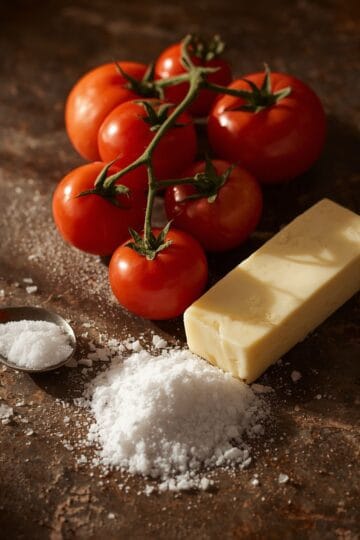
        Whether you’re a seasoned cook or just learning the joys of Italian cuisine, this spaghetti and meatballs recipe proves that simple ingredients, prepared with love, can bring everyone together around the table.

        Crispy garlic bread slices with spaghetti and meatball marinara on white plate.

        Key Takeaways

        • This Spaghetti and Meatballs Recipe offers a hearty blend of tender meatballs and rich tomato sauce, perfect for family gatherings.
        • The recipe includes step-by-step instructions for preparing, browning, and simmering meatballs, along with cooking spaghetti.
        • Ingredients include ground beef, ground pork, Parmesan cheese, and crushed tomatoes, ensuring authentic flavor.
        • It features tips for making tender meatballs, including the importance of breadcrumb soaking and not overmixing the meat.
        • Pair the dish with Chianti wine and finish with tiramisu for a complete Italian-American meal experience.
        What is the secret to the best spaghetti and meatballs?

        Tender meatballs made with a blend of beef and pork, browned for flavor, and simmered in rich homemade tomato sauce until juicy. Combine with perfectly cooked spaghetti for the ultimate Italian-American comfort food recipe.

        [feast_advanced_jump_to]

        Fast Facts

        • Prep Time: 20 minutes
        • Cook Time: 50 minutes
        • Total Time: 1 hour 10 minutes
        • Servings: 4–6
        • Difficulty Level: Beginner
        • Course: Dinner / Primo
        • Cuisine: Italian-American

        Ingredients List

        Meatballs:

        • 1 lb ground beef
        • ½ lb ground pork
        • ½ cup breadcrumbs
        • ¼ cup grated Parmesan cheese
        • 2 cloves garlic, minced
        • ¼ cup chopped fresh parsley
        • 1 egg
        • 1 teaspoon salt
        • ½ teaspoon black pepper
        • ½ teaspoon dried oregano
        • Olive oil (for frying)

        The Sauce:

        • 2 tablespoon olive oil
        • 1 medium onion, finely chopped
        • 3 cloves garlic, minced
        • 1 can (28 oz) crushed tomatoes
        • 1 can (14 oz) diced tomatoes
        • ¼ cup tomato paste
        • 1 teaspoon sugar
        • 1 teaspoon salt
        • ½ teaspoon black pepper
        • ½ teaspoon red pepper flakes (optional)
        • ½ teaspoon dried basil
        • ½ teaspoon dried oregano
        • Fresh basil leaves (for garnish)

        The pasta

        • 1 lb spaghetti
        • Salt (for boiling water)

        Optional Toppings:

        • Freshly grated Parmesan cheese
        • Extra basil leaves

        Equipment

        Honestly, you don't need much more cookware than what you already have. Use your favorite pot, pans, utensils and keep the ingredients on standby as I give the step-by-step instruction on when to add everything together. Check the list below.

        • Large mixing bowl – For combining meatball ingredients evenly.
        • Large skillet or frying pan – Used to brown meatballs and build flavor.
        • Medium saucepan – For simmering the tomato sauce.
        • Large pot for boiling pasta – Ensures pasta cooks evenly with plenty of salted water.
        • Wooden spoon – Perfect for stirring the sauce gently.
        • Tongs – Useful for transferring pasta and meatballs without breaking them.
        • Measuring cups and spoons – To keep proportions accurate.
        • Chefs Knife – For prepping onions, garlic, and herbs.
        • Cutting board – For prepping onions, garlic, and herbs.

        Step-by-Step Instructions

        1. Prepare the Meatballs

        • Add 1 lb ground beef and ½ lb ground pork to a large mixing bowl.
        • Mix in ½ cup breadcrumbs, ¼ cup grated Parmesan cheese, 2 cloves garlic (minced), and ¼ cup fresh parsley (chopped).
        • Crack in 1 egg and season with 1 teaspoon salt, ½ teaspoon black pepper, and ½ teaspoon dried oregano.
        • Gently mix by hand until just combined (do not overmix).
        • Roll into golf ball-sized meatballs and place on a tray.

        2. Brown the Meatballs

        • Heat a large skillet over medium heat with a drizzle of olive oil.
        • Add the meatballs in batches, browning on all sides for 2–3 minutes per side.
        • Remove browned meatballs from the skillet and set aside.

        3. Make the Sauce

        • In the same skillet, heat 2 tablespoon olive oil.
        • Add 1 medium onion (finely chopped) and 3 cloves garlic (minced).
        • Sauté for 3–4 minutes until softened and fragrant.
        • Stir in 1 can (28 oz) crushed tomatoes and 1 can (14 oz) diced tomatoes.
        • Mix in ¼ cup tomato paste, 1 teaspoon sugar, 1 teaspoon salt, and ½ teaspoon black pepper.
        • Add ½ teaspoon dried basil, ½ teaspoon dried oregano, and ½ teaspoon red pepper flakes (optional).
        • Stir to combine, then bring the sauce to a gentle simmer.

        4. Combine Meatballs and Sauce

        • Return the browned meatballs to the skillet of sauce.
        • Reduce heat to low, cover partially, and let simmer for 30–35 minutes.
        • Stir occasionally to prevent sticking.
        • Simmer until the meatballs are fully cooked and the sauce thickens.

        5. Cook the Spaghetti

        • Fill a large pot with water and bring to a boil.
        • Add salt until the water “tastes like the sea.”
        • Cook 1 lb spaghetti until al dente, following package instructions.
        • Reserve ½ cup of the pasta water, then drain the pasta.

        6. Toss and Serve

        • Add the drained spaghetti to the sauce and meatballs.
        • Toss gently to coat, adding a splash of reserved pasta water if needed.
        • Plate the spaghetti and top with sauce and meatballs.
        • Garnish with fresh basil leaves and grated Parmesan cheese.
        • Serve immediately while hot.

        Why You’ll Love This Spaghetti and Meatballs Recipe

        This spaghetti and meatballs recipe is hearty, comforting, and full of authentic flavor. It’s beginner-friendly yet impressive enough for guests. With tender, juicy meatballs and rich homemade tomato sauce, it’s the perfect family dinner idea and one of the best comfort food recipes to keep in your rotation.

        My own twist on Spaghetti and Meatballs: For my spaghetti and meatballs recipe, I made one simple adjustment: I added an extra ½ pound of Italian sausage. Since I try my best to stick to a high-protein diet, I added the sausage into the sauce then allowed it to cook with the meatballs. This small tweak gave the dish a richer, heartier flavor. Other than that, I kept things pretty classic! My only tip is to carefully time the cooking of the meatballs, sauce, and pasta so everything comes together perfectly.

        Notes and Tips for Your Italian Dish

        The secret to truly tender meatballs lies in how gently you handle the mixture. Italian Nonna's will always remind you to mix the ingredients by hand with care, just enough to bring them together without overworking the meat. A blend of beef and pork offers the perfect balance of richness and softness, while soaking breadcrumbs in milk is a traditional trick that keeps the meatballs moist. Don’t skip the browning step. That golden crust not only locks in juices but also adds layers of flavor to the sauce. And when it comes to basil, remember: tear the leaves instead of chopping them to preserve their fragrance, finishing the dish with a drizzle of extra virgin olive oil for a silky, authentic touch.

        Traditional Italian Meal Structure

        Did you know that every recipe you enjoy is part of a bigger story?

        In Italy, meals follow the traditional Italian meal structure, a time-honored sequence of courses from aperitivo to dolce that celebrates balance, flavor, and culture. Want to dive deeper into how Italians eat and see where this dish fits in the rhythm of an authentic Italian dinner? [Explore our full guide to the Traditional Italian Meal Structure here.]

        Pairing Suggestions for Your Spaghetti and Meatballs Recipe

        • Beverages: A robust red wine like Chianti complements the rich flavors. 
        • Appetizers: Serve with garlic bread or bruschetta for a complete meal. 
        • Salads: A simple arugula salad with lemon dressing adds freshness. 
        • Desserts: End with a classic tiramisu for a sweet touch.

        Variations For Your Italian Dish

        You can make opt to make the recipe to meet you diet desires, such as:

        • Gluten-Free: Use GF pasta and breadcrumbs.
        • Lean: Swap beef/pork with ground turkey or chicken.
        • Spicy: Add red chili flakes to the sauce or meat mixture.
        • Add a splash of red wine to the sauce for added depth.

        How to Make Spaghetti and Meatballs (with pictures!)

        Ground beef, eggs, breadcrumbs, parsley, Italian cooking ideas and recipes in a mixing bowl.

        Prepare the Meatballs

        • Add 1 lb ground beef and ½ lb ground pork to a large mixing bowl.
        • Mix in ½ cup breadcrumbs, ¼ cup grated Parmesan cheese, 2 cloves garlic (minced), and ¼ cup fresh parsley (chopped).
        • Crack in 1 egg and season with 1 teaspoon salt, ½ teaspoon black pepper, and ½ teaspoon dried oregano.
        • Gently mix by hand until just combined (do not overmix).
        • Roll into golf ball-sized meatballs and place on a tray.
        Savory Italian meatballs cooking in a skillet, seasoned with herbs and spices for authentic Italian cooking ideas.

        Brown the Meatballs

        • Heat a large skillet over medium heat with a drizzle of olive oil.
        • Add the meatballs in batches, browning on all sides for 2–3 minutes per side.
        • Remove browned meatballs from the skillet and set aside.
        Make the Sauce

        Make the Sauce

        • In the same skillet, heat 2 tablespoon olive oil.
        • Add 1 medium onion (finely chopped) and 3 cloves garlic (minced).
        • Sauté for 3–4 minutes until softened and fragrant.
        • Stir in 1 can (28 oz) crushed tomatoes and 1 can (14 oz) diced tomatoes.
        • Mix in ¼ cup tomato paste, 1 teaspoon sugar, 1 teaspoon salt, and ½ teaspoon black pepper.
        • Add ½ teaspoon dried basil, ½ teaspoon dried oregano, and ½ teaspoon red pepper flakes (optional).
        • Stir to combine, then bring the sauce to a gentle simmer.
        Combine Meatballs and Sauce

        Combine Meatballs and Sauce

        • Return the browned meatballs to the skillet of sauce.
        • Reduce heat to low, cover partially, and let simmer for 30–35 minutes.
        • Stir occasionally to prevent sticking.
        • Simmer until the meatballs are fully cooked and the sauce thickens.
        Cooking the Spaghetti

        Cook the Spaghetti

        • Fill a large pot with water and bring to a boil.
        • Add salt until the water “tastes like the sea.”
        • Cook 1 lb spaghetti until al dente, following package instructions.
        • Reserve ½ cup of the pasta water, then drain the pasta.
        Crispy garlic bread slices with spaghetti and meatball marinara on white plate.

        Toss and Serve

        • Add the drained spaghetti to the sauce and meatballs.
        • Toss gently to coat, adding a splash of reserved pasta water if needed.
        • Plate the spaghetti and top with sauce and meatballs.
        • Garnish with fresh basil leaves and grated Parmesan cheese.
        • Serve immediately while hot.

        Frequently Asked Questions (FAQ)

        How can I make tender, juicy meatballs?

        Use a beef-pork blend, soaked breadcrumbs, and avoid overmixing. Browning also locks in flavor.

        What’s the best meat blend for authentic flavor?

        A mix of beef and pork (or veal if available) gives meatballs the perfect balance of tenderness and taste.

        Should meatballs be baked, fried, or cooked in sauce?

        Browning in a skillet adds flavor, while simmering in sauce keeps them moist. Both methods together work best.

        Why do my meatballs turn out tough?

        Overmixing or packing them too tightly. Mix gently and form loosely.

        Is spaghetti and meatballs an Italian dish?

        It’s an Italian-American creation, born from immigrant kitchens in the U.S.

        Can I make this ahead of time?

        Yes — meatballs and sauce can be made a day in advance and reheated.

        Should I serve meatballs on top of pasta or separately?

        Traditionally, meatballs were served alone, but in Italian-American cuisine, they’re paired with spaghetti.

        Nutritional Facts (per serving)

        • Calories: 620
        • Total Fat: 25g
        • Saturated Fat: 8g
        • Sodium: 980mg
        • Carbohydrates: 65g
        • Fiber: 6g
        • Sugars: 10g
        • Protein: 32g
          • Values are approximate and may vary based on ingredients and portion size.

        Dietary Tags: Nut-Free, High-Protein, Family-Friendly

        Check Out Our Socials!

        This spaghetti and meatballs recipe brings the heart of Italian-American cuisine into your kitchen. With juicy meatballs, rich tomato sauce, and perfectly cooked pasta, it’s a dish that embodies comfort, heritage, and family tradition.

        If you try this recipe, share your creation and tag #ItalianCookingIdeas on:

        • Pinterest
        • Facebook
        • TikTok
        • Instagram
        • Reddit
        • YouTube

        📬 Get Weekly Italian Recipes in Your Inbox: Join our free newsletter for fresh Italian recipes, cooking tips, and behind-the-scenes stories from my kitchen. Subscribe here.


        Crispy garlic bread slices with spaghetti and meatball marinara on white plate.

        Spaghetti and Meatballs

        ________________________________________________________________________________

        5 from 1 vote
        Print Pin Save Recipe Recipe Saved
        Total Time: 1 hour hour 10 minutes minutes
        Servings: 4
        Discover how to make authentic Spaghetti and Meatballs — a classic Italian-American comfort food with tender, juicy meatballs and rich homemade tomato sauce. Perfect for family dinners or cozy nights in!

        . . . . .

        Ingredients

        For the Meatballs:

        • 1 pound ground beef
        • ½ pound ground pork
        • ½ cup breadcrumbs
        • ¼ cup grated Parmesan cheese
        • 2 cloves garlic minced
        • ¼ cup chopped fresh parsley
        • 1 egg
        • 1 teaspoon salt
        • ½ teaspoon black pepper
        • ½ teaspoon dried oregano
        • Olive oil for frying

        For the Sauce:

        • 2 tablespoons olive oil
        • 1 medium onion finely chopped
        • 3 cloves garlic minced
        • 1 can 28 ounces crushed tomatoes
        • 1 can 14 ounces diced tomatoes
        • ¼ cup tomato paste
        • 1 teaspoon sugar
        • 1 teaspoon salt
        • ½ teaspoon black pepper
        • ½ teaspoon red pepper flakes optional
        • ½ teaspoon dried basil
        • ½ teaspoon dried oregano
        • Fresh basil leaves for garnish

        For the Pasta:

        • 1 pound spaghetti
        • Salt for boiling water
        InstacartGet Recipe Ingredients

        Equipment

        • Large mixing bowl For combining meatball ingredients evenly.
        • Medium saucepan For simmering the tomato sauce.
        • Large pot for boiling pasta Ensures pasta cooks evenly with plenty of salted water.
        • Large skillet or frying pan Used to brown meatballs and build flavor.
        • Wooden spoon Perfect for stirring the sauce gently.
        • Tongs Useful for transferring pasta and meatballs without breaking them.
        • Measuring cups and spoons To keep proportions accurate.
        • Chef Knife For prepping onions, garlic, and herbs.
        • Cutting Board For prepping onions, garlic, and herbs.

        Instructions

        Prepare the Meatballs

        • Add 1 lb ground beef and ½ lb ground pork to a large mixing bowl.
        • Mix in ½ cup breadcrumbs, ¼ cup grated Parmesan cheese, 2 cloves garlic (minced), and ¼ cup fresh parsley (chopped).
        • Crack in 1 egg and season with 1 teaspoon salt, ½ teaspoon black pepper, and ½ teaspoon dried oregano.
        • Gently mix by hand until just combined (do not overmix).
        • Roll into golf ball-sized meatballs and place on a tray.

        Brown the Meatballs

        • Heat a large skillet over medium heat with a drizzle of olive oil.
        • Add the meatballs in batches, browning on all sides for 2–3 minutes per side.
        • Remove browned meatballs from the skillet and set aside.

        Make the Sauce

        • In the same skillet, heat 2 tablespoon olive oil.
        • Add 1 medium onion (finely chopped) and 3 cloves garlic (minced).
        • Sauté for 3–4 minutes until softened and fragrant.
        • Stir in 1 can (28 oz) crushed tomatoes and 1 can (14 oz) diced tomatoes.
        • Mix in ¼ cup tomato paste, 1 teaspoon sugar, 1 teaspoon salt, and ½ teaspoon black pepper.
        • Add ½ teaspoon dried basil, ½ teaspoon dried oregano, and ½ teaspoon red pepper flakes (optional).
        • Stir to combine, then bring the sauce to a gentle simmer.

        Combine Meatballs and Sauce

        • Return the browned meatballs to the skillet of sauce.
        • Reduce heat to low, cover partially, and let simmer for 30–35 minutes.
        • Stir occasionally to prevent sticking.
        • Simmer until the meatballs are fully cooked and the sauce thickens.

        Cook the Spaghetti

        • Fill a large pot with water and bring to a boil.
        • Add salt until the water “tastes like the sea.”
        • Cook 1 lb spaghetti until al dente, following package instructions.
        • Reserve ½ cup of the pasta water, then drain the pasta.

        Toss and Serve

        • Add the drained spaghetti to the sauce and meatballs.
        • Toss gently to coat, adding a splash of reserved pasta water if needed.
        • Plate the spaghetti and top with sauce and meatballs.
        • Garnish with fresh basil leaves and grated Parmesan cheese.
        • Serve immediately while hot.
        Prep Time 20 minutes minutes
        Cook Time 50 minutes minutes
        Total Time 1 hour hour 10 minutes minutes

        Nutrition

        Serving: 4g | Calories: 620kcal | Carbohydrates: 65g | Protein: 32g | Fat: 25g | Saturated Fat: 8g | Sodium: 980mg | Fiber: 6g | Sugar: 10g
        Course: Dinner, Lunch, Primo
        Cuisine: Italian
        Keyword: easy Italian recipes, family dinner ideas, homemade pasta, Spaghetti and meatballs recipe

        Pasta al Pomodoro

        December 27, 2024 by Jacob Flores 1 Comment

        Creamy baked chicken cutlets with spaghetti in tomato sauce on plate.

        Pasta al Pomodoro: The Ultimate Italian Comfort Food

        This is Pasta al Pomodoro, a dish that embodies the simplicity and elegance of Italian cuisine. Picture this: a steaming bowl of perfectly cooked spaghetti coated in a vibrant, velvety tomato sauce, topped with fresh basil leaves and a sprinkle of Parmesan.

        As a food lover dedicated to authentic Italian cooking, I can’t think of a recipe more perfect for home cooks of all skill levels. This pasta al pomodoro recipe is quick, comforting, and bursting with the bright flavors of Italy. With just a few simple ingredients, ripe tomatoes, olive oil, garlic, and basil. You’ll discover why easy Italian pasta recipes are often the most unforgettable. Whether you’re preparing a weeknight dinner for the family or impressing guests, this classic Italian pasta dish will transport everyone straight to the heart of Italy.

        Creamy baked chicken cutlets with spaghetti in tomato sauce on plate.

        Key Takeaways

        • Pasta al Pomodoro is an authentic Italian dish featuring spaghetti in a rich, vibrant tomato sauce.
        • The recipe is simple and quick, using fresh tomatoes, olive oil, garlic, and basil, perfect for all cooking skill levels.
        • Key steps include preparing tomatoes, cooking pasta, sautéing garlic, making the sauce, and combining everything together.
        • This dish represents traditional Italian cuisine, originating from Naples, and fits into the structure of authentic Italian meals.
        • For the best flavor, use ripe tomatoes and consider pairing with wine or appetizers like Bruschetta al Pomodoro.
        What is the secret to authentic Pasta al Pomodoro?

        The secret is using fresh, ripe tomatoes, high-quality extra virgin olive oil, and fresh basil. These simple ingredients create a rich, flavorful pomodoro sauce in under 35 minutes.

        [feast_advanced_jump_to]

        Fast Facts

        • Prep Time: 10 minutes
        • Cook Time: 25 minutes
        • Total Time: 35 minutes
        • Servings: 4
        • Difficulty Level: Beginner
        • Course: Primo (First Course in traditional Italian meals)
        • Cuisine: Italian

        Ingredients List

        For the Sauce:

        • 4 large ripe tomatoes, peeled and chopped
        • 3 tablespoon extra virgin olive oil
        • 2 cloves garlic, thinly sliced
        • ½ teaspoon sugar (optional, to balance acidity)
        • Salt, to taste
        • Freshly ground black pepper, to taste
        • 8–10 fresh basil leaves, torn

        For the Pasta:

        • 400 g (14 oz) spaghetti or your favorite pasta
        • 1 teaspoon salt (for pasta water)

        Optional Toppings:

        • Freshly grated Parmesan cheese
        • Extra basil leaves, for garnish

        Equipment

        You most likely have everything you need for this recipe so here's an easy to review list of the equipment you'll need to have ready.

        • Large pot for boiling pasta
        • Medium saucepan
        • Slotted spoon
        • Strainer/ Colander
        • Wooden spoon
        • Sharp Knife (Chef's Knife or Pairing Knife)
        • Cutting board

        Step-by-Step Instructions

        1. Prepare the Tomatoes

        Bring a pot of water to a boil and score an “X” on the bottom of each tomato. Blanch for 30 seconds, then transfer to an ice bath. Peel, chop, and set aside.

        2. Cook the Pasta

        In a large pot, bring salted water to a boil. Add pasta and cook until al dente. Reserve ½ cup pasta water before draining.

        3. Sauté the Garlic

        Heat olive oil in a saucepan over medium heat. Add garlic and sauté until fragrant but not browned, 1–2 minutes.

        4. Make the Sauce

        Add chopped tomatoes, season with salt, pepper, and sugar (if needed). Simmer 15–20 minutes, stirring occasionally. Add basil in the last 5 minutes.

        5. Combine Pasta and Sauce

        Toss cooked pasta with sauce. Add a splash of reserved pasta water if needed for consistency.

        6. Serve and Garnish

        Divide among plates, top with Parmesan and basil, and serve immediately

        Why You'll Love This Pasta al Pomodoro Recipe

        Pasta al Pomodoro is the definition of “less is more.” With just a handful of fresh, simple ingredients, you’ll create a dish that’s bright, balanced, and authentically Italian. This recipe is beginner-friendly, healthy enough to fit the Mediterranean diet, and elegant enough for guests. Quick weeknight pasta recipes don’t get more classic, or delicious, than this.

        Notes & Authentic Tips for Your Italian Dish

        For the most authentic flavor, always use ripe, fresh tomatoes, or substitute with San Marzano canned tomatoes if needed. Cook pasta al dente so it holds texture when tossed with sauce. Tear basil by hand instead of chopping to preserve its fragrance. A drizzle of high-quality olive oil before serving adds a silky finish that elevates this traditional Italian pasta into something unforgettable.

        Cultural & Historical Significance of Pasta al Pomodoro

        Pasta al Pomodoro is a staple of Italian home cooking, originating in Naples where the tomato became beloved in the 18th century. It embodies the Italian philosophy of cucina povera, simple, seasonal ingredients creating extraordinary flavors. In traditional Italian dining, this dish is served as a Primo after antipasto, showcasing why it remains a classic Italian pasta dish celebrated worldwide.

        Traditional Italian Meal Structure

        Did you know that every recipe you enjoy is part of a bigger story?

        In Italy, meals follow the traditional Italian meal structure, a time-honored sequence of courses from aperitivo to dolce that celebrates balance, flavor, and culture. Want to dive deeper into how Italians eat and see where this dish fits in the rhythm of an authentic Italian dinner? [Explore our full guide to the Traditional Italian Meal Structure here.]

        Pairing Suggestions for Your Pasta al Pomodoro Recipe

        • Beverages: A crisp white wine like Pinot Grigio or a light red like Chianti enhances the dish’s flavors.
        • Appetizers: Bruschetta al Pomodoro pairs perfectly, adding texture and complementary tomato flavors.
        • Salads: Insalata Caprese brings a refreshing balance to the meal.
        • Desserts: End with a classic Tiramisu for a sweet finish to your Italian feast.

        Variations for Your Italian Dish

        You can make opt to make the recipe to meet you diet desires, such as:

        • Gluten-Free: Use gluten-free pasta.
        • Spicy: Add a pinch of red chili flakes while sautéing the garlic.
        • Vegan: Omit Parmesan cheese or use a plant-based alternative.
        • High Protein: add in chicken, shrimp, or sausage.

        How to Make Pasta al Pomodoro (with pictures!)

        Canned chopped tomatoes, fresh tomato, prepared for Italian recipes, on wooden cutting board.

        Prepare the Tomatoes

        • Bring a pot of water to a boil and score an “X” on the bottom of each tomato.
        • Blanch them in boiling water for 30 seconds, then transfer to an ice bath.
        • Peel off the skins, chop the tomatoes, and set them aside.
        Cooking pasta in a pink pot on the stove.

        Cook the Pasta

        • In a large pot, bring salted water to a boil.
        • Add the pasta and cook until al dente according to package instructions.
        • Reserve ½ cup of pasta water before draining.
        Golden garlic and black pepper sauté in olive oil for Italian cooking ideas.

        Sauté the Garlic

        • While the pasta cooks, heat olive oil in a saucepan over medium heat.
        • Add sliced garlic and sauté until fragrant but not browned, about 1-2 minutes.
        Hearty Italian tomato sauce simmering in a pot with fresh basil leaves and garlic.

        Make the Sauce

        • Add the chopped tomatoes to the pan and stir well. Season with salt, pepper, and sugar if needed.
        • Reduce the heat and let the sauce simmer for 15-20 minutes, stirring occasionally.
        • Add the basil leaves during the last 5 minutes of cooking.
        Vinegar pasta with tomatoes and spinach, classic Italian Cooking Ideas, Recipes in a white pot.

        Combine Pasta and Sauce

        • Add the cooked pasta to the saucepan and toss to coat.
        • If the sauce is too thick, use the reserved pasta water to adjust the consistency.
        Creamy baked chicken cutlets with spaghetti in tomato sauce on plate.

        Serve and Garnish

        • Divide the pasta among plates.
        • Top with grated Parmesan cheese and extra basil leaves if desired.
        • Serve immediately.

        Frequently Asked Questions (FAQs)

        What is Pasta al Pomodoro and how is it different from marinara?

        Pasta al Pomodoro is a simple Italian pasta with smooth, light tomato sauce. Marinara is thinner, often cooked with herbs like oregano or bay leaves.

        What tomatoes are best for Pomodoro sauce?

        Use ripe fresh tomatoes, or high-quality San Marzano (DOP) for authentic flavor.

        Can I use canned tomatoes instead of fresh?

        Yes — San Marzano canned tomatoes are the best substitute and deliver rich sweetness.

        Should I blend the sauce or leave it chunky?

        Both are authentic — blend for velvety sauce, or keep slightly chunky for texture.

        Do Italians add Parmesan cheese on top?

        Traditionally no, though some stir Parmigiano into the sauce. Topping pasta with cheese is more common outside Italy.

        How do I prevent watery sauce?

        Simmer uncovered to reduce liquid and always use ripe tomatoes.

        What pasta works best with Pomodoro sauce?

        Spaghetti is classic, but penne and rigatoni also hold the sauce beautifully.

        Nutritional Facts (per serving)

        • Calories: 420
        • Carbohydrates: 70 g
        • Protein: 10 g
        • Total Fat: 10 g
        • Saturated Fat: 2 g
        • Cholesterol: 0 mg
        • Sodium: 300 mg
        • Fiber: 4 g
        • Sugar: 6 g
          • Values are approximate and may vary based on ingredients and portion size.

        Dietary Tags: Vegetarian, Vegan-friendly (without Parmesan), Nut-Free, Soy-Free

        Check Out Our Socials!

        Loved This Pasta al Pomodoro Recipe? Let’s Keep Cooking Together!

        Pasta al Pomodoro proves that the simplest Italian recipes are often the most unforgettable. With ripe tomatoes, olive oil, garlic, and basil, you’ll create a dish that embodies the heart of authentic Italian cooking. Serve it as a quick weeknight dinner or as part of a traditional Italian meal, either way, it’s a timeless recipe you’ll return to again and again.

        📸 Share Your Kitchen Creations: Snap a photo of your Italian dish and tag #ItalianCookingIdeas on:

        • Pinterest
        • Facebook
        • TikTok
        • Instagram
        • Reddit
        • YouTube

        📬 Get Weekly Italian Recipes in Your Inbox: Join our free newsletter for fresh Italian recipes, cooking tips, and behind-the-scenes stories from my kitchen. Subscribe here.


        Creamy baked chicken cutlets with spaghetti in tomato sauce on plate.

        Pasta al Pomodoro

        ________________________________________________________________________________

        5 from 1 vote
        Print Pin Save Recipe Recipe Saved
        Total Time: 35 minutes minutes
        Servings: 4
        Learn how to make Pasta al Pomodoro, an easy Italian pasta recipe with San Marzano tomatoes, basil, garlic, and olive oil. This authentic Italian tomato pasta is simple, healthy, beginner-friendly, and ready in 25 minutes!

        . . . . .

        Ingredients

        For the Sauce:

        • 4 large ripe tomatoes peeled and chopped
        • 3 tablespoons extra virgin olive oil
        • 2 cloves garlic thinly sliced
        • ½ teaspoon sugar optional, to balance acidity
        • Salt to taste
        • Freshly ground black pepper to taste
        • 8-10 fresh basil leaves torn

        For the Pasta:

        • 400 g spaghetti or your favorite pasta 14 oz
        • 1 teaspoon salt for pasta water

        Optional Toppings:

        • Freshly grated Parmesan cheese
        • Extra basil leaves for garnish
        InstacartGet Recipe Ingredients

        Equipment

        • Large pot for boiling pasta
        • Medium saucepan
        • Strainer/ Colander
        • Wooden spoon or your favorite spoon to mix
        • Chef’s knife
        • Bowl of ice water for tomatoes
        • Cutting Board

        Instructions

        Prepare the Tomatoes

        • Bring a pot of water to a boil and score an “X” on the bottom of each tomato. Blanch them in boiling water for 30 seconds, then transfer to an ice bath.
        • Peel off the skins, chop the tomatoes, and set them aside.

        Cook the Pasta

        • In a large pot, bring salted water to a boil. Add the pasta and cook until al dente. Reserve ½ cup of pasta water before draining.

        Sauté the Garlic

        • While the pasta cooks, heat olive oil in a saucepan over medium heat. Add sliced garlic and sauté until fragrant but not browned, about 1-2 minutes.

        Make the Sauce

        • Add chopped tomatoes, season with salt, pepper, and sugar (if needed). Simmer for 15–20 minutes, stirring occasionally. Add basil in the last 5 minutes.

        Combine Pasta and Sauce

        • Add the cooked pasta to the saucepan and toss to coat. If the sauce is too thick, use the reserved pasta water to adjust the consistency.

        Serve and Garnish

        • Divide the pasta among plates. Top with grated Parmesan cheese and extra basil leaves if desired. Serve immediately.
        Prep Time 10 minutes minutes
        Cook Time 25 minutes minutes
        Total Time 35 minutes minutes

        Nutrition

        Calories: 420kcal | Carbohydrates: 70g | Protein: 10g | Fat: 10g | Saturated Fat: 2g | Sodium: 298mg | Fiber: 4g | Sugar: 6g
        Course: Dinner, Lunch, Primo
        Cuisine: Italian
        Keyword: authentic Italian pasta, beginner pasta recipes, easy Italian recipes, easy pasta dish, pasta al pomodoro recipe, Quick and Easy Meals

        Lasagna Soup

        August 18, 2022 by Jacob Flores 1 Comment

        Savory Italian lasagna soup with creamy tomato sauce and mozzarella cheese.

        Lasagna Soup Is Like A Bowl of Comfort with Authentic Italian Flavors

        This Lasagna Soup recipe is everything you love about traditional lasagna; pasta, meat, cheese, and that robust tomato flavor, but without the layering, baking, and long wait. It’s comfort food made weeknight-easy. My twist is to use extra Italian sausage for a protein boost and break the noodles into bite-sized pieces so every spoonful gives you a perfect mix of pasta, sauce, and cheese.

        Italian food has a way of wrapping you in a hug before you even take a bite. Imagine a pot on the stove, the aroma of garlic, tomatoes, and herbs filling the kitchen. You peek in and see tender pasta swirling in a rich tomato broth, bits of browned Italian sausage, and ribbons of melted cheese stretching with each stir.
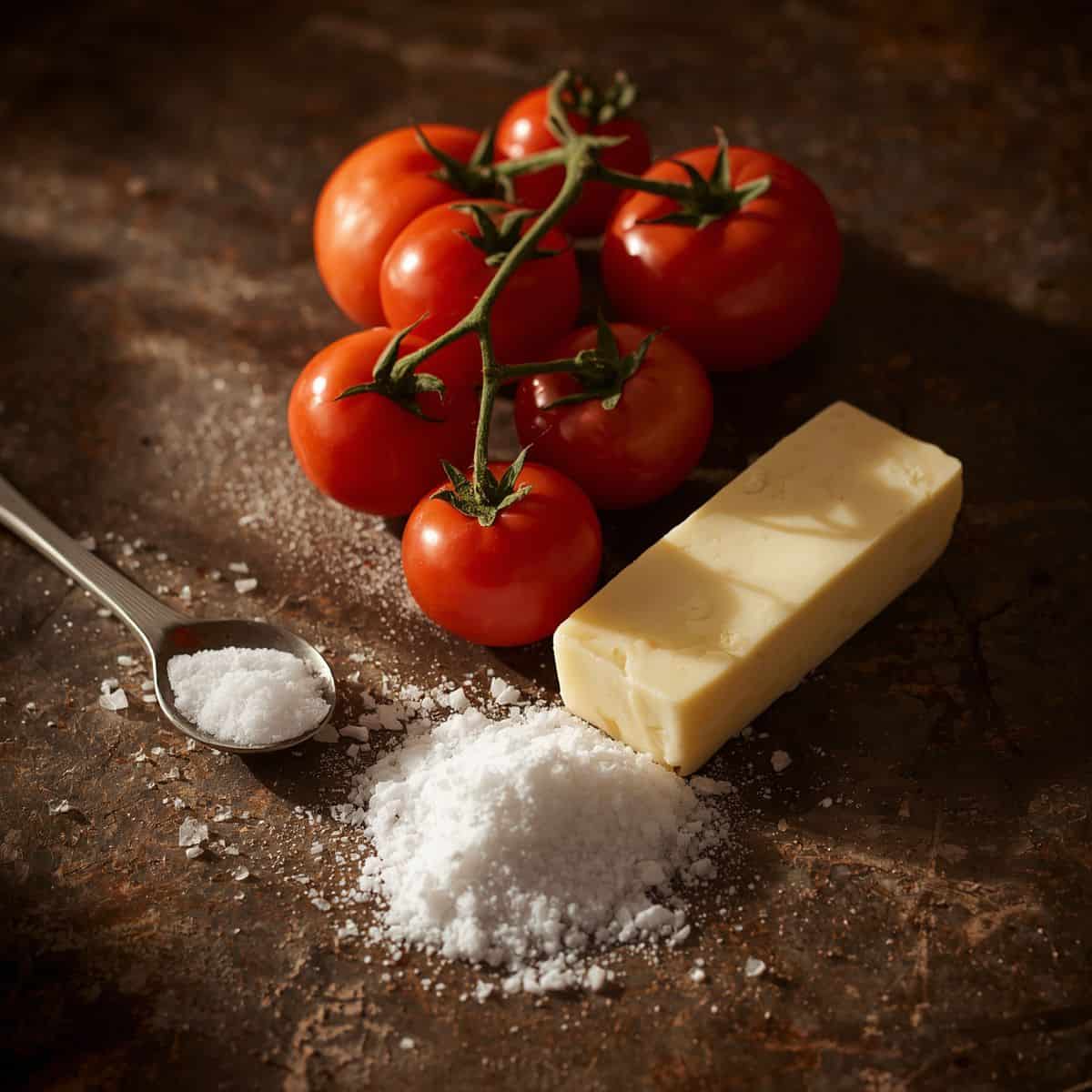
        This one-pot wonder is perfect for family dinners, casual gatherings, or a quiet night in. Once you try it, you will understand why it is a favorite among Italian comfort food lovers.

        Lasagna Soup

        Key Takeaways

        • Lasagna Soup combines pasta, meat, cheese, and a tomato broth into a comforting dish that's quicker than traditional lasagna.
        • The recipe is beginner-friendly, takes about 45 minutes, and serves 6-8 people, making it ideal for busy weeknights.
        • You can customize Lasagna Soup with vegetarian, gluten-free, or spicy variations, according to your dietary preferences.
        • Pair Lasagna Soup with Chianti wine and garlic bread to enhance its flavors and enjoy a complete Italian meal.
        • The article includes step-by-step instructions for making Lasagna Soup, emphasizing ease and authentic taste.
        What is Lasagna Soup?

        Lasagna Soup is a deconstructed version of classic lasagna turned into a cozy Italian soup. It combines pasta, meat, cheese, and a tomato-based broth into one hearty bowl, delivering all the flavors of lasagna without the layering and baking.

        [feast_advanced_jump_to]

        Fast Facts

        • Prep Time: 15 minutes
        • Cook Time: 30 minutes
        • Total Time: 45 minutes
        • Servings: 6–8
        • Difficulty Level: Beginner
        • Course: Main Course (Primo)

        (In Italy, soups and pasta are often served as the first main dish rather than the protein course.)

        Ingredients List

        For the Soup Base

        • 2 tablespoon olive oil (extra virgin recommended)
        • 1 lb Italian sausage or ground beef (or a mix)
        • 1 medium onion, diced
        • 4 garlic cloves, minced
        • 2 tablespoon tomato paste
        • 1 can (14 oz) crushed or diced tomatoes
        • 6 cups chicken or vegetable broth

        Seasonings & Herbs

        • 1 teaspoon dried oregano
        • 1 teaspoon dried basil
        • ½ teaspoon red chili flakes (optional, for heat)
        • 1 teaspoon salt
        • ½ teaspoon black pepper

        Pasta

        • 8 oz lasagna noodles, broken into bite-sized pieces

        For the Creamy Finish (optional)

        • ½ cup heavy cream

        For the Cheese Mixture

        • 1 cup ricotta cheese
        • ½ cup Parmesan cheese, grated
        • ½ teaspoon garlic powder
        • ½ teaspoon dried parsley
        • Pinch of salt & black pepper

        Toppings

        • 1 cup shredded mozzarella
        • Fresh basil leaves, for garnish
        • Crusty bread, for serving

        Equipment

        • Large Dutch oven or soup pot
        • Wooden spoon
        • Pasta server or slotted spoon
        • Ladle
        • Measuring cups and spoons
        • Cheese grater or microplane
        • Small mixing bowl

        Step-by-Step Instructions

        1. Cook the Meat

        Heat 2 tablespoon olive oil in a Dutch oven over medium heat. Add 1 lb sausage or beef. Break into crumbles with a spoon and cook 5–7 minutes, until browned and no pink remains.

        2. Add Aromatics

        Stir in 1 diced onion and 4 minced garlic cloves. Cook 3–4 minutes, until the onion softens and the garlic smells fragrant.

        3. Season the Base

        Sprinkle in 1 teaspoon oregano, 1 teaspoon basil, ½ teaspoon chili flakes (optional), 1 teaspoon salt, and ½ teaspoon pepper. Stir to coat evenly.

        4. Build Flavor

        Stir in 2 tablespoon tomato paste and cook 1–2 minutes until it deepens in color and caramelizes slightly.

        5. Add Liquids

        Pour in 1 can (14 oz) crushed tomatoes and 6 cups broth. Scrape the pot bottom to release browned bits (they add flavor!). Bring to a boil, then reduce heat. Simmer 10 minutes.

        6. Cook the Pasta

        Add 8 oz broken lasagna noodles. Stir occasionally so they don’t stick. Cook 8–10 minutes until al dente (tender with a slight bite).

        7. Make It Creamy (Optional)

        Stir in ½ cup heavy cream and warm gently. Do not boil.

        8. Cheese Mixture

        In a small bowl, mix 1 cup ricotta, ½ cup Parmesan, ½ teaspoon garlic powder, ½ teaspoon parsley, pinch salt & pepper. Stir until smooth.

        9. Serve & Garnish

        Ladle soup into bowls. Add 1–2 spoonful's of the ricotta mixture, sprinkle with mozzarella, and garnish with fresh basil. Serve immediately with crusty bread.

        Why You’ll Love This Lasagna Soup Recipe

        Lasagna Soup is like a bowl of pure Italian comfort: cheesy, hearty, and full of rich tomato flavor. It delivers all the best parts of classic lasagna in a cozy one-pot meal that’s faster and easier to make. This recipe is family-friendly, budget-conscious, and perfect for busy weeknights when you crave homemade Italian food without the fuss. You’ll love how customizable it is, whether you go spicy with sausage, vegetarian with mushrooms, or extra creamy with ricotta and Parmesan. Every spoonful brings you the same soul-warming satisfaction as a baked lasagna, but with half the effort.

        Notes and Authentic Tips for Your Italian Dish

        Italian cooking is all about balance, and this soup is no different. For best results, always cook your pasta al dente so it doesn’t become mushy in the broth. If you like a deeper flavor, let the soup simmer for an extra 10 minutes before adding the noodles. And don’t forget: a generous spoonful of ricotta stirred in at the end brings the creamy comfort that makes this recipe feel just like Nonna’s kitchen.
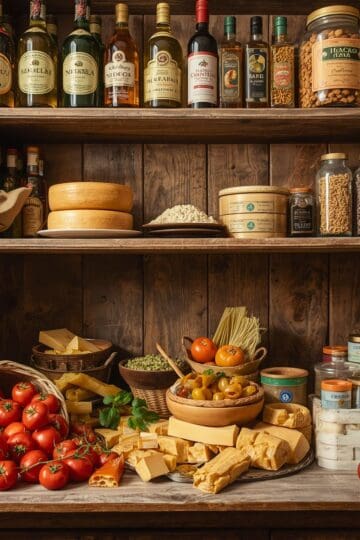
        Cultural and Historical Significance of Lasagna Soup

        Lasagna has been a beloved Italian dish since the Middle Ages, with northern versions often featuring béchamel and southern styles highlighting ricotta and tomato sauce. Lasagna Soup brings together these traditions in a quick, approachable form.

        In traditional Italian dining, Lasagna Soup would be served as a Primo, the first main course following an antipasto. While the classic Primo often features pasta, risotto, or soup, this hearty version captures all the richness of lasagna in a bowl, making it a satisfying star of the meal on its own.

        Pairing Suggestions for Your Lasagna Soup Recipe

        • Beverages: A glass of Chianti wine enhances the tomato base’s richness with its earthy notes and balanced acidity.
        • Appetizers: Garlic bread or bruschetta add a satisfying crunch that complements the soup’s velvety texture.
        • Salads: A simple Caprese salad refreshes the palate and balances the soup’s hearty flavors.

        Variations for Your Italian Dish

        You can make opt to make the recipe to meet you diet desires, such as:

        • Vegetarian: Swap the meat for mushrooms, zucchini, or plant-based crumbles to keep the soup hearty without animal protein.
        • Gluten-Free: Use gluten-free pasta or broken gluten-free lasagna sheets to enjoy the same flavors without wheat.
        • Spicy: Try spicy Italian sausage or add extra chili flakes for a bold kick that pairs beautifully with the tomato base.
        • Cheesy Pesto: Stir in a spoonful of fresh pesto before serving for a fragrant, herby twist and a touch of richness.

        How to Make Lasagna Soup (with pictures!)

        Cook the Meat

        Cook the Meat
        • Heat 2 tablespoon olive oil in a Dutch oven over medium heat. Add 1 lb sausage or beef. Break into crumbles with a spoon and cook 5–7 minutes, until browned and no pink remains.

        Add Aromatics

        Lasagna Soup - Saute the Aromatics
        • Sprinkle in 1 teaspoon oregano, 1 teaspoon basil, ½ teaspoon chili flakes (optional), 1 teaspoon salt, and ½ teaspoon pepper. Stir to coat evenly.

        Season the Base and Build Flavor

        Build the Soup Base
        • Stir in 2 tablespoon tomato paste and cook 1–2 minutes until it deepens in color and caramelizes slightly.
        • Pour in 1 can (14 oz) crushed tomatoes and 6 cups broth. Scrape the pot bottom to release browned bits (they add flavor!). Bring to a boil, then reduce heat.
        • Simmer 10 minutes or bring the mixture to a gentle boil.

        Cook the Pasta

        Rich Italian pasta sauce cooking in a white pot for authentic Italian cooking ideas and recipes.
        • Add 8 oz broken lasagna noodles. Stir occasionally so they don’t stick. Cook 8–10 minutes until al dente (tender with a slight bite).

        Make it Creamy (Optional)

        Add Cream
        • Stir in ½ cup heavy cream and warm gently. Do not boil.

        Prepare the Cheese Mixture

        Prepare the Cheese Mixture
        • In a small bowl, mix 1 cup ricotta, ½ cup Parmesan, ½ teaspoon garlic powder, ½ teaspoon parsley, pinch salt & pepper. Stir until smooth.

        Serve

        Lasagna Soup with Garlic Bread
        • Ladle soup into bowls. Add 1–2 spoonful's of the ricotta mixture, sprinkle with mozzarella, and garnish with fresh basil. Serve immediately with crusty bread.

        Optional: Broil for Melted Cheese

        • Transfer the bowls to an oven-safe dish.
        • Broil for 2-3 minutes to achieve a bubbly, golden top.

        Traditional Italian Meal Structure

        Did you know that every recipe you enjoy is part of a bigger story?

        In Italy, meals follow the traditional Italian meal structure, a time-honored sequence of courses from aperitivo to dolce that celebrates balance, flavor, and culture. Want to dive deeper into how Italians eat and see where this dish fits in the rhythm of an authentic Italian dinner? Explore our full guide to the Traditional Italian Meal Structure here.

        Frequently Asked Questions (FAQs)

        How is lasagna soup different from regular lasagna?

        Unlike traditional lasagna, which requires layers and baking, this lasagna soup recipe is cooked in one pot. It’s faster, easier, and still captures the cheesy, savory comfort of the original dish.

        Can I make lasagna soup in a slow cooker or Instant Pot?

        Yes! For a hands-off version, cook the soup base for 6–8 hours on low in a slow cooker or 20 minutes in an Instant Pot. Add the pasta at the end to keep it al dente. Both methods make this an easy lasagna soup option for busy nights.

        How do I prevent mushy noodles in my lasagna soup recipe?

        To keep pasta from getting soggy, add noodles just before serving or cook them separately and stir them in at the end. This keeps your hearty Italian soup rich and flavorful without overcooked pasta.

        Can I make a vegetarian version of Lasagna Soup?

        Absolutely! Swap the meat for mushrooms, zucchini, lentils, or plant-based crumbles. This still gives you a flavorful Italian soup recipe while keeping it meat-free and hearty.

        Can I freeze or make Lasagna Soup ahead of time?

        es, but it’s best to freeze or refrigerate the soup without pasta and cheese. Add those fresh when reheating to keep the texture perfect. This makes it a great meal prep Italian soup recipe.

        How do I make Lasagna Soup extra creamy?

        Stir in heavy cream, mascarpone, or a blend of ricotta and Parmesan. This turns your lasagna soup recipe into a rich, velvety bowl of comfort.

        What can I serve with lasagna soup?

        Garlic bread, bruschetta, or a fresh Caprese salad make perfect pairings. These sides balance the flavors of your hearty Italian soup while keeping the meal authentically Italian.

        Nutritional Facts

        • Serving Size: 1 Bowl (1 ½ cups)
        • Calories: 420 kcal
        • Protein: 24 g
        • Carbohydrates: 36 g
        • Dietary Fiber: 3 g
        • Total Fat: 20 g
        • Saturated Fat: 9 g
        • Cholesterol: 70 mg
        • Sodium: 980 mg
        • Sugars: 7 g
          • Values are approximate and may vary based on ingredients and portion size.

        Check Out Our Socials!

        Loved This Lasagna Soup Recipe? Let’s Keep Cooking Together!

        If you try this recipe, I’d love to hear about it! Leave a comment below sharing your experience and any creative twists you added. Your feedback not only inspires me but also helps other home cooks.

        📸 Share Your Kitchen Creations: Snap a photo of your Lasagna Soup and tag #ItalianCookingIdeas on:

        • Pinterest
        • Facebook
        • TikTok
        • Instagram
        • Reddit
        • YouTube

        📬 Get Weekly Italian Recipes in Your Inbox: Join our free newsletter for fresh Italian recipes, cooking tips, and behind-the-scenes stories from my kitchen. Subscribe here.
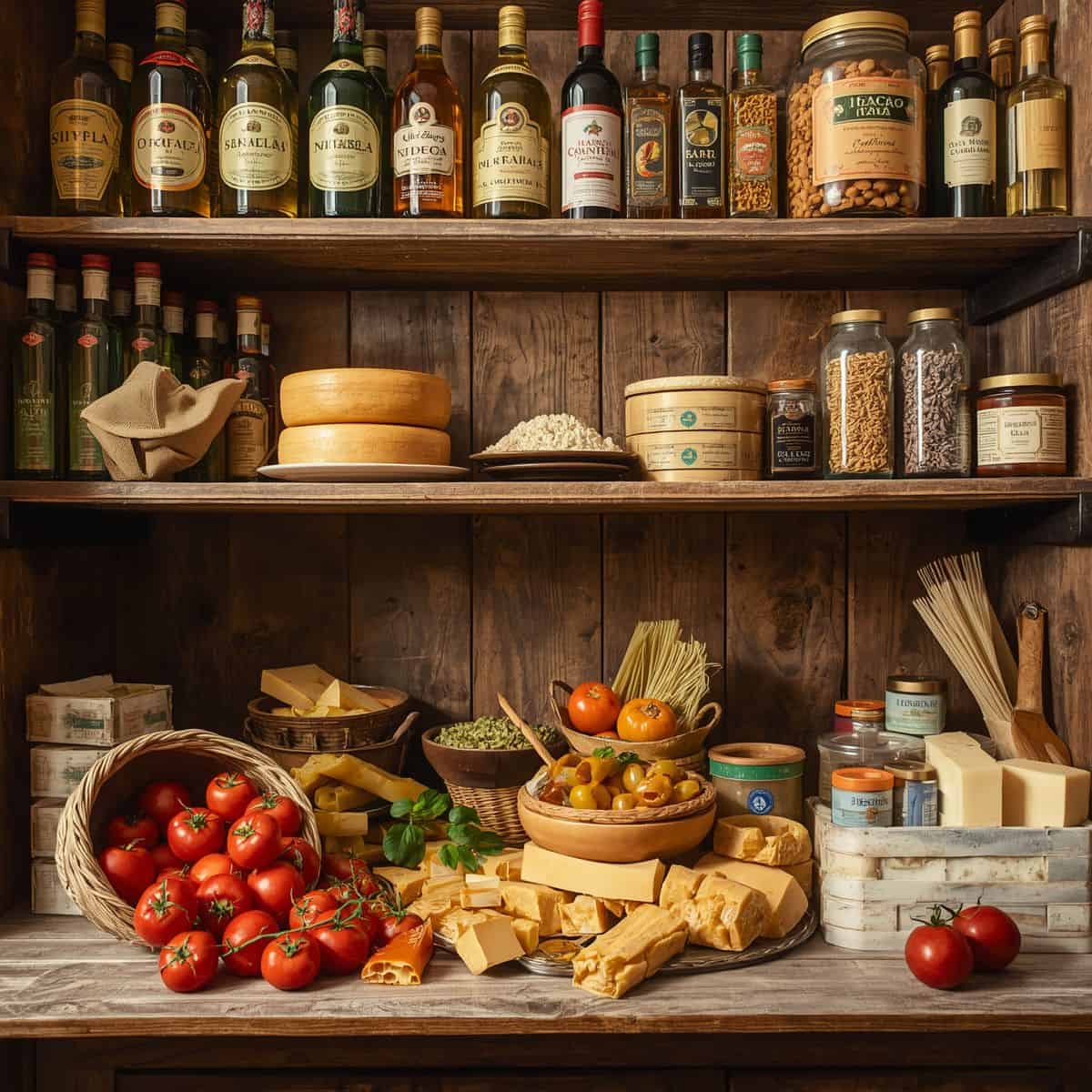
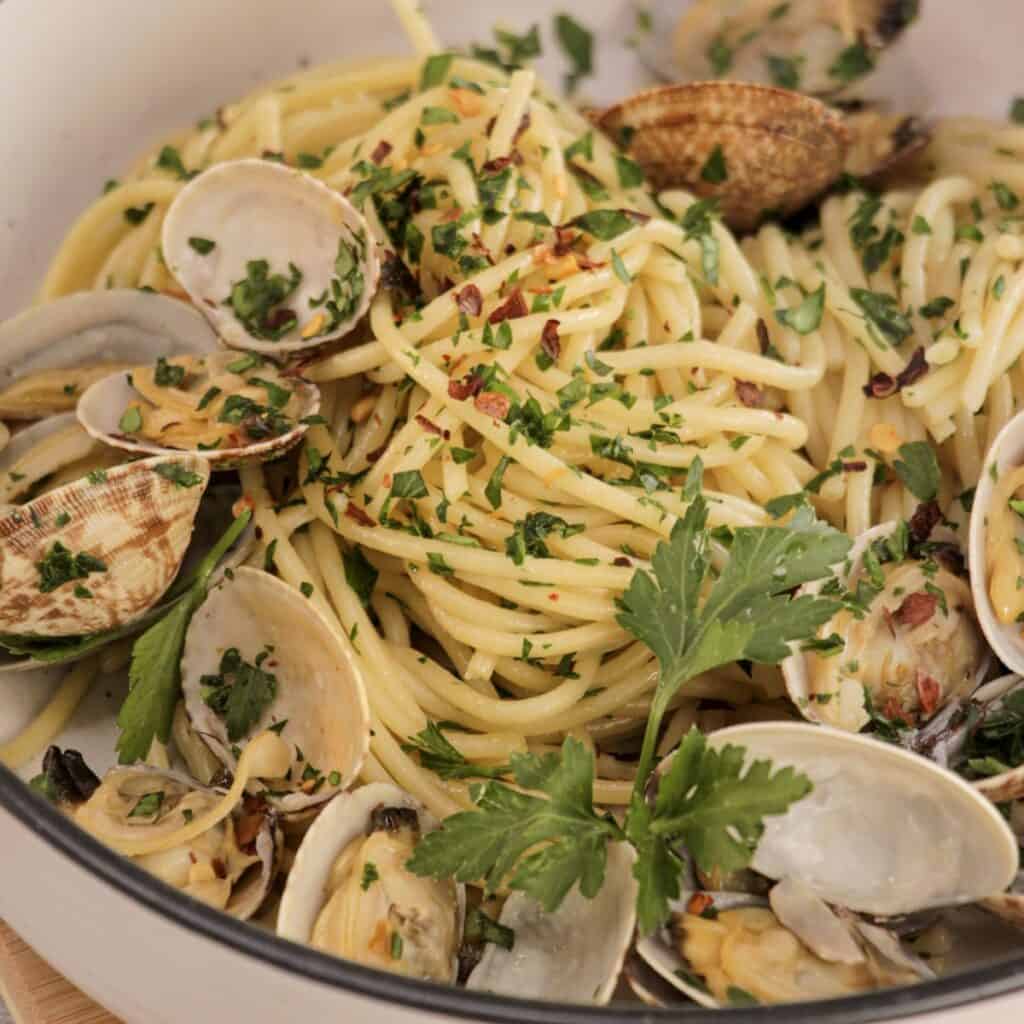

        Savory Italian lasagna soup with creamy tomato sauce and mozzarella cheese.

        Lasagna Soup

        ________________________________________________________________________________

        5 from 1 vote
        Print Pin Save Recipe Recipe Saved
        Total Time: 45 minutes minutes
        Servings: 6
        A cozy pot of lasagna turned into soup—cheesy, amped-up flavor in a one-pot dinner that’s both comforting and effortless.

        . . . . .

        Ingredients

        For the Soup Base

        • 2 tablespoon olive oil extra virgin recommended
        • 1 lb Italian sausage or ground beef or a mix
        • 1 medium onion diced
        • 4 garlic cloves minced
        • 2 tablespoon tomato paste
        • 1 can 14 oz crushed or diced tomatoes
        • 6 cups chicken or vegetable broth

        Seasonings & Herbs

        • 1 teaspoon dried oregano
        • 1 teaspoon dried basil
        • ½ teaspoon red chili flakes optional, for heat
        • 1 teaspoon salt
        • ½ teaspoon black pepper

        For the Pasta

        • 8 oz lasagna noodles broken into bite-sized pieces

        For the Creamy Finish (optional)

        • ½ cup heavy cream

        For the Cheese Mixture

        • 1 cup ricotta cheese
        • ½ cup Parmesan cheese grated
        • ½ teaspoon garlic powder
        • ½ teaspoon dried parsley
        • Pinch of salt & black pepper

        Toppings

        • 1 cup shredded mozzarella
        • Fresh basil leaves for garnish
        • Crusty bread for serving
        InstacartGet Recipe Ingredients

        Equipment

        • Large Dutch oven or soup pot
        • Wooden spoon
        • Pasta server or slotted spoon
        • Ladle
        • Measuring cups and spoons
        • Cheese grater or microplane
        • Small mixing bowl

        Instructions

        Cook the Meat

        • Heat 2 tablespoon olive oil in a Dutch oven over medium heat. Add 1 lb sausage or beef. Break into crumbles with a spoon and cook 5–7 minutes, until browned and no pink remains.

        Add Aromatics

        • Stir in 1 diced onion and 4 minced garlic cloves. Cook 3–4 minutes, until the onion softens and the garlic smells fragrant.

        Season the Base

        • Sprinkle in 1 teaspoon oregano, 1 teaspoon basil, ½ teaspoon chili flakes (optional), 1 teaspoon salt, and ½ teaspoon pepper. Stir to coat evenly.

        Build Flavor

        • Stir in 2 tablespoon tomato paste and cook 1–2 minutes until it deepens in color and caramelizes slightly.

        Add Liquids

        • Pour in 1 can (14 oz) crushed tomatoes and 6 cups broth. Scrape the pot bottom to release browned bits (they add flavor!). Bring to a boil, then reduce heat. Simmer 10 minutes.

        Cook the Pasta

        • Add 8 oz broken lasagna noodles. Stir occasionally so they don’t stick. Cook 8–10 minutes until al dente (tender with a slight bite).

        Make It Creamy (Optional)

        • Stir in ½ cup heavy cream and warm gently — do not boil.

        Cheese Mixture

        • In a small bowl, mix 1 cup ricotta, ½ cup Parmesan, ½ teaspoon garlic powder, ½ teaspoon parsley, pinch salt & pepper. Stir until smooth.

        Serve & Garnish

        • Ladle soup into bowls. Add 1–2 spoonfuls of the ricotta mixture, sprinkle with mozzarella, and garnish with fresh basil. Serve immediately with crusty bread.
        Prep Time 15 minutes minutes
        Cook Time 30 minutes minutes
        Total Time 45 minutes minutes

        Nutrition

        Serving: 1bowl | Calories: 420kcal | Carbohydrates: 36g | Protein: 24g | Fat: 20g | Saturated Fat: 9g | Cholesterol: 70mg | Sodium: 980mg | Fiber: 3g | Sugar: 7g
        Course: Dinner, Lunch, Primo
        Cuisine: Italian
        Keyword: easy lasagna soup, Easy Lasagna Soup Recipe, Italian comfort food, one pot lasagna soup

        Italian Cooking Ideas logo

        Authentic Italian recipes, traditional techniques, and stories from our kitchen to yours.

        Most Loved Recipes

        Delicious Spaghetti-alla-carbonara Italian pasta
        Spaghetti alla Carbonara
        Check out this recipe
        Chocolate chip Classic Sicilian Cannoli with creamy filling and crispy pastry shell. An authentic Italian dessert perfect for special occasions.
        Authentic Cannoli Recipe
        Check out this recipe
        A bowl of hearty Italian minestrone soup with fresh vegetables and pasta, topped with grated cheese and herbs for authentic flavor.
        Traditional Minestrone Soup Recipe
        Check out this recipe
        logo
        Food Advertisements by

        Get Your Free eBook Today

        Traditional Italian kitchen essentials for recipes.

        The tools in your kitchen are just as essential as the ingredients on your plate.

        Get Yours Here

        New to Italian Meals?

        Learn how Italians structure a traditional dinner

        Learn the Italian Meal Structure
        logo
        Food Advertisements by

        Footer

        ↑ back to top

        Italian Recipes

        • Italian Appetizer Recipes
        • Italian Pasta Recipes
        • Italian Pizza Recipes
        • Italian Soup Recipes
        • Italian Dessert Recipes
        • Quick & Easy Italian Recipes

        Community

        • About Italian Cooking Ideas
        • Contact
        • Join Our Newsletter
        • Follow Us on Pinterest
        • Follow Us on Facebook
        • Subscribe on YouTube

        Trust & Legal

        • Privacy Policy
        • Cookie Policy
        • Terms of Use
        • Disclaimer
        • © Italian Cooking Ideas

        As an Amazon Associate, Italian Cooking Ideas earns from qualifying purchases.

        © 2026 Italian Cooking Ideas

        Rate This Recipe

        Your vote:


        A rating is required
        A name is required
        An email is required