
recipes ᐧ culture ᐧ tradition
Traditional Italian Meal Structure
One of the most visited guides on Italian Cooking Ideas.
The traditional Italian meal structure follows a clear order of courses that build flavor and balance. This sequence defines the Italian experience from aperitivo to digestivo.
Understanding how Italian meal courses work together reveals the logic behind this structure. The order of Italian courses reflects history, regional traditions, and deep respect for seasonal ingredients.
The Italian Meal at a Glance
Begin →

Aperitivo

Antipasto

Primo

Secondo

Contorno

Insalata

Formaggi e Frutta

Dolce

Caffe

Digestivo
Che mangiata!
What is the order of a traditional Italian meal?
A traditional Italian meal begins with aperitivo and continues through antipasto, primo, secondo, contorno, insalata, formaggi e frutta, dolce, caffe, and digestivo. each course serves a distinct purpose and contributes to the pacing and balance of the dining experience.
Quick Course Summary
| Course | Purpose |
|---|---|
| Aperitivo | Prepare the appetite |
| Antipasto | First formal starter |
| Primo | Pasta, risotto, gnocchi, or soup |
| Secondo | Main protein course |
| Contorno | Vegetable side dish |
| Insalata | Refresh the palate |
| Formaggi e Frutta | Transition to dessert |
| Dolce | Dessert |
| Caffe | Coffee |
| Digestivo | End the meal |
Jump to Course
Experience an Authentic Italian Meal at Home
Beginner-Friendly Three Course Menu


The Italian Meal Course Explained
1. Aperitivo
The social beginning of an Italian meal.
Purpose
Introduce the meal with a balance of flavors, colors, and textures without overwhelming the plate.
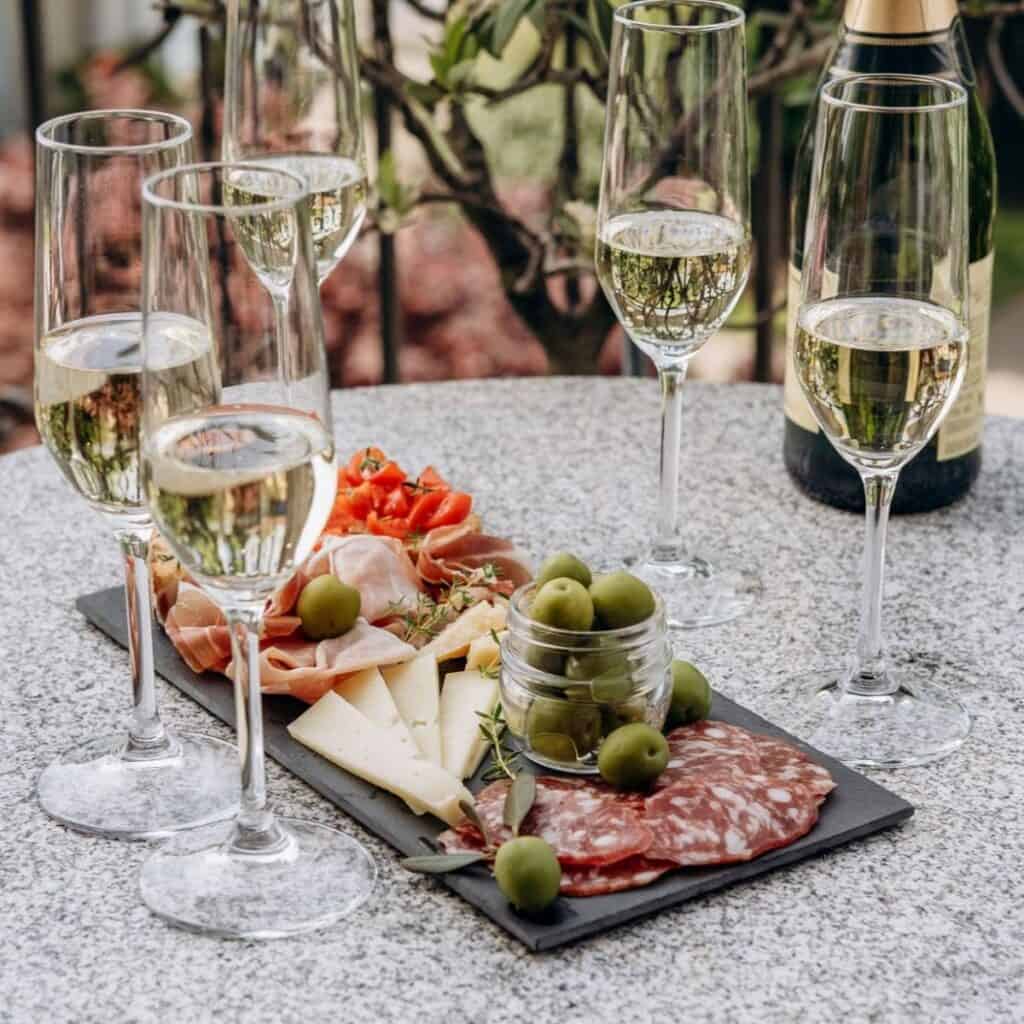
| The Italian Way Aperitivo is not about eating. It's about slowing down, socializing, and enjoying the moment. |
| Typical Drinks | Typical Bites |
|---|---|
| Prosecco Sparkling and light, perfect to start. | Olives Simple, salty, and satisfying. |
| Aeperol Spritz Bitter, bubby, and refreshing. | Taralli Crisp, savory, and traditionally baked. |
| Campri Soda Bold and bittersweet. | Bruschetta Fresh, flavorful, and absolutely classic. |
| Learn more about he Italian aperitivo traditions and regional variations → Read the full guide→ |
2. Antipasto
The first formal course.
Purpose
Introduce the meal with a balance of flavors, colors, and textures without overwhelming the palate.
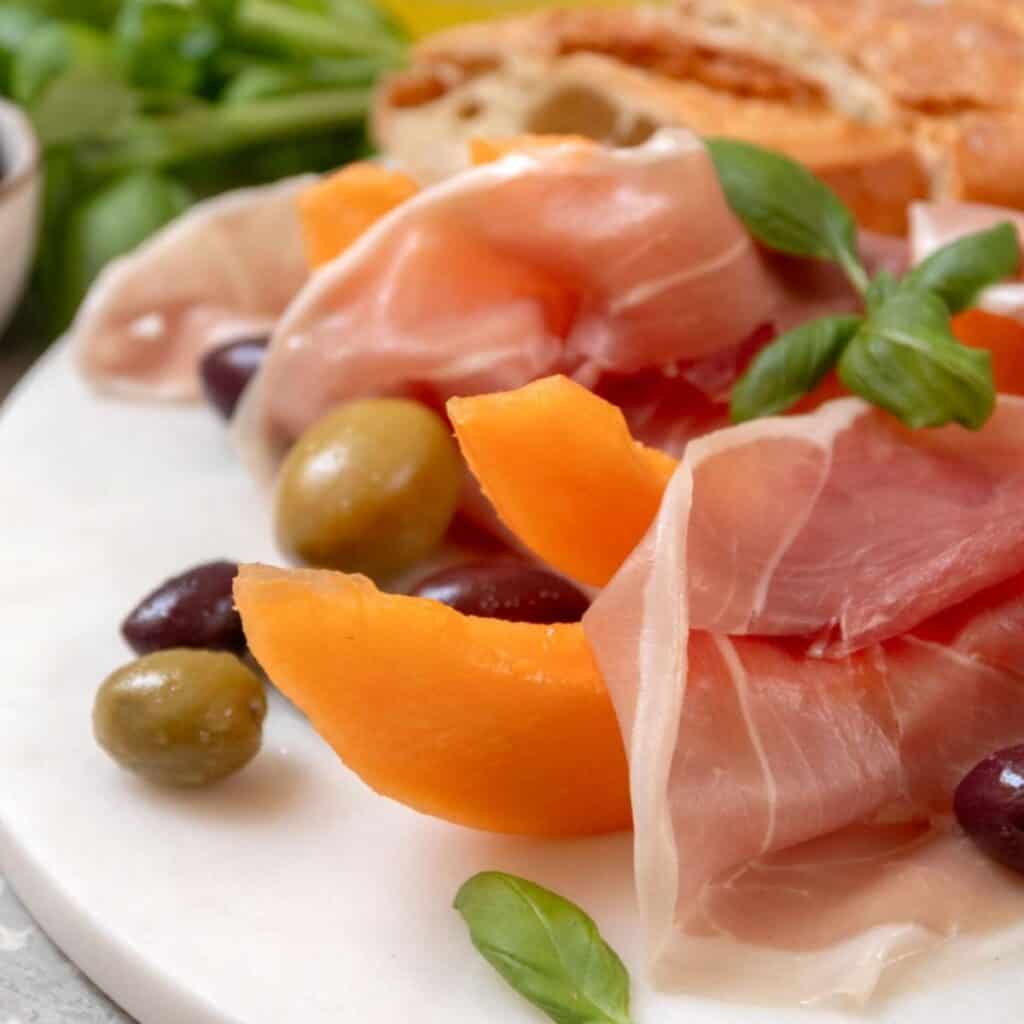
| The Italian Way Antipasto highlight seasonal ingredients and regional traditions. |
| Common Antipasto Dishes |
|---|
| Porsciutto e Melone Sweet melon and salty prosciutto. A perfect pair. View Recipe→ |
| Caprese Salad Mozzarella, tomatoes, basil, and olive oil. View Recipe→ |
| Marinated Vegetables Seasonal, fresh, and full of flavor. View Recipe→ |
| Crostini Small toast with pate or savory spreads. View Recipe→ |
| Explore classic antipasto recipes and ideas → Browse Antipasto Recipes→ |
3. Primo
The heart of the meal.
Purpose
A satisfying, flavorful course that provides energy and sets the stage for the main course.
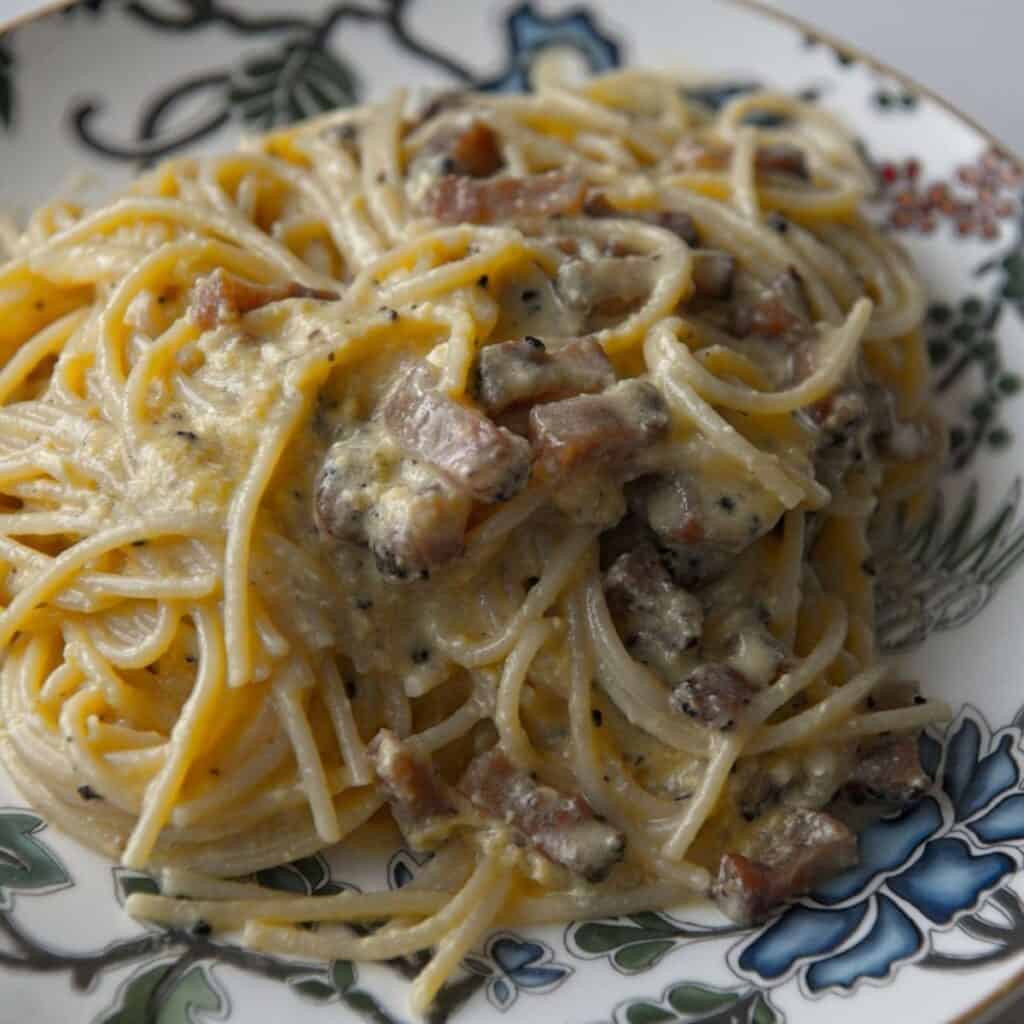
| The Italian Way Primo means "first." In most Italian meals, pasta, risotto, or soups are served before the main course. |
| Common Primo Dishes | Typical Ingredients |
|---|---|
| Spaghetti alla Carbonara Classic Roman pasta with eggs, cheese, pancetta, and black pepper. | Pasta, rice or soup |
| Penne all'Arrabbiata Spicy tomato sauce with garlic and chilli. | Tomatoes and tomato sauce |
| Risotto alla Milanese Creamy saffron risotto from Milan. | Olive oil |
| Minestrone Hearty vegetables soup, perfect your-round. | Garlic, onions, and herbs |
| Explore more Italian pasta and risotto recipes → Browse Primo Recipes→ |
4. Secondo
The main event.
Purpose
The main protein course that provides substance and richness to the meal.
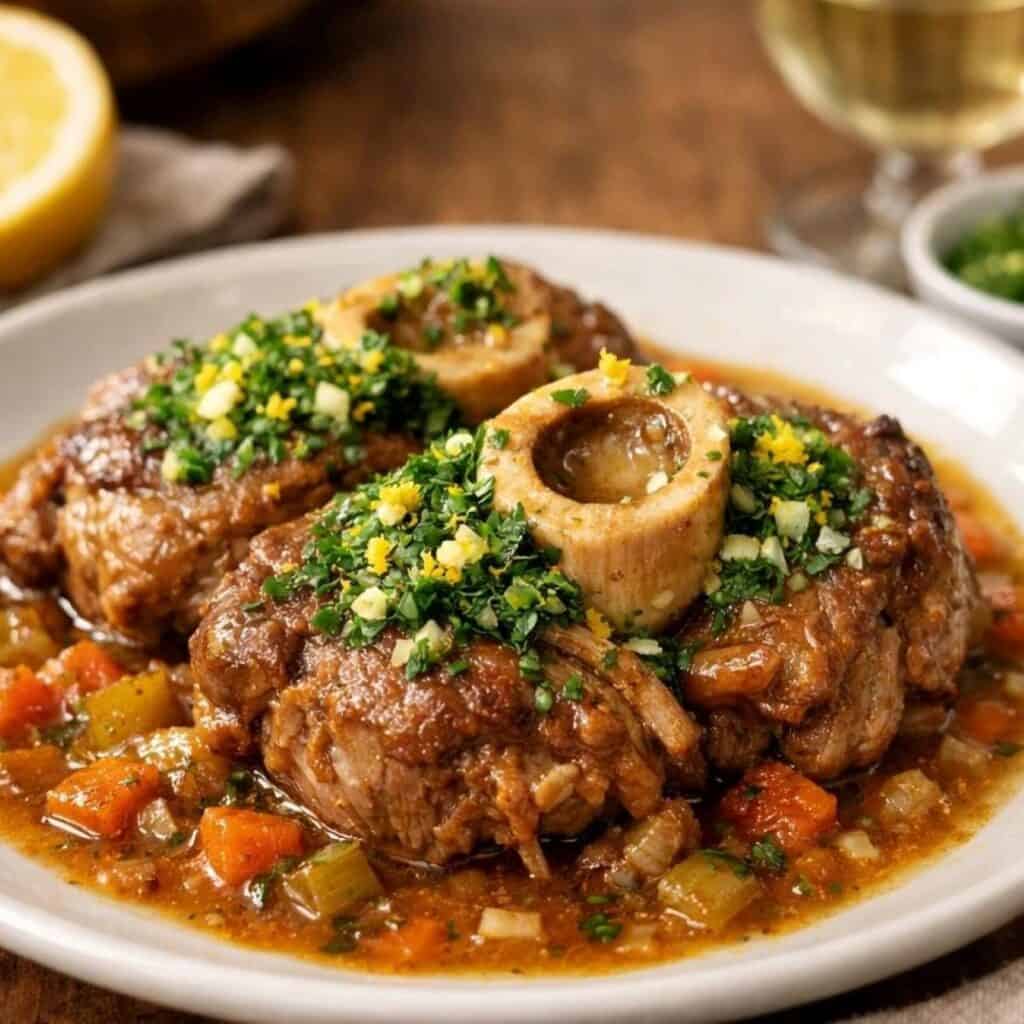
| The Italian Way Secondo is the most substantial course and is usually served with a simple vegetable side. |
| Common Secondo Dishes | Typical Ingredients |
|---|---|
| Pollo al Limone Chicken with lemon, garlic, and herbs. | Meats, poultry, or seafood |
| Braciole al Sugo Braised beef rolls in a rich tomato sauce. | Olive oil |
| Salmone alla Griglia Grilled salmon with olive oil and herbs. | Fresh herbs |
| Cotoletta alla Milanese Breaded veal cutlet, golden and crisp. | Lemon, garlic, and aromatics |
| Find more main course inspiration → Browse Secondo Recipes→ |
5. Contorno
The perfect accompaniment.
Purpose
A side dish that complements the main course and adds balance.
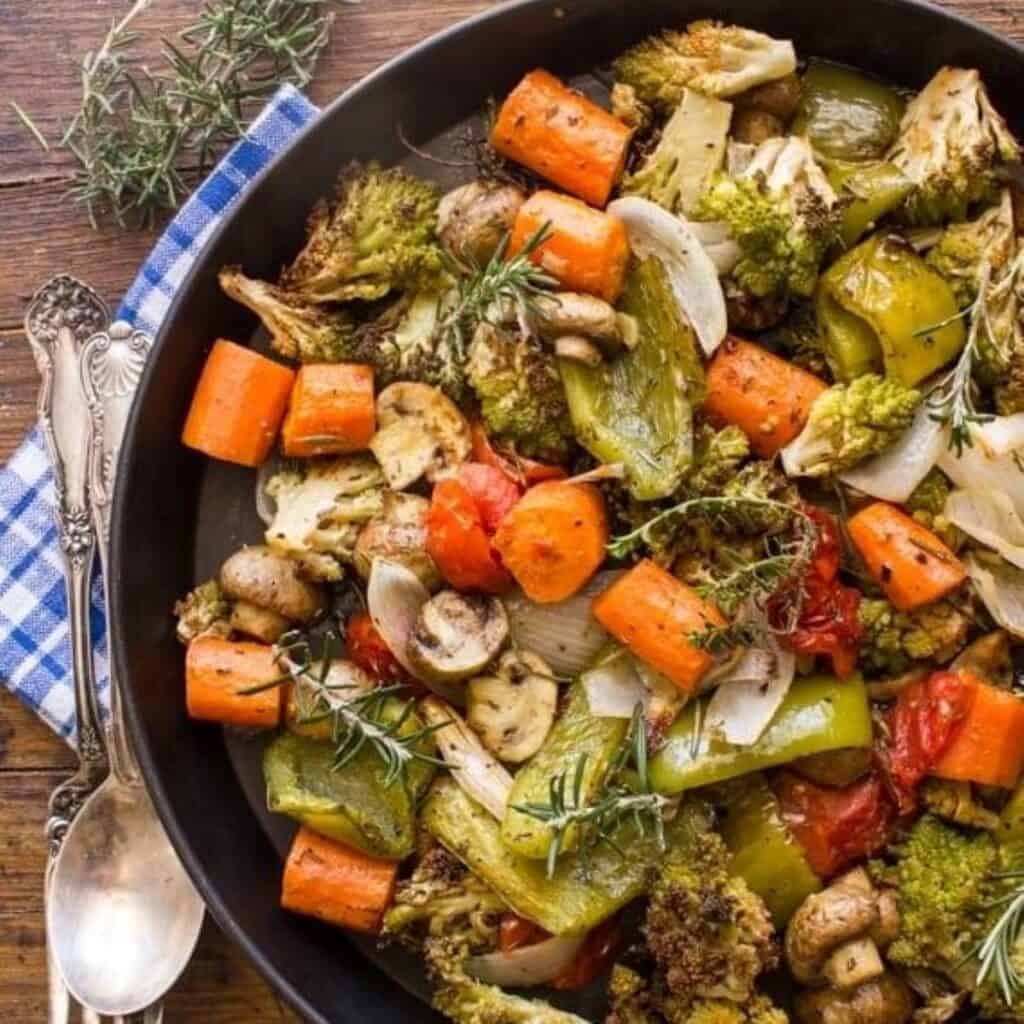
| The Italian Way Contorni are simple, seasonal, and often made with just a few ingredients. |
| Common Contorni | Typical Ingredients |
|---|---|
| Roasted Potatoes Crispy on the outside, soft on the inside. | Seasonal vegetables |
| Sauteed Spinach Garlic and olive oil bring out the flavor. | Olive oil |
| Grilled Vegetables Simple, smoky, and full of color. | Garlic |
| Broccoli Rabe Slightly bitter and delicious | Lemon |
| Discover delicious side dishes → Browse Contorno Recipes→ |
6. Insalata
The palate refresher.
Purpose
Served after the main course to cleanse the palate and prepare for the final courses.
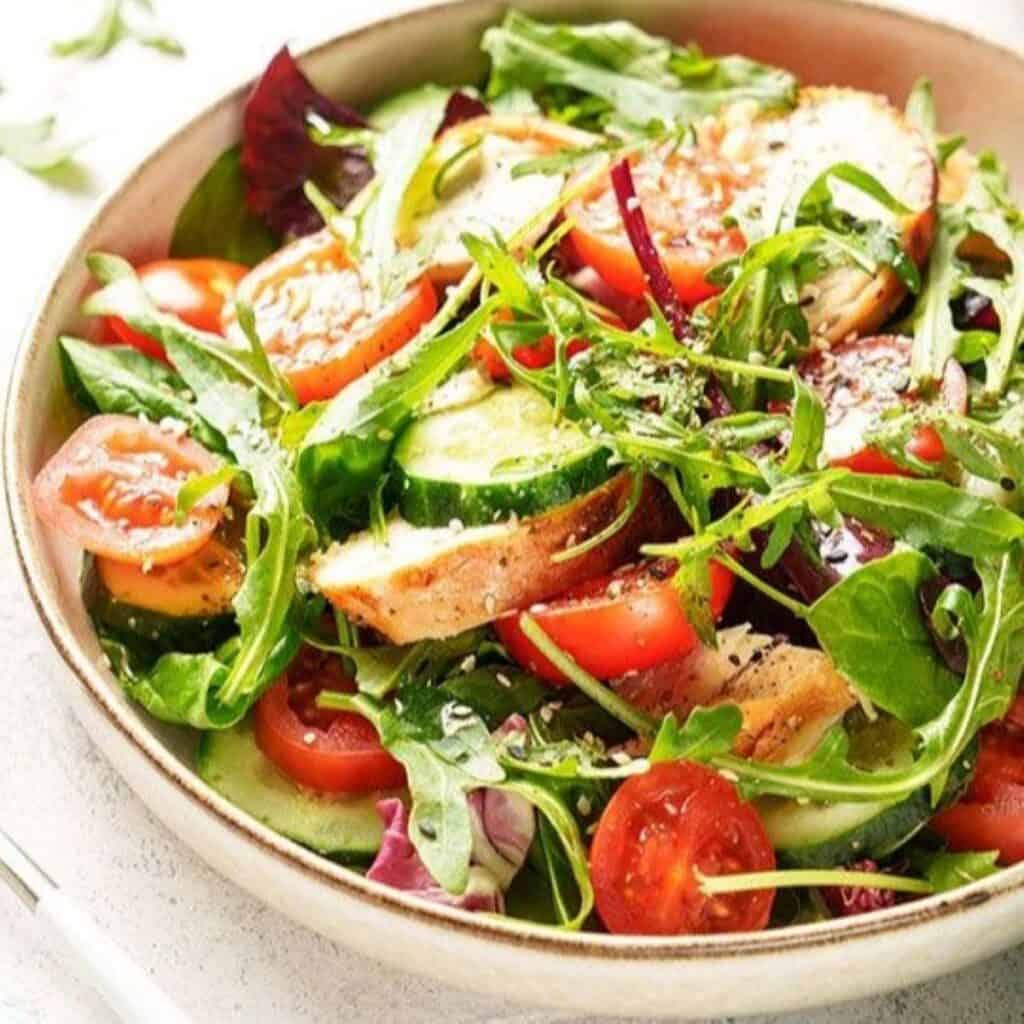
| The Italian Way Salad is not an appetizer in Italy. It comes after the main course. |
| Common Insalata Dishes | Typical Ingredients |
|---|---|
| Mixed Green Salad Light greens with olive oil and lemon. | Fresh greens |
| Arugula Salad Peppery arugula with Parmesan. | Tomatoes |
| Tomato Salad Ripe tomatoes, red onion, and basil. | Olive oil Salt and pepper |
| Fennel Salad Crisp fennel with citrus and olive oil. | Lemon |
| Explore refreshing salad recipes → Browse Insalata Recipes→ |
7. Formaggi e Frutta
The bridge to dessert.
Purpose
A selection of cheeses and seasonal fruit that transitions the palate from savory to sweet.
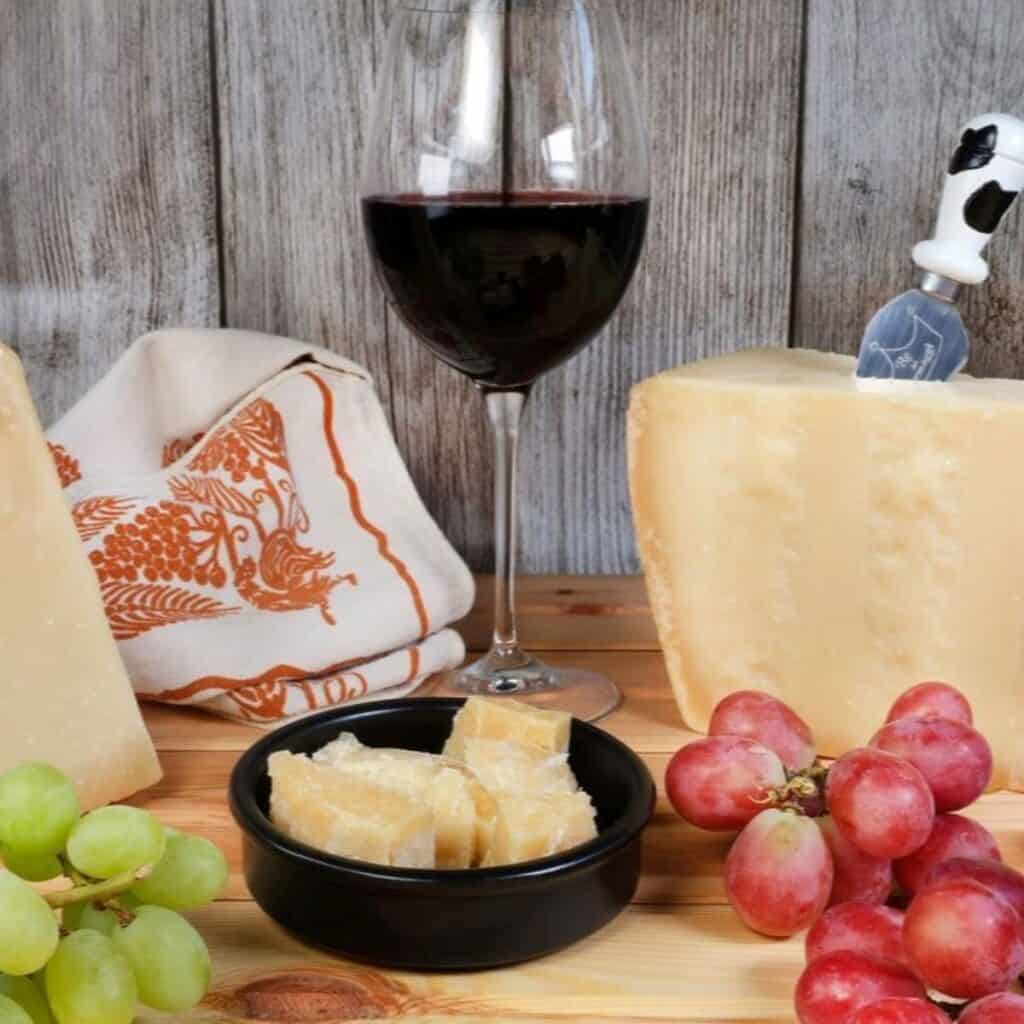
| The Italian Way This course highlights regional cheeses and the beauty of simple pairings. |
| Common Pairings | Typical Ingredients |
|---|---|
| Parmigiano Reggiano & Pears Sweet and nutty with a crisp texture. | Artisan cheeses |
| Pecorino & Figs Bold, salty cheese with natural sweetness. | Seasoned fruits |
| Gorgonzola & Grapes Creamy and tangy with juicy contrast. | Nuts |
| Ricotta & Honey Light, mild, and delicately sweet. | Honey or preserves |
| Learn more about Italian cheeses and pairings → Cheese & Fruit Ideas→ |
8. Dolce
The sweet ending.
Purpose
The dessert course. Italian desserts are elegant, balanced, and never overwhelming.
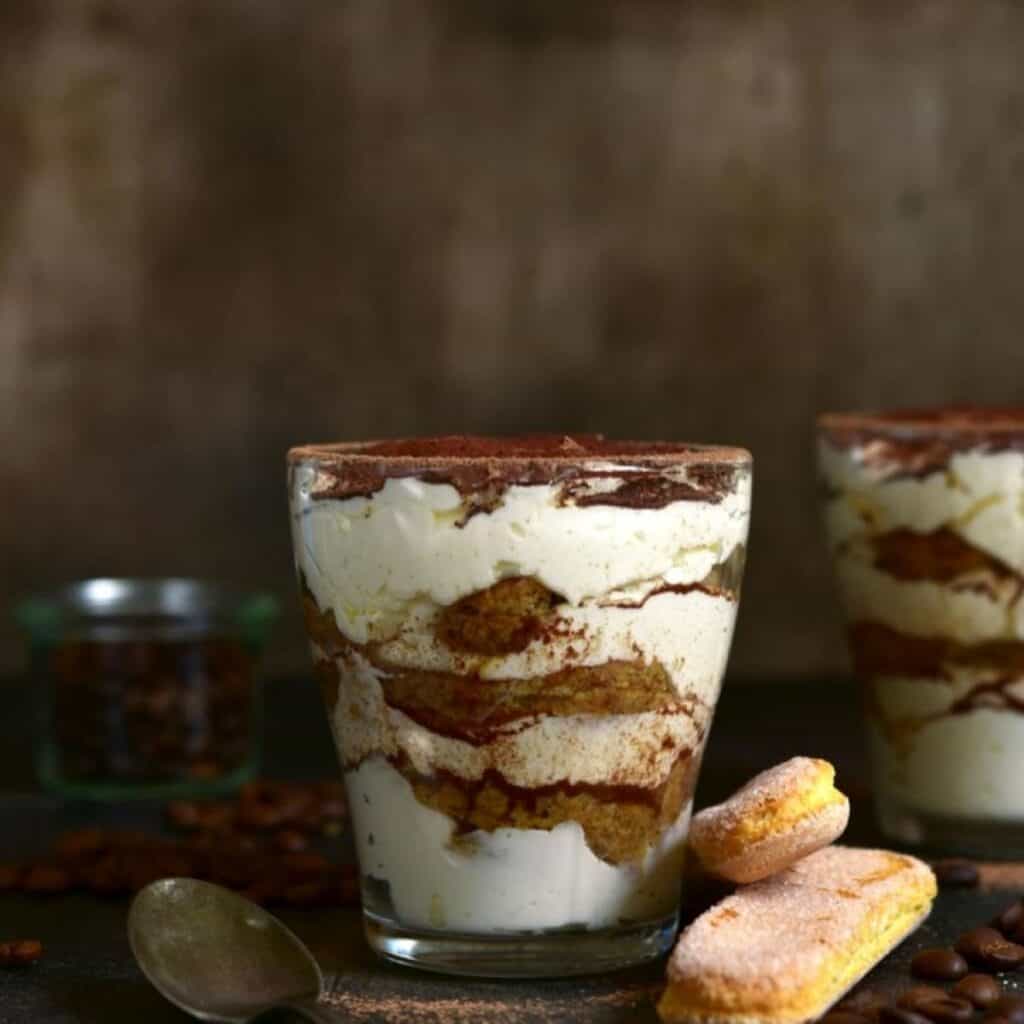
| The Italian Way Italian desserts are meant to conclude a meal, not overwhelm it. |
| Common Pairings | Typical Ingredients |
|---|---|
| Tiramisu Coffee-soaked layers of creamy goodness. | Flour and sugar |
| Cannoli Crips shells filled with sweet ricotta. | Eggs |
| Panna Cotta Silky cream with fruit or caramel. | Nuts |
| Torta della Nonna Custard tart with pine nuts. | Fruit |
| Discover classic Italian dessert recipes → Browse Dolce Recipes→ |
9. Caffe
The ritual pause.
Purpose
A small espresso that marks the conclusion of the meal and invites conversation.

| The Italian Way Coffee is not simply a beverage in Italy. It is a ritual. |
| What to know | Typical Options |
|---|---|
| Espresso is the standard. | Espresso Strong, small, and satisfying |
| Cappuccino is not served after meals. | |
| Take your time and enjoy the moment. |
| Learn about Italian coffee culture → Explore Caffe Guide→ |
10. Digestivo
The final farewell.
Purpose
A small after-dinner drink that aids digestion and ends the meal.
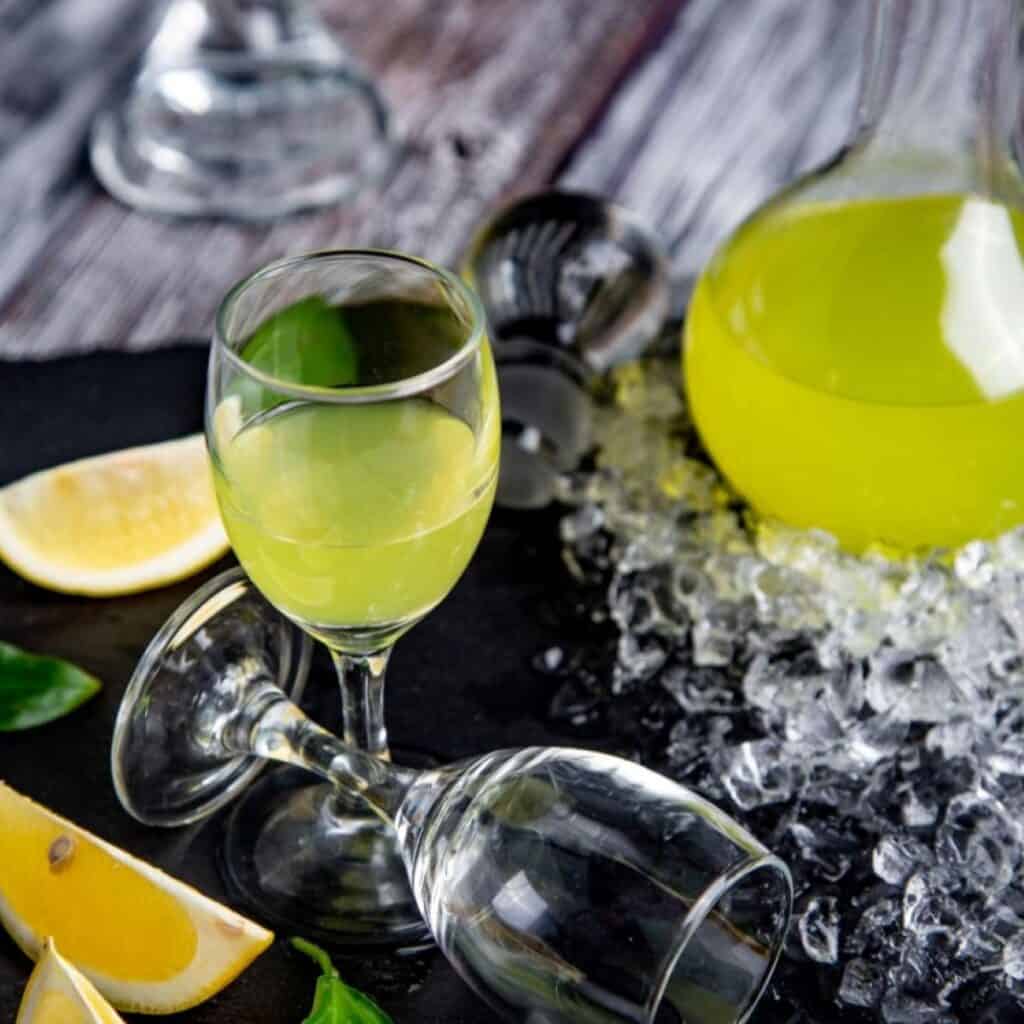
| The Italian Way The digestivo is less about digestion and more about extending hospitality. |
| Common Digestivi | Typical Ingredients |
|---|---|
| Limoncello Bright lemon liqueur. | Herbs and roots |
| Amaro Herbal and slightly bitter. | Citrus |
| Grappa Italian grape brandy. | Spices |
| Sambuca Anise-flavored and bold. | Anise |
| Explore digestivi and after-dinner traditions → Discorver Digestivo Guide→ |
The Philosophy Behind Italian Dining
Why Italians Eat This Way
Italian meals are not designed around abundance. They are designed around balance.
While many people outside Italy focus on the number of courses in a traditional Italian meal, Italians often focus on something entirely different: the experience. Each course serves a purpose, creating a natural rhythm that allows diners to enjoy ingredients, conversation, and company without rushing.
At the heart of Italian dining is the belief that every ingredient deserves respect. Rather than combining many flavors onto a single plate, courses are separated so each dish can be appreciated on its own. A simple antipasto awakens the palate. A comforting primo provides depth and satisfaction. A carefully prepared secondo highlights the quality of the main ingredient. Each stage builds upon the one before it.
Seasonality also plays a central role. Traditional Italian cooking follows the natural availability of ingredients. Fresh vegetables, regional cheeses, local seafood, and ripe fruit shape menus throughout the year. This connection to the seasons helps explain why Italian cuisine often relies on simplicity rather than complexity.
Perhaps most importantly, Italian dining values connection. Meals are opportunities to gather with family and friends, share stories, and slow down. The pacing of a traditional meal encourages conversation between courses and creates space for people to enjoy each other's company. Food becomes the centerpiece of the gathering, but it is not the only purpose.
This philosophy explains why the traditional Italian meal structure has endured for generations. It is not simply a sequence of courses. It is a reflection of balance, hospitality, regional identity, and respect for ingredients.
In Italy, a great meal is measured not by how much is served, but by how well each course contributes to the experience around the table.
| The Italian Way A traditional Italian meal is not about eating more food. It is about creating balance, honoring ingredients, and sharing meaningful time around the table. |
Regional Variations Across Italy
| Northern Italy Rich risotto, polenta, butter-based dishes, alpine cheeses. |
| Central Italy Pasta traditions, cured meats, olive oil, simplicity. |
| Southern Italy Seafood, tomatoes, citrus, olive oil, longer family-style meals. |
| Sicily Arabic, Greek, and Spanish influences with stronger dessert traditions. |
Traditional vs Everyday Italian Meals
Do Italians Really Eat All These Courses?
| Occasion | Typical Courses |
|---|---|
| Weeknight Dinner | Primo + Contorno |
| Sunday Family Meal | Antipasto + Primo + Secondo + Dolce |
| Holiday Feast | Full Structure |
| Restaurant Experience | Multiple Courses |
How to Recreate an Italian Meal at Home
Build Your Own Italian Meal
Beginner Menu
Traditional Sunday Menu
- Prosciutto e Melone
- Lasagna al Forno
- Roast Chicken
- Patate al Forno
- Cannoli
Celebration Menu
- Bruschetta
- Risotto alla Milanese
- Osso Buco
- Panna Cotta
Frequently Asked Questions About the Traditional Italian Meal Structure
A traditional Italian meal typically follows this order: aperitivo, antipasto, primo, secondo, contorno, insalata, formaggi e frutta, dolce, caffè, and digestivo. Not every meal includes every course, but this sequence forms the foundation of traditional Italian dining.
No. Most Italians eat much simpler meals during the week. The complete meal structure is usually reserved for holidays, celebrations, family gatherings, and special occasions.
The primo is often considered the heart of the meal. This course typically features pasta, risotto, gnocchi, or soup and reflects many of Italy's strongest regional traditions.
Traditional Italian dining separates starches and proteins into different courses. Pasta is usually served as the primo, while meat or fish is served later as the secondo.
Aperitivo is a pre-meal social gathering centered around drinks and small bites. Antipasto is the first formal food course and marks the official beginning of the meal.
Italian salads are often served after the secondo to refresh the palate. The acidity of olive oil and vinegar helps balance richer flavors before dessert.
A primo is the first plated course of a traditional Italian meal. Common primi include pasta, risotto, gnocchi, and hearty regional soups.
The secondo is the main protein course. It often features meat, fish, or poultry prepared simply to highlight the quality of the ingredients.
A contorno is a vegetable side dish served separately from the secondo. Common examples include roasted potatoes, sautéed greens, and seasonal vegetables.
Italian meals are designed around pacing and balance. Serving courses separately allows diners to appreciate each dish and enjoy conversation between courses.
Not necessarily. Fruit is often enjoyed instead of dessert during everyday meals. Traditional dolci are more common during weekends, celebrations, and family gatherings.
Popular Italian desserts include tiramisu, cannoli, panna cotta, crostata, gelato, and regional specialties that vary across Italy.
Espresso marks the end of the meal and the beginning of post-dinner conversation. It is traditionally served without milk after lunch or dinner.
A digestivo is a small after-dinner drink enjoyed after caffè. Popular options include limoncello, amaro, grappa, and sambuca.
Yes. A simple three-course meal can capture the spirit of Italian dining. Start with an antipasto, prepare a primo such as pasta or risotto, and finish with a traditional dessert and espresso.
Italian dining emphasizes balance, seasonality, simplicity, and connection. The meal structure encourages diners to slow down, appreciate ingredients, and enjoy time together around the table.
Most home cooks begin with the antipasto, primo, and dolce. This three-course structure is approachable, practical, and captures the rhythm of a traditional Italian meal without requiring a full ten-course feast.
Experience Italy One Course at a Time
Understanding the traditional Italian meal structure is only the beginning.
Authentic Italian cooking goes beyond recipes. It is built on regional traditions, quality ingredients, time-honored techniques, and a deep appreciation for food culture.
Whether you're preparing your first pasta dish, learning the difference between Parmigiano Reggiano and Pecorino Romano, or exploring the traditions that shape Italian dining, every meal is an opportunity to deepen your understanding of Italian cuisine.
Continue your journey through our recipes, cooking guides, and educational resources designed to help home cooks bring authentic Italian flavors into their own kitchens.
Continue Learning Italian Cooking
| Explore Authentic Italian Recipes Discover traditional Italian dishes, regional specialties, and reader-favorite recipes. Explore Recipes → |
| Learn Italian Cooking Master the foundations, techniques, ingredients, and food culture behind authentic Italian cuisine. Start Learning → |
| Join the Italian Kitchen Get authentic recipes, cooking guides, ingredient tips, and Italian food culture delivered straight to your inbox. Get the Free Italian Kitchen Essentials Guide → |
| The Italian Way Italian cooking is not about perfection. It is about understanding ingredients, respecting tradition, and sharing meaningful meals with the people around your table. |

JOIN THE ITALIAN KITCHEN
Every great Italian meal begins with curiosity.
Every week you'll discover authentic recipes, practical techniques, ingredient guides, and the traditions behind Italy's greatest dishes.
✓ Cook authentic Italian recipes with confidence
✓ Master techniques used in Italian kitchens
✓ Learn ingredients that make every dish better
✓ Discover the traditions behind every recipe