
Estimated reading time: 8 minutes
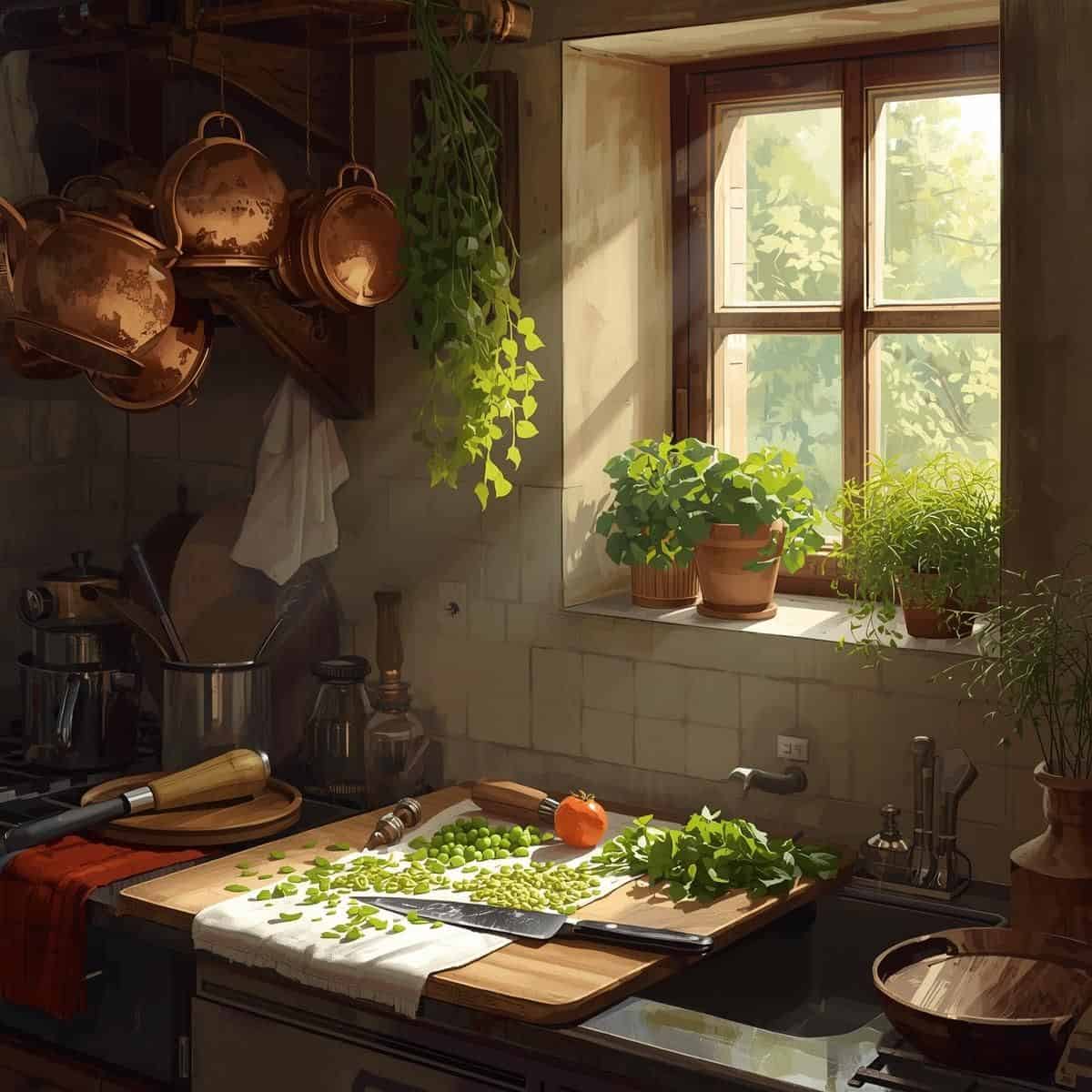
The Italian way of cooking is built on instinct, simplicity, and balance. Instead of relying on strict recipes, it focuses on understanding ingredients, using only what is necessary, and creating harmony between flavors. This approach allows cooks to adapt naturally while preserving authentic taste.
More Than Recipes
Italian cooking is often described as simple. That word is repeated so often that it begins to lose meaning. Simplicity in the Italian kitchen is not about using fewer ingredients for convenience. It is about clarity. It is about knowing what matters and removing what does not.
If there is one principle that defines Italian Cooking Ideas, it is this: Italian food is guided by instinct, shaped by restraint, and built on balance.
You do not need to measure everything precisely. You do not need complicated techniques to impress. You need awareness. You need attention. You need to understand how ingredients behave and how flavors interact.
That is the Italian way.
Cooking by Instinct, Not Fear
In many Italian homes, recipes are rarely written down. Quantities are estimated. Adjustments are made mid-process. Cooks taste constantly.
This does not mean guessing. It means developing confidence.
When you understand how salt enhances sweetness, how acidity brightens richness, and how fat carries flavor, you stop depending on rigid measurements. You begin cooking with awareness.
This philosophy connects directly to foundational techniques such as properly seasoning pasta water and finishing pasta in the sauce. Those small adjustments teach the same lesson repeatedly: flavor develops through attention, not automation.
Read More: Mastering Italian Pasta: Salt, Sauce & Texture
Instinct grows from repetition. The more you cook, the more natural your adjustments become.
Simplicity Is a Discipline
Italian food is not minimal because it lacks imagination. It is minimal because it respects ingredients.
When tomatoes are ripe, you do not bury them in sugar. When olive oil is fragrant, you do not overpower it with heavy cream. When cheese is aged properly, you do not mix five varieties into one dish.
Simplicity requires discipline. It requires you to stop adding once the dish feels complete.
This same restraint appears in soffritto, where onions, carrots, and celery quietly create depth without demanding attention for themselves. Italian flavor often begins subtly long before the final dish reaches the table.
Read More: Soffritto & Building Flavor the Italian Way
The Italian cook asks one question repeatedly:
Does this addition improve the dish or distract from it?
If it distracts, it does not belong.
Balance Is Everything
Balance is the invisible structure behind Italian cooking.
Salt without acid tastes flat. Fat without contrast feels heavy. Tomatoes without seasoning taste dull. Cheese without restraint overwhelms.
Italian cooking seeks harmony, not intensity.
This is why seasoning matters at a deeper level than most people realize. Salt is not simply added for flavor at the end. It shapes how every ingredient behaves from the beginning.
Read More: Salt: The Foundation of Italian Flavor]
Balance also explains why certain combinations are avoided. Cream in carbonara, excessive garlic, or unnecessary ingredients often disrupt equilibrium rather than enhance it.
The goal is cohesion.
Why Authentic Italian Food Often Feels Lighter
Many people associate Italian food with heaviness. Thick sauces, oversized portions, and excessive cheese have become common outside Italy.
Traditional Italian cooking approaches food differently.
Pasta is lightly coated rather than buried in sauce. Ingredients support each other instead of competing for attention. Rich ingredients are balanced carefully with acidity, texture, and restraint.
This is one reason authentic Italian meals often feel lighter and more structured despite using olive oil, cheese, cured meats, and pasta regularly.
The philosophy is not about restriction.
It is about proportion.
Common Italian Cooking Mistakes (and How to Fix Them)
Many home cooks struggle with Italian food, not because it is difficult, but because the philosophy is misunderstood.
One of the most common mistakes is adding too many ingredients. More does not mean better. It often creates confusion rather than depth.
Another mistake is over-seasoning. When salt, garlic, or cheese are pushed too far, they overpower instead of support.
Rushing the process also breaks the experience. Italian cooking relies on timing and attention. Skipping steps or cooking too aggressively removes control.
Finally, many cooks forget to taste as they go. Without tasting, there is no adjustment. Without adjustment, there is no balance.
When these mistakes are avoided, everything begins to click.
How to Think Like an Italian Cook
To cook the Italian way, you do not need new tools. You need a new mindset.
Start by focusing on the ingredient in front of you. Ask what it needs, not what the recipe says.
Taste often. Adjust slowly. Stop when the dish feels complete rather than when the recipe ends.
Pay attention to texture. Pasta should have bite. Sauces should cling, not drown.
Most importantly, trust repetition. Confidence does not come from reading. It comes from doing.
This is how instinct is built.
Signs You’re Beginning to Cook Like an Italian
- You begin tasting before serving.
- You stop adding ingredients simply for complexity.
- You notice when acidity is missing.
- You care more about texture than excess sauce.
- You trust the ingredient more than the recipe.
These small shifts are not rules.
They are signs that instinct is replacing imitation.
Mangia: An Invitation, Not Excess
The word “mangia” is often translated simply as “eat.” But in Italian culture, it carries warmth. It is encouragement. It is generosity. It is hospitality.
It does not mean overeating. It does not mean indulgence without thought.
It means:
Sit. Share. Taste. Enjoy.
Italian cooking is inseparable from the table. Meals are rarely rushed. Conversation matters. Food connects.
This relationship between food and togetherness extends far beyond recipes themselves. Italian dining traditions were built around participation, rhythm, and shared experience.
Read More: The Italian Table & Lifestyle
The philosophy of mangia reminds us that cooking is not performance.
It is participation.
Restraint Creates Confidence
One of the biggest misconceptions about Italian food is that it relies on heavy seasoning or aggressive flavors. In reality, restraint defines excellence.
You do not oversalt because you understand how salt behaves.
You do not oversauce pasta because texture matters.
You do not overcook ingredients because freshness matters.
This same discipline appears in pasta itself, where sauce and texture must integrate naturally rather than exist separately. Proper pasta should feel cohesive instead of overloaded.
Read More: Mastering Italian Pasta: Salt, Sauce & Texture
Confidence allows you to stop at the right moment.
Why This Philosophy Matters
Without this foundation, recipes become mechanical.
With this foundation, recipes become adaptable.
When you understand instinct, simplicity, and balance:
- You adjust seasoning naturally
- You recognize when a dish needs acid
- You avoid unnecessary additions
- You cook with intention instead of imitation
This mindset supports every ingredient guide, every technique article, and every regional exploration across Italian Cooking Ideas.
It is the root from which everything else grows.
FAQs: The Italian Way of Cooking
Italian cooking is built on instinct, simplicity, and balance. It focuses on understanding ingredients and creating harmony rather than following strict recipes.
Fewer ingredients allow each one to stand out. This creates cleaner, more focused flavors and prevents dishes from becoming overwhelming.
They rely on experience, taste, texture, and observation. Over time, cooks learn how ingredients behave and adjust naturally.
Authenticity comes from ingredient quality, proper balance, restraint, and technique rather than complexity alone.
Italian cooking in Italy often relies on fresher ingredients, stronger regional traditions, and greater restraint in seasoning and portioning.
Italian cooking prioritizes pasta texture and balance. Sauce should support the pasta rather than overwhelm it.
Traditional Italian cooking often emphasizes moderation, fresh ingredients, balance, and portion control rather than heaviness.
Balance ensures that flavors complement each other naturally. Without balance, dishes can taste flat, heavy, or overpowering.
Cook frequently, taste often, and pay attention to how ingredients interact. Confidence develops gradually through repetition.
Because unnecessary additions can disrupt balance and hide the natural qualities of the ingredients.
Overcomplicating the dish. Adding too many ingredients or over-seasoning often weakens flavor instead of improving it.
When the flavors feel cohesive and balanced, not simply when the recipe says to stop.
Yes. Italian cooking is approachable because it relies on simple techniques, quality ingredients, and repetition rather than extreme complexity.
Finishing pasta in the sauce allows starch and sauce to integrate fully, creating better cohesion and flavor balance.
Final Thought
Italian cooking is not defined by a single ingredient or technique.
It is defined by how those elements are handled.
Cook with awareness.
Cook with restraint.
Cook with balance.
That is the Italian way.
Key Takeaways
- The Italian way of cooking emphasizes instinct, simplicity, and balance, allowing cooks to adapt rather than strictly follow recipes.
- Simplicity in Italian cooking means clarity and respect for ingredients, focusing on what enhances rather than complicates a dish.
- Cooking by instinct involves tasting and adjusting throughout the process, developing confidence over time through experience.
- Balance is crucial; it ensures that flavors complement each other, preventing dishes from being flat or overpowering.
- Authentic Italian meals feel lighter due to careful ingredient balance and restraint, not excess or heaviness.

Comments
No Comments