
Estimated reading time: 8 minutes
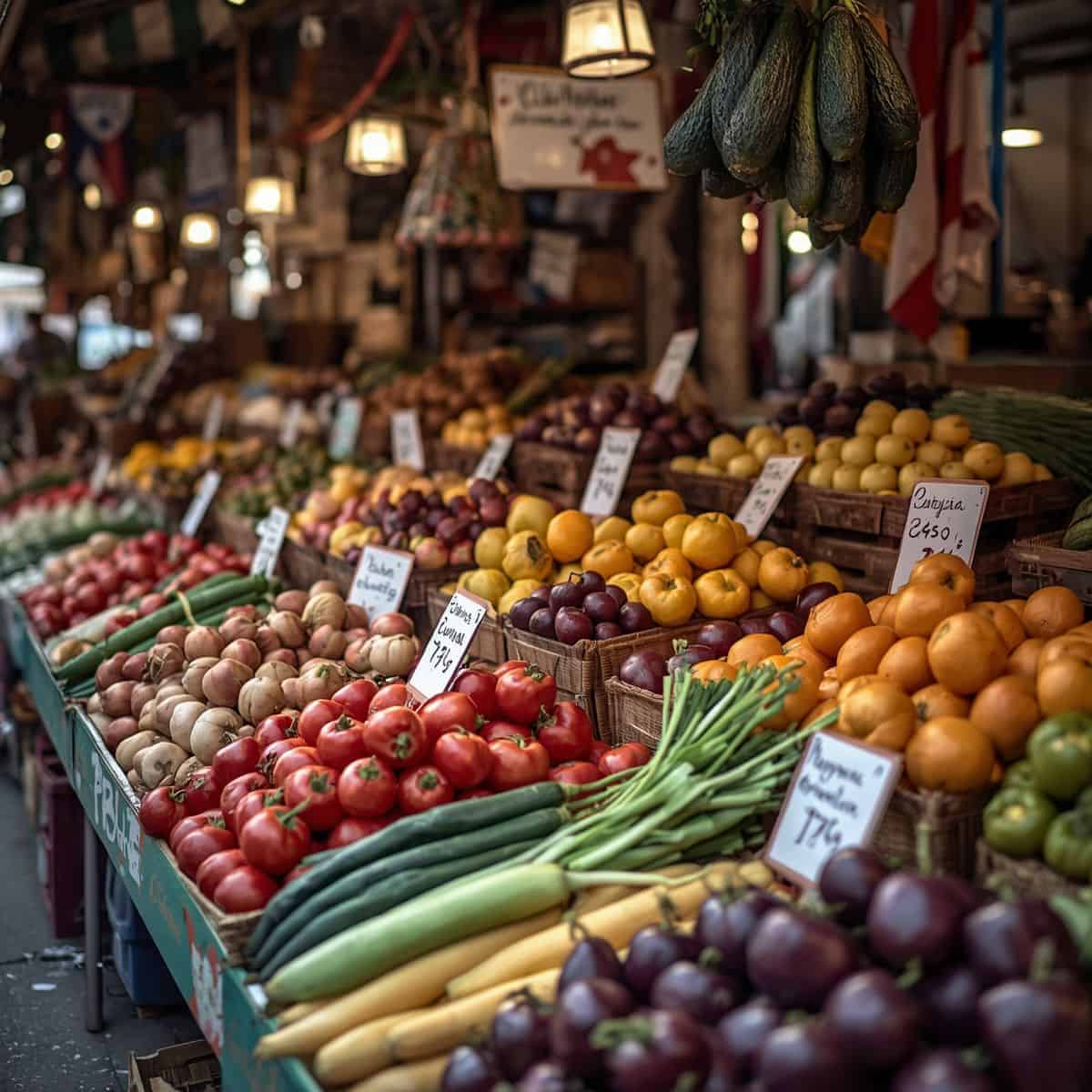
Italian seasonal ingredients are fruits, vegetables, herbs, and specialty products that naturally reach their peak during specific times of the year. Italian cooking follows these natural cycles because seasonal ingredients offer better flavor, texture, freshness, and value. Understanding what grows in each season helps create more authentic Italian meals.
Seasonality Is Not Trendy in Italy
In many parts of the world, eating seasonally has become a modern movement.
In Italy, it never became a movement because it never disappeared.
Markets shift with the weather. Menus adjust naturally. Ingredients appear when they are ready. Italian cooks rarely force ingredients into dishes when nature says otherwise.
This relationship with the calendar shapes flavor, texture, price, and even cooking techniques.
To understand authentic Italian cooking, you must first understand seasonality.
The same respect Italians show toward ingredients themselves extends to when those ingredients are used. Cooking with awareness means recognizing that nature often determines the menu before the cook does.
This philosophy connects directly to the broader Italian approach of balance, restraint, and ingredient respect.
READ MORE: The Italian Way of Cooking: Instinct, Simplicity & Balance
Why Seasonality Matters
Seasonal ingredients offer:
- Better flavor
- Proper texture
- Natural ripeness
- Balanced acidity
- Greater freshness
Out-of-season produce often looks attractive but lacks depth.
A winter tomato may appear similar to a summer tomato, but the flavor can be dramatically different.
Italian cooking depends heavily on ingredient quality because many traditional dishes use very few ingredients. Simplicity only succeeds when those ingredients perform at their highest level.
This is one reason authentic Italian food often tastes vibrant without relying on excessive seasoning or complicated techniques.
Why Italians Rarely Fight the Seasons
One of the most overlooked aspects of Italian cooking is acceptance.
Italian cooks rarely force ingredients into dishes when nature says otherwise.
Tomatoes belong to summer.
Porcini belong to autumn.
Artichokes belong to spring.
Rather than adapting ingredients to fit recipes, recipes often adapt to fit ingredients.
This mindset teaches patience. It encourages awareness. Most importantly, it builds respect for agriculture and tradition.
The result is food that feels connected to both place and time.
Spring (March-May)
SSpring in Italy represents renewal.
After winter's heavier ingredients, markets begin filling with brighter flavors and delicate textures.
Common ingredients include:
- Asparagus
- Artichokes
- Fava beans
- Fresh peas
- Spring onions
These vegetables require gentle handling.
Heavy sauces often overpower them. Excess seasoning masks their natural sweetness.
Spring cooking rewards restraint. Ingredients should remain vibrant and recognizable.
The same awareness used in proper seasoning becomes especially important here because delicate vegetables can quickly lose their identity if over-seasoned.
READ MORE: Salt: The Foundation of Italian Flavor
Spring cooking tends to be lighter, greener, and more herb-forward.
Summer (June-August)
Summer is abundance.
Markets overflow with color, fragrance, and natural sweetness.
Common ingredients include:
- Tomatoes
- Zucchini
- Eggplant
- Peppers
- Fresh basil
This is the season when simple dishes often shine brightest.
A perfectly ripe tomato requires very little intervention.
A splash of olive oil, a pinch of salt, and a few basil leaves are often enough.
This is why dishes like Pasta al Pomodoro become powerful examples of Italian cooking philosophy. Simplicity succeeds because the ingredient itself carries the flavor.
Understanding why tomatoes behave differently during summer helps explain why certain Italian dishes feel impossible to replicate at other times of year.
READ MORE: Why Italian Tomatoes Just Hit Different
Summer cooking embraces minimal heat and maximum freshness.
Autumn (September-November)
Autumn introduces depth.
As temperatures cool, ingredients become richer, earthier, and more complex.
Common ingredients include:
- Porcini mushrooms
- Pumpkins
- Chestnuts
- Grapes
- Truffles
This season encourages slower cooking and deeper flavor development.
Risotto becomes especially prominent.
The same patience that defines seasonal cooking appears in risotto preparation, where flavor develops gradually through technique rather than shortcuts. Properly toasted rice creates structure before liquid ever enters the pan.
[INTERNAL LINK: Toasting Rice for Risotto: Why It Matters]
Autumn cooking celebrates richness while maintaining balance.
Winter (December-February)
Winter brings comfort.
Hearty vegetables, legumes, and slow-cooked dishes become more common.
Seasonal ingredients include:
- Cabbage
- Kale
- Root vegetables
- Citrus
- Dried legumes
Winter ingredients often benefit from longer cooking times because structure and depth become more important than brightness alone.
Slow cooking allows flavors to integrate naturally rather than aggressively.
The same understanding of timing that defines many traditional winter dishes appears throughout Italian cooking, where patience often creates flavor more effectively than intensity.
READ MORE: Slow-Cooking vs Fast-Cooking Italian Dishes
Winter cooking comforts without becoming excessive.
Regional Overlap
Seasonality varies throughout Italy.
Climate influences timing.
In Sicily, citrus often appears earlier because of the warmer climate. Seasonal patterns shift naturally according to geography.
READ MORE: Sicily: Citrus, Seafood & Sun
In northern regions, autumn often brings stronger mushroom and truffle traditions.
INTERNAL LINK: Piedmont: Creamy, Truffle-Infused Cuisine
This regional variation is one reason Italian cuisine feels so diverse despite sharing common principles.
Geography shapes the calendar.
The calendar shapes the kitchen.
What Happens If You Ignore Seasonality?
When ingredients are used out of season:
- Tomatoes lose sweetness
- Zucchini becomes watery
- Basil loses aroma
- Produce often becomes more expensive
- Flavor requires more correction
The result is food that often depends on additional seasoning, sugar, sauces, or manipulation to compensate.
Italian cooking avoids this problem whenever possible.
Seasonality allows ingredients to do much of the work naturally.
The less correction required, the more authentic the final dish feels.
How Italians Shop Differently Than Most Home Cooks
Many home cooks begin with a recipe.
Many Italians begin with the market.
They see what is fresh first.
Then they decide what to cook.
This approach encourages flexibility and awareness.
Instead of forcing ingredients into a predetermined plan, the meal develops around what nature is offering at its best.
Over time, this creates stronger instincts and deeper ingredient knowledge.
Signs You're Beginning to Cook Seasonally
- You notice produce quality changing throughout the year.
- You shop based on freshness instead of routine.
- You build meals around ingredients rather than recipes.
- You naturally adjust menus with the weather.
- You become more aware of ripeness, texture, and aroma.
These are signs that ingredient awareness is replacing habit.
And ingredient awareness sits at the heart of Italian cooking.
Why Eating Seasonally Matters
Seasonality teaches:
- Patience
- Adaptability
- Respect for agriculture
- Flavor awareness
It encourages moderation.
It discourages excess.
Most importantly, it reminds us that cooking is a partnership with nature rather than a battle against it.
This mindset aligns closely with the broader Italian appreciation for slower, more intentional eating.
READ MORE: How Italians Approach Eating: The Joy of Slow Food
Seasonality is not limitation.
It is guidance.
FAQs: Italian Seasonal Ingredients
Seasonal ingredients provide better flavor, freshness, texture, and value while supporting traditional cooking practices.
Summer tomatoes receive more sunlight and naturally develop better sweetness, acidity, and aroma.
In most cases, yes. Ingredients harvested at their peak often have stronger flavor and better texture.
Asparagus, artichokes, fava beans, peas, and spring onions are common spring ingredients.
Tomatoes, basil, zucchini, peppers, and eggplant dominate many summer dishes.
Many mushroom varieties, especially porcini, naturally flourish during autumn conditions.
Root vegetables, legumes, cabbage, kale, citrus fruits, and slow-cooked dishes become more common.
Recipes often change based on ingredient availability, freshness, and quality.
Often yes. Seasonal produce tends to be more abundant and widely available.
Absolutely. Focus on ingredients that are seasonal in your own region while applying Italian cooking principles.
Markets reflect local harvest cycles and ingredient availability.
Better flavor with less need for correction, manipulation, or excessive seasoning.
Why This Matters
Understanding seasonality teaches more than ingredient selection.
It teaches awareness.
You begin noticing texture. Ripeness. Freshness. Timing.
You learn that great cooking often starts before the stove is turned on.
These lessons strengthen every aspect of Italian cooking because they reinforce one of its most important principles:
Respect the ingredient.
Final Thought
In Italy, the calendar shapes the kitchen.
Spring brightens.
Summer bursts.
Autumn deepens.
Winter comforts.
Cooking seasonally is not restriction.
It is alignment.
The best Italian cooks do not fight the seasons.
They listen to them.
And that may be one of the most valuable cooking lessons of all.
Key Takeaways
- Italian seasonal ingredients are fruits, vegetables, and herbs that peak at specific times, enhancing flavor and authenticity in cooking.
- Italy has a long-standing tradition of seasonality, which shapes cooking practices and ingredient choices throughout the year.
- Seasonal cooking emphasizes quality, with different ingredients thriving in each season—from light spring veggies to hearty winter produce.
- Respecting seasonality teaches patience and awareness, encouraging cooks to adapt recipes based on fresh availability.
- Cooking seasonally aligns with the Italian philosophy of simplicity, where respect for ingredients results in vibrant, flavorful dishes.
Comments
No Comments