
Perfect Pesto Pasta – Traditional Roots & Creative Twists
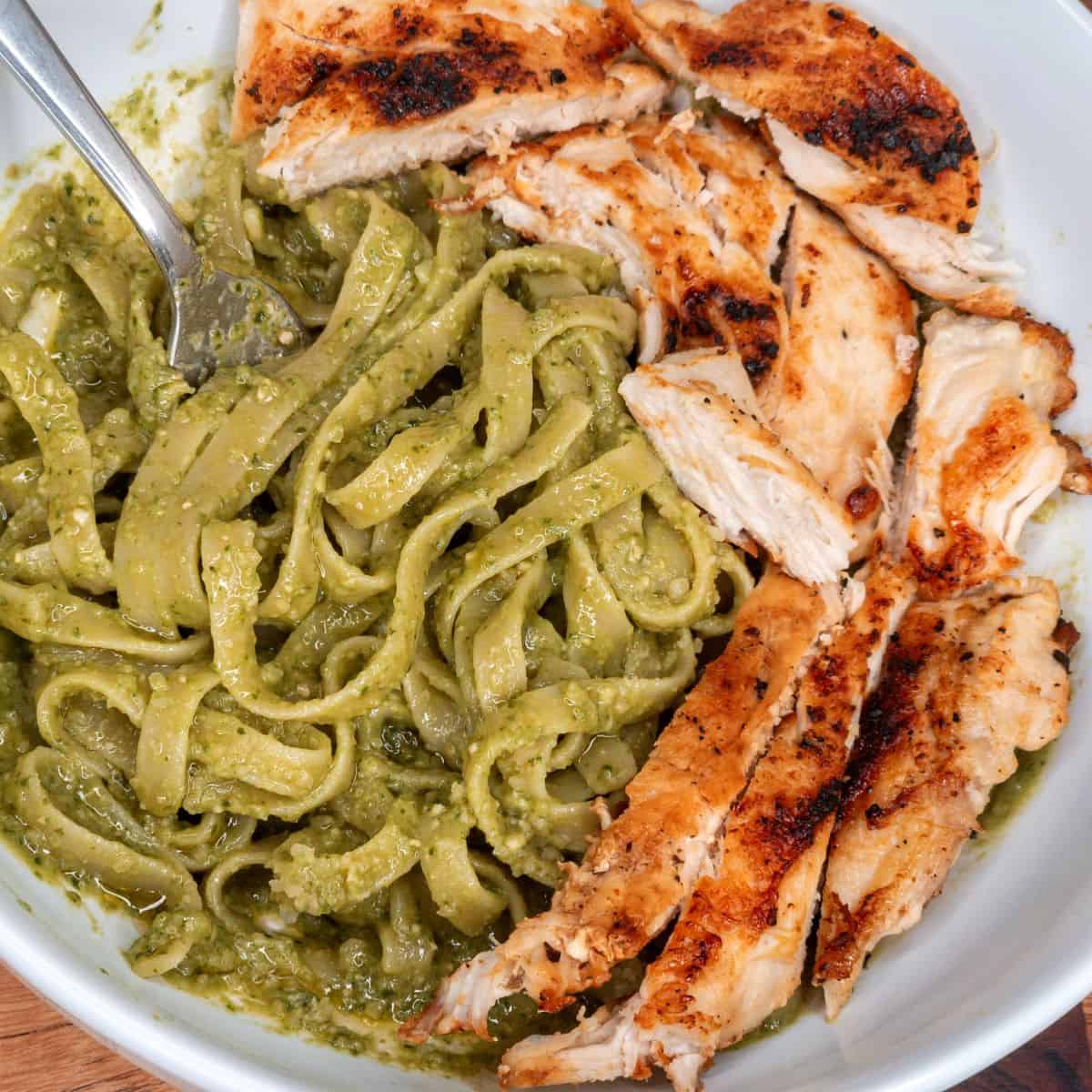
Pesto Pasta is my go-to when I want something quick, bright, and deeply satisfying. Whether served warm and glossy straight from the pan or chilled as a refreshing pasta salad, this dish delivers bold basil flavor and silky texture in every bite.
Born in Genoa along the Italian Riviera, pasta al pesto is both traditional and endlessly adaptable. I still remember tasting my first plate in Liguria, where Nonna insisted on using a mortar and pestle to pound fresh basil by hand. The fragrance filled the kitchen, and with just a few simple ingredients, she created a dish that tasted like summer itself. Today, whether it’s for a weeknight dinner or a backyard picnic, pesto pasta remains a love letter to authentic Italian cooking.
Key Takeaways
- Pesto Pasta is a quick, flavorful dish rooted in Italian cuisine, showcasing bold basil flavor and silky texture.
- Authentic pesto comes from Genoa and thrives on fresh ingredients like basil, garlic, and nuts, preferably made using a mortar and pestle.
- Reserve pasta water when cooking; it emulsifies with pesto to create a creamy sauce that clings to the pasta perfectly.
- Customize your Pesto Pasta with optional add-ins like cherry tomatoes, chicken, or cheese for added richness.
- This easy recipe is vegetarian and adaptable, making it ideal for quick weeknight meals or refreshing pasta salads.
The secret is emulsifying fresh basil pesto with starchy pasta water. This creates a glossy, creamy pesto pasta sauce that clings to every bite. Short, ridged pastas like trofie, fusilli, or penne are considered the best pasta for pesto.
Jump to:
- Perfect Pesto Pasta – Traditional Roots & Creative Twists
- Key Takeaways
- Fast Facts
- Ingredients
- Equipment
- Step-by-Step Instructions
- How Do I Make Homemade Pesto?
- Why You’ll Love This Pesto Pasta Recipe
- Notes & Authentic Tips for Your Italian Dish
- Cultural & Historical Significance of Pesto Pasta
- Traditional Italian Meal Structure
- Pairing Suggestions for Your Pesto Pasta Recipe
- Variations for Your Italian Dish
- Pesto Chicken... Sandwich??
- How to Make Pesto Pasta (with pictures!)
- Frequently Asked Questions (FAQ)
- Nutritional Facts (per serving)
- Check Out Our Socials!
Fast Facts
- Prep Time: 5 minutes
- Cook Time: 10 minutes
- Total Time: 15 minutes
- Servings: 2
- Difficulty Level: Beginner
- Course: Primo (First Course) or Main (with protein add-ins)
- Cuisine: Italian
Ingredients
Option 1 - For Homemade Pesto
- 2 cups fresh basil leaves (packed)
- ⅓ cup pine nuts (or walnuts, almonds)
- 2 garlic cloves
- ½ cup Parmigiano Reggiano, grated
- ½ cup extra virgin olive oil
- Salt and fresh lemon juice, to taste
- see below for below for "How Do I Make Homemade Pesto?"
Option 2 - Using Store-Bought Pesto
- ½ cup high-quality pesto (store-bought, refrigerated is best)
For the Pasta:
- 200 g (7 oz) pasta (spaghetti, trofie, penne, or fusilli)
- 2 teaspoon kosher salt (for boiling water)
- ¾ cup reserved pasta water
Optional Add-Ins
- Cherry tomatoes, sautéed onion, or zucchini
- Cooked chicken or shrimp
- Mozzarella balls for extra creaminess
Equipment
- Large pot (8-quart) for pasta
- Colander for draining
- Food processor or mortar & pestle for homemade pesto
- Chef’s knife and cutting board
- Spaghetti server or mixing spoon
- Grater or microplane for cheese
Step-by-Step Instructions
1. Cook the Pasta
- Bring water to a boil in a large pot.
- Add salt and pasta. Cook until al dente.
- Use a spaghetti server to stir occasionally.
- Reserve ¾ cup pasta water, then drain with a colander.
2. Prepare the Pesto Base
- Place ½ cup pesto in a large mixing bowl (not a hot skillet).
- Add a splash of pasta water and stir gently with a wooden spoon until smooth and slightly creamy.
3. Toss Off Heat
- Transfer hot pasta to the bowl with pesto.
- Add more pasta water, a little at a time, until the sauce coats the pasta evenly and looks glossy.
4. Adjust and Serve
- Taste and season with salt, lemon juice, or extra grated Parmesan if needed.
- Garnish with fresh basil leaves or cherry tomatoes.
- add in your Sautéed onion, cherry tomatoes, cooked chicken or shrimp
- Mozzarella balls for extra creaminess
- Serve immediately or cool for a refreshing pesto pasta salad.
How Do I Make Homemade Pesto?
Making homemade is easier than you think. You need a few ingredients and time to put the love into the craft. The heart of every authentic pesto pasta recipe is fresh, homemade pesto. In Liguria, pesto is still made the old-fashioned way — by pounding basil, garlic, pine nuts, and cheese with a marble mortar and wooden pestle. Nonna would always say that hand-pounded pesto carried the soul of the cook. The aroma of crushed basil fills the kitchen, and each swirl of olive oil turns the mixture into a silky green treasure.
If you don’t have time for tradition, a food processor makes the process quick and easy while still keeping all the bright, herbal flavor.
- Prepare the Basil
- Wash and pat dry 2 cups of fresh basil leaves.
- Toast the Nuts (Optional)
- Lightly toast pine nuts in a small skillet for depth. Pine nuts are classic, but walnuts or almonds work too.
- Combine Ingredients
- Add basil, 2 garlic cloves, nuts, and Parmesan Reggiano to a mortar or processor.
- Add Olive Oil
- Drizzle in high-quality extra virgin olive oil slowly, blending or pounding until smooth but textured.
- Finish
- Finish with salt and a squeeze of lemon juice for brightness.
This homemade pesto recipe creates the perfect base for pasta, sandwiches, and salads. Always remember: never cook pesto directly. Toss it with hot pasta and a splash of pasta water to create a creamy, glossy coating that clings beautifully. This vibrant sauce is perfect for pasta, sandwiches (Pesto Sandwich), or as a dip.
Why You’ll Love This Pesto Pasta Recipe
Pesto pasta is bold, fast, and endlessly customizable. With just a handful of simple Italian ingredients, you can create a dish that’s naturally vegetarian, ready in under 20 minutes, and adaptable to your tastes. Whether you enjoy it creamy, chilled, or paired with shrimp or chicken, this easy pesto pasta recipe proves that healthy Italian cooking can also be full of flavor and soul.
Notes & Authentic Tips for Your Italian Dish
Authentic Genovese pesto should always be made off heat to preserve its bright green color and fresh aroma. Use a mortar and pestle for traditional texture, but a food processor works fine for speed. Always save pasta water to emulsify the sauce—this is the secret to glossy, creamy pesto pasta. Pine nuts are traditional, but walnuts or almonds make excellent substitutions. Never drown the pasta in sauce; pesto should coat, not smother.
Cultural & Historical Significance of Pesto Pasta
Pesto Genovese comes from Liguria, where basil grows abundantly in the salty Mediterranean air. The word “pesto” comes from pestare, meaning “to pound,” referencing the traditional mortar and pestle method. While green pesto is most famous, Sicily offers pesto alla Trapanese, a tomato-and-almond cousin perfect for summer. Today, pesto pasta symbolizes Ligurian pride and Italian simplicity: fresh herbs, quality cheese, and olive oil blended into a timeless sauce.
Traditional Italian Meal Structure
Did you know that every recipe you enjoy is part of a bigger story?
In Italy, meals follow the traditional Italian meal structure, a time-honored sequence of courses from aperitivo to dolce that celebrates balance, flavor, and culture. Want to dive deeper into how Italians eat and see where this dish fits in the rhythm of an authentic Italian dinner? [Explore our full guide to the Traditional Italian Meal Structure here.]
Pairing Suggestions for Your Pesto Pasta Recipe
- Appetizer: Caprese Salad – balances herbal notes with creamy mozzarella.
- Main Dish Pairing: Grilled Lemon Chicken for protein and complements the pesto.
- Wine: Vermentino or Pinot Grigio to highlight herbal brightness.
- Dessert: Lemon Sorbet – refreshing and zesty finish.
Variations for Your Italian Dish
- Vegetarian: Keep classic with Parmesan.
- Vegan: Use nutritional yeast or vegan cheese.
- Nut-Free: Substitute sunflower seeds or pumpkin seeds.
- Creamy: Stir in Greek yogurt, mascarpone, or an egg yolk (off heat).
- Protein Add-Ins: Chicken, shrimp, or white beans.
- Greens Swaps: Try arugula, spinach, or kale alongside basil.
Pesto Chicken... Sandwich??
Check out our Pesto Chicken Sandwich recipe for a handheld pesto variation!
How to Make Pesto Pasta (with pictures!)

Get Ready!
- Verify your ingredients are all here and you're ready to begin.

Cook the Pasta
- Bring water to a boil in a large pot.
- Add salt and pasta. Cook until al dente.
- Use a spaghetti server to stir occasionally.
- Reserve ¾ cup pasta water, then drain with a colander.

Prepare the Pesto Base
- Place ½ cup store-bought pesto in a large mixing bowl (not a hot skillet).
- Add a splash of pasta water and stir gently with a wooden spoon until smooth and slightly creamy.
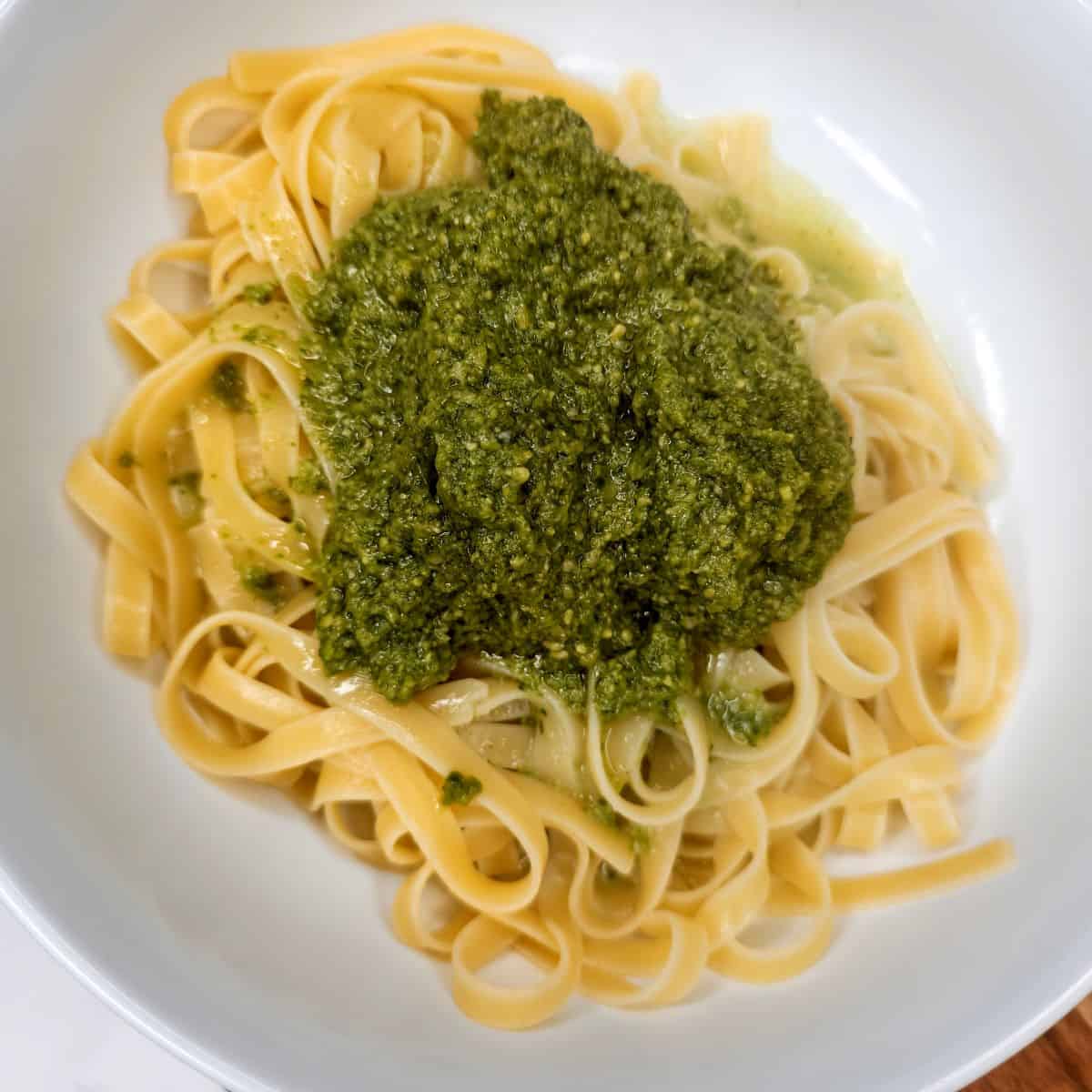
Assemble Off-Heat
- Place drained pasta into a large mixing bowl.
- Add pesto and a splash of reserved pasta water.
- Toss with a wooden spoon until glossy and emulsified.
- Avoid reheating directly in the pan.

Combine Pasta, Pesto, and Parmesan
- Toss vigorously with a spoon or spaghetti server.
- Add more water until the sauce is silky and coats the noodles evenly.

Serve and Enjoy
- Serve immediately or cool for pesto pasta salad.
- Garnish with freshly grated Parmigiano and a drizzle of olive oil.
Optional Toppings
- Grate extra cheese with a microplane.
- Add toppings like cherry tomatoes, chicken or shrimp with a chef’s knife for prep.
Frequently Asked Questions (FAQ)
Short, ridged pastas like trofie, fusilli, or penne are the best pasta for pesto, as they cling to the sauce perfectly.
Reserve starchy pasta water and toss it with pesto. This emulsifies into a silky creamy pesto pasta sauce.
Walnuts, almonds, or even pecans make great substitutes. These swaps keep the authentic Italian pasta flavors balanced.
Yes. Store in an airtight container with a layer of olive oil on top. It lasts a week in the fridge or 3 months in the freezer.
Toss pesto with pasta water instead of extra oil. This technique creates a lighter, healthy Italian pasta recipe.
Absolutely. Traditional Ligurian cooks use a marble mortar and pestle. Hand-pounding basil and garlic creates the most authentic Genovese pesto.
Yes. With no cooking beyond boiling pasta, this easy pesto pasta recipe is ideal for healthy weeknight dinners.
Nutritional Facts (per serving)
- Calories: 520
- Carbohydrates: 55 g
- Protein: 12 g
- Fat: 30 g
- Sodium: 390 mg
- Fiber: 3 g
- Sugar: 2 g
- Values are approximate and may vary based on ingredients and portion size.
Dietary Tags: Vegetarian, Gluten-Free (with GF pasta), Nut-Free (with substitutions), Egg-Free, Organic, Low-Carb (small portion), Pescatarian, Vegan-Friendly (with cheese substitute)
Check Out Our Socials!
This pesto pasta recipe is a speedy love letter to Italian cooking. Whether you’re craving authentic Genovese pesto or want to remix it with chicken or shrimp, the result is always fresh, vibrant, and full of soul.
If you try this recipe, share your creations and tag #ItalianCookingIdeas on:
📬 Get Weekly Italian Recipes in Your Inbox: Join our free newsletter for fresh Italian recipes, cooking tips, and behind-the-scenes stories from my kitchen. Subscribe here.
Pesto Pasta
________________________________________________________________________________
Print Pin Save Recipe. . . . .
Ingredients
Option 1 – For Homemade Pesto
- 2 cups fresh basil leaves packed
- ⅓ cup pine nuts or walnuts, almonds
- 2 garlic cloves
- ½ cup Parmigiano Reggiano grated
- ½ cup extra virgin olive oil
- Salt and fresh lemon juice to taste
Option 2 – Using Store-Bought Pesto
- ½ cup high-quality pesto store-bought, refrigerated is best
For the Pasta
- 200 g 7 oz pasta (spaghetti, trofie, penne, or fusilli)
- 2 teaspoon kosher salt for boiling water
- ¾ cup reserved pasta water
Optional Add-Ins
- Cherry tomatoes sautéed onion, or zucchini
- Cooked chicken or shrimp
- Mozzarella balls for extra creaminess
Equipment
- Pot (8-quart)
- Colander
- Chef’s knife
- Cutting Board
- Spaghetti Server or Mixing Spoon
- Grater / Microplane
- Food processor or mortar & pestle for pesto if making homemade Pesto
Instructions
Cook the Pasta
- Bring a large pot of salted water to a boil.
- Add pasta and cook until al dente.
- Reserve ¾ cup pasta water, then drain with a colander.
Prepare the Pesto Base
- Place ½ cup store-bought pesto in a large mixing bowl (not a hot skillet).
- Add a splash of pasta water and stir gently with a wooden spoon until smooth and slightly creamy.
Toss the Pasta
- Transfer hot pasta to the bowl with pesto.
- Add more pasta water, a little at a time, until the sauce coats the pasta evenly and looks glossy.
Adjust and Serve
- Taste and season with salt, lemon juice, or extra grated Parmesan if needed.
- Garnish with fresh basil leaves or cherry tomatoes.
- Serve immediately or cool for a refreshing pesto pasta salad.
Richard says
Easy and delicious!