
Estimated reading time: 6 minutes
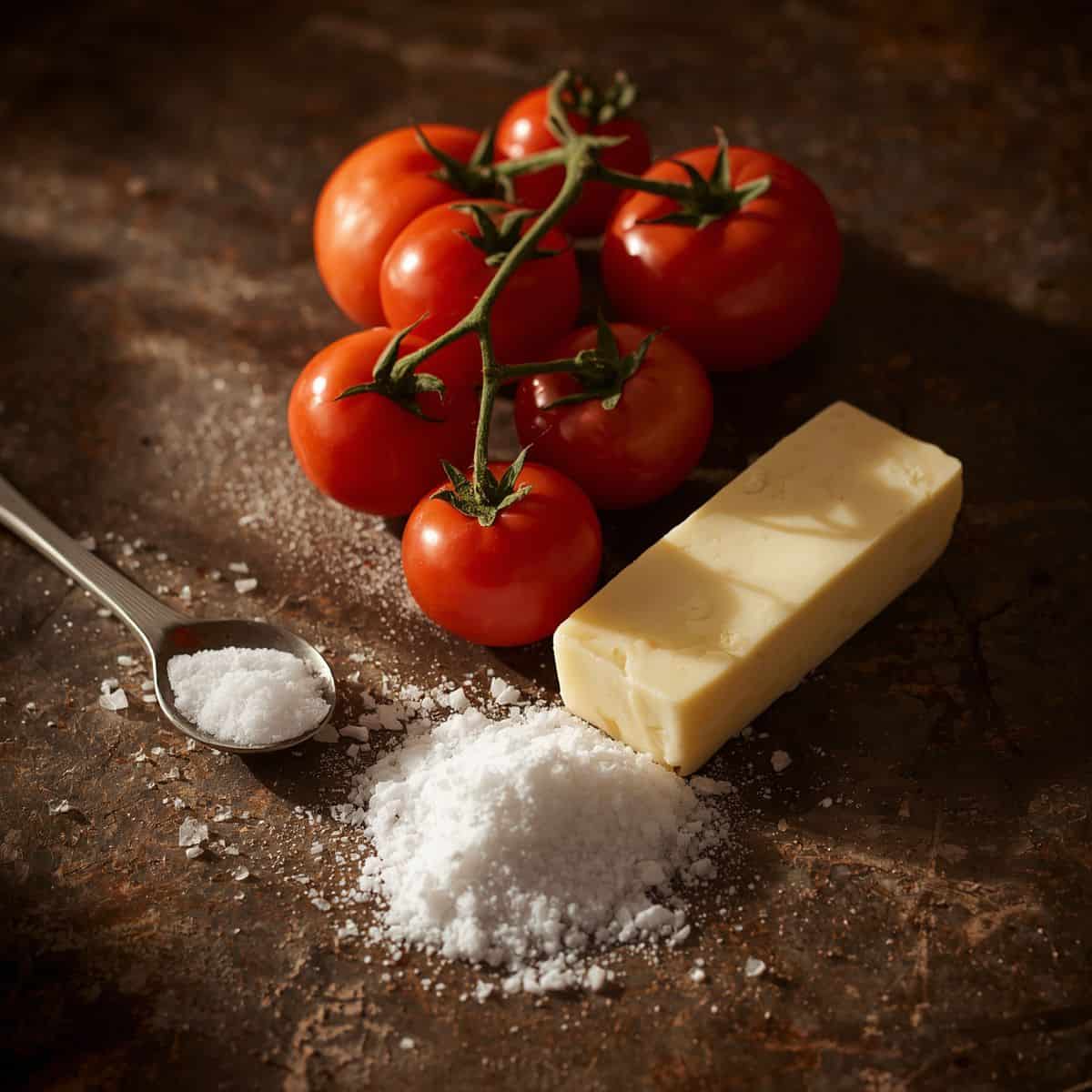
Italian chefs balance flavor by carefully controlling salt, fat, and acid throughout cooking rather than relying on heavy seasoning at the end. Salt sharpens flavor, fat carries richness, and acid brightens the dish. When balanced properly, food tastes structured, vibrant, and complete rather than heavy or flat.
Balance Before Complexity
Italian food rarely depends on complicated spice blends or excessive seasoning.
Instead, it depends on balance.
Salt sharpens. Fat carries. Acid brightens.
When one element dominates, a dish feels flat, dull, or heavy. When these elements work together, even the simplest pasta feels complete.
This is one reason authentic Italian food often tastes more structured and satisfying despite using fewer ingredients.
Mastering this balance is what separates cooking from instinctive cooking.
Salt: The Foundation
Salt does not simply make food salty.
It enhances natural flavor. It sharpens sweetness in tomatoes. It reduces bitterness in greens. It strengthens savory depth in meat.
Most importantly, it creates structure.
Italian cooking builds seasoning gradually rather than aggressively correcting flavor at the end:
- Salt pasta water before boiling
- Salt vegetables before roasting
- Season sauces as they reduce
- Adjust carefully before serving
This discipline teaches control instead of reaction.
The same layered seasoning philosophy defines nearly every successful Italian dish because balance begins long before the plate is finished.
Read More: Salt: The Foundation of Italian Flavor
Excess cannot be reversed easily.
Restraint matters.
Fat: The Carrier of Flavor
Fat adds richness, aroma, texture, and depth.
In Italian cooking, this usually means:
- Olive oil
- Butter
- Cheese
Olive oil carries fragrance and complexity. Butter softens acidity and creates roundness. Cheese contributes savoriness and structure.
But too much fat dulls brightness and weakens contrast.
Fat should coat.
Never suffocate.
Ingredient quality matters enormously because fat often carries the flavor profile of the entire dish itself. The difference between average olive oil and excellent olive oil changes the final result immediately.
Read More: Olive Oil: Cold-Pressed vs Extra Virgin — What Matters
Quality changes balance.
Acid: The Brightener
Acid awakens flavor.
It prevents richness from becoming heavy and keeps dishes feeling alive.
Common Italian acids include:
- Tomatoes
- Lemon
- Vinegar
- Wine
Too little acid creates dullness.
Too much acid creates harshness.
The goal is not sharpness.
It is energy.
Wine demonstrates this balance clearly because it contributes acidity, aroma, and structure simultaneously when integrated properly rather than aggressively.
Read More: How to Cook with Wine Like a Pro
Precision creates harmony.
Why Restaurant Pasta Tastes More Balanced
Many people wonder why restaurant pasta often tastes deeper and more cohesive than homemade pasta.
Usually, the answer is not extra ingredients.
It is balance.
Restaurants continuously adjust salt, fat, and acidity throughout cooking rather than relying on one strong correction at the end.
Pasta finishes directly in the sauce. Fat emulsifies with starch. Acidity stays controlled. Salt integrates gradually.
This creates cohesion instead of separation.
Italian cooking depends heavily on this quiet integration process.
Practical Example: Tomato Sauce
Tomato sauce reveals imbalance immediately.
If the sauce feels too acidic:
- Add gentle heat
- Add a small amount of olive oil
- Allow reduction to soften sharpness
If the sauce feels too heavy:
- Add reserved pasta water
- Add a small amount of acid like lemon
- Reduce excess fat carefully
Finishing pasta directly in the sauce helps starch, fat, and seasoning emulsify together into one structure rather than separate components.
Read More: The Best Way to Finish Pasta “in the Sauce”
Structure supports balance.
Fat Without Acid Feels Heavy
Creamy risotto without contrast tastes dull.
Rich sauces without brightness feel overwhelming after several bites.
Even small amounts of wine, lemon, or tomato can restore energy and definition.
This is why Italian cooking often uses acidity quietly rather than dramatically.
Risotto demonstrates this beautifully because richness only feels luxurious when balanced carefully against brightness and texture.
Read More: The Art of Risotto: Creamy, Not Mushy
Fat requires contrast.
Acid Without Fat Feels Harsh
Acid alone can feel sharp and aggressive.
A vinegar-heavy dressing without olive oil tastes unbalanced. Tomato sauce without enough fat feels thin and pointed.
Fat softens intensity while helping flavor linger more smoothly.
This gradual layering of contrast is what gives many Italian soups and sauces their depth without relying on excessive seasoning or spice blends.
Read More: How to Build Layers of Flavor in Soups & Sauces
Balance develops over stages.
The Role of Timing
Balance is not created only at the end of cooking.
It develops gradually over time.
- Salt early
- Add fat intentionally
- Introduce acid strategically
- Taste continuously
This ongoing adjustment reflects the broader Italian belief that cooking is a process of awareness rather than rigid instruction.
Read More: The Italian Way of Cooking: Instinct, Simplicity & Balance
Cooking is adjustment.
Fear of Balance Creates Overcompensation
Many cooks react to imbalance instead of preventing it.
Flat food receives excessive salt.
Heavy sauces receive too much acid.
Sharp sauces receive unnecessary sugar or cream.
Italian cooking avoids these aggressive corrections by building structure slowly and tasting throughout the process.
Balance is easier to maintain than repair.
Why This Matters
Understanding salt, fat, and acid teaches:
- Awareness
- Precision
- Ingredient respect
- Structural thinking
It reduces the need for excessive seasoning.
It strengthens natural flavor instead of masking it.
Most importantly, it teaches control.
FAQs: Balance Salt, Fat & Acid
Flat sauces usually lack balance between salt, fat, and acidity rather than simply needing more seasoning.
Restaurants continuously adjust flavor balance throughout cooking and properly integrate pasta directly in the sauce.
They gradually layer salt, fat, and acid while tasting continuously instead of making large corrections at the end.
Acid brightens flavor, balances richness, and prevents dishes from feeling heavy.
Heavy pasta often lacks enough acidity or contrast to balance richness properly.
Gentle heat, olive oil, and balanced seasoning can soften sharp acidity naturally.
Yes. Excess fat dulls brightness and weakens flavor clarity.
Italian cooking seasons gradually throughout the cooking process rather than only at the end.
One element such as salt, fat, or acid may be overpowering the others instead of working harmoniously together.
Balance, restraint, ingredient quality, and gradual flavor layering create authentic Italian flavor more than complexity alone.
Final Thought
Italian chefs do not chase boldness.
They chase harmony.
Salt clarifies. Fat enriches. Acid brightens.
When these elements align, dishes feel effortless.
Balance is not decoration.
It is foundation.
Master this, and every dish improves.
Key Takeaways
- Italian chefs balance flavor by adjusting salt, fat, and acid throughout the cooking process rather than relying on heavy seasoning at the end.
- Salt enhances flavor and builds structure, while fat adds richness and texture; both require careful attention to maintain balance.
- Acid brightens dishes and prevents heaviness, creating energy; using it correctly is essential for harmony.
- Restaurants achieve a more cohesive flavor by integrating pasta directly with the sauce, continuously adjusting flavor during cooking.
- Understanding the roles of salt, fat, and acid cultivates awareness and control in cooking, leading to better dishes.

Comments
No Comments