
Estimated reading time: 5 minutes

Homemade Italian pasta dough is made by combining flour and eggs, then kneading until smooth and elastic. The key is balancing hydration, developing gluten through kneading, and allowing the dough to rest before rolling. When done correctly, the dough becomes silky, pliable, and easy to shape.
Pasta Begins With the Dough
Fresh pasta looks simple.
Flour. Eggs. Maybe a touch of salt.
Yet the difference between silky sheets and rough, brittle dough lies entirely in technique.
Homemade pasta is not difficult. It is precise. It demands attention to hydration, kneading, and rest.
Master the dough, and every shape that follows improves.This technique builds directly on understanding flour structure.
Read More: Choosing the Right Flour for Italian Pasta & Bread
Choosing the Right Flour
Most fresh egg pasta uses 00 flour for smooth texture.
Semola may be blended in for additional bite, especially in southern styles.
Protein content affects elasticity. Lower protein creates tenderness. Higher protein creates structure.
The flour you choose determines how the dough behaves under pressure.
Structure begins before kneading.
The Basic Ratio
A traditional guideline:
- 100 grams of flour per egg
This is not rigid. Egg size varies. Humidity varies.
Italian cooking values adjustment by feel rather than strict measurement.
Read More: The Italian Way of Cooking: Instinct, Simplicity & Balance
The dough should feel firm but pliable, never sticky or dry.
Mixing and Hydration
Create a mound of flour. Form a well. Add eggs to the center.
Gradually incorporate flour into the eggs using a fork or fingers.
Once combined, begin kneading by hand.
Do not rush hydration. If dough feels too dry, add small amounts of water. If too sticky, dust lightly with flour.
Restraint prevents imbalance.
Kneading: Building Structure
Kneading develops gluten, creating elasticity.
Push the dough forward with the heel of your hand. Fold it back. Rotate. Repeat.
Continue for 8 to 10 minutes until the surface becomes smooth and slightly elastic.
Proper kneading creates resilience.
For deeper focus on this stage, see:
How to Knead Dough Like an Italian Artisan
Technique defines texture.
Resting the Dough
After kneading, wrap the dough and allow it to rest for at least 30 minutes.
Resting relaxes gluten, making rolling easier and preventing shrinkage.
Skipping rest results in tight, resistant sheets.
Patience improves structure.This principle echoes broader Italian cooking discipline.
Read More: The Importance of Resting Dough
Rolling and Thickness
When rolling:
- Dust lightly with flour
- Roll gradually, reducing thickness step by step
- Avoid tearing by supporting the sheet
The dough should be thin but not fragile.
Thickness influences cooking time and sauce adhesion.Understanding texture ensures the final pasta remains structured.
Read More: The Science of Perfect Pasta Texture
Cooking Fresh Pasta
Fresh pasta cooks quickly, often in 1 to 3 minutes.
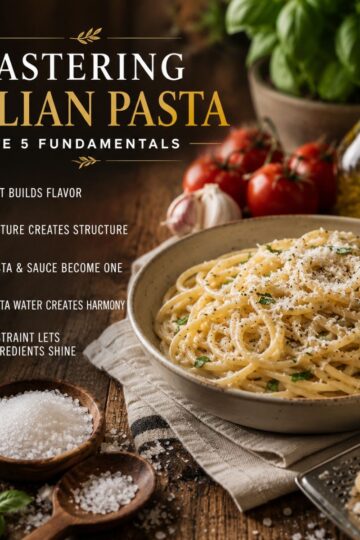
Salt the water properly before cooking.
Read More: The Right Way to Salt Pasta Water
Overcooking destroys tenderness.
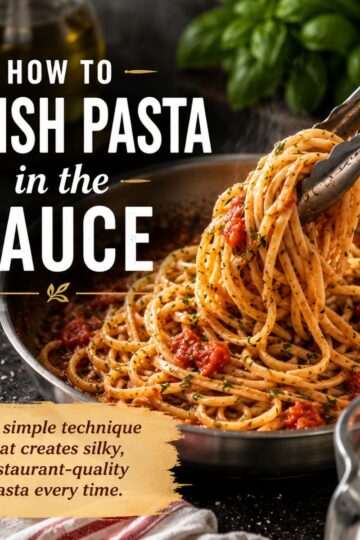
Once drained, finish directly in sauce for cohesion.
Read More: The Best Way to Finish Pasta “in the Sauce”
Integration defines authenticity.
Common Pasta Dough Mistakes (and How to Fix Them)
Many pasta issues begin long before cooking.
One of the most common mistakes is adding too much flour during kneading. This creates a dry, tough dough that is difficult to roll.
Skipping rest time is another issue. Without rest, the dough fights back, shrinking and tearing under pressure.
Rolling unevenly leads to inconsistent cooking. Some sections become overcooked while others remain underdone.
Overcooking fresh pasta is the final mistake. What should be delicate becomes soft and lifeless.
When these mistakes are avoided, the dough begins to behave as it should.
How to Know If Your Pasta Dough Is Correct
A well-made dough tells you it is ready.
It should feel:
- Smooth, not rough
- Firm, but flexible
- Slightly elastic when pressed
If the dough sticks to your hands, it needs more flour.
If it cracks, it needs more hydration.
This feedback is essential.
It is how instinct is developed.
Why Fresh Pasta Matters
Fresh pasta offers tenderness and delicacy unmatched by dried varieties.
It absorbs sauce differently. It carries fillings gently. It feels lighter on the palate.
Understanding dough teaches:
- Hydration control
- Gluten development
- Patience
- Texture awareness
These lessons apply across Italian cooking.
FAQs: Homemade Italian Pasta Dough
00 flour is most commonly used for smooth texture, though semola can be added for structure and bite.
A traditional ratio is 100 grams of flour per egg, but adjustments should be made based on dough feel.
It likely lacks hydration. Add small amounts of water or egg until the dough becomes pliable.
Too much moisture. Add a light dusting of flour while kneading to restore balance.
Typically 8 to 10 minutes, until the dough becomes smooth and elastic.
Resting relaxes gluten, making the dough easier to roll and preventing shrinkage.
Thin enough to see light through it, but not so thin that it tears.
The dough may be too dry or not rested enough.
Usually 1 to 3 minutes, depending on thickness.
Rushing the process. Pasta dough requires patience at every stage.
Final Thought
Homemade pasta dough is not about perfection.
It is about attention.
Feel the dough. Adjust gently. Knead patiently. Rest fully.
When treated with care, flour and eggs transform into silk.
That transformation is the heart of Italian technique.
Key Takeaways
- Homemade Italian pasta dough requires flour and eggs, kneaded until smooth and elastic, with attention to hydration and resting.
- Choosing the right flour, such as 00 flour or semola, impacts texture and elasticity.
- Kneading for 8 to 10 minutes develops gluten, while resting the dough relaxes it for easier rolling.
- Common mistakes include adding too much flour, skipping rest time, and rolling unevenly, which can result in tough or inconsistent pasta.
- Homemade pasta cooks quickly and should be integrated into sauce immediately for the best texture and flavor.
Comments
No Comments