
Estimated reading time: 6 minutes

Salt does not make Italian food salty.
It reveals balance, sweetness, and depth already present.
There is a moment every Italian cook recognizes. The pasta is al dente. The sauce coats the spoon just right. The ingredients are good. Yet the dish tastes muted. Quiet. Incomplete.
One small pinch of salt, added at the right moment, changes everything.
In Italian cooking, salt is not about dominance. It is about clarity. Tomatoes taste sweeter. Pasta feels fuller on the tongue. Olive oil softens and rounds out. When salt is used well, it dissolves into the dish and leaves only balance behind.
Why Salt Matters in Italian Cooking
Italian cuisine is built on restraint. When a dish relies on only a few ingredients, each one must earn its place. Salt matters because it does not introduce a new flavor. It sharpens the flavors already there.
You can taste this clearly in a simple tomato sauce. When salt is added early, the tomatoes soften and deepen as they cook. Their natural sweetness becomes more pronounced, and the sauce develops body without relying on sugar or long reductions. Without early seasoning, even excellent tomatoes struggle to find their voice.
Salt lifts sweetness in tomatoes, tames bitterness in vegetables, and brings harmony to fats like olive oil and cheese. Without it, even good ingredients feel incomplete. With it, food feels finished
How Italians Use Salt in Everyday Cooking
Italian cooks think about salt in layers.
Pasta water is salted before the pasta ever touches the pot. This seasons the pasta from within, so it carries flavor into the sauce rather than relying on heavy seasoning later. When you taste a well-made pasta dish, the noodles themselves feel seasoned, not just coated. This is why dishes like Spaghetti alla Carbonara or cacio e pepe taste complete even though the ingredient list is short.
Sauces are seasoned gradually as they simmer. Salt guides flavor as the dish develops instead of correcting it at the end. Vegetables are lightly salted early so they release moisture and reveal sweetness, whether they are sautéed gently or roasted until caramelized.
Salt is rarely used to fix mistakes. It is used to shape a dish as it comes together. Just as important is knowing when to stop. Once balance is reached, restraint matters more than correction.
How Salt Works Across Italian Cooking
Different Types of Salt in Italian Kitchens
Italian cooks rely on coarse sea salt for everyday cooking. Its larger crystals dissolve slowly and allow better control. Fine salt is used sparingly, while specialty salts are saved for finishing, when texture matters as much as taste.
Salted vs Unsalted Ingredients
Italian cooking balances salt across the entire dish. Ingredients such as Pecorino cheese, anchovies, olives, and cured meats already contribute salinity. In dishes built around these ingredients, seasoning must be lighter and more deliberate. A pasta finished with aged cheese, for example, needs far less added salt than one built on vegetables alone.
Salt and Pasta Cooking
Pasta water is seasoned generously so the pasta itself carries flavor into the sauce. This foundation is what allows simple pasta dishes to rely on fat and cheese for richness without tasting flat. When pasta is under-seasoned, no amount of sauce can fully correct it.
Salt and Bread Baking
Salt strengthens dough structure and controls fermentation. In regions like Tuscany, bread is intentionally unsalted. This is not a flaw. It is a deliberate choice that allows salty cheeses, cured meats, and olive oil to take the lead at the table. The bread supports the meal instead of competing with it.
Salt in Italian Sauces
Salt is added early in sauces to help flavors develop and concentrate. Late salting often tastes sharp and disconnected, sitting on top of the sauce instead of blending into it.
Salt and Vegetables
Light seasoning encourages vegetables to release moisture, soften evenly, and develop sweetness. This is especially important in simple vegetable dishes, where salt replaces complexity with clarity.
Salting Meats in Italian Cooking
Salt is applied before cooking so it penetrates the meat and improves texture, not just surface flavor. This results in meat that tastes seasoned throughout, not only on the outside.
Salt as a Finishing Touch
Used sparingly at the end, salt can sharpen flavor and add contrast, but only when the dish has already been seasoned properly throughout cooking.
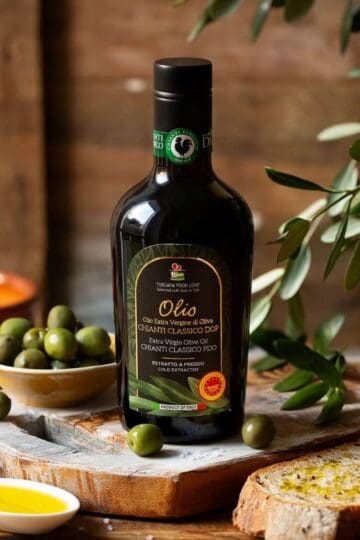
Salt helps balance fats like olive oil, allowing their flavor to feel round rather than heavy. This is especially true when using high-quality oils, which we explore in our guide to Choosing and Using Italian Olive Oil.
Common Mistakes Home Cooks Make
Under-salting out of fear is common. Many cooks worry that seasoning early will ruin a dish, when early seasoning actually provides the most control.
Another mistake is salting only at the end. At that point, salt sits on the surface instead of blending in. Relying solely on fine table salt also increases the risk of over-seasoning.
Finally, salt is often expected to rescue poor ingredients. It cannot. Salt elevates good food. It does not replace it.
Cultural or Regional Insight
Salt reflects regional balance across Italy. Coastal areas season lightly to respect delicate seafood. Inland regions season more assertively to support grains and legumes.
In Tuscany, unsalted bread remains a quiet example of how Italian cooking values contrast over uniformity. Salt is never used in isolation. It exists to support the whole.
Practical Kitchen Takeaways
Salt pasta water generously so the pasta itself carries flavor. Season sauces and vegetables early, adjusting gradually. Choose salts that give control rather than intensity. Taste often and trust your palate.
Italian cooking rewards attention more than precision.
FAQs
Because simple ingredients rely on salt to express their natural flavor.
Well seasoned, similar to a light broth.
Sea salt offers better control and a cleaner taste.
Early and gradually.
You can improve it, but balance will suffer.
To balance salty cheeses, cured meats, and olive oil.
Yes. It influences moisture, tenderness, and structure.
Only lightly, and only if the dish is already balanced.
Closing
Salt is not the star of Italian cooking, and that is exactly why it matters. When used with restraint and confidence, it quietly supports every ingredient on the plate. Mastering salt is not about measuring more carefully. It is about tasting more attentively.
Once you understand that, Italian cooking becomes calmer, clearer, and far more rewarding.
Key Takeaways
- Salt in Italian cooking enhances flavors without overpowering them, revealing balance and depth.
- Italian cooks use salt early and thoughtfully, treating it as a key ingredient rather than a corrective measure.
- Different types of salt offer varying control; coarse sea salt is preferred for everyday use.
- Common mistakes include under-salting, salting only at the end, and expecting salt to fix poor-quality ingredients.
- Understanding the role of salt can transform your cooking, making the dish more harmonious and complete.
Comments
No Comments