
Estimated reading time: 8 minutes
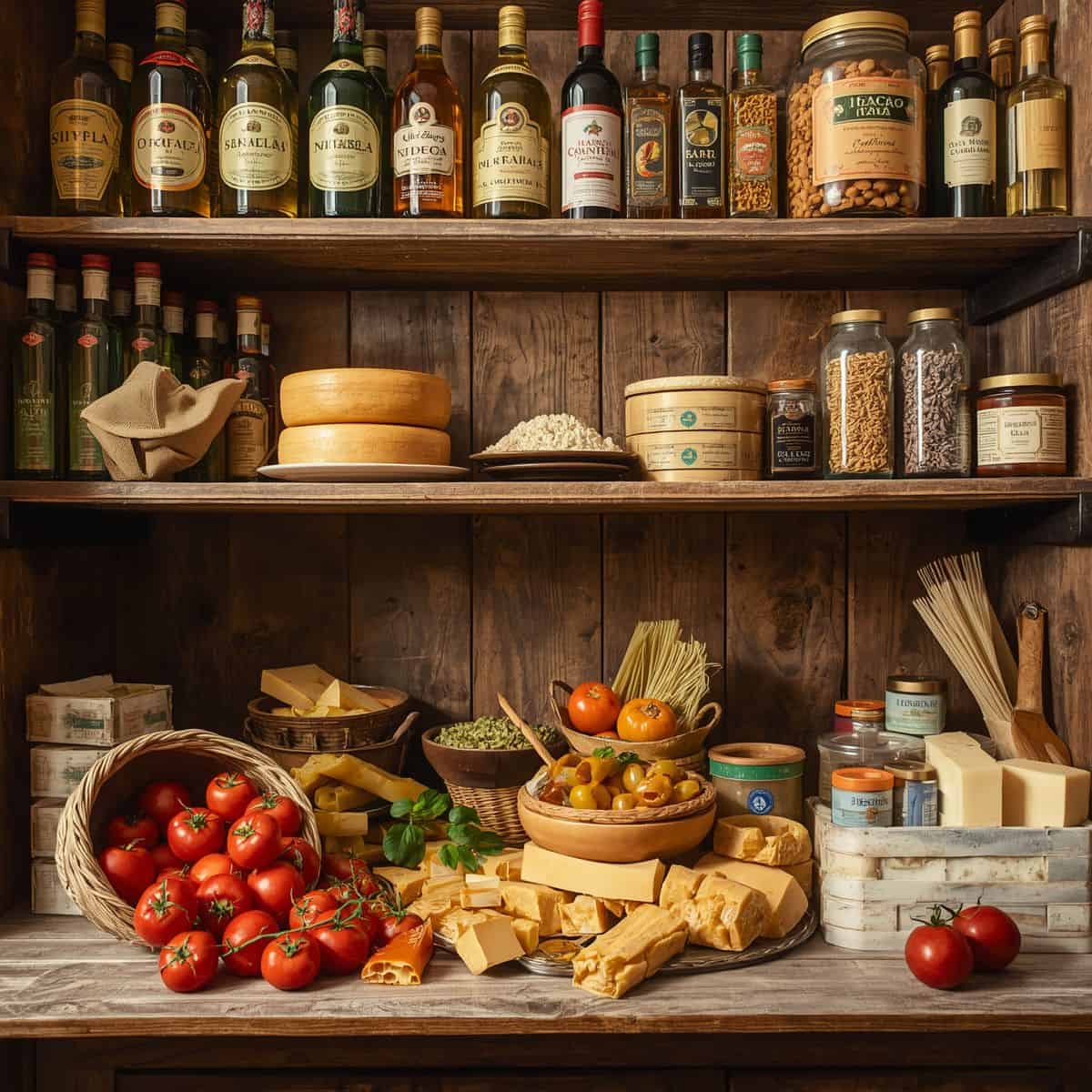
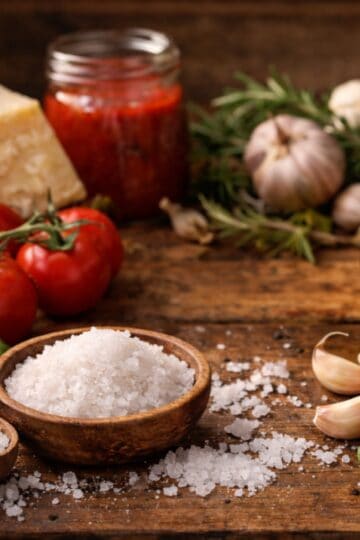
An Italian pantry should contain a small number of high-quality essentials that support balance, structure, and versatility. Core ingredients include extra virgin olive oil, dried pasta, tomatoes, flour, aged cheeses, vinegar, aromatics, and preserved ingredients like capers and anchovies. The goal is not abundance. It is readiness.
The Italian Kitchen Begins Before You Cook
In Italy, good cooking does not begin at the stove. It begins in the pantry.
A well-stocked Italian pantry is not crowded. It is intentional. Every ingredient has a purpose. Every item supports structure, balance, and simplicity.
When your pantry is disciplined, cooking becomes natural. When it is random, dishes feel improvised rather than composed.
Stocking an Italian pantry is about building foundations.This philosophy reflects the broader Italian understanding that restraint creates clarity. The best kitchens are not overloaded with options. They are built around ingredients that work together naturally and consistently.
Read More: The Italian Way of Cooking: Instinct, Simplicity & Balance
The Essential Oils and Fats
Extra Virgin Olive Oil
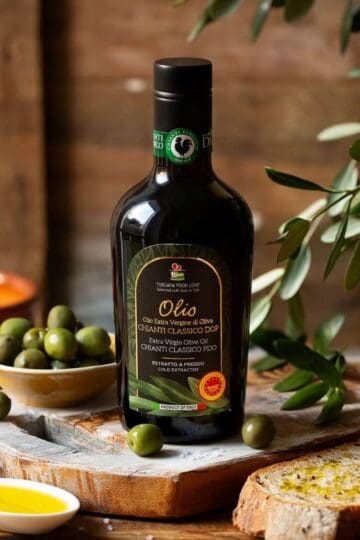
Extra virgin olive oil is both a cooking fat and a finishing ingredient. It carries aroma, supports texture, and shapes flavor before any seasoning begins.
Choose fresh, regionally expressive oils whenever possible. Peppery oils may suit grilled vegetables and rustic dishes, while softer oils work beautifully in delicate sauces. The quality of olive oil quietly influences nearly every layer of Italian cooking. Understanding what separates true extra virgin olive oil from lower-quality products strengthens every dish built from it.
Read More: Olive Oil: Cold-Pressed vs Extra Virgin — What Matters
Butter (Regionally Used)
Butter appears more frequently in northern Italian cooking, especially in risotto, polenta, and certain sauces.
Its richness softens sharp edges and creates roundness in flavor. Used properly, it supports balance rather than heaviness.
Fat is never accidental in Italian cooking. It exists to support structure.
The Core Grains and Flours
Dried Pasta
A proper Italian pantry always includes dried pasta made from semola di grano duro.
Bronze-cut pasta is especially important because its rough surface helps sauce cling naturally instead of sliding away.Texture begins long before pasta touches water. The grain itself determines how the final dish behaves. That relationship between structure and sauce is central to authentic pasta preparation.
Read More: Mastering Italian Pasta: Salt, Sauce & Texture
00 Flour
00 flour creates smooth, delicate doughs ideal for fresh pasta and refined textures.
Semola di Grano Duro
Semola provides strength, elasticity, and bite, especially in southern pasta traditions and rustic breads.
The flour you choose determines hydration, elasticity, and final texture before kneading even begins. Understanding flour structure transforms dough from guesswork into controlled technique.
Read More: Choosing the Right Flour for Italian Pasta & Bread
Tomatoes: The Foundation of Countless Dishes
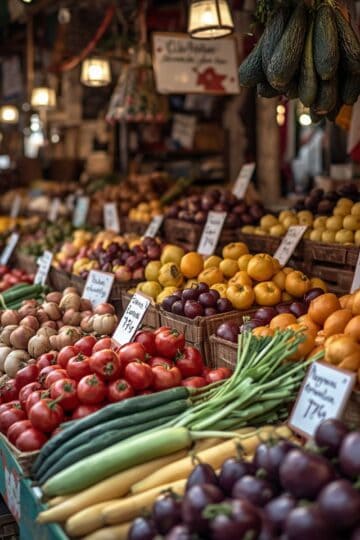
Tomatoes shape the identity of countless Italian dishes.
A disciplined pantry keeps high-quality whole peeled tomatoes available at all times, preferably San Marzano when authentic and properly sourced.
Tomato quality affects sweetness, acidity, texture, and balance. Poor tomatoes often force cooks into compensating with sugar or excessive seasoning.
Italian cooking approaches tomatoes differently. Instead of masking flaws, it depends on selecting ingredients that already possess balance. Learning how to recognize authentic tomatoes protects both flavor and technique.
Read More: San Marzano Tomatoes: Real or Impostor
This same principle appears throughout Italian cooking itself. Balance is created through ingredient quality and careful seasoning, not through overcorrection.
Read More: Salt: The Foundation of Italian Flavor
Essential Cheeses
Parmigiano Reggiano
Nutty, aged, structural.
Parmigiano Reggiano adds depth and savory complexity while quietly strengthening sauces and pasta dishes.
Pecorino Romano
Sharper, saltier, more assertive.
Pecorino contributes intensity and works especially well in Roman dishes where bold structure matters.
Fresh Mozzarella or Ricotta (As Needed)
Fresh cheeses bring softness and delicacy when used with restraint.
Italian cooking depends heavily on understanding not only which cheese to use, but why certain cheeses belong in specific dishes and regions.
Read More: The Cheeses of Italy: Region by Region
Cheese is not garnish.
It is architecture.
Vinegars and Acidity
Balsamic Vinegar
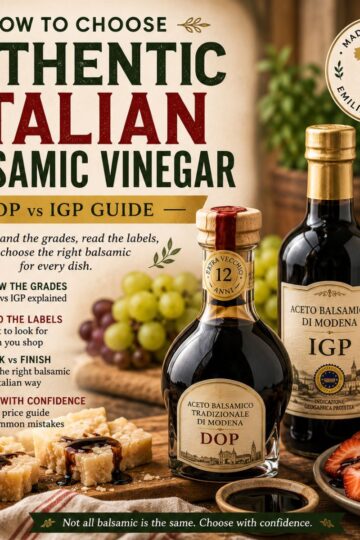
IGP balsamic works well for cooking. DOP balsamic is better reserved for finishing.
Used carefully, balsamic contributes sweetness, acidity, and depth simultaneously.
The complexity of Italian vinegar comes from aging, reduction, and balance rather than sharpness alone.
Read More: Italian Balsamic Vinegar Grades Explained
Red or White Wine Vinegar
These provide lighter acidity for vinaigrettes, vegetables, and quick adjustments.
Acidity should sharpen flavor gently, never dominate it.
Dried and Preserved Enhancers
Capers
Briny intensity in small amounts.
Anchovies
Anchovies dissolve into oil, disappearing visually while deepening flavor dramatically.
This quiet use of preserved ingredients reveals one of the most important lessons in Italian cooking: some ingredients are meant to support structure invisibly rather than stand at the center of attention.
Read More: Capers & Anchovies: Secret Umami Boosters
Control matters more than quantity.
Aromatics and Herbs
- Garlic
- Onions
- Carrots
- Celery
These ingredients form soffritto, the flavor base behind countless sauces, soups, and braises.
Italian cooking often begins not with dramatic seasoning, but with slow foundational flavor development. Soffritto teaches patience, restraint, and layering in their purest form.
Read More: Soffritto & Building Flavor the Italian Way
Fresh herbs remain preferred whenever possible because their brightness preserves clarity.
Wine for Cooking
Dry white wine and dry red wine contribute acidity, aroma, and structure.
Wine does not simply add flavor. It helps ingredients integrate while loosening fond and balancing richness.
Cooking wine should always be drinkable. Harsh wine creates harsh sauces.
This relationship between reduction and balance is part of what gives many Italian dishes their depth without heaviness.
Read More: How to Cook with Wine Like a Pro
Common Pantry Mistakes That Hurt Italian Cooking
Many kitchens become overcrowded with ingredients that complicate cooking instead of strengthening it.
One common mistake is relying on processed sauces and shortcuts. Heavy cream sauces, bottled garlic mixtures, and excessive flavor boosters flatten freshness and weaken balance.
Another mistake is prioritizing novelty over fundamentals. Expensive specialty ingredients cannot compensate for poor olive oil, weak tomatoes, or stale pasta.
Overstocking creates its own problems. Flour loses performance. Olive oil oxidizes. Dried herbs fade.
Italian kitchens remain disciplined because freshness matters more than quantity.
When ingredients stay purposeful, cooking becomes instinctive rather than reactive.
What Not to Over-Stock
An Italian pantry is not defined by excess.
Avoid:
- Excess specialty sauces
- Pre-made heavy cream sauces
- Random spice blends disconnected from regional tradition
Italian cooking depends on clarity. Too many competing ingredients weaken identity and disrupt balance. This restraint explains why many traditional Italian dishes remain surprisingly minimal despite their depth of flavor.
Read More: What Italians Never Put in Their Pasta
How Italians Build Flavor From Simple Ingredients
Italian cooking does not depend on endless ingredients.
It depends on understanding how a few ingredients interact over time.
Olive oil carries aroma. Tomatoes contribute sweetness and acidity. Cheese strengthens structure. Aromatics quietly build depth underneath everything else.
This is why Italian pantries appear simple from the outside while producing remarkably layered food.
The goal is not abundance.
The goal is cohesion.
Why the Pantry Defines the Cook
When your pantry is built thoughtfully:
- Weeknight meals become effortless
- Sauces develop naturally
- Flavor layers feel cohesive
- Technique becomes easier to execute
The pantry defines the cook because preparation shapes confidence long before cooking begins.
When the foundation already exists, instinct takes over naturally.
FAQs: How to Stock an Italian Pantry
Extra virgin olive oil is one of the most essential ingredients because it supports cooking, finishing, aroma, and overall flavor structure.
Italian cooking values balance and ingredient quality over excess. Simplicity helps flavors remain focused and cohesive.
Bronze-cut semola pasta is preferred because it holds sauce better and maintains stronger texture during cooking.
Authentic San Marzano tomatoes are valued for balanced sweetness and lower acidity, though sourcing and authenticity matter greatly.
Parmigiano Reggiano and Pecorino Romano are foundational because they contribute depth, salt, and structure to many dishes.
Anchovies melt into sauces and provide umami richness without creating a strong fish flavor.
Fresh herbs are preferred whenever possible, though dried oregano and bay leaves remain common in certain regional preparations.
Flat flavor often comes from imbalance, weak ingredients, or poor seasoning structure rather than lack of ingredients.
Avoid overly processed sauces, unnecessary specialty products, and ingredients that clutter rather than support traditional flavor balance.
Final Thought
Stock intentionally. Choose quality over quantity. Replace ingredients before they lose freshness.
When your pantry reflects discipline, your cooking reflects confidence.
Italian cuisine does not depend on excess.
It depends on structure.
Key Takeaways
- An Italian pantry should contain high-quality essentials like extra virgin olive oil, dried pasta, and preserved ingredients to support balance and versatility.
- Simplicity is key; a well-stocked pantry focuses on intentional ingredients that enhance natural flavors rather than overwhelming them.
- Quality ingredients, such as San Marzano tomatoes and Parmigiano Reggiano, substantially influence the cooking process and final dish flavor.
- Avoid overcrowding with processed sauces or unnecessary specialty items, as this complicates cooking and dilutes flavor
- An intentional pantry leads to better cooking outcomes by promoting clarity over excess, reinforcing Italian culinary philosophy.
Comments
No Comments